
France · Europe
Marseille Travel Guide: What to See and How to Plan Your Trip
Marseille combines a busy Mediterranean port with historic streets, lively markets and access to the Calanques’ coastal scenery. Its neighbourhoods have distinct characters, and the city’s hills and spread-out sights make a little planning worthwhile. This guide covers what to see, when to go, where to stay and how to travel from Marseille Provence Airport, so you can shape a visit around the city or include it in a wider trip through southern France.
Find flights to Marseille ↓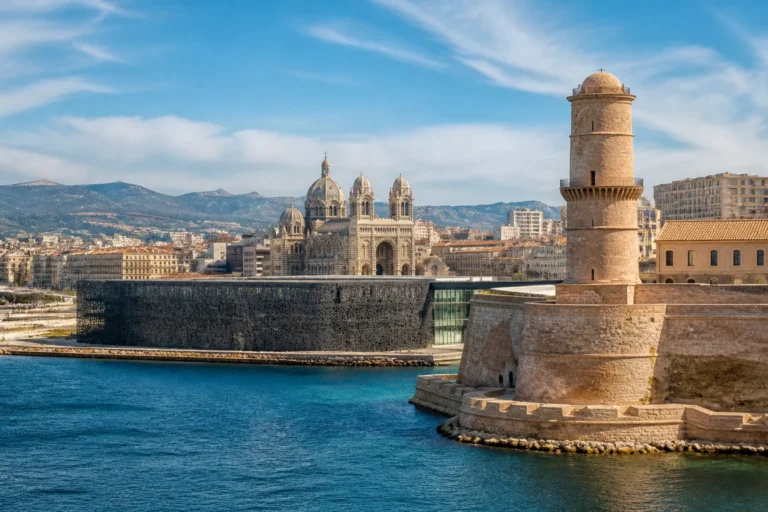 AI illustration
Find flights to Marseille
Compare flights · EURAbout Marseille
France’s second-largest city is a working port as well as a destination for history, food and coastal walks. Around the Vieux-Port, boats and waterfront cafés sit alongside landmarks such as Fort Saint-Jean and the modern MuCEM. Beyond the centre, districts vary from the narrow lanes of Le Panier to the broad boulevards and residential streets further inland.
Marseille suits travellers who enjoy exploring a large, varied city and are happy to combine urban sightseeing with time by the sea. It can also work as a base for parts of Provence, although journeys to other towns and attractions need separate planning. Expect slopes, steps and distances that can make a map look more manageable than a walk feels.
- Historic Vieux-Port
- Le Panier’s old streets
- MuCEM and Fort Saint-Jean
- Coastal scenery of the Calanques
Things to do in Marseille
Start around the Vieux-Port, the city’s best-known waterfront. From there, explore Le Panier’s lanes and visit MuCEM, whose exhibitions focus on Mediterranean cultures. Fort Saint-Jean is connected to the museum complex by a footbridge and offers views across the harbour. Check museum opening arrangements before setting out, as they can change.
Notre-Dame de la Garde stands above the city and is a rewarding viewpoint; the uphill approach is substantial, so consider public transport or a taxi if you would rather save your energy. For a different atmosphere, browse a food market or head to Cours Julien for street art, cafés and independent shops. The Calanques National Park, with its rocky inlets and walking routes, is a popular excursion, but access and routes can be restricted at certain times. Check official park information before travelling, especially in warmer months.
Best time to visit Marseille
Spring and autumn are often comfortable seasons for combining city walks with outdoor excursions, with fewer peak-summer visitors at some sights. Summer brings long days and a stronger focus on beaches and the coast, but heat, crowds and restrictions on access to natural areas can affect plans. In winter, the city remains a year-round destination, though some beach and outdoor activities may be less appealing.
The mistral, a strong regional wind, can influence how a day outdoors feels. Check conditions and any Calanques access notices close to your visit rather than relying on a fixed seasonal assumption. If your dates are flexible, compare flight options across a few days and consider the shoulder seasons.
How long to stay in Marseille
Allow two full days for a first visit focused on the central sights: one for the Vieux-Port, Le Panier and MuCEM, and another for Notre-Dame de la Garde and a different neighbourhood. Three or four days gives you more time for markets, the coast or a Calanques outing, while leaving room for changing access conditions and travel connections.
If Marseille is part of a wider Provence itinerary, plan extra nights according to the places you want to reach. Avoid scheduling a long excursion and a flight on the same day unless you have a generous buffer; transport times and outdoor access can vary.
Marseille airport and getting around
Marseille Provence Airport (MRS) is roughly 27 kilometres northwest of the city centre. Options for the onward journey include an airport bus service to Marseille Saint-Charles station, taxis and car hire. Rail travel is also possible via Vitrolles-Aéroport Marseille Provence station, which is connected to the airport by a shuttle. Check current routes, operating times, fares and connections with the airport or transport operators before departure.
Within Marseille, the RTM network of metro, tram and buses serves many central areas. The Vieux-Port is connected to the metro, while buses can help with destinations on hills or beyond the main centre. Walking is practical for nearby sights, but account for steep streets and summer heat. If hiring a car for excursions, consider whether you need it in the city itself, where parking and busy streets can add complications.
- Airport: Marseille Provence (MRS)
- Airport transfer choices include bus, rail connection, taxi and car hire
- Metro, tram, buses and walking for local journeys
Where to stay in Marseille
Choose the Vieux-Port area for a central base close to waterfront sights, restaurants and public transport. Le Panier puts you near historic streets and cultural attractions, though its narrow, hilly lanes may be less convenient with heavy luggage. Around Cours Julien, you will find cafés and nightlife, with a more local neighbourhood feel and a walk or transit ride to the harbour.
La Joliette can suit visitors interested in the redeveloped waterfront and MuCEM, while the area around Saint-Charles station is practical for rail connections and early departures. Compare the specific address, access to transport and the route back in the evening rather than choosing by neighbourhood name alone.
Practical tips for planning a Marseille trip
Marseille is best explored by grouping nearby sights together: the harbour, Le Panier and MuCEM form a convenient cluster, while hilltop viewpoints and coastal walks need their own time. Comfortable walking shoes are useful on uneven paving and steep streets. Carry water for longer walks, and plan breaks during hot weather.
For a Calanques visit, check official park notices for access restrictions, trail conditions and any requirements that apply on your dates. If you are travelling onward by train or plane, leave a buffer rather than assuming every connection will line up. Visitors comparing flights can use FlyGo.si to explore options, then confirm journey details with the relevant airline and transport operators.
Frequently asked questions about Marseille
Which airport serves Marseille?
Marseille Provence Airport (MRS) is the main airport serving the city. It lies northwest of central Marseille, with onward options including bus, a rail connection via Vitrolles-Aéroport Marseille Provence, taxis and car hire. Check current transport details before travelling.
How do I get from Marseille Provence Airport to the city centre?
An airport bus service connects with Marseille Saint-Charles station. You can also use the nearby Vitrolles-Aéroport Marseille Provence rail station via its airport shuttle, or travel by taxi or hire car. Confirm current services and connections with the operators.
How many days should I spend in Marseille?
Two full days can cover several central highlights, while three or four days allow more time for neighbourhoods and a coastal or Calanques outing. Check access conditions before building a nature excursion into a tight schedule.
Can I visit the Calanques from Marseille?
Yes, the Calanques National Park is a popular excursion from the city. Routes and access may be restricted at certain times, so consult official park information for current notices and plan your transport and walking time.
Where is a convenient area to stay in Marseille?
The Vieux-Port is a useful base for central sights and transport. Le Panier is close to historic attractions but has narrow, hilly streets; Saint-Charles can be convenient for rail connections. Choose based on your itinerary and the exact location of your accommodation.
Travel information can change. Check official transport operators and attraction websites before booking.
Editorial review: 23 Oct 2026
More destinations to explore
 AI illustration
Bordeaux
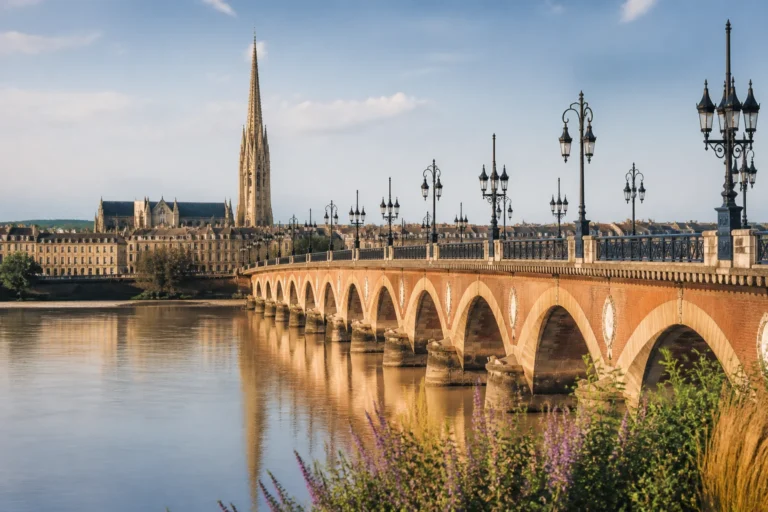
Bordeaux is one of France’s most rewarding city breaks: elegant enough for a special trip, yet relaxed enough for…
Explore destination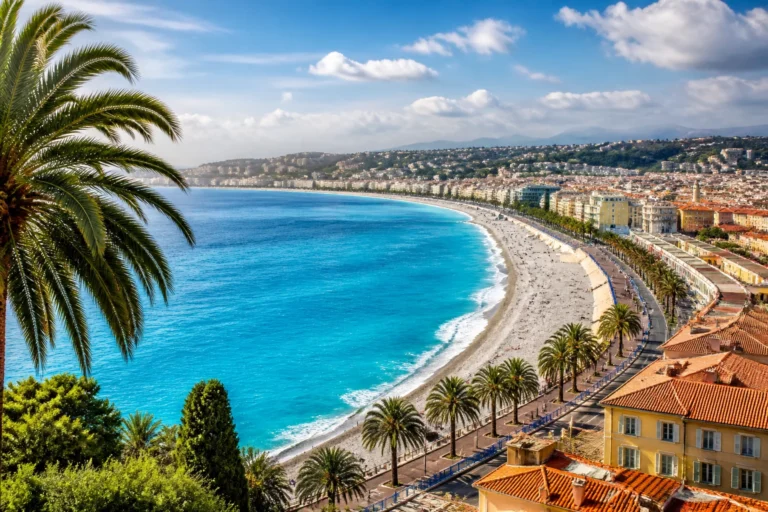 AI illustration
Nice
Nice pairs a walkable historic centre with Mediterranean sea views and easy access to the wider French Riviera. Spend…
Explore destination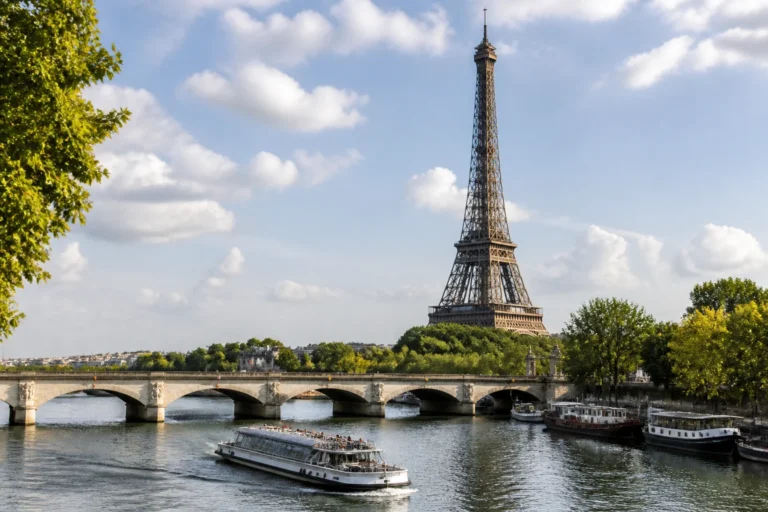 AI illustration
Paris
Paris rewards slow travel: museum-heavy days, long walks along the Seine, neighbourhood cafés, and compact districts that each feel…
Explore destination AI illustration
Strasbourg
Strasbourg combines a walkable historic centre with a distinct blend of French and German influences. Its canals, half-timbered houses…
Explore destination