
France · Europe
Paris Travel Guide for Independent European Travellers
Paris rewards slow travel: museum-heavy days, long walks along the Seine, neighbourhood cafés, and compact districts that each feel distinct. It is easy to plan a trip around your own interests, whether that means art, food, architecture, parks, or shopping. This guide focuses on practical ways to experience Paris well, using the city’s public transport, walkable streets, and well-known landmarks as a starting point rather than a checklist.
Find flights to Paris ↓ AI illustration
Find flights to Paris
Compare flights · EURAbout Paris
Paris is one of Europe’s most varied city breaks: monumental sights sit alongside quiet residential streets, market squares, riverside paths, and small museums that are easy to miss if you only move between major landmarks. For independent travellers, the city works best when you balance the headline attractions with time in a specific neighbourhood, so the trip feels less rushed and more local in rhythm.
The city is also straightforward to navigate once you understand its layout. The central arrondissements form a rough spiral, and the Seine divides the city into the Left Bank and Right Bank. That structure helps when choosing where to stay and how to plan each day, because many sights cluster naturally within walking distance of one another. Paris is best approached as a city of districts rather than a single centre.
- Distinct neighbourhoods with very different atmospheres
- Easy to combine walking, metro, and river crossings
- Good for art, food, architecture, and unplanned wandering
Things to Do in Paris
The classic Paris experience starts with the major sights, but the city becomes more rewarding when you leave time for slower activities. Visit at least one major museum or monument, then offset it with a long walk through a park, a café stop, or an afternoon in a market area. If you enjoy architecture, Paris offers a strong mix of grand boulevards, Haussmann buildings, historic churches, and modern landmarks.
Neighbourhood time matters here. The Marais is good for galleries, boutiques, and older streets; the Latin Quarter has a student feel and plenty of casual eating spots; Saint-Germain is elegant and central; and Montmartre remains a useful choice for views and hilltop wandering, even though it can be busy. If you prefer calmer plans, consider canal walks, bookshops, covered passages, or a boat ride on the Seine instead of only chasing famous viewpoints.
- Mix one landmark day with slower neighbourhood exploration
- Use the Seine and parks as part of the experience, not just transit
- Choose areas like the Marais or Latin Quarter for atmosphere and convenience
Best Time to Visit Paris
Paris can be visited year-round, but the feel of the city changes noticeably by season. Spring and early autumn are often the most comfortable times for walking and outdoor cafés, while summer brings longer days and more visitors. Winter can be a good option if you prefer museums, galleries, festive lights, and a quieter pace, though some days will naturally be better suited to indoor plans.
Rather than planning only around weather, think about crowds, opening hours, and the type of trip you want. A museum-focused visit works well in cooler months, while a café-and-park trip makes more sense when daylight is longer. If you are flexible, aim for shoulder periods when the city is active but not at its most crowded.
- Spring and early autumn suit walking-heavy itineraries
- Summer offers longer daylight but usually more visitors
- Winter is useful for museums, galleries, and indoor sightseeing
How Long to Stay in Paris
Two full days are enough for a first pass through Paris, but that only gives you time for a few major sights and one neighbourhood or river walk. Three to four days is the more balanced range for independent travellers, because it allows for a museum, a landmark area, a slower district, and one flexible half-day for shopping, food, or a longer walk.
If you already know the city or want a more relaxed trip, five days or more can work very well. That gives you room to explore beyond the central sights without feeling like you are moving from one queue to the next. Paris also suits repeat visits, because you can treat each stay as a different version of the city: art-focused, food-focused, or neighbourhood-focused.
- 2 days: a fast introduction
- 3–4 days: the best balance for most city breaks
- 5+ days: ideal for slower travel and deeper neighbourhood exploration
Airports and Transport in Paris
Paris is served by major airports, with the main long-haul gateways commonly used by international visitors. From the airports, the most practical onward options are usually rail links, airport buses, taxis, or ride-hailing services where available. For current routes, platforms, and ticketing details, check the official airport and transport operator information before you travel, especially if you are arriving late or with luggage.
Within the city, the metro is the simplest way to cover distance quickly, and it is usually supplemented well by suburban rail, buses, and walking. Taxis can be useful for very early departures, late arrivals, or when you are moving with bags, but on a normal sightseeing day the metro and your own feet are often the easiest combination. Paris works particularly well if you stay somewhere with a nearby metro station and keep a map of the main lines on hand.
- Use the metro for most cross-city movement
- Choose accommodation near a station to reduce transit friction
- Check official airport guidance for the latest transfer options
Where to Stay in Paris
Where you stay in Paris can shape the whole trip. If this is your first visit, central districts near the Seine, the Louvre, or Saint-Germain make sightseeing simple and reduce the amount of time spent crossing the city. The Marais is a strong all-round option for dining, browsing, and walkability, while the Latin Quarter works well if you want a lively but still central base.
If you prefer a neighbourhood feel, look slightly beyond the most obvious postcard areas. Some visitors choose calmer residential districts for better value or a more local atmosphere, then rely on the metro to reach the main sights. Whatever your style, prioritise convenient transport, a quieter street if possible, and accommodation that fits your routine, whether that is early starts, late dinners, or a lot of resting between outings.
- Central districts suit first-time visitors
- The Marais and Latin Quarter are practical, walkable bases
- A nearby metro stop matters more than being next to one famous sight
Practical Tips for Paris
Plan for a mix of walking and public transport rather than trying to see Paris entirely on foot. Distances can look short on a map, but several sights are best linked by metro or bus once you factor in energy, weather, and queueing. Comfortable shoes matter, and it helps to group sights by area so you are not repeatedly criss-crossing the city.
For food, the most satisfying approach is often simple: mix one or two planned meals with snacks, bakery stops, or casual neighbourhood cafés. Paris is also a city where booking ahead can be useful for popular restaurants and timed-entry attractions, but leave space in your itinerary for wandering. If you want the trip to feel distinctly Parisian, do not over-schedule every hour; the city rewards pauses as much as checklists.
- Group sights by neighbourhood to save time
- Use timed entries and reservations where needed
- Leave room for cafés, bakeries, and unplanned walks
Frequently asked questions about Paris
Is Paris easy to visit without a car?
Yes. For most travellers, Paris is easier without a car because parking is limited and the city has strong public transport. A mix of metro, walking, and occasional taxis is usually enough for a short stay.
Which Paris area is best for first-time visitors?
Central neighbourhoods near the Seine, the Marais, Saint-Germain, or the Latin Quarter are usually the easiest bases for a first visit because they combine good transport with straightforward access to many major sights.
How should I get around Paris most efficiently?
Use the metro for longer cross-city hops, walk between nearby sights, and add buses or taxis when needed. Group your plans by district so you spend less time transferring between areas.
What kind of trip suits Paris best?
Paris suits museum breaks, food-focused trips, architecture walks, shopping, and slow neighbourhood stays. It is also a good destination for repeat visits because each district offers a different atmosphere.
Can I see the main sights in one short trip?
You can see a selection of the main sights in a short trip, but the city is more enjoyable if you avoid trying to fit everything in. A focused plan usually works better than an overly ambitious list.
Travel information can change. Check official transport operators and attraction websites before booking.
Editorial review: 23 Oct 2026
More destinations to explore
 AI illustration
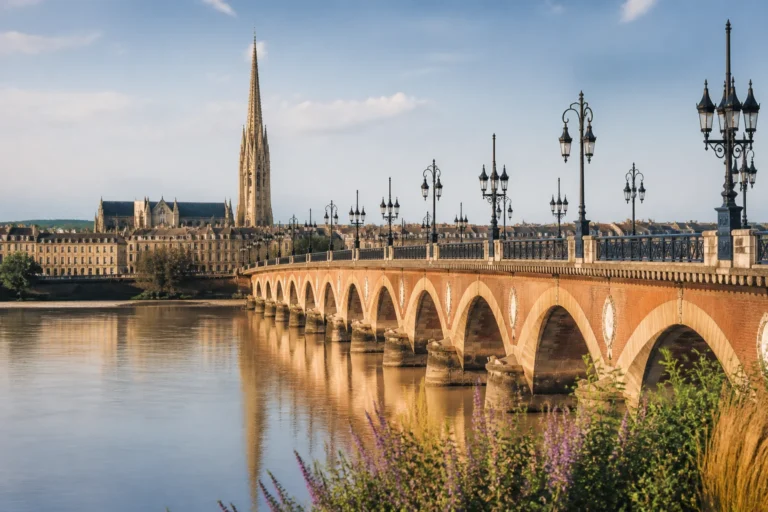
Bordeaux
Bordeaux is one of France’s most rewarding city breaks: elegant enough for a special trip, yet relaxed enough for…
Explore destination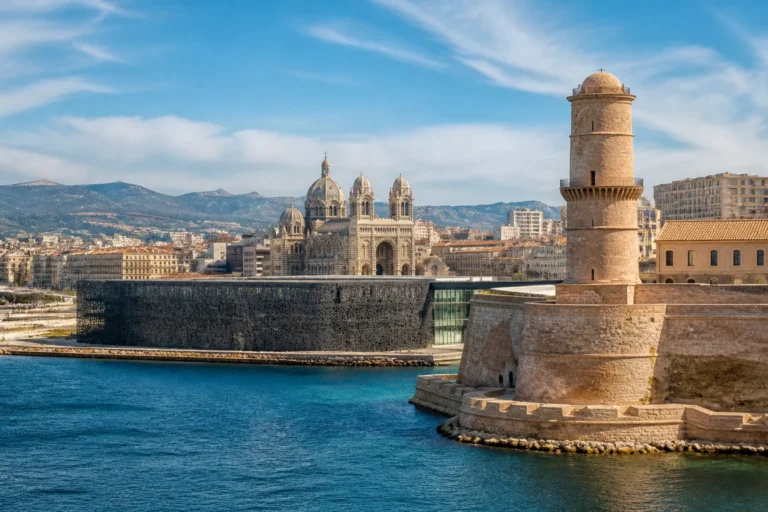 AI illustration
Marseille
Marseille combines a busy Mediterranean port with historic streets, lively markets and access to the Calanques’ coastal scenery. Its…
Explore destination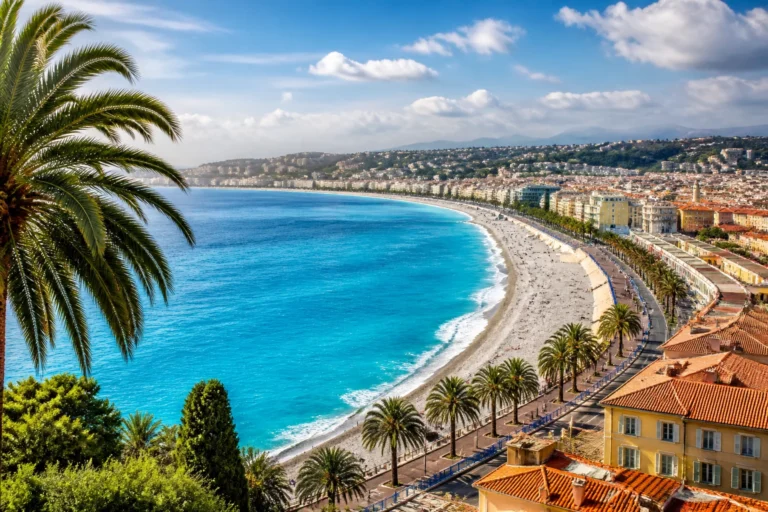 AI illustration
Nice
Nice pairs a walkable historic centre with Mediterranean sea views and easy access to the wider French Riviera. Spend…
Explore destination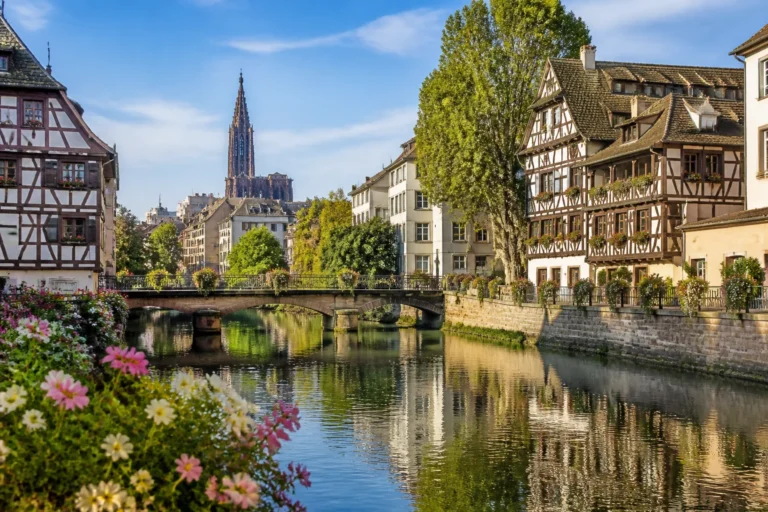 AI illustration
Strasbourg
Strasbourg combines a walkable historic centre with a distinct blend of French and German influences. Its canals, half-timbered houses…
Explore destination