
France · Europe
Strasbourg Travel Guide: What to See and How to Plan
Strasbourg combines a walkable historic centre with a distinct blend of French and German influences. Its canals, half-timbered houses and Gothic cathedral make it rewarding for a short city break, while museums, neighbourhood cafés and European institutions offer more to explore. This guide covers when to go, how long to stay, where to base yourself and how to travel between Strasbourg Airport and the city. Compare flights to help plan your journey.
Find flights to Strasbourg ↓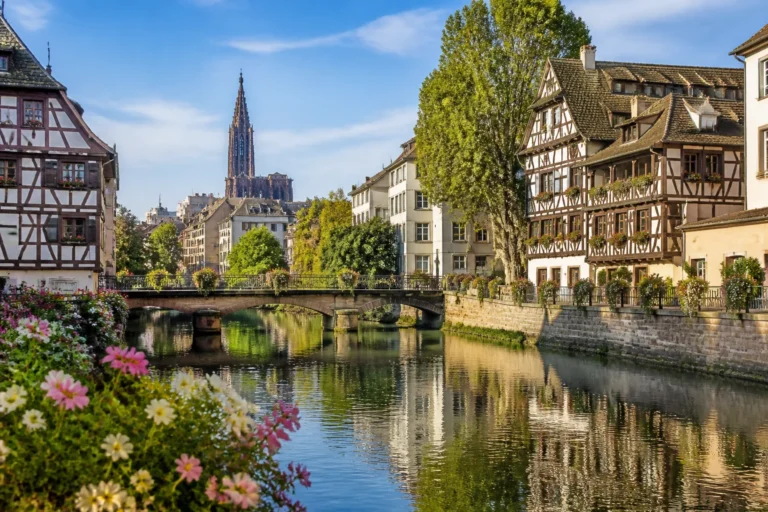 AI illustration
Find flights to Strasbourg
Compare flights · EURAbout Strasbourg
Strasbourg sits in north-eastern France, close to the German border, and its history is reflected in its architecture, food and local identity. The historic centre, on the Grande Île, is encircled by waterways and is compact enough to explore largely on foot. Petite France, with canals and traditional houses, is one of its most recognisable areas.
The city is also home to European institutions, giving it a broader, more contemporary character beyond the old town. Strasbourg suits visitors who enjoy architecture, museums and relaxed neighbourhood wandering. It can work well as a standalone city break or as part of a wider trip through Alsace.
- Walk around the Grande Île and Petite France
- See Strasbourg Cathedral and the surrounding old town
- Explore the city’s French and German influences
Things to do in Strasbourg
Begin around Strasbourg Cathedral, whose detailed Gothic façade dominates the centre. From there, explore the streets and squares of the Grande Île, allowing time for the historic interiors, small shops and cafés rather than treating the centre as a quick photo stop. Petite France is especially appealing along the canals; walking is a good way to take in its bridges and varied views.
For a different perspective, consider a boat tour on the Ill, checking the operator’s current route and access arrangements before you go. Museums provide context on the city and the wider region, while the Neustadt district offers a contrasting streetscape shaped by later periods of urban development. The European quarter, north-east of the centre, is worth considering if you have an interest in European institutions; check visitor access in advance, as it may depend on the building and date.
Strasbourg’s food reflects its position in Alsace. Look out for regional dishes and bakeries, and check menus if you have dietary requirements. In December, seasonal markets are a major draw, but expect a busier city centre and plan accommodation and sightseeing with that in mind.
- Strasbourg Cathedral and Grande Île
- Canals and lanes of Petite France
- Museums and the Neustadt district
- Seasonal markets in December
Best time to visit Strasbourg
Spring and early autumn are useful choices if you want time outdoors without centring the trip on the winter markets. These shoulder seasons can suit walking between districts, sitting outside when conditions allow and taking day trips around Alsace. Conditions vary, so check a forecast close to departure and pack for changeable weather.
Summer brings longer daylight for sightseeing, but popular parts of the centre can be busy. December offers a distinctive festive atmosphere and seasonal markets, along with higher visitor numbers in central areas. If the markets are your main reason to visit, reserve accommodation early where possible and check current dates, access arrangements and transport information through official channels.
- Spring and early autumn for city walks
- Summer for longer sightseeing days
- December for seasonal markets, with larger crowds
How long to stay in Strasbourg
Two full days gives most visitors time to see the cathedral, explore Petite France and the Grande Île, and fit in a museum or boat tour without rushing every stop. A one-night visit can cover the central sights, but leaves less room for slower meals or the European quarter.
Stay for three or four days if you want a more relaxed pace or hope to explore beyond the city. Strasbourg can be a base for Alsace outings, but travel times and services vary by destination; check rail or local transport options before building a day trip into your plans.
- One night for a brief central-city visit
- Two days for the main sights at a comfortable pace
- Three or more days if adding regional outings
Strasbourg Airport and getting around
Strasbourg Airport (SXB) is in Entzheim, south-west of the city. A rail link connects the airport area with Strasbourg’s central station; check current services, ticketing and any transfer arrangements with the airport or rail operator before travelling. Taxis and road transfers are other options, but journey times depend on traffic and time of day.
From Strasbourg station, the historic centre is within reach on foot, by tram or by bus, depending on your accommodation and luggage. Within the city, the central districts are easy to explore on foot, while trams and buses are useful for longer journeys, including to areas outside the old town. Consult the local transport operator for current routes, fares and service information.
If you are comparing flights, check which airport is shown on your itinerary and how its onward connections fit your arrival time. Strasbourg’s rail connections can also make train travel relevant when planning a wider European itinerary.
- SXB is located in Entzheim, south-west of central Strasbourg
- Check airport rail connections and tickets before travel
- Use walking, trams and buses to get around the city
Where to stay in Strasbourg
For a first visit, staying on or near the Grande Île puts the cathedral, Petite France and many restaurants within walking distance. It is a convenient base, though central streets can be lively and accommodation may be in greater demand during major events and the December market season.
Krutenau, just south-east of the central island, has a neighbourhood feel and places to eat, while the area around the main station is practical for rail arrivals and onward travel. Neustadt offers a different architectural setting and can suit travellers who want to be close to, but not directly in, the busiest old-town streets. Compare the location with your plans, and check walking distances and transport links rather than relying on the neighbourhood name alone.
- Grande Île for a central first stay
- Krutenau for a neighbourhood base near the centre
- Station area for convenient rail connections
- Neustadt for a quieter alternative to the busiest old town
Practical tips for visiting Strasbourg
Wear comfortable shoes: historic streets can be uneven, and many central sights are best linked on foot. If you plan to use public transport, check ticket options and validation rules with the local operator rather than assuming a ticket bought for one journey works for another.
December visits need extra planning because market areas can be crowded and accommodation demand rises. For any museum, boat tour or European-institution visit, confirm opening information and visitor access before setting out. Restaurant opening patterns can vary, so book ahead for a particular meal or check locally.
Strasbourg is a useful starting point for visitors interested in Alsace, but a regional excursion is not automatically simple by public transport. Check the return connections and opening times before committing to a day trip. FlyGo.si is an independent flight comparison website; use it to compare available flight options, then confirm your itinerary and travel details with the relevant providers.
- Wear shoes suited to walking on historic streets
- Check current transport tickets and service details
- Plan ahead for December crowds and popular visits
Frequently asked questions about Strasbourg
Which airport serves Strasbourg?
Strasbourg Airport, with the code SXB, is in Entzheim south-west of the city. Check current rail, road-transfer and ticket information with the airport or transport operators before travelling.
Is Strasbourg easy to explore on foot?
The historic centre, including the Grande Île and Petite France, is compact and well suited to walking. Trams and buses are useful for destinations farther from the centre or when you want to reduce walking.
How many days should I spend in Strasbourg?
Two full days is a good starting point for the main central sights and a museum or boat tour. Add time if you want a slower visit or plan to explore elsewhere in Alsace.
When are Strasbourg’s Christmas markets held?
The markets are a December attraction, but dates, opening arrangements and access details can change. Check official city or event information for the year you plan to visit.
Where is a convenient area to stay in Strasbourg?
The Grande Île is convenient for the historic sights, while the station area can suit travellers arriving by rail. Krutenau and Neustadt offer alternatives close to the centre; choose based on your itinerary and transport needs.
Travel information can change. Check official transport operators and attraction websites before booking.
Editorial review: 23 Oct 2026
More destinations to explore
 AI illustration
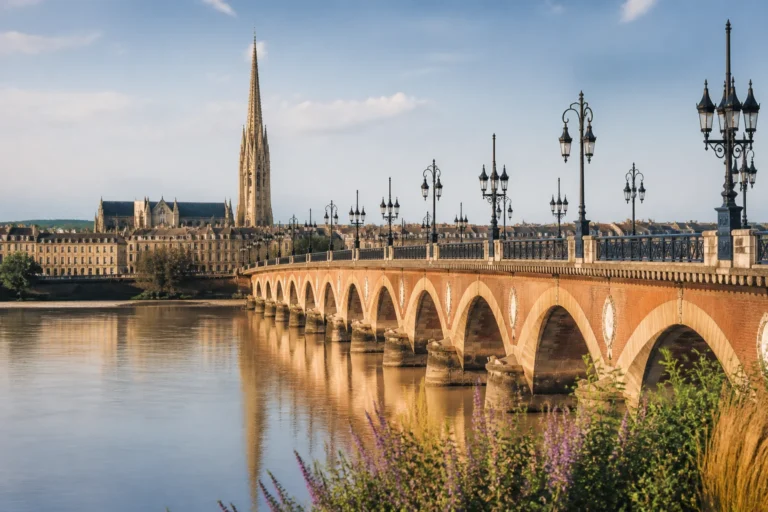
Bordeaux
Bordeaux is one of France’s most rewarding city breaks: elegant enough for a special trip, yet relaxed enough for…
Explore destination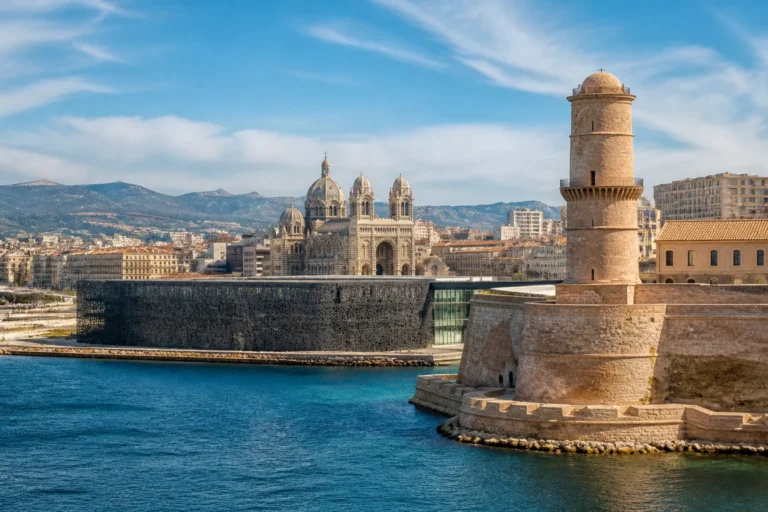 AI illustration
Marseille
Marseille combines a busy Mediterranean port with historic streets, lively markets and access to the Calanques’ coastal scenery. Its…
Explore destination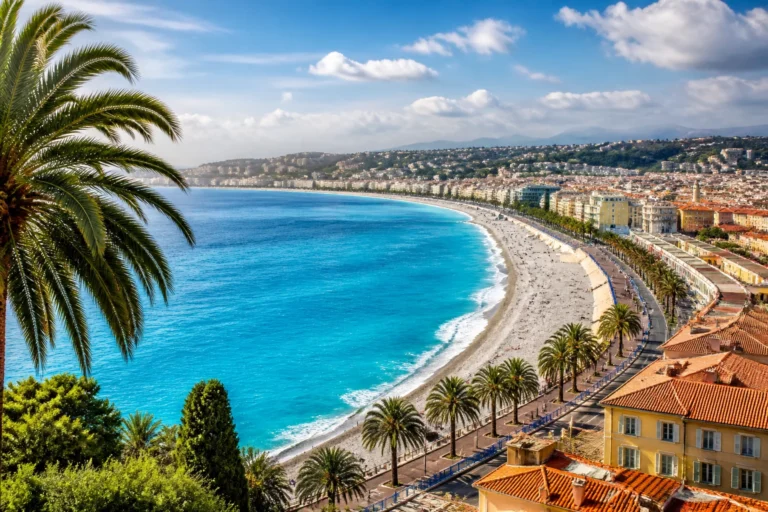 AI illustration
Nice
Nice pairs a walkable historic centre with Mediterranean sea views and easy access to the wider French Riviera. Spend…
Explore destination AI illustration
Paris
Paris rewards slow travel: museum-heavy days, long walks along the Seine, neighbourhood cafés, and compact districts that each feel…
Explore destination