
France · Europe
Bordeaux Travel Guide for European Visitors
Bordeaux is one of France’s most rewarding city breaks: elegant enough for a special trip, yet relaxed enough for an easy long weekend. Known for wine, riverfront walks, neoclassical squares and a strong food scene, it suits travellers who want a city that feels lived-in rather than over-staged. It also works well as a base for exploring the wider Gironde region without needing a car inside the centre.
Find flights to Bordeaux ↓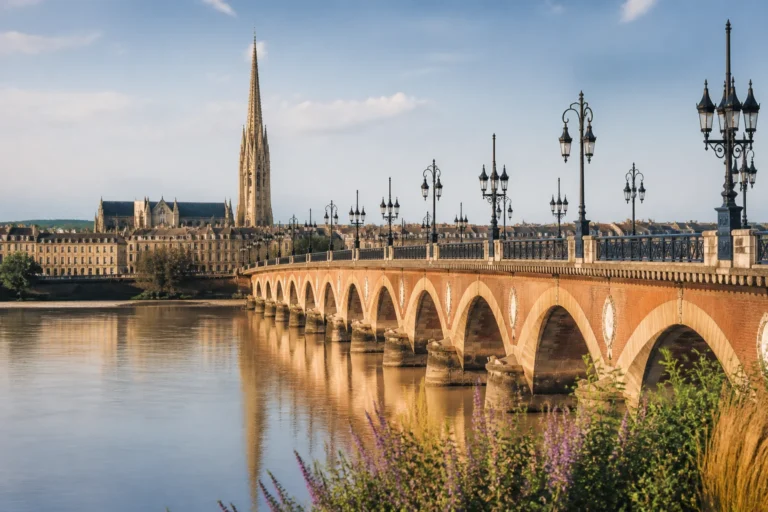 AI illustration
Find flights to Bordeaux
Compare flights · EURAbout Bordeaux
Bordeaux sits on the Garonne River in southwest France and has a city centre shaped by grand 18th-century architecture, wide squares and a compact historic core. It is easy to enjoy on foot, but the tram network also makes it practical for travellers who want to move between museums, riverfront areas and residential neighbourhoods without relying on taxis.
The city’s identity is closely tied to wine, but Bordeaux is not just a destination for tasting rooms and châteaux. Visitors also come for contemporary culture, handsome cafés, markets, and the contrast between polished central streets and more local neighbourhoods just beyond them. For independent travellers, that mix makes it especially flexible: you can build a trip around food and wine, architecture, or slow urban exploring.
- Walkable historic centre with broad boulevards and squares
- Strong wine and food culture without feeling overly formal
- Good base for regional day trips if you have extra time
Things to Do in Bordeaux
Start in the city centre around Place de la Bourse and the Miroir d’eau, then continue along the riverfront for a sense of Bordeaux’s scale and rhythm. The old centre is compact, so it works well for a slow first day: small streets, churches, shops and cafés are close together, and you can move between them without rushing.
For a deeper look at the city, visit Cité du Vin for a modern introduction to wine culture, then head to the Chartrons district for galleries, independent shops and a more local feel. If you prefer markets and everyday atmosphere, look for food halls or covered markets rather than focusing only on formal wine venues. The city also has several museums and churches worth mixing into a flexible itinerary, especially if the weather is less settled.
If you have more than a weekend, consider a half-day or full-day excursion into nearby wine areas. Independent travellers often choose a guided tasting, a vineyard visit, or a train-and-taxi combination rather than trying to drive after tastings. That keeps the visit simple while still giving a sense of the landscape around Bordeaux.
- Place de la Bourse and the riverfront
- Cité du Vin for a modern wine-focused visit
- Chartrons for a neighbourhood with more local character
- Markets, cafés and churches in the old centre
Best Time to Visit Bordeaux
Bordeaux is a year-round city, but the experience changes noticeably by season. Spring and early autumn are often the most comfortable periods for sightseeing, with pleasant temperatures for walking, outdoor dining and riverfront time. These months are also appealing if you want to combine the city with winery visits or day trips into the region.
Summer brings longer daylight and a lively atmosphere, but it can also be busier, especially in the centre and at popular wine attractions. Winter is quieter and better suited to museum time, restaurant visits and a slower pace. If your main interest is wine country, think about the kind of experience you want: verdant landscapes and outdoor exploring in warmer months, or a calmer, more low-key city break outside peak travel periods.
- Spring and early autumn suit walking and sightseeing
- Summer is livelier but can be busier
- Winter works well for a quieter food-and-culture trip
How Long to Stay in Bordeaux
A short break of two to three days is enough to see the central sights, walk the riverfront and enjoy a few meals without feeling rushed. That length works well if you are mainly interested in the city itself and want a relaxed European weekend rather than a tightly packed itinerary.
Stay four to five days if you want to add a proper wine-country experience or explore more neighbourhoods at a slower pace. With extra time, you can split your days between the centre, the river, and one or two excursions outside the city. Travellers who enjoy museums, architecture and food will find that Bordeaux rewards the longer stay more than many smaller French cities do.
- 2–3 days for the city centre and main sights
- 4–5 days for a slower trip with wine-country time
- Longer stays suit food, museums and neighbourhood exploring
Airports and Transport
Bordeaux–Mérignac Airport is the main gateway for the city and is connected onward by ground transport into the centre. For current transfer options, check the airport and local transport operators before you travel, as services can change. If you are arriving by rail, Bordeaux Saint-Jean is the main train station and gives access to the city via tram, bus, taxi or rideshare depending on your arrival point and luggage.
Once in the city, the tram network is one of the easiest ways to get around, especially if your accommodation is not right in the centre. Many travellers will find that walking covers a surprising amount of the historic core, with trams helping for longer cross-city journeys. Bicycles can also be a practical option in flatter areas, though traffic, tram lines and cobbles mean it is worth choosing routes carefully. If you plan wine outings, remember that some vineyard visits are simpler with a tour, driver or public transport combination than with a self-drive approach after tastings.
- Main airport: Bordeaux–Mérignac
- Bordeaux Saint-Jean is the primary rail arrival point
- Trams are useful for city travel; walking works well in the centre
Where to Stay in Bordeaux
For first-time visitors, the historic centre is the easiest place to stay because it puts major sights, restaurants and tram connections within reach. It is the best choice if you want to walk most places and come back to your hotel between sightseeing stops. Expect a busier atmosphere, especially near the most famous squares and shopping streets.
The Chartrons area suits travellers who want a slightly calmer base with cafés, wine merchants and a more local residential feel. The riverfront can also be attractive if you prefer open views and easy access to promenade walks. If you are arriving by train or leaving early, staying near the station can be practical, but make sure the immediate surroundings match your preferred pace and evening plans. In general, Bordeaux works best when you choose a neighbourhood that matches the type of trip you want rather than aiming only for the most central address.
- Historic centre for first-time visitors and easy sightseeing
- Chartrons for a calmer, more local feel
- Riverfront or station area for specific transport needs
Practical Tips for Bordeaux
Book popular restaurants and tasting experiences ahead if your trip falls in a busy season or over a weekend. Bordeaux has a polished dining scene, but many of the more appealing places are not the kind you can assume will have space at the last minute. If you plan to visit vineyards, build in extra time for travel between the city and the surrounding wine areas.
Keep an eye on opening days and seasonal hours for museums, churches and cellar visits, especially if your stay is short. The city centre is very enjoyable on foot, so comfortable shoes are worth packing even for a stylish trip. Finally, Bordeaux’s charm is partly in its pace: leave room for long lunches, riverside walks and unplanned stops rather than trying to fit it into a checklist.
- Reserve key restaurants and tastings in advance
- Check opening days for attractions and cellar visits
- Comfortable walking shoes will pay off in the historic centre
Frequently asked questions about Bordeaux
Is Bordeaux good for a short city break?
Yes. Bordeaux is compact enough for a weekend, with a walkable centre, strong dining options and easy tram access for longer hops across the city.
Do I need a car in Bordeaux?
Not for the city itself. Most central sights can be reached on foot or by tram. A car is more useful only if you plan several vineyard visits or wider regional exploring.
What is Bordeaux best known for?
Bordeaux is best known for wine, elegant architecture and a food culture that ranges from casual markets to refined restaurants.
Which area is best for first-time visitors?
The historic centre is usually the easiest base for a first visit because it is close to major sights, restaurants and public transport.
Can I visit vineyards as a day trip from Bordeaux?
Yes. Many travellers do, but it is wise to plan transport carefully and check current schedules or tour options with official providers.
Is Bordeaux walkable?
Very much so in the central districts. Walking is one of the best ways to see the old town, with trams available when you want to cover more distance.
Travel information can change. Check official transport operators and attraction websites before booking.
Prepared with AI assistance and reviewed by the FlyGo editor.
Editorial review: 7 Oct 2026
More destinations to explore
 AI illustration
Alicante
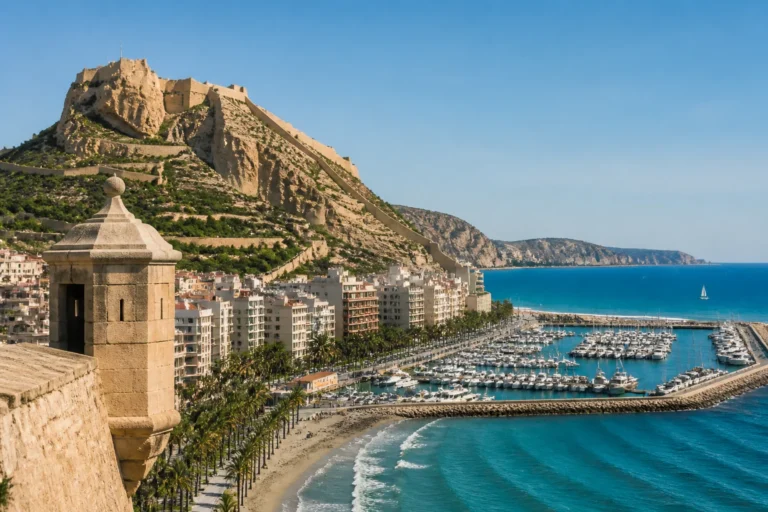
Alicante is an easygoing Mediterranean city where a compact old centre, a long waterfront and a busy local food…
Explore destination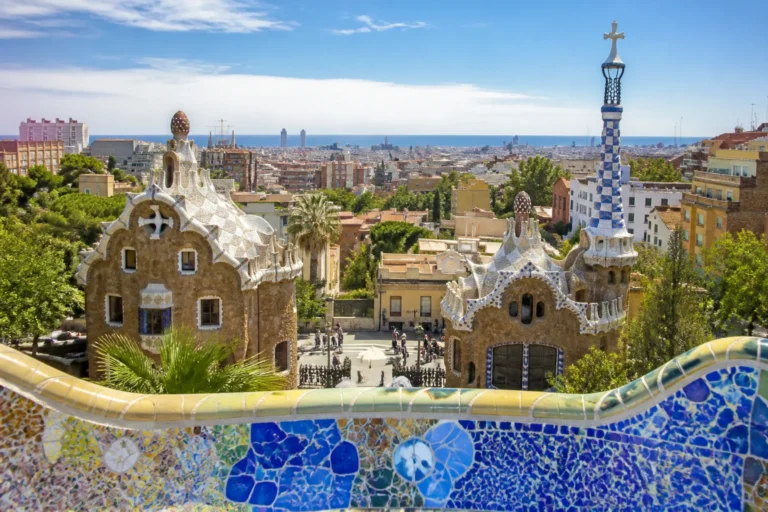 AI illustration
Barcelona
Barcelona mixes a compact city break with beach time, neighbourhood wandering and a strong food-and-culture scene. For European independent…
Explore destination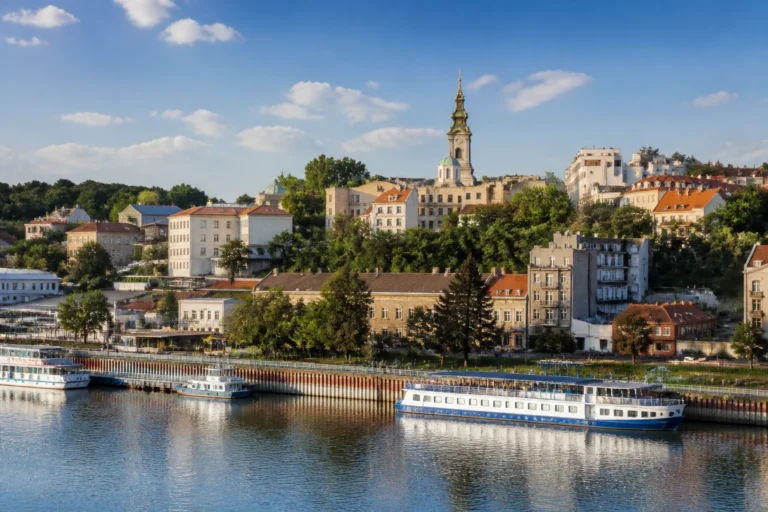 AI illustration
Belgrade
Belgrade is a lively, layered capital where river views, café culture, history and a strong nightlife scene sit side…
Explore destination AI illustration
Copenhagen
Copenhagen is an easy city to explore on foot, by bike, and by public transport, with a mix of…
Explore destination