
Spain · Europe
Barcelona Travel Guide for European Visitors
Barcelona mixes a compact city break with beach time, neighbourhood wandering and a strong food-and-culture scene. For European independent travellers, it is easy to build a trip around architecture, tapas bars, museums, markets and relaxed seaside walks. This guide focuses on how to plan a practical visit, where to base yourself and how to move around without wasting time.
Find flights to Barcelona ↓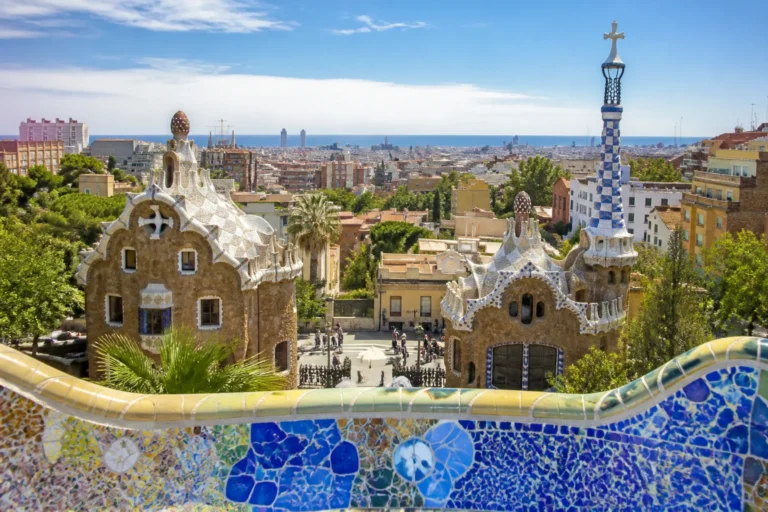 AI illustration
Find flights to Barcelona
Compare flights · EURAbout Barcelona
Barcelona is one of Europe’s most rewarding city breaks because it offers several different trip styles in one place. You can focus on Gaudí landmarks, wander the Gothic Quarter and El Born, spend an afternoon on the seafront or use the city as a base for longer Catalonia stays. It is a city where walking works well, but each district has its own rhythm, so planning by neighbourhood can make a big difference.
For first-time visitors, the appeal is not only the headline sights. Barcelona is best enjoyed in layers: modernist architecture on the grand avenues, smaller plazas in the old town, local markets, neighbourhood bakeries, and evening strolls that feel more lived-in once the day-trippers thin out. If you prefer independent travel, it is straightforward to shape a quieter itinerary away from the busiest streets.
- Compact enough for a city break, but varied enough for a longer stay.
- Neighbourhood choice affects the feel of the trip more than in many cities.
- Good for combining culture, food, and time by the sea.
Things to do in Barcelona
Barcelona’s main draw is its architecture, especially the works associated with Antoni Gaudí. Even if you do not plan to visit every landmark, it is worth seeing at least one or two of the major buildings from the outside and pairing them with a slower walk through the surrounding streets. The city’s older districts also reward aimless wandering, with narrow lanes, small squares and plenty of cafés for pauses between sights.
Beyond the famous names, Barcelona is strong on everyday experiences. Spend time at a market, look for smaller museums and galleries, walk the waterfront early or late in the day, and leave room for meals that are part of the itinerary rather than a quick stop. If you want a more local feel, step away from the busiest central blocks and explore neighbourhoods where residential life and independent shops still dominate.
- See Gaudí architecture, but balance it with neighbourhood walks.
- Explore the Gothic Quarter, El Born and other older districts slowly.
- Use markets, cafés and the waterfront to break up sightseeing days.
Best time to visit Barcelona
Barcelona can work in several seasons, depending on what matters most to you. Spring and early autumn are often the most comfortable for combining walking, sightseeing and outdoor meals, while summer brings the liveliest beach atmosphere and the busiest streets. Winter is usually milder than in many northern European cities, which can make it attractive for a cultural break with fewer crowds.
If you dislike queues and packed public spaces, try to avoid the peak holiday rush and major event weekends where possible. For travellers who enjoy a more energetic city atmosphere, summer and festival periods can be appealing, but popular sights may require more patience. Whatever the season, it is sensible to plan indoor and outdoor activities together so you can adjust if the weather or crowds are not ideal.
- Spring and early autumn are often the easiest times for a balanced visit.
- Summer suits beach time but can feel crowded at major sights.
- Winter can work well for museums, food and a calmer pace.
How long to stay in Barcelona
A short break of two to three full days is enough to cover a first look at the city’s headline sights, especially if you focus on one or two districts rather than trying to cross everything off a list. That length works well for travellers who want an architecture-and-food overview with time for a relaxed meal and a walk along the waterfront.
If you can stay four to five days, Barcelona becomes more rounded and less rushed. You can add a slower neighbourhood day, time for a museum or two, a beach or harbour stroll, and one evening dedicated to simply enjoying tapas and drinks without squeezing in more sightseeing. Longer stays also suit travellers who like to settle into local rhythms and avoid moving too fast between attractions.
- 2–3 days: a focused first visit.
- 4–5 days: a better balance of sights, food and slower exploring.
- Longer stays suit travellers who prefer neighbourhood-based trips.
Airports and transport in Barcelona
Barcelona is served by Barcelona–El Prat Airport, and many travellers continue into the city by a mix of airport train, metro, bus, taxi or pre-booked transfer depending on luggage, arrival time and accommodation location. For up-to-date options, check the official airport and public transport operators before travelling, especially if you arrive late or plan an early departure.
Within the city, the metro is usually the most useful backbone for longer hops, while buses, trams and trains help fill gaps depending on where you are staying. Walking remains very practical in central areas, though distances can be deceptive on a map. Taxis and ride-hailing can be convenient after a late dinner or when you do not want to manage connections, but the best choice often depends on the time of day and your exact destination.
- Barcelona–El Prat is the main airport to plan around.
- Mix walking with metro and bus for most city movement.
- Check official transport operators for current routes and schedules.
Where to stay in Barcelona
The best area depends on whether you want sightseeing, nightlife, beach access or a more local atmosphere. The Gothic Quarter and El Born are central and atmospheric, with lots of historic character, though some streets can feel busy in the evening. Eixample is a strong choice if you want wider streets, easier orientation and good access to shopping, architecture and transport links.
If your priorities are a quieter stay or a more residential feel, look at neighbourhoods slightly away from the most touristed core. Gràcia can suit travellers who like squares, cafés and a village-like atmosphere, while areas nearer the beach are better if sea access matters more than being right by the main monuments. For first-time visitors, staying near a metro stop usually matters more than being next to a single attraction.
- Gothic Quarter and El Born for atmosphere and central access.
- Eixample for easy orientation and strong transport links.
- Gràcia or beachside areas for a more local or relaxed feel.
Practical tips for Barcelona
Barcelona is easiest to enjoy when you pace the day around neighbourhoods instead of chasing scattered sights across the city. Book popular attractions in advance where possible, keep an eye on your belongings in crowded places, and expect some restaurants to work to local meal times rather than the schedule many visitors use at home. Comfortable walking shoes help more than you might expect, especially on older streets and after a full day out.
It also pays to think about opening hours, rest breaks and where you will eat between sightseeing stops. Barcelona rewards travellers who leave room for spontaneous detours, whether that means an unexpected square, a small bakery or a terrace that looks inviting enough to delay the next museum. If you are planning around seasonal crowds, build in flexibility so you can swap outdoor and indoor plans without losing the shape of the trip.
- Plan by neighbourhood to reduce unnecessary travel across the city.
- Expect busy public spaces and keep valuables secure.
- Leave space for unplanned café stops, walks and meals.
Frequently asked questions about Barcelona
Is Barcelona easy to visit without a car?
Yes. For most independent travellers, Barcelona is easier without a car, especially if you stay central and use the metro, buses and walking for shorter distances.
Which Barcelona area is best for first-time visitors?
Eixample, the Gothic Quarter and El Born are all practical first-stay areas, but the best choice depends on whether you prefer easy transport, historic atmosphere or a quieter street pattern.
Can you combine Barcelona’s sights and the beach in one trip?
Yes. That is one of the city’s main advantages. You can fit in architecture and museums while still leaving time for a walk or a relaxed afternoon near the sea.
How many days do you need in Barcelona for a first visit?
Two to three full days cover the basics, but four to five days usually gives a better balance of major sights, food, neighbourhood time and slower moments.
What is the best way to get from Barcelona airport into the city?
The best option depends on your arrival time, luggage and accommodation. Common choices include train, metro, bus, taxi or transfer, so it is worth checking official transport information before you travel.
Travel information can change. Check official transport operators and attraction websites before booking.
Prepared with AI assistance and reviewed by the FlyGo editor.
Editorial review: 7 Oct 2026
More destinations to explore
 AI illustration
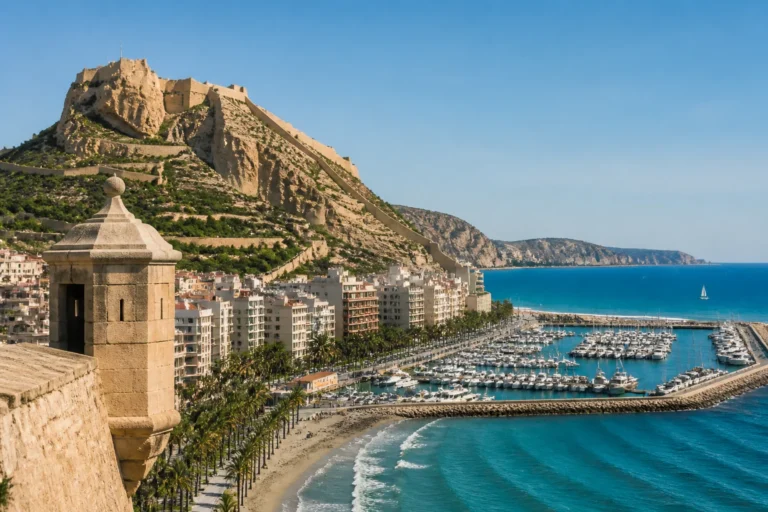
Alicante
Alicante is an easygoing Mediterranean city where a compact old centre, a long waterfront and a busy local food…
Explore destination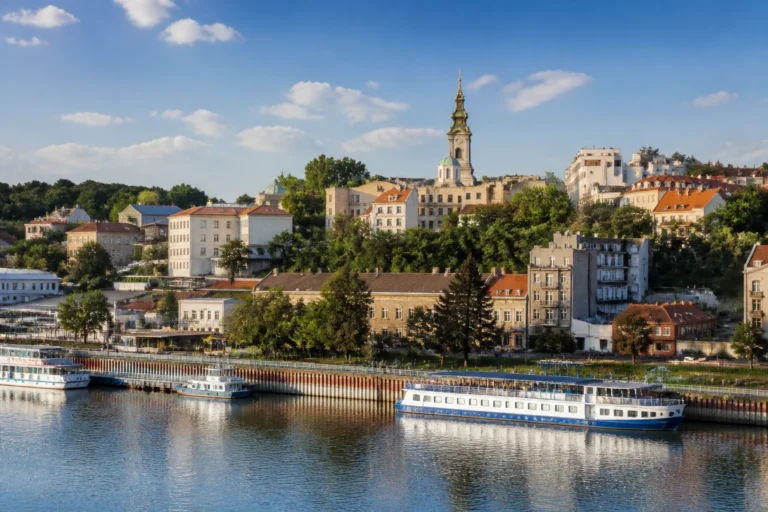 AI illustration
Belgrade
Belgrade is a lively, layered capital where river views, café culture, history and a strong nightlife scene sit side…
Explore destination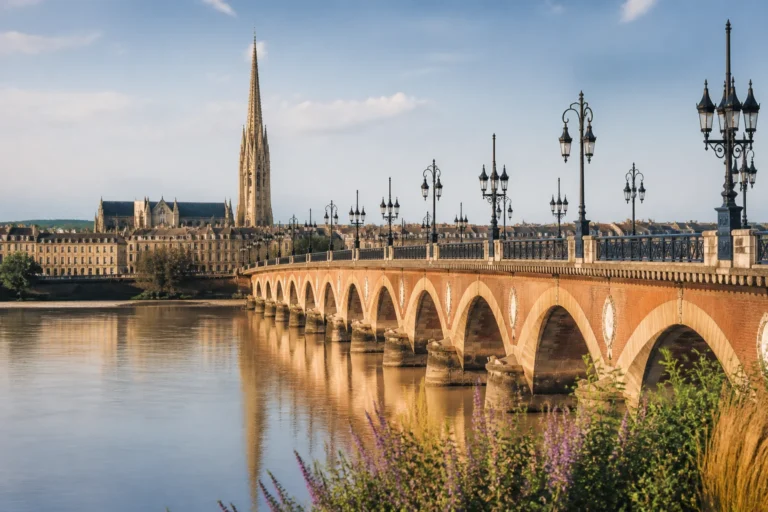 AI illustration
Bordeaux
Bordeaux is one of France’s most rewarding city breaks: elegant enough for a special trip, yet relaxed enough for…
Explore destination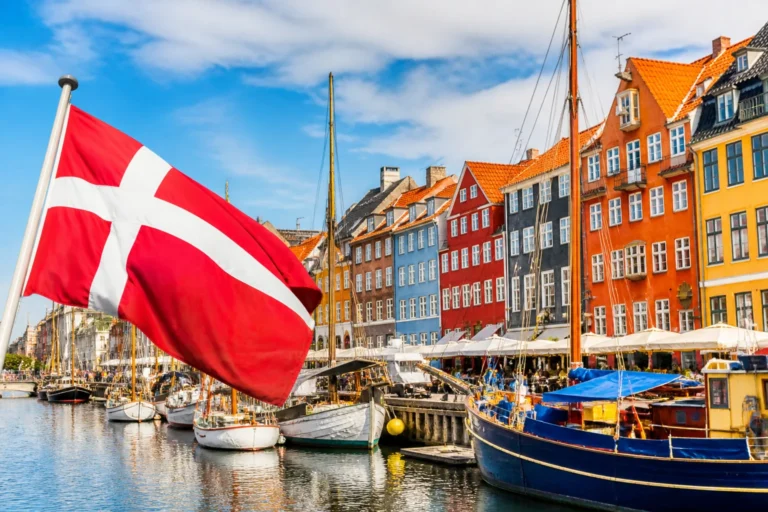 AI illustration
Copenhagen
Copenhagen is an easy city to explore on foot, by bike, and by public transport, with a mix of…
Explore destination