
Denmark · Europe
Copenhagen City Guide for Independent Travellers
Copenhagen is an easy city to explore on foot, by bike, and by public transport, with a mix of historic waterfronts, modern design, and neighbourhoods that feel distinct without being overwhelming. It suits a short city break as well as a slower stay, especially if you want good museums, café culture, and a compact centre that rewards wandering. This guide focuses on practical ways to plan a trip to Copenhagen from a European traveller’s point of view.
Find flights to Copenhagen ↓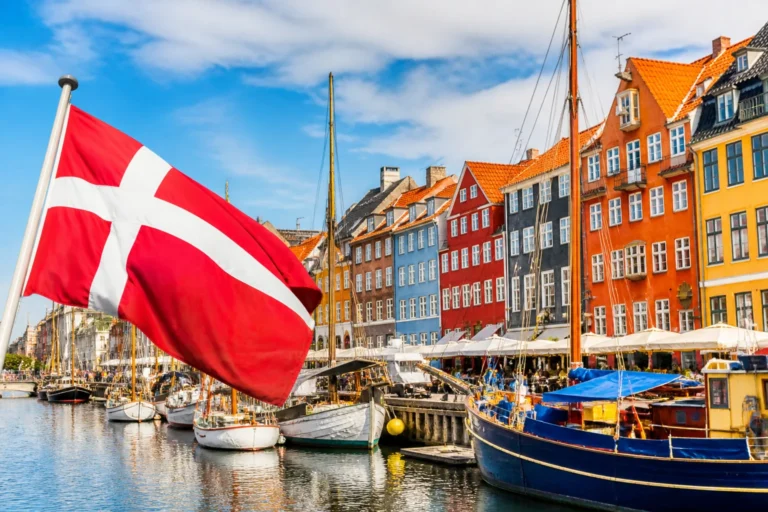 AI illustration
Find flights to Copenhagen
Compare flights · EURAbout Copenhagen
Copenhagen is Denmark’s capital and one of Europe’s most comfortable cities for a first visit. The city centre is relatively compact, but it stretches across canals, islands, and waterfront districts, so even a simple walk can feel varied. Expect a mix of royal landmarks, contemporary architecture, local neighbourhoods, and plenty of places to pause for coffee or open-air views.
For independent travellers, the appeal is in the balance: the city is polished and orderly, yet not sterile; popular, yet still easy to navigate without rushing. English is widely used in tourist-facing settings, and the transport network makes it simple to move between the central areas, museums, and outer districts.
- Compact centre with distinct neighbourhoods
- Strong public transport and bike culture
- Good base for architecture, food, and waterfront walks
Things to Do in Copenhagen
Start with the classic central sights: the harbourfront around Nyhavn, the squares and pedestrian streets near Strøget, and the palace area around Amalienborg. These places are busy, but they help set the scene and are easy to combine in one walking loop. If you enjoy architecture, Copenhagen is also a city where newer neighbourhoods and waterfront developments are worth seeking out, not just the postcard landmarks.
Museums and cultural stops can be a good counterpoint to walking. Many visitors pair art, design, or history museums with a canal-side lunch or a neighbourhood café break. Tivoli Gardens is another major draw, especially if you like historic amusement parks and a lively evening atmosphere. For a slower day, explore Christianshavn, Refshaleøen, or other waterside areas where the city feels more spacious and less formal.
If you have more than a couple of days, spend time beyond the most obvious centre. Copenhagen’s neighbourhoods are part of the experience, and areas with local shops, bakeries, and parks give a better feel for daily life than the headline sights alone.
- Walk the historic centre and waterfront
- Visit at least one museum or design-focused attraction
- Spend time in a neighbourhood beyond the main tourist core
- Consider a canal or harbour area for a different city view
Best Time to Visit Copenhagen
Copenhagen works in every season, but the experience changes noticeably through the year. Late spring and summer usually bring the most outdoor life, with long daylight hours, café terraces, harbour swims for some locals, and more energy in parks and waterfront spaces. This is the easiest time for walking and cycling, though it is also when the city is busiest.
Autumn can be a strong choice if you prefer a calmer atmosphere and do not mind shorter days. Winter is atmospheric, especially around lights, cafés, and indoor cultural stops, but it is sensible to plan for more time inside and to keep your itinerary flexible. If you are hoping to maximise outdoor time, choose the milder months; if you value fewer crowds, look outside the peak holiday period.
- Late spring and summer suit outdoor exploring
- Autumn can feel calmer and still very enjoyable
- Winter is best for museum-heavy, café-oriented trips
How Long to Stay
Two full days are enough to see the main central areas and get a sense of the city. That gives you time for the harbourfront, a few key sights, one major cultural stop, and an evening in a neighbourhood that feels more local. Three days is a better balance if you want to move at an unhurried pace and include more than the headline attractions.
If Copenhagen is part of a wider Denmark or Scandinavia trip, even a short stay can work well because the city is efficient to navigate. For a first visit, though, allow enough time to enjoy the city’s rhythm rather than trying to tick off too many sights in one day. Copenhagen is better experienced in layers than in a checklist.
- 2 days for the essentials
- 3 days for a more relaxed first visit
- Longer stays suit neighbourhood exploring and slower travel
Airports and Transport
Most travellers arrive at Copenhagen Airport, which has straightforward links into the city by rail and metro. The journey into the centre is usually simple to understand, and the main challenge is less about connection and more about choosing the right neighbourhood to stay in. If you are connecting from elsewhere in Europe, Copenhagen is often an easy city for a short break because the airport is well integrated with local transport.
Within the city, public transport is practical and covers most traveller needs. Trains, metro, and buses can all be useful depending on where you are staying and what you plan to visit. Cycling is also a major part of everyday life here, but only choose it if you are comfortable with urban bike traffic and local rules. For many visitors, walking combined with public transport is the easiest and least stressful approach.
- Copenhagen Airport is the main gateway
- Metro and rail are practical for reaching the centre
- Walking and public transport work well for most itineraries
Where to Stay in Copenhagen
For a first visit, staying near the historic centre, the main station area, or close to a metro stop can make sightseeing much easier. These locations are convenient for arrivals, dining, and getting around, and they reduce the need for long transfers after a day of walking. If you want a more polished city-break feel, central areas are usually the simplest choice.
Neighbourhoods outside the core can offer better value for travellers who do not mind using transport. Areas such as Vesterbro, Nørrebro, and parts of Christianshavn each have a different character, from lively and food-focused to quieter and more residential. The best area depends on whether you want nightlife, local cafés, easy museum access, or a calmer base.
- Central areas are best for first-time visitors
- Vesterbro and Nørrebro suit a more local feel
- Choose near a metro stop if you plan to move around often
Practical Tips for Copenhagen
Copenhagen is straightforward, but a few habits make the trip smoother. Plan some indoor options even in warmer months, because waterfront walks, bike rides, and outdoor sightseeing can be affected by wind or rain. Comfortable shoes matter more than formal itineraries, since the city rewards moving between districts on foot. If you want to use a bike, pick routes and rental options that suit your confidence level rather than assuming every street feels relaxed.
The city is generally geared toward card and digital payment, but it is still sensible to carry a little flexibility for small purchases or transport needs. Restaurant booking is worth considering for popular places, especially at peak times or on weekends. Finally, keep your schedule loose enough to linger: one of the strengths of Copenhagen is that it works best when you leave room for cafés, detours, and a second look at places you first passed quickly.
- Pack for changing weather and outdoor walking
- Book popular restaurants in advance if possible
- Leave time for cafés, canals, and unplanned detours
Frequently asked questions about Copenhagen
Is Copenhagen a good city for a short break?
Yes. Copenhagen works well for two or three days because the centre is compact, transport is easy to use, and many of the main sights are close together.
Do I need a bike to enjoy Copenhagen?
No. Cycling is part of city life, but you can see a lot on foot and by public transport. A bike is optional rather than essential for a short visit.
Which area is best for first-time visitors?
Central areas near the historic core, the main station, or a metro stop are usually the most convenient for a first stay, especially if you want easy sightseeing and simple airport access.
Is Copenhagen walkable?
Yes, especially in the centre and along the waterfront. You may still want to use metro or train for longer cross-city moves or if your hotel is outside the core.
What is Copenhagen known for?
Copenhagen is known for its waterfront scenery, design culture, historic centre, bike-friendly streets, and a strong café and restaurant scene.
Should I plan for indoor activities as well?
Yes. Even in milder months it is sensible to have a few indoor options such as museums, galleries, or cafés, so your plans stay flexible if the weather changes.
Travel information can change. Check official transport operators and attraction websites before booking.
Prepared with AI assistance and reviewed by the FlyGo editor.
Editorial review: 6 Oct 2026
More destinations to explore
 AI illustration
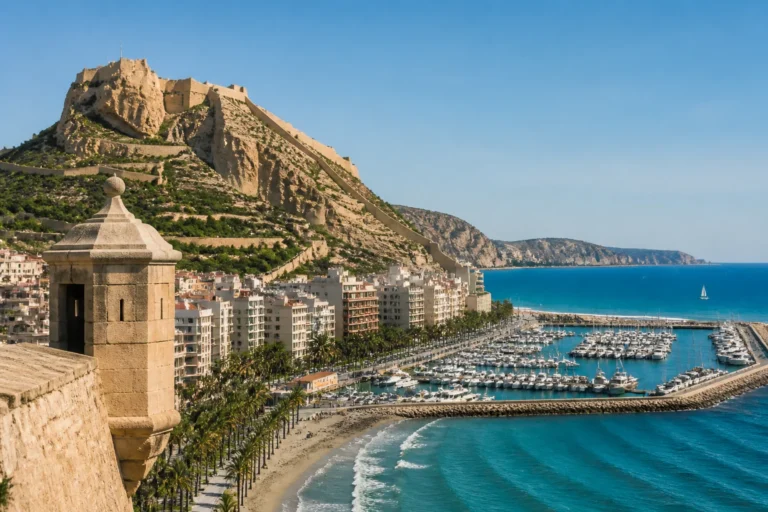
Alicante
Alicante is an easygoing Mediterranean city where a compact old centre, a long waterfront and a busy local food…
Explore destination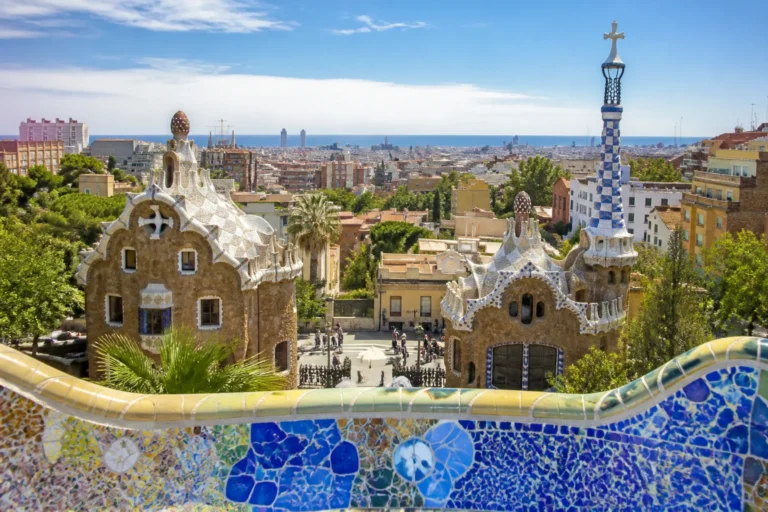 AI illustration
Barcelona
Barcelona mixes a compact city break with beach time, neighbourhood wandering and a strong food-and-culture scene. For European independent…
Explore destination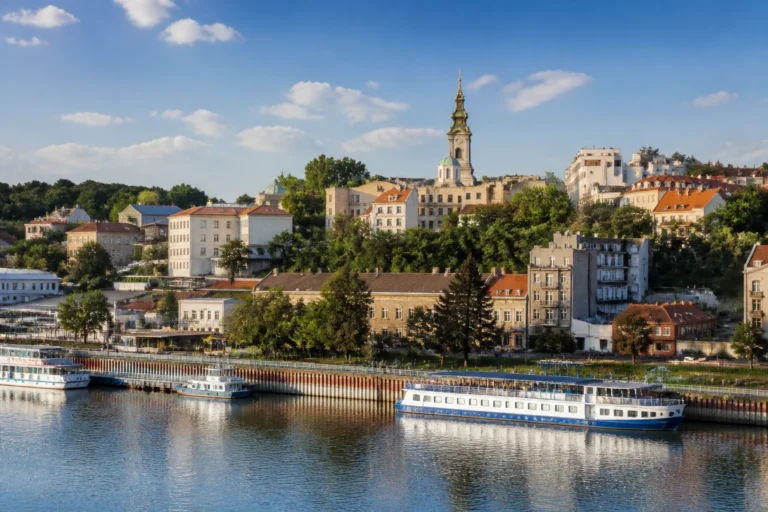 AI illustration
Belgrade
Belgrade is a lively, layered capital where river views, café culture, history and a strong nightlife scene sit side…
Explore destination AI illustration
Bordeaux
Bordeaux is one of France’s most rewarding city breaks: elegant enough for a special trip, yet relaxed enough for…
Explore destination