
Serbia · Europe
Belgrade Travel Guide for Independent European Travellers
Belgrade is a lively, layered capital where river views, café culture, history and a strong nightlife scene sit side by side. It works well for a short city break or as part of a wider Balkan itinerary, especially if you like walkable neighbourhoods, affordable dining and a mix of old and new architecture. This guide focuses on practical ways to see the city at your own pace.
Find flights to Belgrade ↓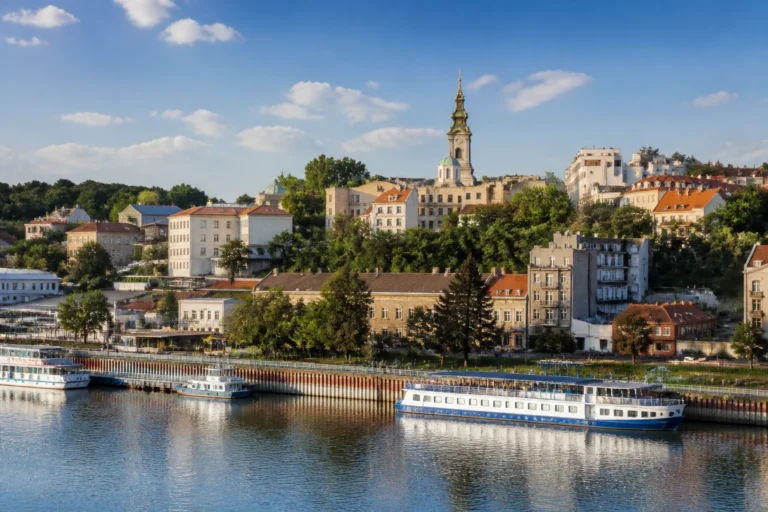 AI illustration
Find flights to Belgrade
Compare flights · EURAbout Belgrade
Belgrade sits at the meeting point of the Sava and Danube rivers, and that geography shapes much of the city’s character. The historic centre, riverbanks and hilltop fortress are easy reference points, but the atmosphere changes quickly from one district to another. You can move from quiet pedestrian streets and museum areas to busy nightlife zones in a short walk or tram ride.
For many travellers, Belgrade’s appeal lies in its contrast. There is Austro-Hungarian elegance in some streets, socialist-era blocks in others, and a constantly evolving contemporary food and bar scene. It is also a city that rewards lingering: coffee breaks, bakery stops, riverside walks and unhurried evenings are part of the experience rather than something to rush through.
- River confluence setting with strong viewpoints
- Mix of historic districts and modern café culture
- Good base for a short city break or regional trip
Things to do in Belgrade
Start with Belgrade Fortress and Kalemegdan Park, the city’s most important landmark and one of the best places to understand its layout. The fortress grounds offer broad views over the rivers, open green space, and a useful introduction to the city’s long military and imperial history. From there, it is easy to continue into the Old Town and central pedestrian streets.
Skadarlija is often called the bohemian quarter, and while it is more polished than in the past, it remains useful for an evening stroll, traditional restaurants and live music. For a different side of the city, explore Zemun along the river, where the pace feels slower and the streets are more intimate. The modern energy of Belgrade is also visible in its café culture, galleries, and nightlife around central neighbourhoods and the river clubs, though the latter are very seasonal and worth checking carefully before you go.
If you want a fuller picture of the city, add a museum or two rather than trying to see everything. The Museum of Yugoslavia and the Nikola Tesla Museum are common choices for travellers interested in modern history and science, while many visitors also enjoy simple neighbourhood wandering, markets and bakery stops. Belgrade works well when you balance the headline sights with ordinary street life.
- Belgrade Fortress and Kalemegdan Park
- Skadarlija for traditional dining and evening atmosphere
- Zemun for riverside walks and a calmer feel
- Museums for history, Yugoslavia and science
Best time to visit Belgrade
Belgrade can be visited year-round, but spring and early autumn are often the most comfortable times for walking and sightseeing. In those seasons, outdoor cafés, parks and riverfront areas tend to be especially pleasant, and the city’s outdoor life is easier to enjoy. Summer can be lively and social, though heat may make midday exploring tiring.
Winter is quieter and still workable for a city break, particularly if your plans focus on museums, restaurants and nightlife rather than long outdoor walks. If you are sensitive to heat or prefer a more relaxed pace, aim for the milder months and plan some indoor stops alongside the main sights. Major holidays and festival periods can change the feel of the city, so it is worth checking local calendars when planning.
- Spring and early autumn suit walking and café time
- Summer brings a more outdoor, social atmosphere
- Winter is better for museums and food-focused trips
How long to stay in Belgrade
A weekend is enough for the main highlights if you focus on the fortress, central streets, one museum and a neighbourhood such as Skadarlija or Zemun. That works well for first-time visitors who want a compact urban break without too much movement between areas.
If you have three to four days, the city feels much more rounded. You can slow down, add time for riverside walks, markets, café stops and a second museum or gallery, and still leave space for an evening out. Longer stays are useful if you want to explore beyond the centre, experience more neighbourhood variety, or use Belgrade as a base for day trips in Serbia, subject to your transport plans.
- 2 days for the core sights and one evening district
- 3–4 days for a more balanced city experience
- Longer stays suit neighbourhood exploring and day trips
Airports and transport
Belgrade is served by Belgrade Nikola Tesla Airport (BEG). From the airport, travellers generally use taxis, airport transfer services or public transport connections into the city. Because services, routes and regulations can change, it is sensible to confirm the current arrangement with official airport and transport sources before you travel.
In the city, getting around is usually a mix of walking, trams, buses and taxis. Central Belgrade is best explored on foot where possible, but distances can become tiring between neighbourhoods, and some streets are steep or busy. If you plan to use taxis, stick to licensed options and check the fare method in advance. For visitors who like simple logistics, staying near the centre or along a well-connected corridor makes movement much easier.
- Belgrade Nikola Tesla Airport is the main gateway
- Walking works well in the centre
- Trams and buses help connect wider districts
- Use licensed taxis or official transfer options
Where to stay in Belgrade
The Old Town and nearby central areas are the most convenient choice for a first visit. Staying here puts you close to the fortress, main pedestrian streets, restaurants and many tram or bus links. It is the easiest base if you want to see the city mainly on foot and keep logistics simple.
If you prefer atmosphere over convenience, Skadarlija and the surrounding streets offer a characterful setting with easy access to dining and nightlife. For a calmer riverside feel, Zemun is appealing, especially for travellers who enjoy walking by the water and spending evenings in a more local-feeling district. In each case, check whether your accommodation is in a noise-sensitive area if you want a quiet night’s sleep, as parts of central Belgrade can be lively after dark.
- Old Town for first-time visitors and easy sightseeing
- Skadarlija for dining and nightlife nearby
- Zemun for riverside stays and a slower pace
Practical tips for Belgrade
Belgrade is best enjoyed with a flexible plan. Distances can look short on a map, but traffic, hills and detours may slow you down, so leave room between appointments or museum visits. Cash, cards and contactless payments may all be used in different places, so it is sensible to carry a backup payment method and some local currency for smaller purchases.
Language is not usually a major barrier in tourist areas, but learning a few basic Serbian phrases is appreciated. For dining, nightlife and transport, ask about opening times and arrangements directly with the venue or official operator rather than relying on assumptions. Finally, if you are planning a summer evening by the river or a late-night return, think ahead about your route back to accommodation so the city remains enjoyable at all hours.
- Leave extra time for traffic and walking detours
- Carry a backup payment method
- Check current opening times with venues and operators
- A few Serbian phrases can be useful and appreciated
Frequently asked questions about Belgrade
Is Belgrade easy to explore on foot?
The centre is very walkable, especially around the fortress, main squares and pedestrian streets. For longer hops, trams, buses or taxis can be useful, since some neighbourhoods are spread out and traffic can slow journeys.
What is Belgrade best known for?
Belgrade is known for its riverside setting, fortress, café culture and nightlife. It also has a strong sense of history, with layers from Ottoman, Austro-Hungarian, Yugoslav and modern Serbian periods visible across the city.
Which area is best for first-time visitors?
The Old Town and nearby central districts are the most practical for a first stay. They place you close to major sights, dining options and transport links, so you can see a lot without relying heavily on taxis.
Can I visit Belgrade in winter?
Yes. Winter is a good time if you prefer museums, indoor attractions and restaurants over long outdoor sightseeing. Just build your plans around shorter daylight hours and check opening times in advance.
Is Belgrade suitable for a short city break?
Yes, Belgrade works very well for a short break. A weekend can cover the main highlights, while three or four days give you time to add neighbourhood walks, river views and a more relaxed pace.
Should I use official transport information before arriving?
Yes. Airport access, bus and tram services, and taxi arrangements can change, so it is wise to confirm details with official operators or your accommodation before you travel.
Travel information can change. Check official transport operators and attraction websites before booking.
Prepared with AI assistance and reviewed by the FlyGo editor.
Editorial review: 6 Oct 2026
More destinations to explore
 AI illustration
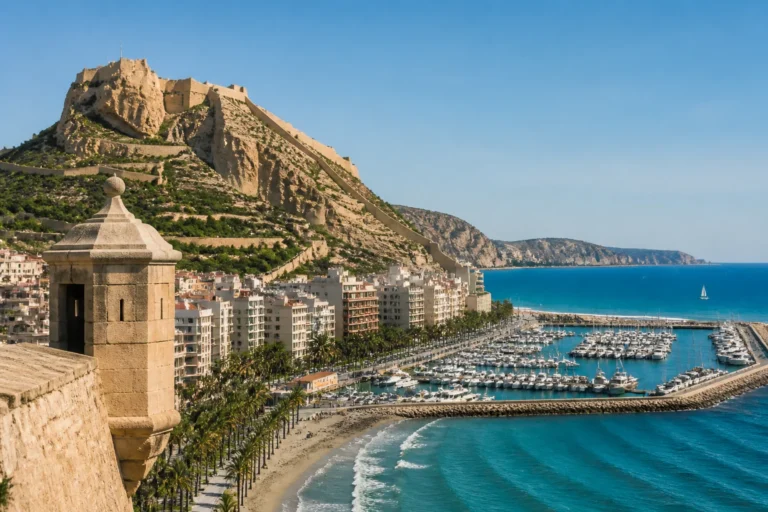
Alicante
Alicante is an easygoing Mediterranean city where a compact old centre, a long waterfront and a busy local food…
Explore destination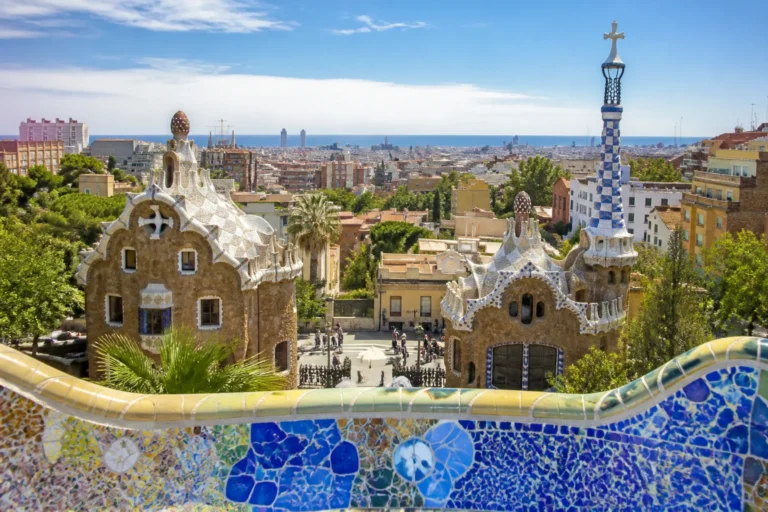 AI illustration
Barcelona
Barcelona mixes a compact city break with beach time, neighbourhood wandering and a strong food-and-culture scene. For European independent…
Explore destination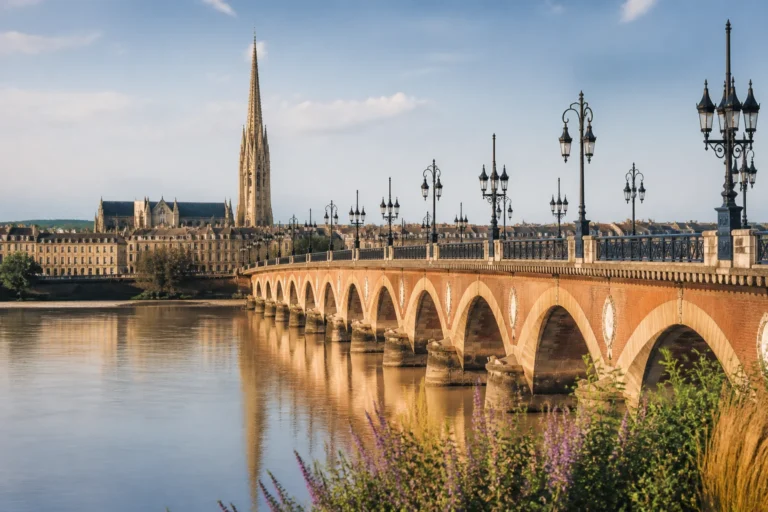 AI illustration
Bordeaux
Bordeaux is one of France’s most rewarding city breaks: elegant enough for a special trip, yet relaxed enough for…
Explore destination AI illustration
Copenhagen
Copenhagen is an easy city to explore on foot, by bike, and by public transport, with a mix of…
Explore destination