
Spain · Europe
Alicante Travel Guide for Independent Travellers
Alicante is an easygoing Mediterranean city where a compact old centre, a long waterfront and a busy local food scene make short breaks feel very manageable. It works well as a base for beach time, city wandering and day trips along Spain’s Costa Blanca. For independent travellers, the appeal is straightforward: you can arrive, settle in without much fuss and mix sightseeing with relaxed coastal downtime.
Find flights to Alicante ↓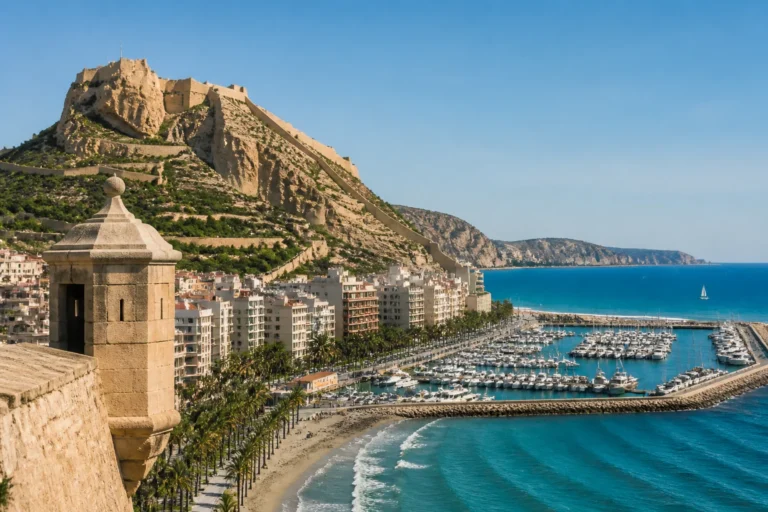 AI illustration
Find flights to Alicante
Compare flights · EURAbout Alicante
Alicante sits on Spain’s south-eastern coast and has a strong local identity shaped by the sea, port activity and a long history of trade and settlement. The city is compact enough to explore on foot in the centre, yet large enough to offer distinct districts, a working harbour, urban beaches and easy access to the wider Costa Blanca.
For visitors, Alicante tends to suit a slower style of travel. You can spend the morning in the old town, the afternoon by the water and the evening eating tapas or seafood on a terrace. It is also a practical city for travellers who prefer a destination with straightforward transport links and a mix of beach and urban experiences.
- Compact centre with an easy waterfront setting
- Good mix of beach, history and local dining
- Useful base for Costa Blanca day trips
Things to do in Alicante
Start with the historic centre, where narrow streets, plazas and church squares give you a sense of the city’s older layers. The Santa Cruz quarter is especially rewarding for a walk, with steep lanes, small houses and views that remind you Alicante is built around a hill as well as the coast. Nearby, the castle above the city is one of the most recognisable landmarks and helps orient you quickly.
The Explanada de España and the harbourfront are among the city’s most pleasant areas for an unhurried stroll. They connect naturally with the beaches, which make it easy to move from sightseeing to a swim or a long lunch. If you have more time, look beyond the central sights to markets, neighbourhood cafés and boat excursions, or use Alicante as a base for nearby coastal towns and inland villages.
Food is another strong part of the experience. Rice dishes are central to the local table, and Alicante is a good place to try regional Mediterranean cooking without overcomplicating your plans. Even a short stay can include a market visit, a casual tapas meal and time to watch daily life unfold around the marina or in the older streets.
- Walk the Santa Cruz quarter and old town streets
- Visit the castle for city and sea views
- Stroll the Explanada and harbourfront
- Use the city as a base for Costa Blanca trips
Best time to visit Alicante
Alicante can be visited year-round, but the best time for most independent travellers is usually spring or early autumn, when temperatures are often more comfortable for walking and outdoor meals. These shoulder seasons are also better suited to city exploring, castle visits and longer strolls along the promenade.
Summer brings the strongest beach appeal and the liveliest atmosphere, but it can also mean more heat and busier waterfront areas. Winter is generally quieter and can work well if your priority is a relaxed city break rather than full beach time. If you are planning around local festivals or school holiday periods, expect the city to feel busier and book accommodation earlier than usual.
- Spring and early autumn suit mixed city-and-beach trips
- Summer is best for a stronger seaside focus
- Winter is quieter and more relaxed
How long to stay in Alicante
A one-night stop can work if you only want a quick look at the old town, waterfront and castle. However, Alicante becomes more rewarding with a little extra time, because the city is enjoyable at an unhurried pace and the best parts are easy to spread across a couple of days.
Two to three nights is a sensible length for many travellers. That gives you enough time for the main sights, a beach break, a proper meal or two and perhaps a half-day excursion nearby. If you want to use Alicante as a base for the wider region, add another night or two so you are not rushing between coastal transport links, day trips and downtime.
- 1 night for a quick city stop
- 2–3 nights for a balanced short break
- Longer stays suit day trips and beach time
Airports and transport
Alicante-Elche Miguel Hernández Airport is the main arrival point for the city and region. From there, travellers usually continue into the centre by taxi, bus or pre-arranged transfer, depending on luggage and arrival time. As with any airport route, it is worth checking current operator information before you travel, especially if you are connecting late in the day.
Within Alicante, the centre is walkable and many visitors rely on their feet for the old town, promenade and nearby beaches. Local buses can help with longer cross-town journeys, while taxis are useful for direct point-to-point travel. If you plan day trips along the coast, rail and coach options may be available to nearby towns, but schedules and service patterns should always be confirmed with the official operators before you set out.
- Airport access is straightforward by taxi, bus or transfer
- Central Alicante is easy to explore on foot
- Check official operators for regional rail and coach details
Where to stay in Alicante
For first-time visitors, staying near the old town or close to the waterfront makes the city easiest to navigate. These areas put restaurants, historic streets and promenade walks within reach, and they reduce the need for transport after dinner. They are especially convenient if you want to see the main sights in a short visit.
If your priority is the beach, look for accommodation closer to the main waterfront and coastal stretches so you can move between swimming, lunch and rest without much planning. Travellers who prefer a calmer stay may want residential neighbourhoods a little away from the busiest central streets, where the atmosphere is less intense but still connected enough for easy access to the city centre. Families and longer-stay visitors often benefit from apartments, while couples and solo travellers may prefer compact central hotels for convenience.
- Old town for sightseeing and evening dining
- Waterfront for easy beach access
- Quieter residential areas for a slower pace
Practical tips for Alicante
Alicante is fairly straightforward for independent travellers, but a few habits make the trip smoother. Plan your sightseeing around the warmest part of the day if you are visiting in hotter months, and keep a flexible pace so you can pause for shade, coffee or a long lunch. Good walking shoes are useful, especially if you spend time in the hillier old quarters or plan to visit the castle area.
It also helps to keep transport simple. Use the city centre on foot where possible, and only rely on taxis or buses for longer stretches. For meals, a relaxed schedule works well because many people eat later than some northern European visitors may expect. Finally, if you are combining Alicante with nearby towns or beaches, build in a little buffer time so your day trips do not feel rushed. Official websites and local operators remain the best place to check current connections and practical details.
- Walk the centre and carry comfortable shoes
- Allow time for breaks in warm weather
- Check official transport details before day trips
Frequently asked questions about Alicante
Is Alicante good for a short city break?
Yes. Alicante works well for a short break because the centre, waterfront and main sights are close together, so you can see a lot without complicated planning.
Do you need a car in Alicante?
Not for the city itself. Most visitors can rely on walking, local buses and taxis. A car is more useful if you want to explore beyond the city on your own schedule.
Is Alicante mostly a beach destination?
It has a strong beach side, but it is more varied than that. You also get a historic centre, a castle, harbour views and a lively local food scene.
What kind of traveller suits Alicante best?
Alicante suits independent travellers who like a mix of easy sightseeing, coastal walks, casual dining and flexible day trips rather than a tightly scheduled itinerary.
Can Alicante be used as a base for the Costa Blanca?
Yes. Its airport, rail and coach connections make it a practical base for exploring the surrounding coast, although you should check current transport details with official operators.
Travel information can change. Check official transport operators and attraction websites before booking.
Prepared with AI assistance and reviewed by the FlyGo editor.
Editorial review: 7 Oct 2026
More destinations to explore
 AI illustration
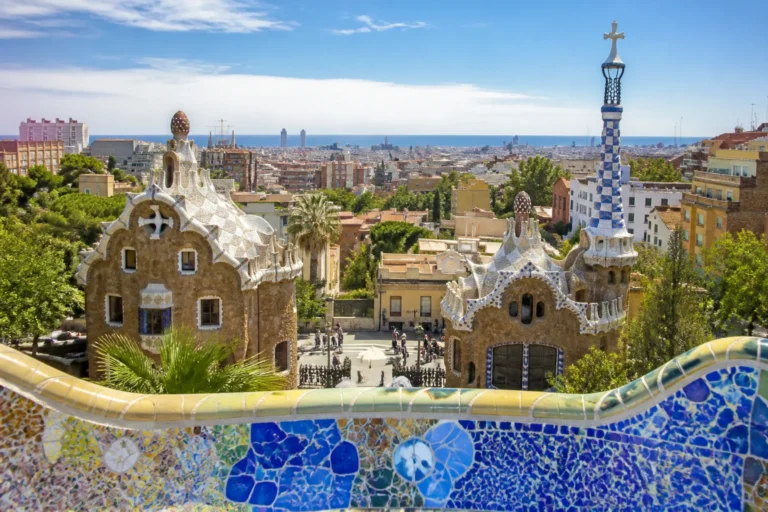
Barcelona
Barcelona mixes a compact city break with beach time, neighbourhood wandering and a strong food-and-culture scene. For European independent…
Explore destination AI illustration
Belgrade
Belgrade is a lively, layered capital where river views, café culture, history and a strong nightlife scene sit side…
Explore destination AI illustration
Bordeaux
Bordeaux is one of France’s most rewarding city breaks: elegant enough for a special trip, yet relaxed enough for…
Explore destination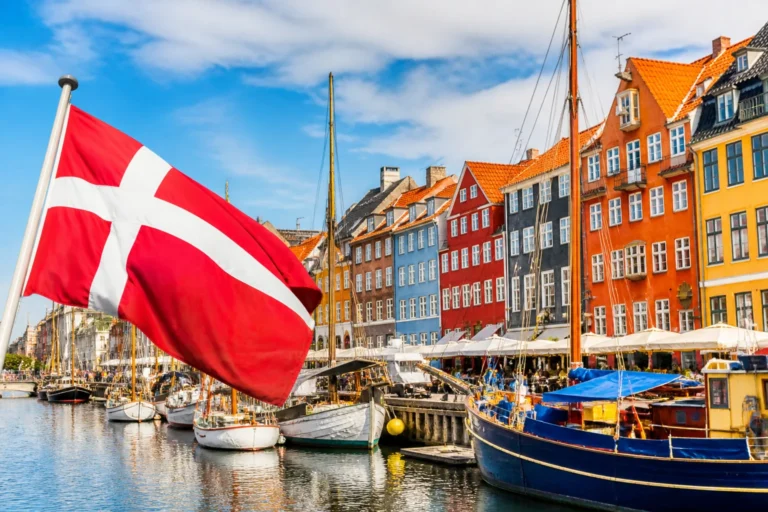 AI illustration
Copenhagen
Copenhagen is an easy city to explore on foot, by bike, and by public transport, with a mix of…
Explore destination