
France · Europe
Toulouse Travel Guide: What to See and How to Plan Your Trip
Toulouse, in south-west France, is known for its warm-toned brick architecture, lively central squares and strong links to aviation and space exploration. Its historic centre is compact enough to explore on foot, while museums, riverside walks and local food make it rewarding to take things at a slower pace. This guide covers what to see, where to stay and how to plan transport for a visit.
Find flights to Toulouse ↓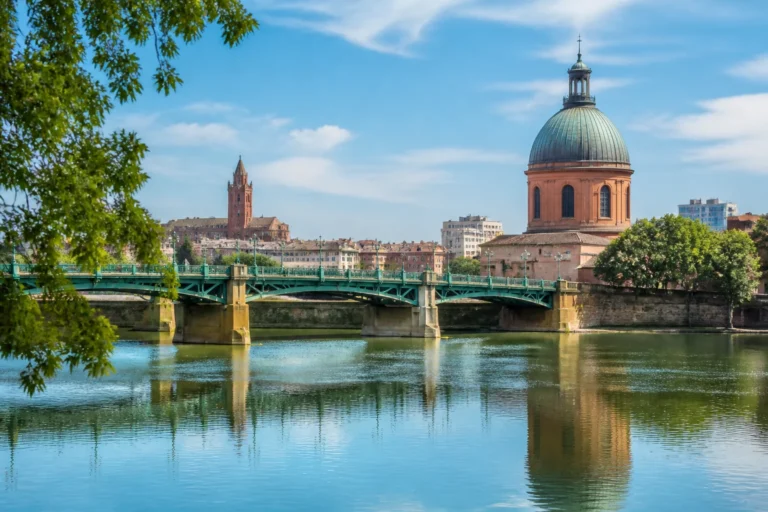 AI illustration
Find flights to Toulouse
Compare flights · EURAbout Toulouse
Toulouse is a major city in the Occitanie region of south-west France, set on the Garonne River. Its historic centre is often called the Ville Rose, or Pink City, because many buildings use warm-coloured brick. The result is a city with a distinct look, especially around Place du Capitole and the streets leading towards the river.
The city combines Romanesque heritage and café-lined squares with a modern reputation for aerospace and engineering. It suits travellers interested in architecture, food, museums and everyday city life, as well as those making a longer journey through the region. French is the main language; learning a few basic phrases can make routine interactions easier.
- Historic central streets and Place du Capitole
- Riverside walks along the Garonne
- Aerospace and space-themed museums
Things to do in Toulouse
Begin in the central squares and lanes around Place du Capitole, then visit the Basilica of Saint-Sernin, an important Romanesque church on the historic pilgrimage route to Santiago de Compostela. The Couvent des Jacobins offers another striking medieval landmark. Check access and opening arrangements before setting out, as these can vary.
For a change of pace, walk along the Garonne or explore the Canal du Midi, a UNESCO-listed waterway that passes through the city. Toulouse also has a strong aerospace identity: Cité de l’espace explores space and astronomy, while Aeroscopia focuses on aviation. These attractions are outside the compact historic core, so allow time to plan the journey and check current visitor information.
Food is part of the appeal. Look out for regional dishes such as cassoulet and Toulouse sausage, alongside market produce and neighbourhood cafés. A relaxed itinerary might pair a morning of sightseeing with a long lunch and an afternoon walk rather than trying to fit every museum into one day.
- Basilica of Saint-Sernin and Couvent des Jacobins
- Place du Capitole and the historic centre
- Canal du Midi and the Garonne riverbanks
- Cité de l’espace or Aeroscopia
Best time to visit Toulouse
Spring and early autumn are often comfortable periods for combining outdoor walks with sightseeing, though conditions vary from year to year. Summer can be hot, so plan outdoor activities for earlier or later in the day and check attraction opening times. Winter is generally a quieter option for museums and city breaks, but shorter daylight hours may affect plans for longer walks.
Consider the character of your trip as well as the season. If you want to spend more time outdoors, leave flexibility in the itinerary. For a museum-focused visit, indoor attractions make Toulouse workable in less settled weather too. Check local event dates before booking accommodation if you prefer a quieter stay or want to attend a particular festival.
How long to stay in Toulouse
Two full days give most first-time visitors time to see the central landmarks, enjoy a meal or two and walk by the river or canal. Add another day if you want to visit an aerospace museum without rushing, or prefer to explore neighbourhoods at a leisurely pace.
A longer stay can suit travellers using Toulouse as a base for exploring the wider region, but check journey times and transport options for any planned excursions. If your visit is short, group nearby sights together and avoid scheduling a distant attraction on the same day as several central stops.
- Two days for the historic centre and riverside
- Allow an extra day for a major museum or a slower pace
Toulouse airport and getting around
Toulouse-Blagnac Airport (TLS) is the main airport serving the city. It is located outside the historic centre, to the north-west. Travellers can generally choose between public transport, an airport bus or shuttle option, taxis and pre-arranged transfers; the best choice depends on arrival time, luggage and where you are staying. Check the airport and transport operators’ official information for current routes, service times, stops and disruption notices.
Once in the city, the central sights are easy to explore on foot. Toulouse also has a public transport network that includes metro, tram and buses, useful for reaching areas beyond the centre. Routes and ticket conditions can change, so consult the local operator before travelling. If arriving by train, Toulouse-Matabiau station is close enough to the centre for onward travel by local transport or taxi.
- Main airport: Toulouse-Blagnac (TLS)
- Walk for central sights; use local transport for longer distances
- Check official operators for up-to-date airport connections
Where to stay in Toulouse
The historic centre is a convenient choice for a first visit, with many major sights, restaurants and cafés within walking distance. Staying around Capitole puts you close to the main square and central streets. Carmes, just south of the core, has a neighbourhood feel and is well placed for exploring on foot.
Saint-Cyprien, across the Garonne, offers a different perspective while remaining close to the centre. The area around Matabiau can be practical for rail connections, particularly if you have an early train, though it is worth checking the exact location and walking route to your accommodation. Compare transport access, noise, cancellation terms and check-in arrangements rather than choosing by neighbourhood name alone.
- Capitole for central sightseeing
- Carmes for a central neighbourhood setting
- Saint-Cyprien for a riverside base
- Matabiau for convenient rail connections
Practical tips for visiting Toulouse
The centre is best explored with comfortable walking shoes: older streets can be uneven, and a visit often involves more walking than a map suggests. Carry a light layer for evenings or changing conditions, and keep some time free for breaks in a café or a covered market.
Plan ahead for attractions outside the centre, especially if you are travelling with children or have limited time. Confirm opening days, entry arrangements and local transport before you go. For flights, compare options by total journey time, departure and arrival airports, and connection details; FlyGo.si is a flight comparison and travel information website, not an airline or ticket issuer.
Toulouse makes a useful independent city break, but avoid overloading a short stay with distant stops. Group the historic centre together, then set aside a separate block of time for a museum or riverside walk. If you have specific dietary needs, check restaurant menus or ask staff directly, as dishes and preparation can differ.
Frequently asked questions about Toulouse
Which airport serves Toulouse?
Toulouse-Blagnac Airport, with the IATA code TLS, is the main airport serving Toulouse. Check official airport and transport operator information for current connections into the city.
How many days should I spend in Toulouse?
Two full days work well for the central landmarks and a riverside walk. Consider three days if you want to visit an aerospace attraction or explore at a more relaxed pace.
Is Toulouse easy to explore without a car?
The historic centre is walkable, and local public transport can help with longer journeys. Check current routes and services if you plan to visit attractions outside the centre.
What is Toulouse known for?
Toulouse is known for its brick architecture, historic landmarks, regional food and aerospace industry. The nickname Ville Rose refers to the warm colour of many buildings in the city.
Where is a convenient area to stay in Toulouse?
The historic centre around Capitole is convenient for many first-time visitors. Carmes and Saint-Cyprien are alternatives close to central sights, while Matabiau can suit travellers prioritising rail connections.
Travel information can change. Check official transport operators and attraction websites before booking.
Editorial review: 23 Oct 2026
More destinations to explore
 AI illustration
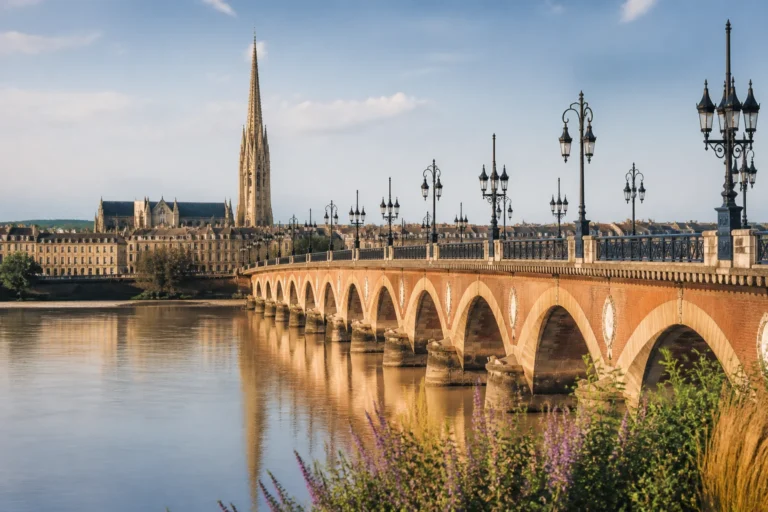
Bordeaux
Bordeaux is one of France’s most rewarding city breaks: elegant enough for a special trip, yet relaxed enough for…
Explore destination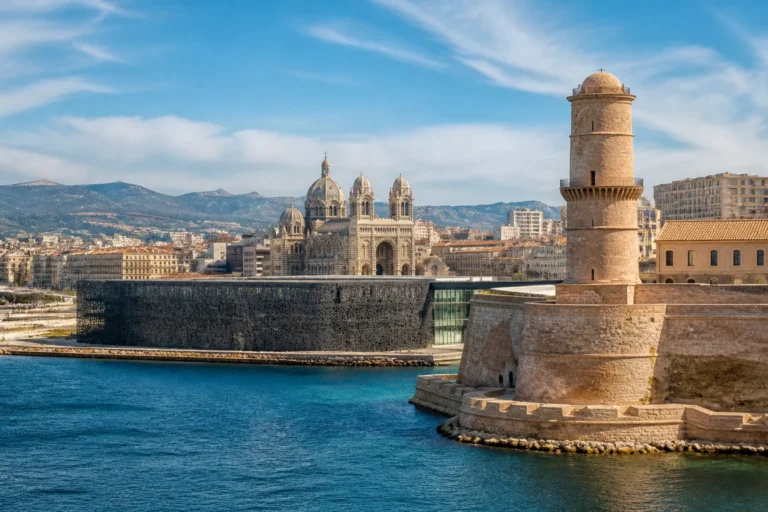 AI illustration
Marseille
Marseille combines a busy Mediterranean port with historic streets, lively markets and access to the Calanques’ coastal scenery. Its…
Explore destination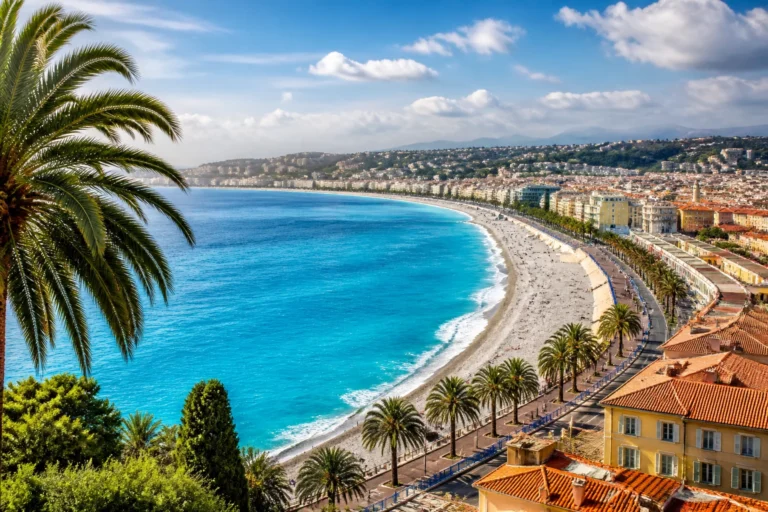 AI illustration
Nice
Nice pairs a walkable historic centre with Mediterranean sea views and easy access to the wider French Riviera. Spend…
Explore destination AI illustration
Paris
Paris rewards slow travel: museum-heavy days, long walks along the Seine, neighbourhood cafés, and compact districts that each feel…
Explore destination