
Germany · Europe
Dusseldorf Travel Guide for Independent Travellers
Dusseldorf is a compact, easy-to-navigate city on the Rhine with a strong mix of business energy, art, riverfront walks, and lively neighbourhoods. It works well for a short city break, a stop on a wider Germany itinerary, or a base for exploring the Ruhr and Rhine region. This guide focuses on practical planning for independent travellers: what to see, how to get around, where to stay, and how to make the most of your time.
Find flights to Dusseldorf ↓ AI illustration
Find flights to Dusseldorf
Compare flights · EURAbout Dusseldorf
Dusseldorf is the capital of North Rhine-Westphalia and one of western Germany’s most polished cities, but it also has a relaxed, walkable feel along the Rhine. The city is known for its fashion and trade-fair scene, contemporary art, old-town pubs, and a strong Japanese community that gives parts of town a distinct culinary character.
For visitors, the appeal is often in the balance: you can spend the morning in museums or shopping streets, then move to the river promenade or a neighbourhood beer hall in the evening. The centre is compact enough for short stays, while public transport makes it easy to reach outlying districts and nearby cities.
- Compact centre with good public transport
- Strong mix of culture, shopping, and riverfront life
- Useful base for day trips in the Rhine-Ruhr region
Things to Do in Dusseldorf
Start with the Altstadt, the historic old town, where narrow streets, churches, squares, and pubs create the city’s best-known social scene. Nearby, the Rheinuferpromenade is ideal for a slow walk or bike ride, with wide views of the Rhine and plenty of places to pause. The contrast between the historic core and the modern riverfront is part of Dusseldorf’s character.
For art and design, head to the museums and galleries around the central districts, or explore the city’s newer architecture and shopping areas. The MedienHafen stands out for its contemporary buildings and waterfront atmosphere, while Königsallee is the place to see the city’s more formal side, with elegant storefronts and canal-side streets. If you enjoy food-focused travel, consider the Japanese quarter around Immermannstraße for ramen, bakeries, and supermarkets that make an easy lunch stop.
- Walk the Altstadt and the Rhine promenade
- Visit modern architecture around MedienHafen
- Browse museums, galleries, and design-forward streets
- Explore the Japanese quarter for food and everyday city life
Best Time to Visit Dusseldorf
Dusseldorf can be visited year-round, but the experience changes with the season. Spring and early autumn are often the most comfortable for walking, riverside time, and outdoor café culture. These shoulder seasons also suit travellers who want the city without the busiest event crowds.
Summer brings longer evenings and a livelier riverfront, while winter can be appealing for museums, restaurants, and festive city-centre atmosphere. If you are planning to visit during major fairs, Carnival, or holiday periods, expect accommodation and transport to feel busier than usual and book earlier than you might for a normal weekend trip.
- Spring and early autumn are good for comfortable sightseeing
- Summer suits long evenings and the riverfront
- Winter is better for indoor culture and festive city-centre trips
How Long to Stay in Dusseldorf
A full day can cover the main centre, the Altstadt, and a riverside walk, especially if you are arriving as part of a longer trip. With two days, you can add museums, shopping streets, the Japanese quarter, and a more relaxed evening in a different neighbourhood.
Three days is a sweet spot if you want to visit at an unhurried pace and leave room for a side trip or a more local experience, such as café hopping, neighbourhood dining, or a visit to a nearby Rhine or Ruhr destination. Longer stays make most sense if you are using Dusseldorf as a base for work, events, or regional rail trips.
- 1 day: quick city-centre overview
- 2 days: best for main sights and a relaxed evening
- 3 days: ideal if you want a side trip or slower pace
Airports and Transport
Dusseldorf Airport is the main air gateway and is well connected to the city by rail and local transport. Depending on where you stay, you may also find it convenient to arrive via regional or long-distance rail links, especially if you are combining Dusseldorf with other German or Benelux cities. For current connections, check official airport and rail operator information rather than relying on assumptions, as services can change.
In the city, public transport is usually the easiest way to move between districts. Trains, trams, and buses cover the centre and beyond, and walking works well for the old town, promenade, and nearby shopping areas. Taxis and ride-hailing options may be useful late at night or when travelling with luggage, but most independent travellers can manage comfortably without a car unless they plan wider regional exploration.
- Dusseldorf Airport is the main air hub
- Rail is useful for arrivals from other German or nearby European cities
- Public transport and walking are usually enough for central sightseeing
Where to Stay in Dusseldorf
For a first visit, staying near the city centre or Altstadt is practical because many attractions, restaurants, and transport links are within easy reach. This is a good choice if you want to do most things on foot and enjoy the classic Dusseldorf atmosphere in the evening. It can also be lively, so it suits travellers who do not mind some nightlife.
If you prefer a calmer base, look at districts just outside the busiest core, where you may get easier access to restaurants and better sleeping conditions while still being close to the centre. Business travellers often choose areas near the station or trade-fair connections, while design-conscious visitors may prefer the more modern waterfront districts.
- Altstadt and centre for first-time visitors
- Outer central districts for a quieter night
- MedienHafen or business areas for modern hotels and convenient connections
Practical Tips for Visiting Dusseldorf
Dusseldorf is easy to enjoy if you keep a few local habits in mind. Card payments are widely accepted in many places, but it is still sensible to carry some cash for smaller purchases or casual spots. On busy evenings, especially in nightlife areas and around events, reservations can help with restaurants and hotels.
The city is known for a friendly but efficient pace, so a little planning goes a long way. If you want to compare neighbourhoods before booking, think about whether your priority is walking access, nightlife, quieter evenings, or quick rail connections. For up-to-date transport, museum, and event information, check official city or operator websites before you travel.
- Carry some cash for smaller purchases
- Book early for major fairs or busy weekends
- Choose a neighbourhood based on nightlife, quiet, or transport access
Frequently asked questions about Dusseldorf
Is Dusseldorf easy to visit without a car?
Yes. The centre is walkable, and public transport is usually enough for getting between the main districts, the station area, and the airport connection. A car is more useful only if you plan day trips that are less well served by rail.
What is Dusseldorf best known for?
It is known for the Altstadt, the Rhine promenade, contemporary architecture in the MedienHafen, shopping on Königsallee, and a strong food scene that includes the Japanese quarter.
Is Dusseldorf a good base for day trips?
Yes. It works well as a base for the wider Rhine-Ruhr area and nearby cities, especially if you are happy using regional trains. Check connections in advance if your trip depends on specific return times.
Which area is best for first-time visitors?
The city centre or Altstadt is the most convenient choice for a first stay because it puts sightseeing, dining, and transport within easy reach. Travellers seeking quieter nights may prefer nearby central districts instead.
How many days do you need in Dusseldorf?
One day is enough for a brief overview, two days gives you a much better feel for the city, and three days allows for a slower pace or a side trip.
Should I visit Dusseldorf during a trade fair or festival?
You can, but be prepared for busier hotels and transport. If your priority is a calmer city break, it may be better to avoid major event periods or book well ahead.
Travel information can change. Check official transport operators and attraction websites before booking.
Editorial review: 19 Oct 2026
More destinations to explore
 AI illustration
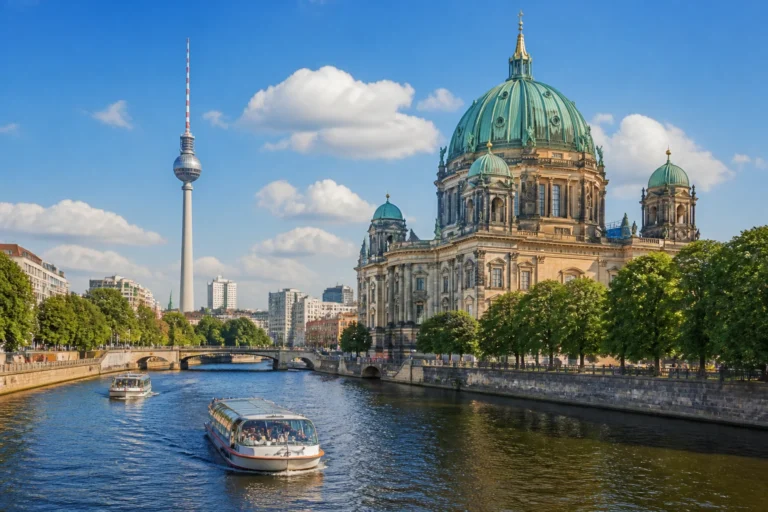
Berlin
Berlin is one of Europe’s most varied city breaks: part historic capital, part creative playground, part everyday neighbourhood city.…
Explore destination AI illustration
Dortmund
Dortmund is a lively Ruhr city where industrial heritage, football culture and green public spaces sit alongside a busy…
Explore destination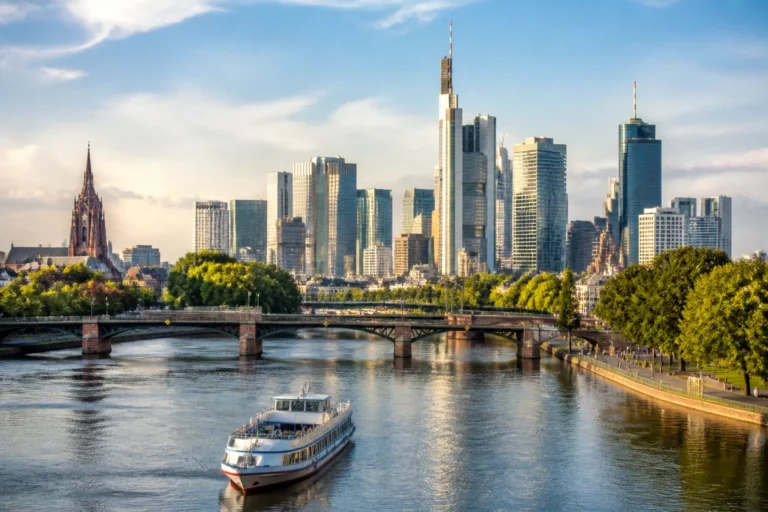 AI illustration
Frankfurt
Frankfurt is more than a financial centre: its compact core combines reconstructed old-town streets, major art collections and a…
Explore destination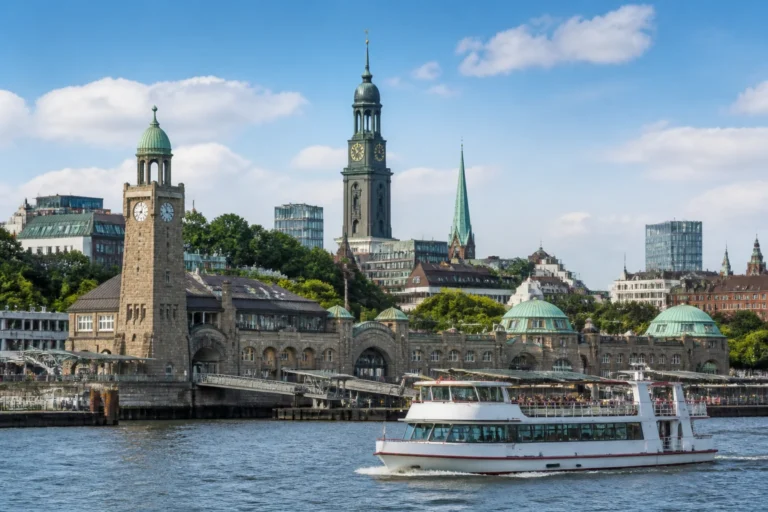 AI illustration
Hamburg
Hamburg combines a busy working harbour with historic canals, major cultural venues and neighbourhoods that each have a distinct…
Explore destination