
Germany · Europe
Dortmund City Guide: What to See and How to Plan Your Visit
Dortmund is a lively Ruhr city where industrial heritage, football culture and green public spaces sit alongside a busy centre. It makes a practical base for a short city break, a match-day trip or a wider journey through western Germany. This guide covers the main sights, areas to stay and transport options, including what to check when travelling from Dortmund Airport.
Find flights to Dortmund ↓ AI illustration
Find flights to Dortmund
Compare flights · EURGetting to know Dortmund
Dortmund is one of the largest cities in the Ruhr region, an urban area shaped by coal mining and steelmaking. Its industrial past is still visible, but the city is not simply a collection of former factories: central shopping streets, museums, parks and neighbourhood cafés give it a varied, everyday feel. It can suit visitors who enjoy modern city life and local history more than a traditional old-town setting.
Football is a major part of the city's identity. Borussia Dortmund's home ground, Signal Iduna Park, draws visitors beyond match-going supporters, while the German Football Museum explores the sport's history. Elsewhere, the former brewery building Dortmunder U is a landmark for art and culture. Dortmund also works well as a starting point for exploring other Ruhr cities by regional transport.
- Industrial and cultural history at Dortmunder U
- German Football Museum near the central station
- Parks and lakeside walks alongside city attractions
Things to do in Dortmund
For a first visit, explore the city centre on foot, including the area around the main shopping streets and Reinoldikirche. The German Football Museum is close to Dortmund Hauptbahnhof and offers context on the national game as well as its local following. At Dortmunder U, exhibitions and cultural events make use of a former brewery complex; check current opening arrangements and programme before planning around a particular exhibition.
Signal Iduna Park is a natural draw for football fans. Stadium tours and matches are subject to their own schedules and availability, so consult the club's official information before travelling. Away from football, Westfalenpark offers paths and open green space, while Phoenix See in Hörde is a pleasant area for a walk by the water. The latter also gives a sense of how former industrial land has been redeveloped.
- Visit the German Football Museum
- Look for exhibitions and events at Dortmunder U
- Walk in Westfalenpark or around Phoenix See
- Check official Borussia Dortmund information for stadium visits
When to visit Dortmund
Late spring through early autumn is often a comfortable period for combining museums with time outdoors, although conditions vary and rain is possible in any season. Parks and the Phoenix See area are especially appealing when you want a break from indoor attractions. If you are planning a match-day visit, the football calendar may matter more than the season: fixtures, kick-off times and ticket arrangements can affect both availability and the feel of the city.
Winter brings seasonal events, including Dortmund's well-known Christmas market, but dates and details change from year to year. Expect popular central areas to be busier around major events and weekends. For a quieter cultural trip, consider weekdays outside school holidays, while checking museum opening days and any event calendar before booking travel.
How long to stay in Dortmund
One full day is enough to see a central museum or two and get a first impression of the city. A two-night stay gives you more time for the football museum, Dortmunder U, a park or Phoenix See, and a relaxed evening in a neighbourhood away from the main station. Add time if your trip is centred on a match, a concert or a particular exhibition, since event schedules can shape the whole visit.
Dortmund can also be part of a longer Ruhr itinerary. Nearby cities have their own industrial museums, cultural venues and urban centres, and regional trains can make day trips possible. Allow extra time for connections and check journey details with the relevant transport operator rather than assuming every destination is a direct ride.
Dortmund Airport and getting around
Dortmund Airport (DTM) is east of the city centre. Bus services connect the airport with Dortmund and with nearby rail links, but routes, stops and timetables can change. Check the airport and local transport operators for current options before setting out, especially if your flight arrives early or late. Compare the full journey, including any transfer, when choosing between flights serving Dortmund and other airports in the wider region.
Dortmund Hauptbahnhof is the main railway station, with long-distance and regional connections. Within the city, public transport includes underground Stadtbahn lines, trams and buses; walking is convenient around central sights, while a local journey may be useful for Westfalenpark, the stadium or Hörde. For tickets and service changes, use the current information from the transport operator. If driving, check parking arrangements at your accommodation and destination in advance.
- Airport: Dortmund Airport (DTM)
- Check current airport bus and rail connections before travel
- Use the central station as a useful landmark for city visits
Where to stay in Dortmund
The city centre is a convenient choice for a first visit, particularly if you want to reach the main station, central museums and shopping streets on foot. Staying near Dortmund Hauptbahnhof can simplify train connections, though it is worth checking the exact location and surroundings of any accommodation rather than choosing by station proximity alone.
Kreuzviertel has a neighbourhood feel, with cafés and restaurants, and can suit travellers who prefer to stay outside the busiest central streets. Hörde is a useful option if Phoenix See is a priority, while accommodation near the stadium may appeal for a specific event. For match days or major events, compare transport links and check cancellation terms before committing.
- City centre for rail access and central attractions
- Kreuzviertel for a neighbourhood setting
- Hörde for Phoenix See and the south of the city
Practical tips for planning a Dortmund trip
Dortmund is easy to combine with other parts of the Ruhr, but do not assume venues are open every day or that event tickets will be available on arrival. Check official museum, club and event information when building your itinerary. On match days and during large events, allow extra time for local journeys and confirm your route close to departure.
German is the main language, though visitors may find English information at major attractions and transport hubs. Carry a payment method that works for your planned activities, and check whether smaller venues accept cards. If you are comparing flights, consider arrival time, airport transfer and onward rail connections together; FlyGo.si helps travellers compare flights and explore destinations, but transport details should be confirmed with the relevant operators.
Frequently asked questions about Dortmund
Which airport serves Dortmund?
Dortmund Airport (DTM) serves the city and is located east of the centre. Check the airport's current public transport information for bus and rail connections into Dortmund.
How many days should I spend in Dortmund?
A day can cover a central museum and a walk through the city centre. Two nights allow more time for places such as Dortmunder U, Westfalenpark or Phoenix See, with extra time useful for a match or event.
What is Dortmund best known for?
Dortmund is closely associated with Borussia Dortmund and football, as well as the industrial history of the Ruhr. Museums, former industrial sites and large green spaces add other reasons to visit.
Can I visit Signal Iduna Park when there is no match?
Stadium visits may be available separately from match days, but arrangements and availability can change. Check Borussia Dortmund's official information before planning a visit.
Where is a convenient area to stay in Dortmund?
The city centre is practical for central sights and the main railway station. Kreuzviertel offers a more neighbourhood-oriented stay, while Hörde is handy for Phoenix See.
Travel information can change. Check official transport operators and attraction websites before booking.
Editorial review: 23 Oct 2026
More destinations to explore
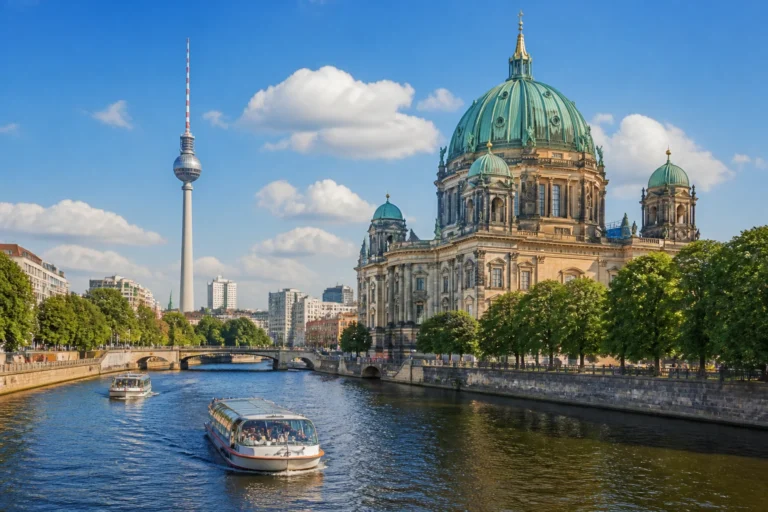 AI illustration
Berlin
Berlin is one of Europe’s most varied city breaks: part historic capital, part creative playground, part everyday neighbourhood city.…
Explore destination AI illustration
Dusseldorf
Dusseldorf is a compact, easy-to-navigate city on the Rhine with a strong mix of business energy, art, riverfront walks,…
Explore destination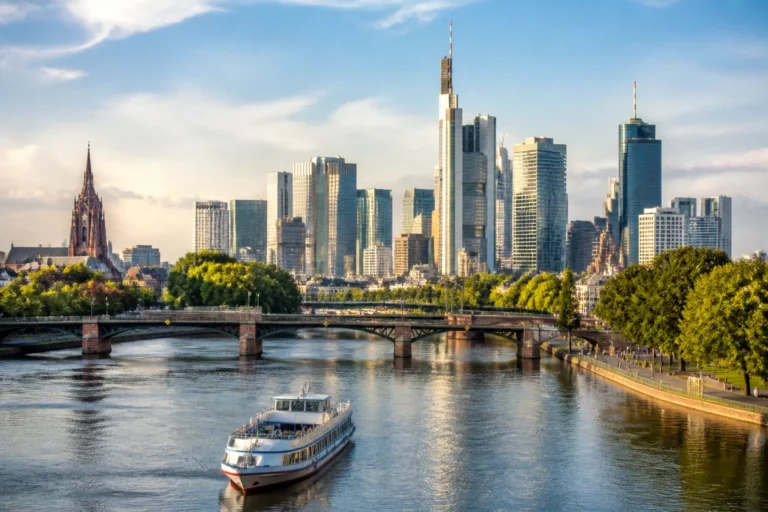 AI illustration
Frankfurt
Frankfurt is more than a financial centre: its compact core combines reconstructed old-town streets, major art collections and a…
Explore destination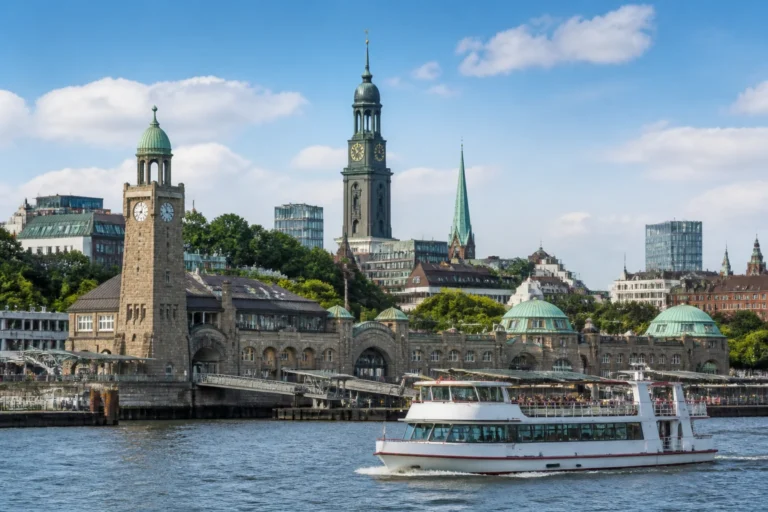 AI illustration
Hamburg
Hamburg combines a busy working harbour with historic canals, major cultural venues and neighbourhoods that each have a distinct…
Explore destination