
Germany · Europe
Hamburg Travel Guide: What to See and How to Plan Your Trip
Hamburg combines a busy working harbour with historic canals, major cultural venues and neighbourhoods that each have a distinct feel. You can spend a weekend exploring the centre and waterfront, or stay longer for museums, markets and quieter walks beside the Alster. This guide covers the main sights, areas to stay, airport connections and practical points to consider when planning a trip to Germany’s second-largest city.
Find flights to Hamburg ↓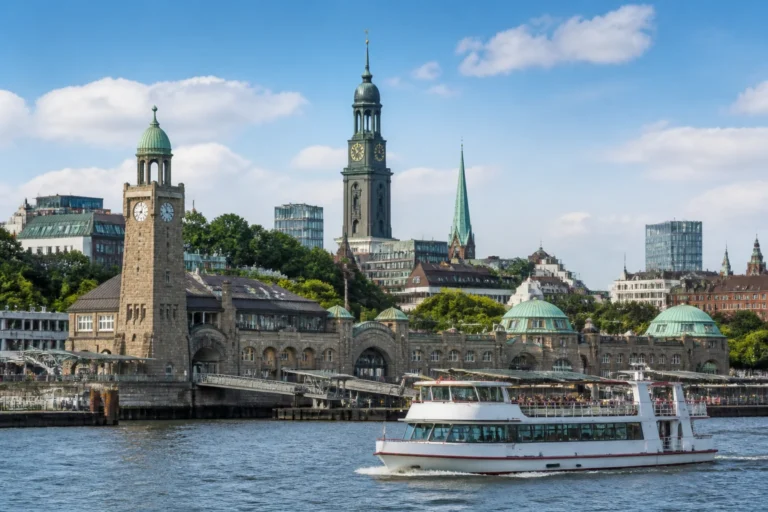 AI illustration
Find flights to Hamburg
Compare flights · EURWhat to expect in Hamburg
Hamburg is shaped by water. The River Elbe and its port sit alongside canals, historic warehouses and the Binnenalster and Außenalster lakes. The city has the scale and cultural offer of a major European centre, but many popular sights are concentrated around the central districts and waterfront.
The Speicherstadt warehouse district and nearby HafenCity show contrasting sides of the city: historic brick architecture and newer development. Elsewhere, the Rathaus and central shopping streets offer a more traditional city-centre visit, while St Pauli and Sternschanze are known for nightlife, cafés and independent businesses. Hamburg suits travellers interested in architecture, music, museums and urban waterside walks.
- Historic Speicherstadt and the canals
- Elbphilharmonie and the HafenCity waterfront
- Alster lakes and central city streets
- St Pauli and Sternschanze for evening outings
Things to do in Hamburg
Start around the Speicherstadt, where brick warehouses, bridges and waterways create a distinctive setting for a walk. Continue into HafenCity and the public spaces around the Elbphilharmonie. The concert hall is a landmark in its own right; if you want to attend a performance, check the venue’s programme and ticket arrangements ahead of time.
For a view of the city’s maritime character, explore the harbour area and consider a boat trip if one suits your plans. Operators and routes vary, so check current details before setting out. Miniatur Wunderland is a popular indoor attraction and can be busy; check visitor information and booking arrangements in advance rather than assuming you can walk straight in.
Balance the waterfront with a stroll around the Alster or the Rathaus and old centre. For an evening out, Reeperbahn is at the heart of St Pauli’s entertainment district, while Sternschanze offers a different mix of restaurants, bars and independent shops. Hamburg’s museums cover subjects including art, history and maritime life, so choose according to your interests and allow time for a visit rather than trying to fit in too many.
- Walk through Speicherstadt and HafenCity
- See whether a concert or venue visit at the Elbphilharmonie fits your itinerary
- Explore the harbour or take a boat trip
- Choose from museums, Miniatur Wunderland and Alster-side walks
When to visit Hamburg
Hamburg can be visited throughout the year, but the experience changes with the season. The warmer part of the year generally makes it easier to enjoy outdoor walks beside the Alster and Elbe, harbour activities and café terraces. Spring and early autumn can suit visitors who want to combine outdoor time with museums and city sightseeing.
In the cooler months, plan more indoor stops and bring clothing suited to changeable conditions. Christmas markets and major events may affect accommodation demand and transport, but dates and arrangements vary from year to year. If a concert, exhibition or seasonal event is central to your trip, check its schedule before choosing travel dates.
- Plan outdoor activities around the season and forecast
- Check event dates before booking accommodation
How long to stay in Hamburg
Two full days can cover central sights, a walk through Speicherstadt and HafenCity, and time around the harbour or Alster. This is a workable short break, though it leaves less room for museums, longer neighbourhood visits or an unhurried evening.
Three or four days allow a more relaxed pace and make it easier to combine the main attractions with a museum visit, time in St Pauli or Sternschanze, and a harbour excursion. Add time if you have specific performances or exhibitions in mind, or want to explore beyond the central districts.
Hamburg Airport and getting around
Hamburg Airport (HAM) is the city’s main airport. The S-Bahn line S1 connects the airport with Hamburg’s central rail network, including Hamburg Hauptbahnhof. Journey times and service arrangements can change, so consult the HVV public transport network or airport information for current details before travelling.
Once in the city, public transport can help you cover distances between the centre, the harbour and outlying neighbourhoods. Walking is practical for exploring compact areas, though the city as a whole is spread out. Check ticket options, service updates and any route changes with the transport operator. Taxis and other road transport are alternatives, but travel time depends on traffic.
- Airport: Hamburg Airport (HAM)
- S1 provides an airport connection to the city rail network
- Use public transport for longer journeys and walk within neighbourhoods
Where to stay in Hamburg
For a first visit focused on major sights and rail connections, look around the central districts, including Altstadt and Neustadt. Staying near the Hauptbahnhof can be useful for onward train travel, although the character of the immediate area varies by street. Compare the exact location with your plans rather than choosing only by distance to the station.
St Pauli works well for visitors who want restaurants and nightlife close by, while Sternschanze has a neighbourhood feel and plenty of places to eat and drink. HafenCity is convenient for the waterfront and newer architecture; accommodation choices and atmosphere differ from older central areas. St Georg, east of the central station, offers another base with cafés and access to the centre. Check noise, transport links and cancellation conditions before booking.
- Altstadt or Neustadt for central sightseeing
- St Pauli for nightlife and the harbour side of the city
- Sternschanze for cafés and independent shops
- HafenCity for waterfront access
Practical tips for planning a Hamburg trip
Hamburg is a large city, so group activities by area to avoid unnecessary journeys. For example, pair Speicherstadt with HafenCity, or combine the central sights with a walk around the Alster. Leave some flexibility for rain or changes to outdoor plans, and check opening times directly with attractions before you travel.
German is the main language, and having a few basic phrases can be useful. Contactless payments are common, but payment options can vary between businesses, so keep an alternative available. If you plan to visit popular attractions or attend an event, check official visitor information and booking requirements in advance. FlyGo.si is a flight comparison website where travellers can compare flight options; confirm schedules and conditions with the relevant providers before making plans.
- Group activities by neighbourhood
- Check attraction hours and event details in advance
- Keep an alternative payment method available
Frequently asked questions about Hamburg
Which airport serves Hamburg?
Hamburg Airport (HAM) is the city’s main airport. The S1 S-Bahn connects it with the city rail network; check current service information with HVV or the airport before travelling.
How many days should I spend in Hamburg?
Two full days are enough for a short introduction to the centre, waterfront and a few main sights. Three or four days give you more time for museums, neighbourhoods and a less rushed visit.
Is Hamburg easy to explore without a car?
Many visitor areas are accessible by public transport, and compact districts are pleasant to explore on foot. Check current public transport routes and tickets with HVV when planning journeys.
What is a good area to stay in Hamburg for a first visit?
Altstadt and Neustadt are useful for central sightseeing, while St Pauli, Sternschanze and HafenCity offer different neighbourhood atmospheres. Choose based on your plans, transport links and preferred level of evening activity.
What should I book ahead in Hamburg?
Consider checking advance arrangements for popular attractions such as Miniatur Wunderland, as well as concerts, exhibitions and seasonal events. Requirements and availability can vary, so consult the venue or organiser directly.
Travel information can change. Check official transport operators and attraction websites before booking.
Editorial review: 23 Oct 2026
More destinations to explore
 AI illustration
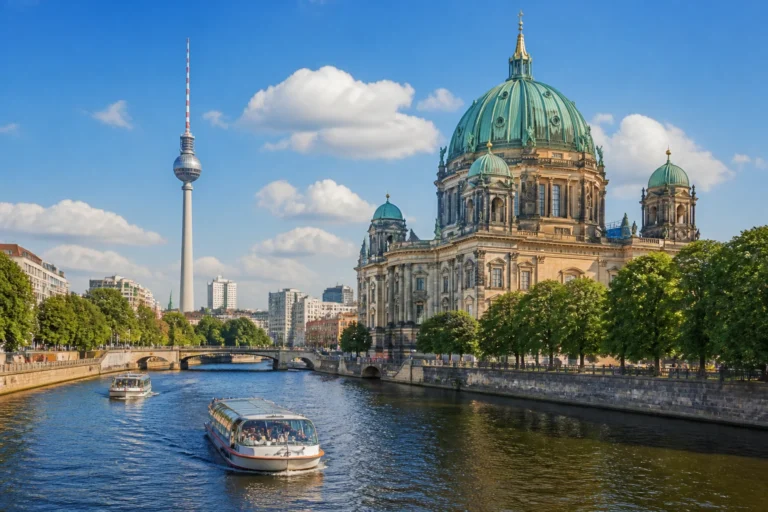
Berlin
Berlin is one of Europe’s most varied city breaks: part historic capital, part creative playground, part everyday neighbourhood city.…
Explore destination AI illustration
Dortmund
Dortmund is a lively Ruhr city where industrial heritage, football culture and green public spaces sit alongside a busy…
Explore destination AI illustration
Dusseldorf
Dusseldorf is a compact, easy-to-navigate city on the Rhine with a strong mix of business energy, art, riverfront walks,…
Explore destination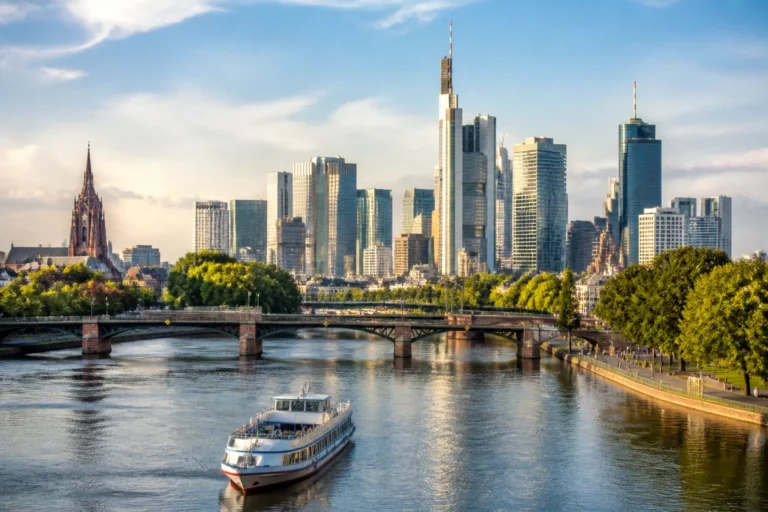 AI illustration
Frankfurt
Frankfurt is more than a financial centre: its compact core combines reconstructed old-town streets, major art collections and a…
Explore destination