
Germany · Europe
Berlin travel guide for independent travellers
Berlin is one of Europe’s most varied city breaks: part historic capital, part creative playground, part everyday neighbourhood city. It rewards travellers who like museums, long walks, late-night food, and a transport system that makes it easy to explore without a car. This guide is aimed at independent visitors who want a practical overview of what Berlin is like, how to get around, where to stay, and how to make the most of a short or medium-length trip.
Find flights to Berlin ↓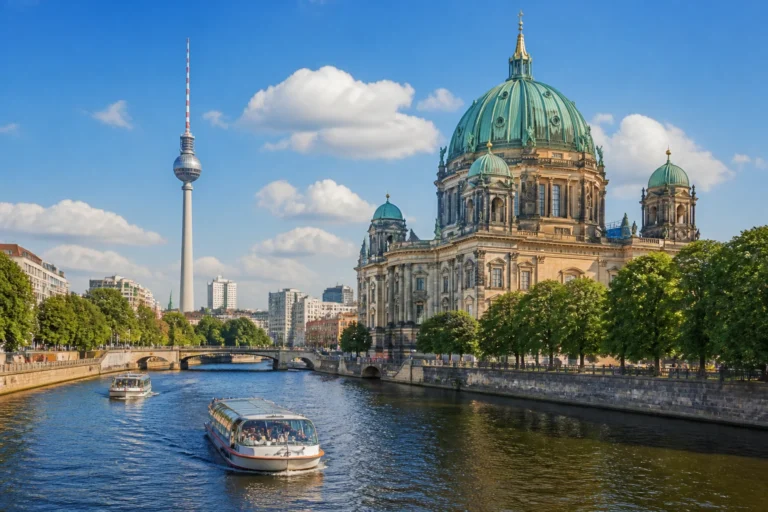 AI illustration
Find flights to Berlin
Compare flights · EURAbout Berlin
Berlin is a large, spread-out city with a strong sense of place in each district. You can spend one day among world-class museums and memorials, and the next in relaxed cafés, parkland, or street markets. The city’s scale means it often feels more like several places combined than one compact historic centre.
For visitors, that is part of the appeal. Berlin is less about ticking off a small cluster of sights and more about choosing the version of the city you want: government and history around the Reichstag and Museum Island, contemporary culture in Kreuzberg and Neukölln, or leafy residential streets and galleries in Prenzlauer Berg and Charlottenburg.
- Large city with distinct neighbourhoods
- Strong mix of history, culture, nightlife, and green space
- Best explored in layers, not rushed
Things to do in Berlin
Start with the landmarks that help orient you: the Brandenburg Gate, Reichstag area, the memorial landscape around the former Berlin Wall, and Museum Island. Even if you do not want to spend all day in museums, Berlin’s major sites are good for understanding the city’s 20th-century history and how it was divided and reunited.
After that, shift to neighbourhood life. Walk through Kreuzberg for food and a lived-in urban feel, browse independent shops in Prenzlauer Berg, and look for cafés, parks, and local markets rather than only headline attractions. Berlin also rewards slower plans: a boat trip on the Spree, an afternoon in Tiergarten, or time at a contemporary art space can be as memorable as the major monuments.
If you like nightlife, Berlin is known for a broad range of venues, from casual bars to internationally famous clubs. For a more relaxed evening, try neighbourhood restaurants, beer gardens in warmer months, or cultural venues such as theatres and concert halls. The city is especially good for travellers who enjoy mixing sightseeing with unstructured time.
- Brandenburg Gate and the historic centre
- Museum Island and major cultural collections
- Berlin Wall memorials and remembrance sites
- Neighbourhood food, bars, and markets
- Parks, waterways, and slower sightseeing
Best time to visit Berlin
Berlin works year-round, but the experience changes a lot with the season. Spring and early autumn are often the most comfortable times for walking, outdoor cafés, and sightseeing, with longer days and generally pleasant conditions for exploring on foot or by bike. These periods also suit travellers who want the city to feel lively without peak summer pressure.
Summer brings the fullest outdoor atmosphere, with parks, lakes, open-air events, and long evenings. Winter is a good choice if you prefer museums, indoor culture, Christmas markets, and a more atmospheric city break, but it is worth planning for shorter days and colder weather. If you are visiting for specific events or festivals, check official calendars before you book, as the city’s programme changes through the year.
- Spring and early autumn for balanced sightseeing
- Summer for outdoor life and long evenings
- Winter for museums, markets, and indoor culture
How long to stay in Berlin
A first visit works well with three full days, which gives you enough time for the main historic sights, one or two museum visits, and a proper look at at least one or two neighbourhoods beyond the centre. If you prefer to travel slowly, four to five days is a better fit, especially if you want to include cafés, markets, parks, and a less rushed evening programme.
A shorter stay can still be worthwhile if you focus on one theme, such as history, architecture, or food. Because Berlin is spread out, trying to do everything in one or two days can feel fragmented. It is usually better to choose a realistic shortlist and leave room for wandering.
- 3 days for a solid first trip
- 4–5 days for a slower, more varied visit
- Short stays work best with a focused itinerary
Airports and transport in Berlin
Berlin is served by Berlin Brandenburg Airport (BER), the city’s main airport. From there, travellers typically continue by regional rail, S-Bahn, train, taxi, ride-hailing where available, or pre-booked transfer. For the latest route and ticket information, check official airport and transport operator information before you travel.
Within the city, Berlin’s public transport network is usually the easiest way to move around. U-Bahn, S-Bahn, trams, buses, and regional trains connect most visitor areas, and walking works well once you are in a neighbourhood. A bicycle can also be practical in some parts of the city, but it helps to be confident sharing space with traffic and to plan for distances that are greater than they may look on a map.
- Main airport: Berlin Brandenburg Airport (BER)
- Strong public transport network across the city
- Walking and cycling work best within districts
Where to stay in Berlin
Choose your base by the kind of trip you want. Mitte is the most straightforward option for first-time visitors who want to be near major sights, museums, and transport links. It is convenient, though it can feel more businesslike than atmospheric in some streets.
Kreuzberg and Neukölln suit travellers who want a livelier, more local feel with many food and nightlife options. Prenzlauer Berg is a good fit for cafés, calmer residential streets, and easy everyday wandering, while Charlottenburg is useful if you prefer a more traditional western Berlin setting with broad avenues, shopping, and good rail connections. If your priority is culture and nightlife rather than landmark proximity, staying slightly outside the centre can still be very practical.
- Mitte for first-time convenience
- Kreuzberg and Neukölln for food and nightlife
- Prenzlauer Berg for cafés and relaxed streets
- Charlottenburg for a classic west-side base
Practical tips for visiting Berlin
Berlin is a city where planning pays off less in rigid schedules and more in good sequencing. Group sights by area, use public transport for longer jumps, and keep some time free for breaks. Many museums and attractions can be spread out, so it is worth checking opening arrangements and any advance-booking requirements directly with official sites before you go.
The city is generally straightforward for independent travellers, but it helps to carry a card or payment method that works widely, as well as some cash for smaller businesses. If you are visiting in peak periods or around major events, accommodation can become harder to pin down, so booking early is sensible. Finally, remember that Berlin is not a postcard-sized centre: the city often feels best when you slow down and let the districts shape the day rather than trying to cover everything at once.
- Plan by district to reduce travel time
- Check official sites for openings and booking rules
- Carry a mix of card and cash
- Book early for busy dates
Frequently asked questions about Berlin
Is Berlin easy to visit without a car?
Yes. Berlin’s public transport network is extensive, and many visitors rely on trains, trams, buses, walking, and occasional taxis rather than driving. A car is usually unnecessary for a city break.
What is Berlin best known for?
Berlin is known for its modern history, the Berlin Wall legacy, major museums, creative neighbourhoods, and a strong nightlife and café culture. It also stands out for having many different urban personalities in one city.
Which area is best for first-time visitors to stay in?
Mitte is often the most practical base for a first visit because it is close to many major sights and has strong transport connections. If you want more atmosphere, Kreuzberg or Prenzlauer Berg may suit you better.
How many days do you need in Berlin?
Three full days is a good starting point for major sights and one or two neighbourhoods. Four or five days gives you more time for museums, parks, food, and a less hurried pace.
Can Berlin be enjoyed in winter?
Yes. Winter suits museum visits, indoor culture, and seasonal markets. Just expect shorter days and build your itinerary around indoor and neighbourhood-based activities.
Is Berlin a good city for walking?
Yes, but usually within individual districts rather than across the whole city. Berlin is large, so many travellers walk a lot after using public transport to move between areas.
Travel information can change. Check official transport operators and attraction websites before booking.
Editorial review: 19 Oct 2026
More destinations to explore
 AI illustration
Dortmund
Dortmund is a lively Ruhr city where industrial heritage, football culture and green public spaces sit alongside a busy…
Explore destination AI illustration
Dusseldorf
Dusseldorf is a compact, easy-to-navigate city on the Rhine with a strong mix of business energy, art, riverfront walks,…
Explore destination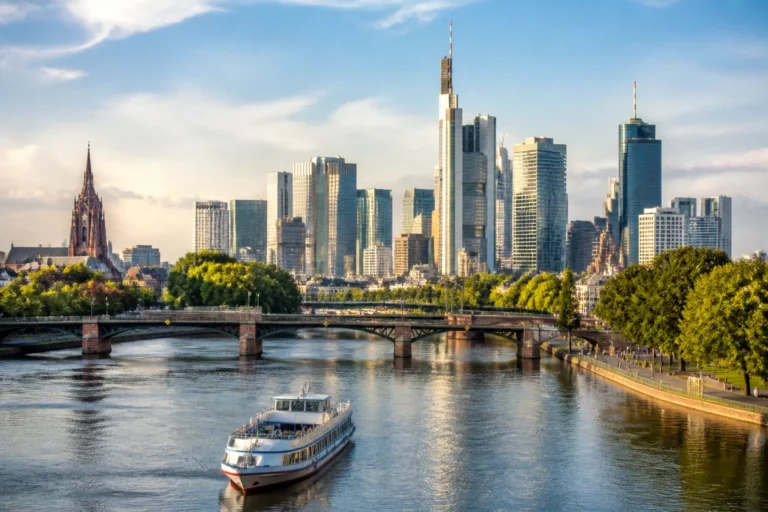 AI illustration
Frankfurt
Frankfurt is more than a financial centre: its compact core combines reconstructed old-town streets, major art collections and a…
Explore destination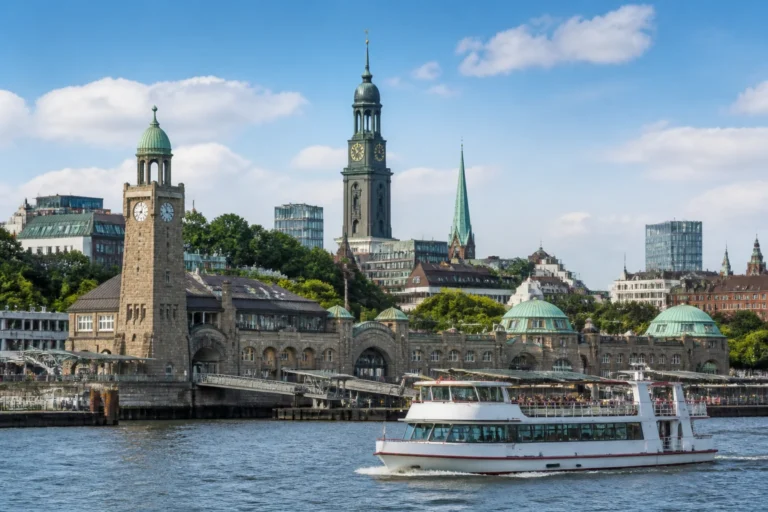 AI illustration
Hamburg
Hamburg combines a busy working harbour with historic canals, major cultural venues and neighbourhoods that each have a distinct…
Explore destination