
Italy · Europe
Turin Travel Guide for Independent Travellers
Turin is one of Italy’s most elegant and easiest-to-enjoy cities, with wide boulevards, café culture, royal palaces and a strong food identity rooted in Piedmont. It suits travellers who like museums, good walking areas and a city break that feels polished without being overwhelming. This guide covers what to see, when to go, where to stay and how to move around Turin efficiently.
Find flights to Turin ↓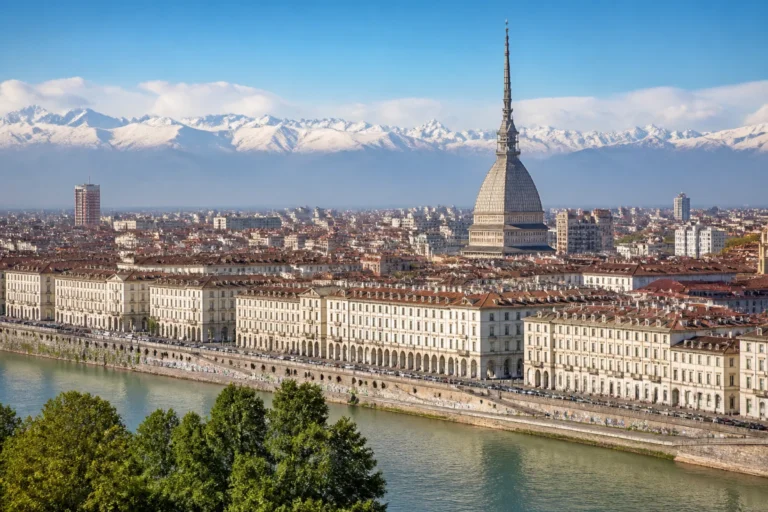 AI illustration
Find flights to Turin
Compare flights · EURAbout Turin
Turin sits in northwestern Italy and feels different from many better-known Italian cities: grand but orderly, cultured rather than hectic, and very walkable in the central districts. It was once the capital of the Savoy kingdom, and that history still shows in the palaces, formal squares and long arcades that line many streets.
For independent travellers, Turin is appealing because it works well at an unhurried pace. You can move between museums, cafés, churches, river walks and aperitivo spots without needing a packed schedule. The city also makes a good base if you want to combine urban sightseeing with day trips into Piedmont, though this guide focuses on Turin itself.
- Elegant historic centre with covered arcades
- Strong café and aperitivo culture
- Good base for a slower city break
Things to do in Turin
Start in the historic centre, where Piazza Castello, Piazza San Carlo and Via Roma give you a strong first impression of the city’s scale and architecture. The Royal Palace complex and nearby museums help explain Turin’s role in Italian history, while the arcaded streets make strolling comfortable in most weather. Even without entering many sights, the centre is enjoyable simply for its public spaces.
Turin has several major museums, and travellers often choose one or two rather than trying to see everything. The Egyptian Museum is especially well known, while the Mole Antonelliana is one of the city’s landmarks and is closely associated with the National Cinema Museum. If you prefer something quieter, the city’s parks and riverfront offer a break from the formal centre.
Food is part of the visit, not just a meal between attractions. Turin is a good city for lingering over coffee, chocolate-based treats and aperitivo. Try to leave time for an evening walk and a drink in one of the central squares, where the atmosphere is often as memorable as the sights.
- Piazza Castello and the royal core
- Egyptian Museum and cinema heritage
- Evening aperitivo in the central squares
Best time to visit Turin
Turin is a year-round city destination, but spring and autumn are often the most comfortable times for walking and sightseeing. These seasons usually suit visitors who want mild conditions for exploring museums, parks and outdoor cafés without the summer crowds or the colder feel of winter.
Summer can be warm and lively, but some travellers may find midday sightseeing less pleasant, especially in more exposed squares. Winter brings a calmer atmosphere and can work well if your priority is museums, cafés and indoor time, though daylight is shorter. If you are planning a festival, event or football match, check dates directly with official sources because they can affect hotel availability and transport patterns.
- Spring and autumn suit city walking
- Winter is good for museums and cafés
- Check event calendars before you book
How long to stay in Turin
A short stay of two full days is enough for a first visit if you want to cover the main historic area and one or two major museums. This is a practical choice for travellers on a broader Italy itinerary who want Turin as a cultured stop rather than the main focus.
Three days is a better pace if you like museums, want time for long lunches and coffee stops, or prefer to explore neighbourhoods beyond the centre. With four days or more, you can travel more slowly, revisit favourite streets and use the city as a base for regional exploring, while still keeping some time free for spontaneous wandering.
- 2 days for the main highlights
- 3 days for a balanced first visit
- 4+ days for a slower pace and side trips
Airports and transport in Turin
Turin is served by Turin Airport, also known as TRN, which is the most convenient arrival point for the city. From the airport, travellers usually continue by train, bus, taxi or pre-booked transfer depending on budget, luggage and arrival time. For the latest routes and frequencies, check the official airport and operator websites rather than relying on assumptions.
Within the city, public transport is usually enough for most visitors, especially if you are staying centrally. Turin’s centre is very walkable, and many of the main sights sit within a compact area. Trams and buses can help with longer hops, while taxis are useful late at night or when arriving with heavy bags. If you plan to explore beyond the centre, allow extra time for connections and verify local schedules in advance.
- Turin Airport (TRN) is the main gateway
- Central Turin is highly walkable
- Public transport works well for longer distances
Where to stay in Turin
For a first trip, the historic centre is usually the most convenient place to stay because you can walk to many landmarks, restaurants and museums. It is the best fit if you want to do the city on foot and enjoy evening atmosphere without depending heavily on transport.
The area around Porta Nuova is practical for rail links, easy arrivals and access to both central streets and transport connections. If you prefer a quieter stay, look at districts just outside the busiest core, where you may find a more local feel while still staying close to the main sights. Travellers interested in a more relaxed rhythm may also prefer a neighbourhood with good tram or bus access rather than a location that is completely tourist-centred.
- Historic centre for first-time visitors
- Porta Nuova for rail and transport access
- Quiet nearby districts for a more local feel
Practical tips for Turin
Turin is straightforward to navigate, but it pays to plan your sightseeing around opening times and weekday routines, especially for museums and churches. If you want to enjoy the city’s food and café culture, build in pauses rather than rushing between landmarks. That approach suits Turin better than trying to tick off everything in one day.
Book popular museums and major attractions in advance when possible, especially at busier times of year. Keep some flexibility for weather changes, public holidays and event days, and check current local information before you travel. For smooth city-centre exploring, comfortable shoes matter more than a complicated itinerary, because much of Turin’s pleasure comes from walking, looking up and stopping often.
- Use walking and short transport hops
- Check opening times before each museum visit
- Leave room for cafés and unplanned stops
Frequently asked questions about Turin
Is Turin easy to visit without a car?
Yes. Most first-time visitors can rely on walking and public transport, especially if they stay in or near the centre. A car is usually more of a complication than a benefit for a short city break.
What is Turin best known for?
Turin is known for its royal history, elegant architecture, major museums, café culture and Piedmontese food traditions. It also has a strong reputation for chocolate and aperitivo.
Which museum should I prioritise in Turin?
If you only have time for one, many visitors choose the Egyptian Museum because of its reputation and breadth. If you are more interested in film and city landmarks, the Mole Antonelliana area is also a strong choice.
Is Turin a good short-break destination?
Yes. Turin works well for a two- or three-day trip because the centre is compact, the atmosphere is distinctive and there is enough to do without needing a packed schedule.
How do I get from Turin Airport to the city?
Common options include bus, train where available, taxi or a pre-booked transfer. The best choice depends on your arrival time, where you are staying and how much luggage you have, so check current operator information before travelling.
What kind of traveller will enjoy Turin most?
Travellers who like architecture, museums, cafés and a calmer city atmosphere are usually well suited to Turin. It is a good choice if you prefer cultural depth over constant sightseeing pressure.
Travel information can change. Check official transport operators and attraction websites before booking.
Editorial review: 23 Oct 2026
More destinations to explore
 AI illustration
Alghero
Alghero, on the north-west coast of Sardinia, combines a historic centre with easy access to beaches and the coastal…
Explore destination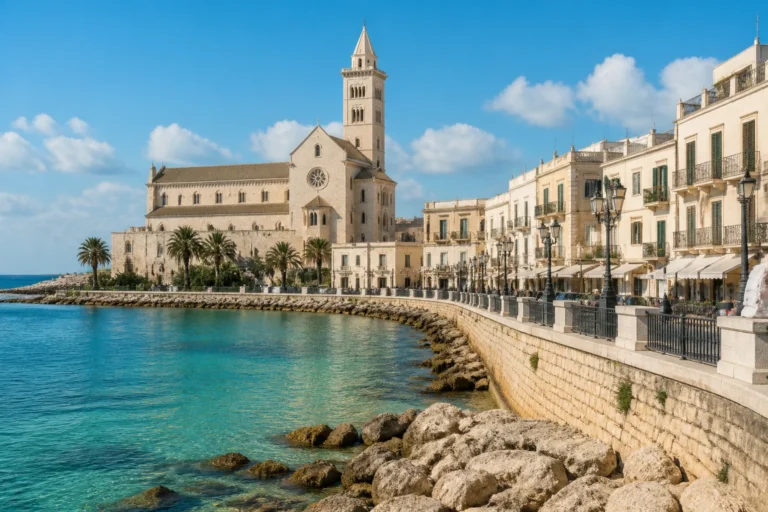 AI illustration
Bari
Bari is a practical, characterful gateway to Puglia, combining a walkable old town, a lively waterfront and an easy…
Explore destination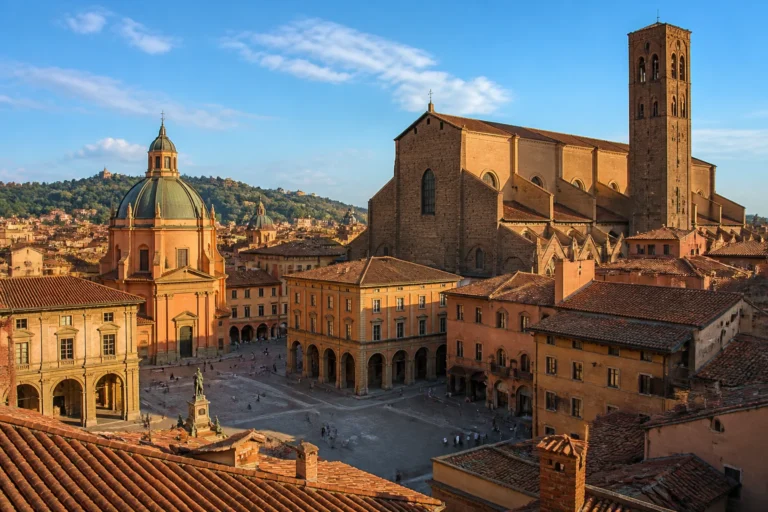 AI illustration
Bologna
Bologna is one of Italy’s most rewarding city breaks: compact enough to explore on foot, lively without feeling overwhelming,…
Explore destination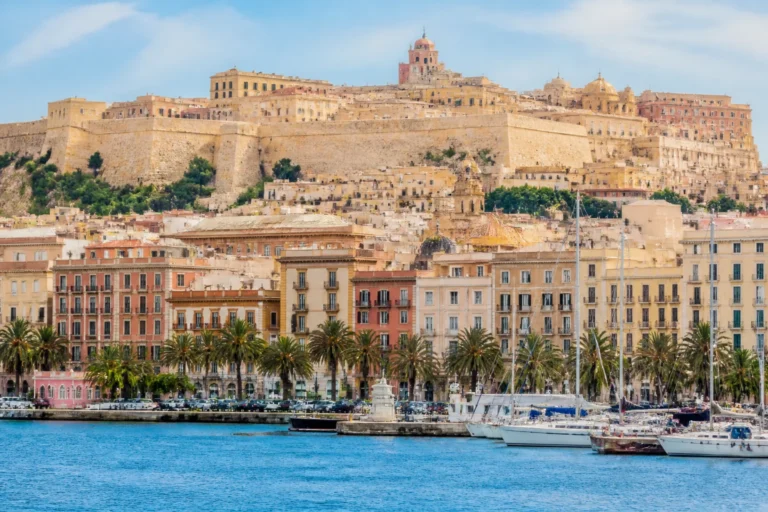 AI illustration
Cagliari
Cagliari is Sardinia’s lively capital, where a compact historic centre, long city beaches and easy access to turquoise coastline…
Explore destination