
Spain · Europe
Sevilla Travel Guide: Plan Your Visit
Sevilla combines grand historic landmarks with lively neighbourhoods, shaded gardens and a strong food culture. Its compact central districts are rewarding to explore on foot, while buses and other public transport help with longer journeys. This guide covers what to see, when to go, where to stay and how to plan your arrival through Sevilla Airport (SVQ), so you can shape a visit around your interests and available time.
Find flights to Sevilla ↓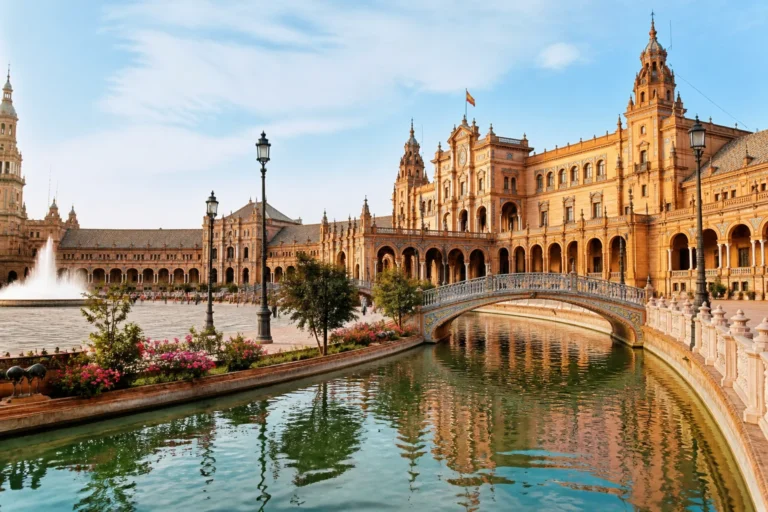 AI illustration
Find flights to Sevilla
Compare flights · EURGet to know Sevilla
Sevilla, in Andalusia in southern Spain, is known for its historic centre, landmark architecture and everyday street life. The Cathedral and Giralda tower, the Alcázar and the riverfront are among its best-known sights, but much of the city’s character is found in the smaller details: tiled courtyards, local markets and cafés tucked along narrow streets.
The historic core is largely walkable, with neighbourhoods that each offer a different feel. Santa Cruz is a maze of lanes beside major monuments; Centro is convenient for shopping and central sights; Triana, across the Guadalquivir, has a distinct neighbourhood identity and a long association with ceramics and flamenco. Around Alameda de Hércules, visitors will find a more contemporary mix of cafés, bars and cultural venues.
- Historic centre and Cathedral
- Real Alcázar and its gardens
- Triana and the riverfront
- Plaza de España and María Luisa Park
Things to do in Sevilla
Set aside time for Sevilla’s major monuments rather than trying to see them all in a rush. The Cathedral and Giralda offer a close look at the city’s religious and architectural history, while the Real Alcázar is notable for its richly decorated rooms and gardens. Visitor arrangements, opening times and entry requirements can change, so check the official information before setting out; booking ahead may be useful for popular sights.
For a change of pace, walk through María Luisa Park to Plaza de España, then follow the river towards Triana. Cross the bridge to explore the neighbourhood’s streets and food spots, or visit a market if it is open. An evening flamenco performance can be a worthwhile addition, but venues and styles vary. For panoramic views and modern architecture, consider the Metropol Parasol, also known as Las Setas.
- Allow time for the Alcázar gardens
- Walk between Plaza de España and María Luisa Park
- Explore Triana on foot
- Look for an evening flamenco performance
When to visit Sevilla
Spring and autumn are popular periods for a city break, with conditions often more comfortable for walking than in the height of summer. Spring brings major local celebrations, including Semana Santa and the Feria de Abril. Their dates vary from year to year, and visitor numbers can rise around the events, so check the calendar and arrange accommodation early if travelling then.
Summer can be very hot, which may make long afternoons outdoors tiring. Plan sightseeing for the morning or later in the day, take breaks and check opening hours before visiting. Winter is generally a quieter option for exploring the city, though rain is possible and daylight hours are shorter. Pack for changeable conditions rather than assuming every day will be warm and dry.
- Spring and autumn suit outdoor sightseeing
- Check dates for Semana Santa and Feria de Abril
- Plan summer walks around the heat
How long to stay in Sevilla
Two full days give a first-time visitor time to see the central landmarks, walk around Santa Cruz and enjoy an evening in the city. Three days allow a more relaxed pace, with time for the Alcázar, the Cathedral, Plaza de España, Triana and a longer meal or cultural visit without squeezing everything into one itinerary.
With an extra day, you can explore less-visited parts of Sevilla or plan an excursion beyond the city. If your trip coincides with a major festival, allow for busier streets and longer waits, and avoid packing too many timed visits into a single day. The best length depends on how much time you want for museums, food and unplanned wandering.
- Two days for a concise first visit
- Three days for a more relaxed city break
- Add time for festivals or a day trip
Sevilla Airport and getting around
Sevilla Airport (SVQ) is the city’s main airport, located outside the centre. An airport bus service connects it with central parts of Sevilla, while taxis offer a direct alternative. The bus route, stops, fares and operating times can change; consult the airport and local transport operator’s official information before travelling. Allow extra time if you have an early departure or a connection to another form of transport.
There is no need to rely on a car for most central sightseeing. Many main attractions are within walking distance of one another, and local buses, the tram and metro can help with longer journeys. Their usefulness depends on your starting point and destination, so check current routes and service information. If arriving by train, Sevilla’s main rail station is Santa Justa; it is separate from the airport.
- Airport code: SVQ
- Compare airport bus and taxi options
- Walking works well for much of the historic centre
- Check current local transport information before travel
Where to stay in Sevilla
Santa Cruz is convenient for the Cathedral, Alcázar and atmospheric lanes, but its central location can bring more visitors and activity. Centro is a practical base for shops, restaurants and sightseeing, with a broad choice of accommodation. Check the exact location: a central address does not necessarily mean every major attraction is immediately nearby.
Triana suits travellers who want a neighbourhood setting across the river, with easy access to the centre on foot or by public transport. Alameda de Hércules is a good area to consider for a lively selection of bars and restaurants, though it may be noisier at night. Before booking, look at the walking distance to your planned sights, transport links, accessibility and any property information about late-night noise.
- Santa Cruz for historic sights
- Centro for a central all-round base
- Triana for neighbourhood character
- Alameda for evening cafés and bars
Practical tips for planning your trip
Sevilla is best explored with comfortable walking shoes; historic streets can be uneven, and shade varies between routes. Carry water and plan indoor breaks during hot weather. Restaurants and shops may follow local opening patterns, so check individual businesses if you have a particular place in mind. At major attractions, allow time for entry and security procedures where applicable.
If travelling during Semana Santa or the Feria de Abril, check dates well in advance and expect changes to movement around event areas. A central hotel may save travel time but can also mean more noise, especially on busy evenings. When comparing flights, check the airport, arrival time and onward transport together; FlyGo.si lets travellers compare flight options, but current schedules and conditions should be confirmed with the relevant providers.
- Wear comfortable shoes for historic streets
- Check event dates before choosing travel dates
- Confirm transport and attraction details with official operators
Frequently asked questions about Sevilla
Which airport should I use for Sevilla?
Sevilla Airport (SVQ) is the city’s main airport. Check your flight details carefully and confirm the available onward transport for your arrival time.
How do I get from Sevilla Airport to the city centre?
An airport bus service and taxis connect the airport with the city. Routes, stops and operating times can change, so check current information from the airport or local transport operator before travelling.
Is Sevilla easy to explore without a car?
Yes for most central sightseeing. The historic centre is walkable, and buses, the tram and metro can help with longer trips. Check routes for the places you plan to visit.
How many days should I spend in Sevilla?
Two full days can cover the main central sights at a brisk pace. Three days gives you more time for Triana, the parks, meals and a slower visit to major monuments.
When are Semana Santa and Feria de Abril in Sevilla?
Both take place in spring, but their dates vary each year. Check the official calendar for your travel year, particularly if you need to plan accommodation or navigate event areas.
Travel information can change. Check official transport operators and attraction websites before booking.
Editorial review: 23 Oct 2026
More destinations to explore
 AI illustration
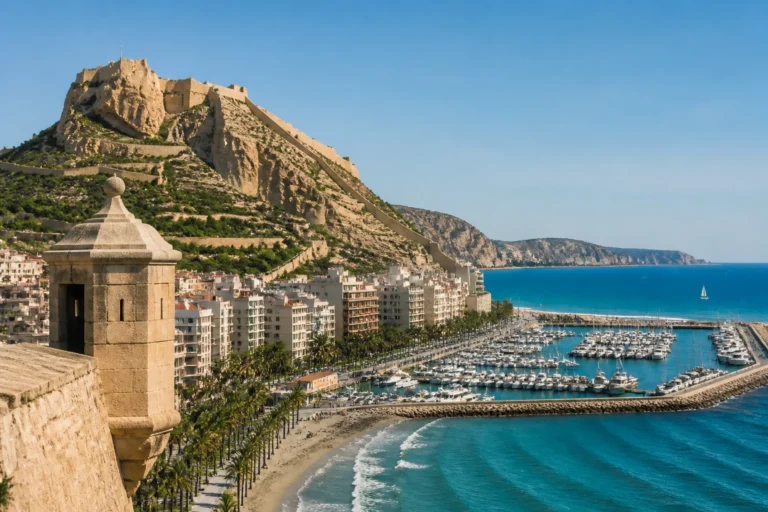
Alicante
Alicante is an easygoing Mediterranean city where a compact old centre, a long waterfront and a busy local food…
Explore destination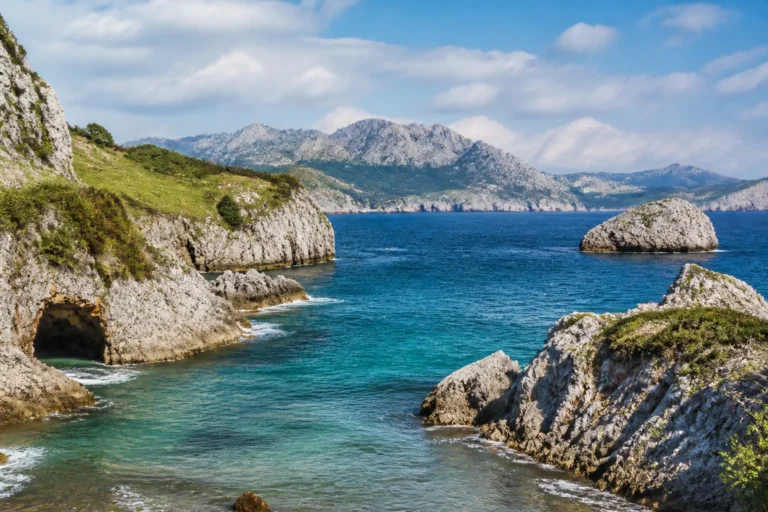 AI illustration
Asturias
Asturias is a region in northern Spain where compact cities, Atlantic beaches and green mountain landscapes make very different…
Explore destination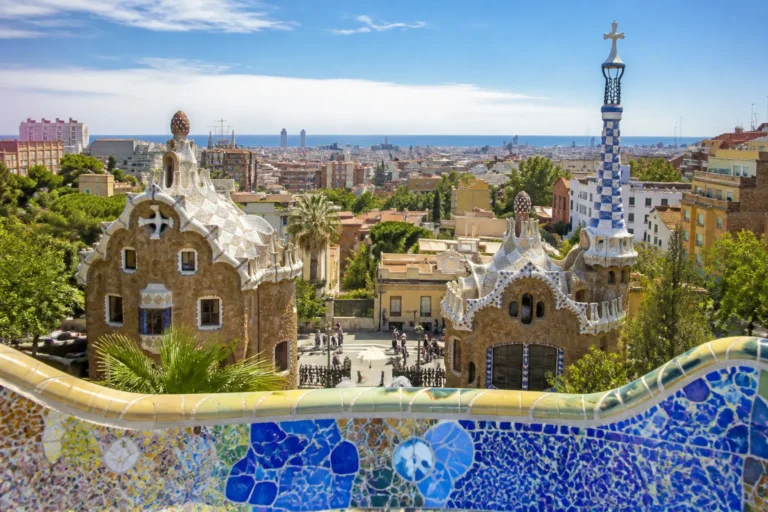 AI illustration
Barcelona
Barcelona mixes a compact city break with beach time, neighbourhood wandering and a strong food-and-culture scene. For European independent…
Explore destination AI illustration
Bilbao
Bilbao is one of northern Spain’s most interesting city breaks: compact enough to explore on foot in parts, but…
Explore destination