
Germany · Europe
Nuremberg Travel Guide: What to See and How to Plan Your Trip
Nuremberg pairs a compact medieval centre with important museums and a complex modern history. Its castle, old-town streets and seasonal Christmas market draw visitors, while its location in northern Bavaria makes it a useful base for exploring Franconia. This guide covers the main sights, where to stay, how to get from NUE airport into the city and practical details to consider when planning a visit.
Find flights to Nuremberg ↓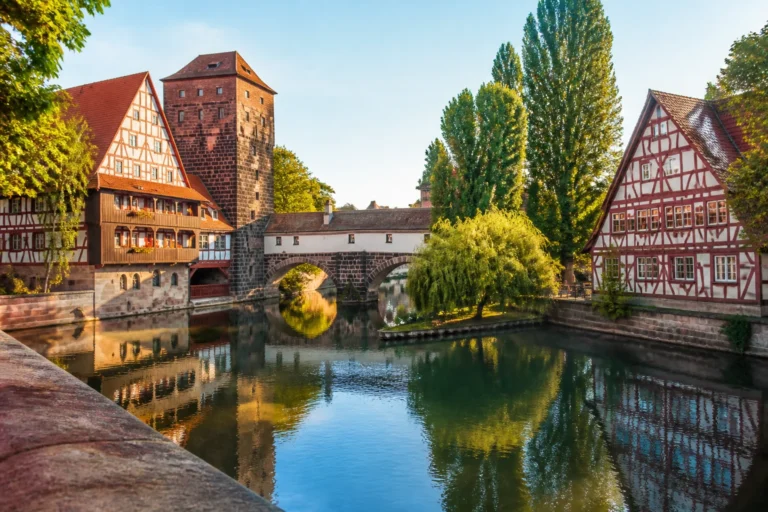 AI illustration
Find flights to Nuremberg
Compare flights · EURAbout Nuremberg
Nuremberg is a city in Bavaria’s Franconia region, known for its historic centre, castle and long-standing toy-making tradition. The old town is divided by the River Pegnitz and surrounded in part by substantial medieval walls. Many central sights are close enough to combine on foot, although public transport is useful for places beyond the centre.
The city’s history is not limited to its medieval landmarks. Nuremberg was closely associated with Nazi rallies and later with the post-war trials, and museums and historic sites address these subjects. Visitors interested in history can balance time in the old town with a visit to the former rally grounds and its documentation centre. The city suits independent travellers, museum visitors and those looking for a city break with cultural depth.
- Medieval old town and city walls
- Imperial Castle above the centre
- Museums covering art, toys and modern history
Things to do in Nuremberg
Start in the old town, where the Imperial Castle offers a sense of the city’s historic importance and views across the rooftops. Below it, explore the streets around St Sebaldus Church and the central market square, Hauptmarkt. The Pegnitz bridges and riverside lanes provide quieter routes between the northern and southern parts of the centre. St Lorenz Church and the Germanisches Nationalmuseum are other worthwhile stops, particularly for architecture, art and cultural history.
Nuremberg’s Toy Museum reflects the city’s association with toy production, while the Documentation Center and former Nazi Party Rally Grounds provide a sobering perspective on the 20th century. Allow time to travel out to the rally grounds rather than treating them as part of a quick old-town walk. Exhibitions, access and opening arrangements can change, so check the relevant museum information before setting out.
In winter, the Christkindlesmarkt makes the central square a major seasonal focus, but the event also brings crowds and can affect accommodation demand. Outside that period, the city’s museums, churches and historic lanes make a visit worthwhile without relying on a festival.
- Walk between the castle, Hauptmarkt and churches in the old town
- Visit the Germanisches Nationalmuseum or Toy Museum
- Set aside time for the Documentation Center and rally grounds
- Plan ahead if visiting during the Christmas market
Best time to visit Nuremberg
Late spring through early autumn is a good choice for travellers who want to spend time walking around the old town and combining indoor sights with outdoor breaks. Summer brings a busier visitor season, so booking accommodation ahead is sensible for popular dates. Shoulder-season visits can suit travellers who prefer a less event-focused city break, though opening days and seasonal attractions still need checking.
December is the most distinctive time to visit for the Christkindlesmarkt and its festive atmosphere. It is also one of the busiest periods in the city centre, and accommodation may be in greater demand. If the market is not the main reason for your trip, consider another month for more flexibility with sightseeing and lodging.
- Spring to early autumn for walks and varied sightseeing
- December for the Christmas market, with larger crowds
How long to stay in Nuremberg
Two full days are enough for a first visit focused on the old town, castle and one or two museums. Add another day if you want to see the Documentation Center and rally grounds at a considered pace, or if you prefer not to fit several museums into a single day. A longer stay can also leave room for a slower exploration of local neighbourhoods or excursions elsewhere in Franconia.
For a short stop, prioritise the old town and choose one museum based on your interests. Check opening days before finalising your plan; a closed museum can change how much time you need.
Nuremberg Airport and getting around
Nuremberg Airport (NUE) is the city’s airport. The U2 underground line connects the airport with Nuremberg’s main railway station, Nürnberg Hauptbahnhof, and the central area. For a taxi or other ground transport, use the designated airport facilities and check current arrangements before travelling. Allow extra time if you have a tight onward connection, and consult the transport operator for current services and any disruptions.
Nürnberg Hauptbahnhof is a useful arrival point for regional and longer-distance rail journeys. In the city, the U-Bahn, trams and buses can help with trips beyond the walkable centre; tickets and services are managed through the local transport network. Many old-town sights are easiest to explore on foot, but cobbled or uneven sections may call for comfortable footwear.
- Airport code: NUE
- U2 connects the airport and main railway station
- Use local public transport for sights outside the central area
Where to stay in Nuremberg
Choose accommodation in or near the old town if you want to reach the main historic sights on foot. The areas around St Sebald and St Lorenz offer a central base, with restaurants, museums and transport links nearby. Staying close to the main railway station can be practical for early trains or onward travel, though the feel of the streets differs from the quieter lanes within the old town.
Gostenhof, west of the centre, offers a more neighbourhood-oriented base and is connected to central Nuremberg by public transport. Compare the location with your plans rather than choosing by name alone: check the nearest station, the walk to the sights you care about and any late-night transport needs. For December visits, reserve earlier than you might for a quieter period and confirm cancellation terms directly with your accommodation.
- Old town for walking access to historic sights
- Near the main station for rail connections
- Gostenhof for a neighbourhood base with transport links
Practical tips for visiting Nuremberg
Plan museum visits around their current opening days and any timed-entry arrangements. The Documentation Center and rally grounds are outside the old-town sightseeing loop, so check the route and allow enough time for travel and the visit itself. Likewise, look up the Christmas market’s dates and location if travelling in December rather than assuming it runs throughout the month.
German is the local language; learning a few everyday phrases is useful, though visitors may also encounter English in tourist-facing settings. Check payment options with smaller businesses and individual attractions, and keep a flexible plan for transport. If comparing flights to Nuremberg, confirm that NUE suits your onward journey and compare arrival times as well as connections; FlyGo.si helps travellers compare flights and explore destinations, but does not issue airline tickets.
- Check museum hours and transport information before travel
- Plan for additional crowds during major seasonal events
- Compare flight arrival times alongside connections
Frequently asked questions about Nuremberg
How do I get from Nuremberg Airport to the city centre?
The U2 underground line links Nuremberg Airport with the main railway station and central area. Check the local transport operator’s information for current services, tickets and any disruption before travelling.
Is Nuremberg easy to explore on foot?
Much of the historic centre is walkable, including several churches, the Hauptmarkt and routes towards the castle. For the former rally grounds and other sights outside the centre, public transport can be useful.
How many days should I spend in Nuremberg?
Two full days suit many first-time visitors who want to see the old town and a museum or two. Consider three days if you also want to visit the Documentation Center and former rally grounds without rushing.
When is the Nuremberg Christmas market held?
The Christkindlesmarkt is a seasonal event associated with December, but dates and arrangements can vary. Check the city’s official event information for the current year before planning around it.
Which area is best for a first stay in Nuremberg?
The old town is a practical choice for walking to historic sights. Staying near Nürnberg Hauptbahnhof can work well for rail connections, while Gostenhof offers a more neighbourhood-oriented base with public transport into the centre.
Travel information can change. Check official transport operators and attraction websites before booking.
Editorial review: 23 Oct 2026
More destinations to explore
 AI illustration
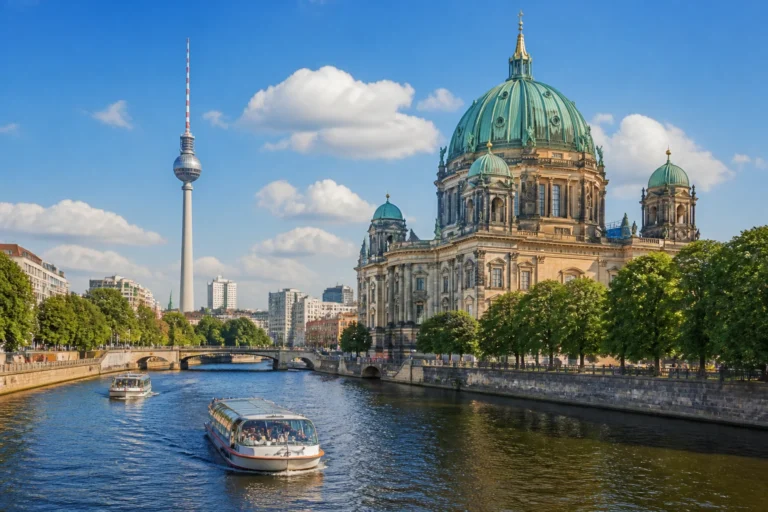
Berlin
Berlin is one of Europe’s most varied city breaks: part historic capital, part creative playground, part everyday neighbourhood city.…
Explore destination AI illustration
Dortmund
Dortmund is a lively Ruhr city where industrial heritage, football culture and green public spaces sit alongside a busy…
Explore destination AI illustration
Dusseldorf
Dusseldorf is a compact, easy-to-navigate city on the Rhine with a strong mix of business energy, art, riverfront walks,…
Explore destination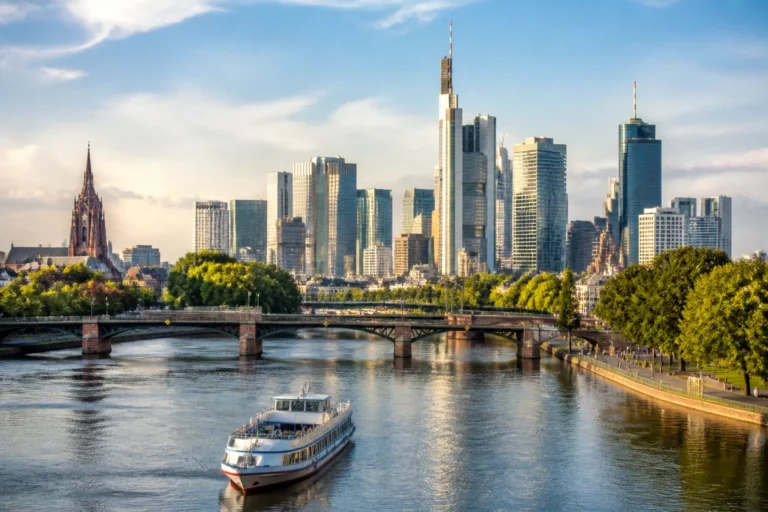 AI illustration
Frankfurt
Frankfurt is more than a financial centre: its compact core combines reconstructed old-town streets, major art collections and a…
Explore destination