
United Kingdom · Europe
Newcastle Travel Guide: What to See and How to Plan
Newcastle is a walkable city break with striking bridges, historic streets and a lively cultural scene. Its central neighbourhoods are close enough to explore on foot, while the Metro provides a useful link between the airport, city centre and surrounding areas. This guide covers what to see, where to stay and the practical details to consider when planning a trip to Newcastle, United Kingdom.
Find flights to Newcastle ↓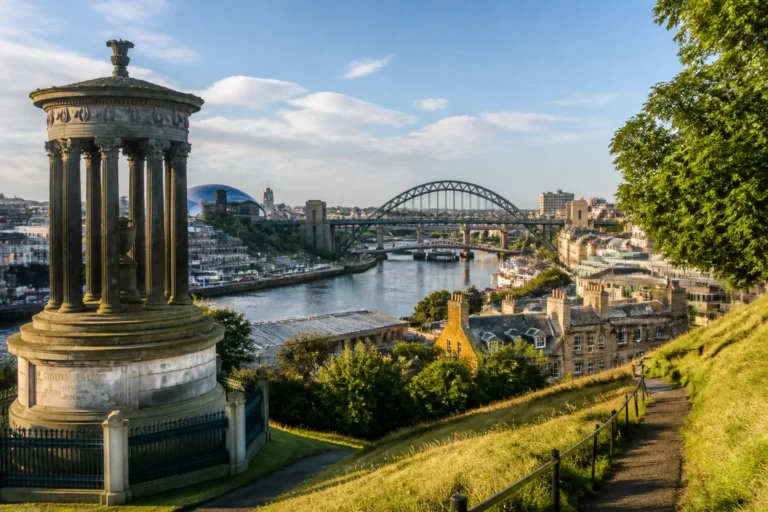 AI illustration
Find flights to Newcastle
Compare flights · EURAbout Newcastle
Often called Newcastle upon Tyne, the city combines a compact centre with a strong sense of local identity. Its riverside setting, historic architecture and cultural venues make it a good choice for a short break, particularly for travellers who enjoy exploring on foot and mixing sightseeing with cafés, pubs and live entertainment.
The central area is relatively easy to navigate, but the character changes between neighbourhoods: grand streets and shops around the centre give way to the riverside Quayside and the more independent feel of Ouseburn. Newcastle can suit couples, solo travellers and groups, as well as visitors looking for a base for exploring more of the region.
- Historic streets and landmarks in the city centre
- Riverside views along the Quayside
- Museums, music venues and independent cafés
Things to do in Newcastle
Start in the city centre around Grey Street, known for its curved terraces and prominent civic architecture, then continue towards Newcastle Castle to explore the city’s medieval history. The Great North Museum: Hancock offers natural history and archaeology exhibitions, making it a useful indoor option as well as a cultural stop.
Follow the river to the Quayside for views of Newcastle’s bridges and a different perspective on the city. Ouseburn, east of the centre, is known for its creative venues, music spaces and independent places to eat and drink. Allow time to explore rather than treating it as a quick stop: the route involves a walk from the central area, or you can use local transport.
If you have extra time, look into current exhibitions, performances and events before travelling, as programmes and opening arrangements can change. Newcastle’s appeal is not limited to its best-known sights; its neighbourhoods and evening culture are a worthwhile part of a visit.
- Walk between Grey Street, the Castle and the river
- Visit the Great North Museum: Hancock
- Explore the Quayside and Ouseburn
Best time to visit Newcastle
Late spring and summer bring longer daylight hours, which can make it easier to fit riverside walks and neighbourhood visits into the day. These periods may also be busier, especially when events are taking place, so check accommodation availability and event dates before settling on travel dates.
Autumn and winter can work well for a museum- and venue-focused break, though daylight is shorter and conditions can be changeable. Pack layers and a waterproof outer layer at any time of year, and check opening times for individual attractions before making a detailed itinerary.
How long to stay in Newcastle
Two nights is a practical starting point for seeing the central landmarks, visiting a museum and spending time on the Quayside. It gives you room for an unhurried meal or an evening out without trying to cover every neighbourhood in a single day.
With three nights, you can explore Ouseburn at a more relaxed pace, add another cultural stop or leave time for an event. A one-night visit is possible if you are passing through, but it is likely to mean choosing between the city centre, riverside and neighbourhood sights.
Newcastle Airport and getting around
Newcastle International Airport (NCL) is the main airport serving the city. The Metro connects the airport with central Newcastle, and is a straightforward option for reaching the city without arranging a car. Check the current service information, journey options and any planned changes with the official Metro operator before you travel.
Taxis and private-hire vehicles are other options; confirm the pick-up arrangements and fare with the provider. If you are comparing flights, consider the airport-to-accommodation journey as well as the arrival time, particularly if you will be travelling late or carrying bulky luggage.
In the city, many central sights are within walking distance of one another. The Metro and local buses can help with longer journeys, including trips between the centre and neighbourhoods such as Jesmond. For train journeys within the UK, Newcastle Central Station is a key rail hub; check current routes and timetables with the relevant operator.
- Airport: Newcastle International Airport (NCL)
- Metro link between the airport and central Newcastle
- Walking is useful for exploring the central area
Where to stay in Newcastle
The city centre is a convenient base for first-time visitors, with shops, restaurants, Central Station and many major sights nearby. It is also a practical choice for a short stay when you want to keep travel time between activities to a minimum.
Choose the Quayside if riverside scenery and dining are priorities, while Jesmond offers a more residential setting with places to eat and Metro connections. Ouseburn suits visitors interested in its creative and music scene, although it is less central for some headline attractions. Compare the location with your plans and check how you will travel back after evening activities.
Practical tips for visiting Newcastle
Plan around the geography rather than cramming the itinerary: combine nearby central sights on foot, then set aside separate time for Ouseburn or other areas farther from the centre. Comfortable shoes are useful, and riverside routes and some neighbourhood streets may include slopes or uneven surfaces.
Check attraction opening days, entry arrangements and event listings directly before travelling. If a performance or major event is central to your trip, book accommodation with that date in mind and allow for higher demand. Public transport details can change, so consult official operator information for the latest routes and ticket options.
The UK uses pound sterling and Type G electrical sockets. Check official UK government guidance for entry requirements that apply to your nationality and circumstances, rather than relying on general travel summaries. FlyGo.si can help you compare flights and explore destinations, but it is not an airline or ticket issuer.
Frequently asked questions about Newcastle
How do I get from Newcastle Airport to the city centre?
The Metro connects Newcastle International Airport with central Newcastle. Check the official Metro operator’s current service information before setting out; taxis and private-hire vehicles are alternatives.
Is Newcastle easy to explore without a car?
Yes. Many central attractions are walkable, and the Metro and local buses can help with journeys to neighbourhoods farther from the centre. Check current routes and services when planning.
How many days should I spend in Newcastle?
Two nights is a useful starting point for the city centre, a museum and the Quayside. Three nights gives you more time for Ouseburn, additional cultural visits or an evening event.
Which area is best to stay in for a first visit to Newcastle?
The city centre is a convenient base for major sights and transport. The Quayside, Jesmond and Ouseburn are alternatives if riverside dining, a residential feel or creative venues matter more to your plans.
What can I do in Newcastle on a rainy day?
Consider the Great North Museum: Hancock, Newcastle Castle or another indoor cultural venue. Check opening arrangements and current exhibitions directly before visiting.
Travel information can change. Check official transport operators and attraction websites before booking.
Editorial review: 23 Oct 2026
More destinations to explore
 AI illustration
Birmingham
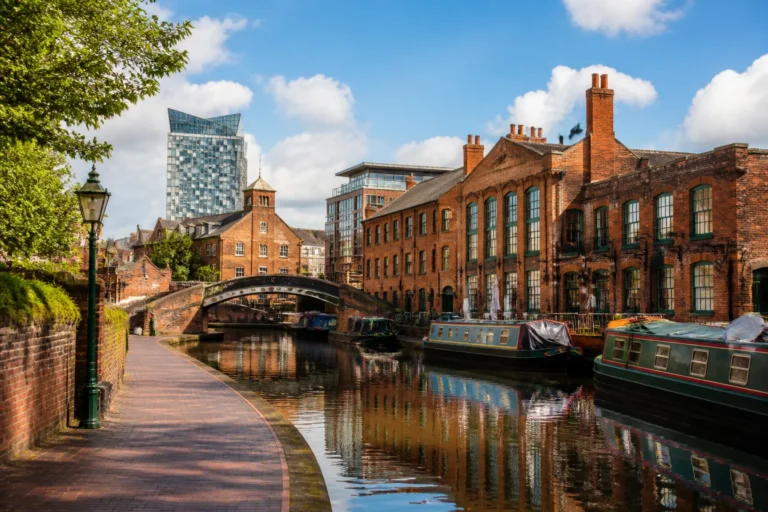
Birmingham combines an industrious past with a lively cultural scene, independent neighbourhoods and a network of canals through the…
Explore destination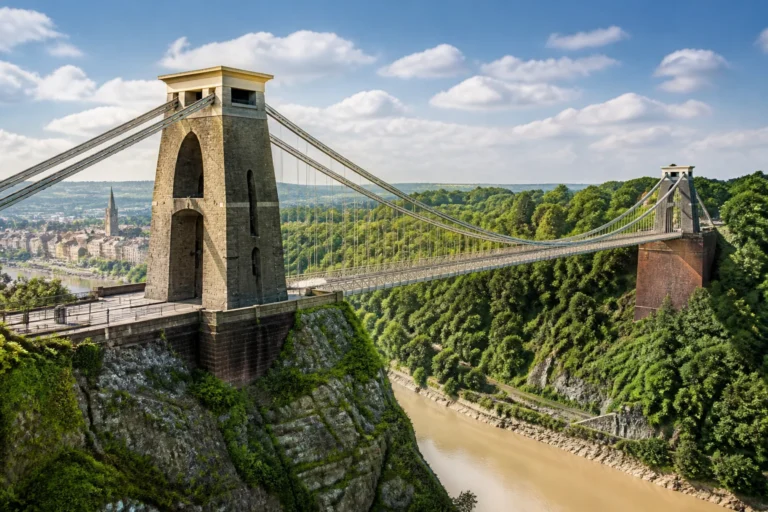 AI illustration
Bristol
Bristol combines a historic harbour and maritime heritage with independent shops, a lively food scene and a strong creative…
Explore destination AI illustration
Edinburgh
Edinburgh pairs a compact, walkable centre with historic streets, grand Georgian architecture and views towards hills and the Firth…
Explore destination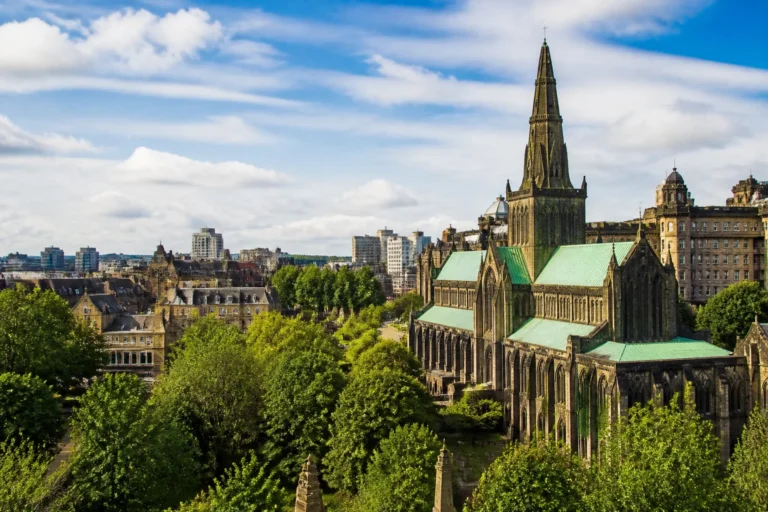 AI illustration
Glasgow
Glasgow combines grand Victorian architecture, a lively music scene and a strong cultural offer with a distinctly local feel.…
Explore destination