
United Kingdom · Europe
Glasgow Travel Guide: What to See and How to Plan
Glasgow combines grand Victorian architecture, a lively music scene and a strong cultural offer with a distinctly local feel. Its museums, independent shops and neighbourhood cafés reward a trip that goes beyond the central sights, while the subway and rail network make it straightforward to explore different parts of the city. Use this guide to plan your visit, choose an area to stay in and compare flights to Glasgow.
Find flights to Glasgow ↓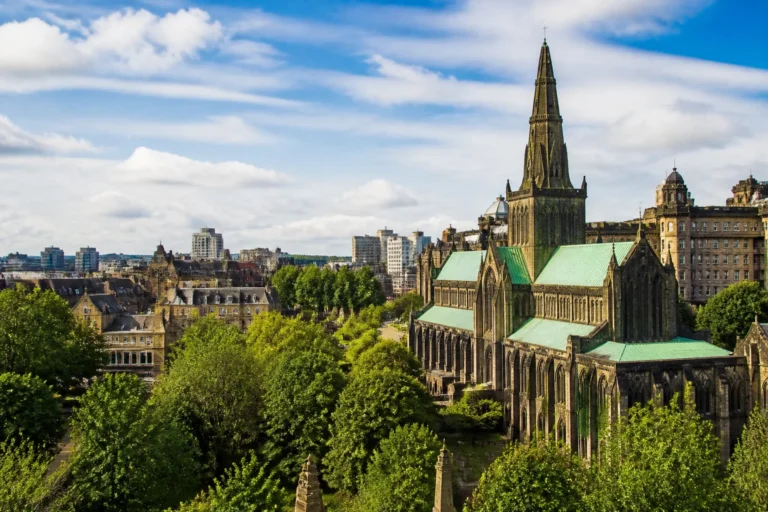 AI illustration
Find flights to Glasgow
Compare flights · EURWhat to expect in Glasgow
Glasgow is Scotland’s largest city, known for its impressive nineteenth-century buildings, museums and lively arts and music culture. The centre is compact enough to explore on foot, but the city’s character changes as you move between the commercial streets, the West End and riverside areas. It suits travellers who enjoy galleries, live performances, architecture and neighbourhood restaurants as much as a checklist of landmarks.
Many major museums do not charge for general admission, though special exhibitions or events may have separate arrangements. Glasgow also makes a useful base for exploring western Scotland, but allow time for the city itself: its collections, historic buildings and café culture are spread across several districts.
- Explore the collections at Kelvingrove Art Gallery and Museum.
- See Glasgow Cathedral and the historic buildings around it.
- Look out for the city’s distinctive architecture and Mackintosh connections.
- Make time for live music, theatre or a local food stop.
Things to do in Glasgow
Start in the city centre, where George Square, the surrounding civic buildings and the shopping streets make a good orientation walk. Glasgow Cathedral and the nearby Necropolis offer a different perspective on the city’s history and architecture. Check opening arrangements before visiting religious or cultural sites, as access can vary with services and events.
The West End is a natural destination for a museum visit and a slower afternoon. Kelvingrove Art Gallery and Museum is a major draw, while the University of Glasgow’s historic setting and the nearby lanes and cafés add to the area’s appeal. Further west, the Riverside Museum explores transport and local history; the Burrell Collection, in Pollok Country Park, is another substantial collection and takes more time to reach.
For a more contemporary feel, explore Finnieston’s restaurants and bars or the independent shops and cultural venues around the city centre and Merchant City. Glasgow’s music venues are an important part of its identity, but line-ups and entry arrangements change, so check directly with venues when planning an evening.
- Combine the cathedral and Necropolis in the east of the centre.
- Pair Kelvingrove with a walk through the West End.
- Visit the Riverside Museum or the Burrell Collection for a different side of the city.
- Check local listings for concerts, theatre and exhibitions.
When to visit Glasgow
Glasgow can be visited throughout the year. Late spring and summer bring longer daylight hours, which are useful for combining city walks with parks and riverside sights. These periods can also be busy, particularly when major events are taking place, so book accommodation early if your dates coincide with a large concert, festival or sports fixture.
Spring and autumn can suit visitors who want to focus on museums, architecture and food without planning every day around outdoor activities. Glasgow’s weather is changeable, and rain is possible in any season; bring a light waterproof layer and comfortable shoes. Winter visits work well for indoor attractions and evening performances, but check seasonal opening hours and transport arrangements before travelling.
How long to stay in Glasgow
Two full days are enough for a first visit centred on the city centre, Glasgow Cathedral, one or two museums and an evening out. With three days, you can spend more time in the West End and add a visit to the Riverside Museum or the Burrell Collection without rushing between districts.
Allow extra nights if you plan day trips beyond the city or want to attend a particular performance or event. Glasgow is a practical starting point for wider travel in Scotland, but check journey times and connections for each excursion rather than assuming that every destination is a quick trip.
Glasgow Airport and getting around
Glasgow Airport (GLA) is the main airport for visitors flying to the city. It lies west of the centre. Options into town include airport bus services, taxis and car hire; the most suitable choice depends on your arrival time, luggage and onward plans. There is no railway station at the airport itself, so check current public transport routes and connections before setting off.
Within Glasgow, the subway is useful for linking the city centre with parts of the West End, while local trains and buses cover a wider area. Walking is often convenient around the central districts, although distances between attractions can add up. Check official transport operators for current routes, fares, service changes and accessibility information. If you hire a car, consider whether you need it in the city, where public transport and parking arrangements may make it less convenient.
- Compare airport bus, taxi and car-hire options for your arrival.
- Use the subway for selected central and West End journeys.
- Check current operator information before travelling.
Where to stay in Glasgow
The city centre is a practical choice for a short visit, with a broad range of accommodation and easy access to shops, restaurants, rail connections and many central sights. Merchant City is close by and offers a distinctive setting near restaurants, bars and cultural venues; it can be a good fit if you want to spend evenings in the area.
Choose the West End for museums, the university district and a neighbourhood atmosphere, while keeping in mind that reaching some central attractions may involve a subway, bus or longer walk. Finnieston is convenient for dining and event venues, but check the location carefully against your plans. Before booking, compare the distance to a suitable transport stop, late-night noise potential and the property’s cancellation terms.
- City centre: convenient for first-time visitors and transport connections.
- Merchant City: well placed for restaurants and evening outings.
- West End: close to museums and university-area sights.
- Finnieston: a useful base for restaurants and nearby venues.
Practical tips for planning a Glasgow trip
Check museum opening days and any ticket requirements before building your itinerary, especially for special exhibitions. Group nearby sights together to avoid unnecessary cross-city journeys, and leave some flexibility for indoor activities if the weather changes. For popular performances and major events, use the venue’s own information for dates, entry details and accessibility.
The United Kingdom uses pounds sterling. Contactless payment is widely used, but it is sensible to have a backup payment method and to check whether your bank charges for overseas transactions. European visitors should confirm passport, entry and healthcare requirements through official government guidance for their circumstances; rules can vary by nationality and may change.
FlyGo.si is an independent flight comparison website. You can compare flight options to Glasgow and then check details directly with the airline or travel provider before making plans. For ground transport, consult the relevant operator for the latest service information.
Frequently asked questions about Glasgow
Which airport should I use for Glasgow?
Glasgow Airport (GLA) is the main airport serving the city. Check your flight details and plan your onward journey using current information from the airport and transport operators.
How many days do I need in Glasgow?
Two full days can cover several central sights and a museum. Three days gives you more time for the West End, additional collections and a more relaxed pace.
Is Glasgow easy to explore without a car?
Yes, many central sights are walkable, and the subway, local trains and buses serve other areas. Check routes and service information for the specific places you plan to visit.
What is a good area to stay in for a first visit?
The city centre is a practical base for transport and central attractions. The West End, Merchant City and Finnieston are alternatives if you prefer to stay nearer particular museums, restaurants or venues.
What should I pack for Glasgow?
Pack comfortable walking shoes and a light waterproof layer, as conditions can change. Check the forecast shortly before travel and bring clothing suited to the season and your planned activities.
Travel information can change. Check official transport operators and attraction websites before booking.
Editorial review: 23 Oct 2026
More destinations to explore
 AI illustration
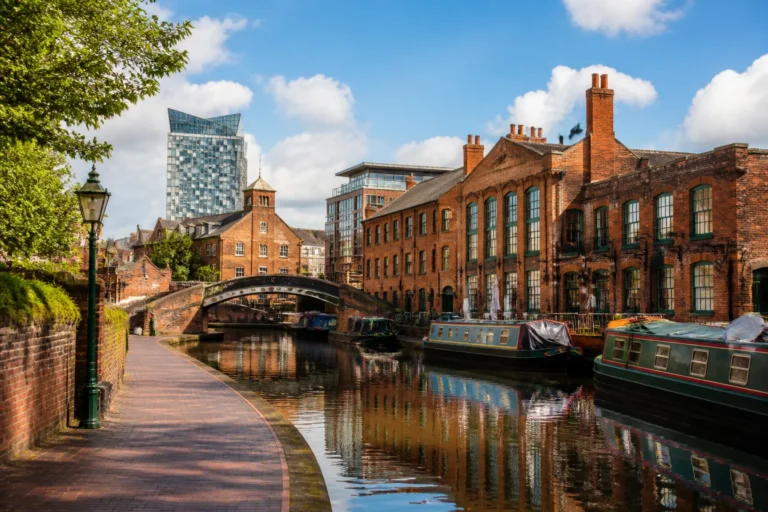
Birmingham
Birmingham combines an industrious past with a lively cultural scene, independent neighbourhoods and a network of canals through the…
Explore destination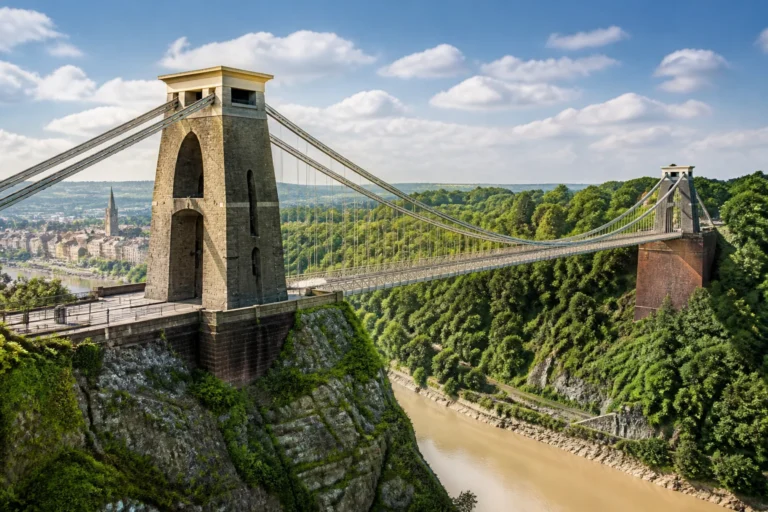 AI illustration
Bristol
Bristol combines a historic harbour and maritime heritage with independent shops, a lively food scene and a strong creative…
Explore destination AI illustration
Edinburgh
Edinburgh pairs a compact, walkable centre with historic streets, grand Georgian architecture and views towards hills and the Firth…
Explore destination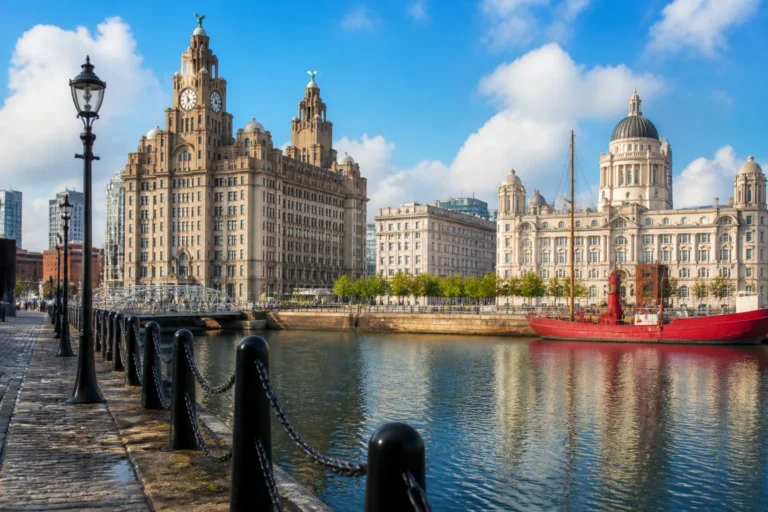 AI illustration
Liverpool
Liverpool combines a compact waterfront, major museums and a strong music heritage with lively neighbourhoods beyond the centre. Visitors…
Explore destination