
Spain · Europe
Malaga city break guide
Malaga is a practical and appealing base for travellers who want culture, beaches, and easy day trips on the Costa del Sol. The city combines an old centre, a busy waterfront, and a strong food scene without feeling overwhelming. It also works well for independent travellers because it is straightforward to navigate, has a major airport nearby, and offers a wide range of neighbourhoods and accommodation styles.
Find flights to Malaga ↓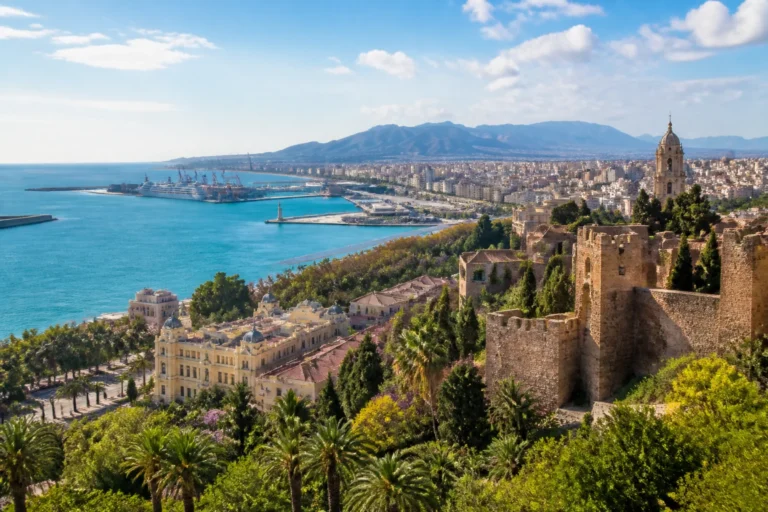 AI illustration
Find flights to Malaga
Compare flights · EURAbout Malaga
Malaga sits on Spain’s southern coast in Andalusia and offers a mix of historic landmarks, urban beaches, and a lively local rhythm. It is not just a gateway to the Costa del Sol; the city itself has enough museums, tapas bars, parks, and seafront promenades to justify a stay of its own. For travellers who like a city that feels both relaxed and active, Malaga is an easy place to settle into.
The centre is compact enough for walking, which suits short breaks, but there is more to explore if you move beyond the main tourist streets. You will find everything from a Moorish fortress and Roman remains to contemporary art spaces and neighbourhood markets. The atmosphere changes noticeably between the old town, the port area, and the beach districts, so it is worth allowing time to experience more than one side of the city.
- Compact centre with walkable sights
- Strong mix of culture, beaches, and food
- Good starting point for Costa del Sol travel
Things to do in Malaga
A classic first stop is the historic centre, where you can combine the cathedral area, narrow streets, plazas, and tapas stops in one walk. The Alcazaba and nearby Roman Theatre are especially useful for understanding the city’s long history, while the Gibralfaro area offers wider views across the harbour and rooftops. If you enjoy museums, Malaga has a reputation that goes beyond the usual coastal fare, with several small and mid-sized collections covering art and local history.
For a more relaxed day, head towards the waterfront and the city beaches. The port and promenade area is good for an easy stroll, and the beach districts give the city a more local, lived-in feel, especially outside peak summer hours. Food is another major reason to linger: try a meal that leans on seafood, simple grilled dishes, and Andalusian specialities rather than treating the city only as a stopover. Day trips can also be rewarding if you want to see whitewashed inland towns or more of the wider region, but Malaga itself has enough to fill a couple of days without rushing.
- Walk the old town and historic monuments
- Visit museums and galleries beyond the main square
- Spend time on the waterfront and city beaches
- Leave room for tapas, seafood, and local wine
Best time to visit Malaga
Malaga is a year-round destination, but the experience changes with the season. Spring and autumn are usually the most comfortable periods for combining sightseeing with outdoor time, because walking the city and sitting outside tends to feel easier. These shoulder seasons also suit travellers who prefer a more balanced pace and fewer crowds than in the main holiday months.
Summer brings the fullest beach atmosphere and the longest evenings, but it can also be hot and busier, especially around the coast and in popular dining areas. Winter is milder than in much of Europe, which makes Malaga appealing for a city break if you want daylight, café culture, and museum visits without cold-weather packing. If your priorities are beach time and evening life, summer works well; if you prefer sightseeing and flexibility, spring or autumn is often more comfortable.
- Spring and autumn suit sightseeing and walking
- Summer is best for beaches and long evenings
- Winter works well for a milder urban escape
How long to stay in Malaga
Two full days is enough for a first look at the main sights, the old centre, and a relaxed waterfront visit. That amount of time works well if you are passing through Andalusia or want a short city break with a beach element. You can cover the key monuments, take in a museum or two, and still leave time for food and a slow evening stroll.
Three to four days feels more balanced if you want to mix sightseeing with unhurried meals and perhaps one day trip or a more relaxed beach day. Longer stays suit travellers who like to explore neighbourhoods, seek out local markets, or use the city as a base for the wider region. Malaga rewards slower travel, especially if you enjoy repeating simple routines like breakfast near your accommodation, a midday museum, and dinner by the water.
- 2 days for the core city highlights
- 3–4 days for a more relaxed break
- Longer stays work well as a regional base
Airports and transport
Malaga is served by Malaga Airport, which makes it one of the easiest Spanish coastal cities to reach for European travellers. From the airport, you can usually continue into the city by train, bus, taxi, or rideshare-style services where available. For current options and timings, check the airport and operator information before you travel, as services can change with the season and time of day.
Once in the city, walking is often the simplest way to move around the historic centre and central waterfront areas. Public transport can help for beach districts and longer cross-city journeys, and taxis are useful late in the evening or when carrying luggage. If you plan to explore beyond Malaga, regional trains and buses can be practical for selected destinations, but it is wise to confirm connections in advance rather than assuming frequent departures.
- Malaga Airport is the main air gateway
- City centre is easy to explore on foot
- Use public transport or taxis for longer hops
Where to stay in Malaga
For a first visit, staying in or near the historic centre is the most straightforward option. You will be close to major sights, restaurants, and evening life, which reduces the need for transport and makes short breaks more efficient. This area suits travellers who want to see the city on foot and return easily to their accommodation between outings.
If you prefer a more modern or scenic setting, the port and seafront areas offer a different feel, with easier access to the waterfront and a more open atmosphere. Beach districts can work well for travellers who want a slower pace and do not mind being a little farther from the main monument zone. Families and longer-stay visitors may also find apartment-style accommodation useful, especially if they want more space or simple self-catering options.
- Historic centre for first-time visitors
- Port and seafront for a modern feel
- Beach areas for slower, more relaxed stays
Practical tips for Malaga
It helps to plan Malaga as a city of contrasts: comfortable for walking, but best enjoyed when you do not try to cram everything into one afternoon. The strongest impression often comes from combining a few major sights with ordinary moments such as coffee on a square, lunch near the market, or an evening on the promenade. If you visit in hotter months, think about breaks during the warmest part of the day and save indoor attractions for then.
Packing should reflect both city and coast. Light clothing and comfortable shoes make sense for most of the year, but you may also want something modest for church visits or cooler evenings outside summer. For food, try to eat at different times than the most obvious tourist rush if you want a calmer experience. And if you are continuing onward by train, bus, or regional transport, allow extra time: Spanish travel can be smooth, but direct departures and exact platforms are worth confirming before you go.
- Mix sightseeing with unhurried meals and breaks
- Comfortable shoes matter in the old centre
- Check onward transport details in advance
Frequently asked questions about Malaga
Is Malaga good for a short city break?
Yes. Malaga works very well for a short break because the centre is compact, the main sights are close together, and you can combine history, food, and the seafront without spending much time getting around.
Do you need a car in Malaga?
Usually no for the city itself. Walking and public transport are enough for central areas, and taxis can fill the gaps. A car only becomes more useful if you plan several day trips outside the city.
Can you combine Malaga with the beach?
Yes. Malaga has urban beaches and a waterfront promenade, so you can fit beach time into a city stay without leaving town. If you want a quieter coastal experience, consider staying near the seafront or planning a longer visit.
What kind of traveller is Malaga best for?
Malaga suits independent travellers who like a mix of culture, easy walking, good food, and access to the coast. It also works well for travellers who want a city break with a more relaxed pace than a large inland metropolis.
Is Malaga only worth visiting as a stopover?
No. While it is convenient as a gateway to southern Spain, Malaga has enough museums, historic sights, neighbourhoods, and beach areas to stand on its own for several days.
Travel information can change. Check official transport operators and attraction websites before booking.
Editorial review: 23 Oct 2026
More destinations to explore
 AI illustration
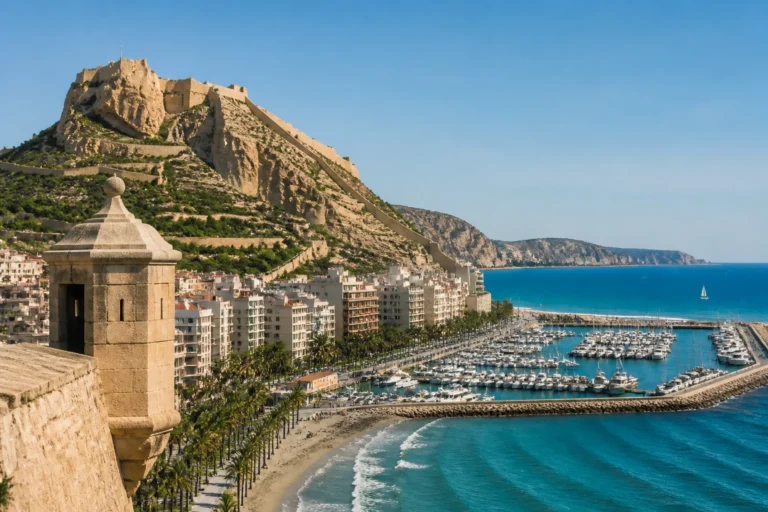
Alicante
Alicante is an easygoing Mediterranean city where a compact old centre, a long waterfront and a busy local food…
Explore destination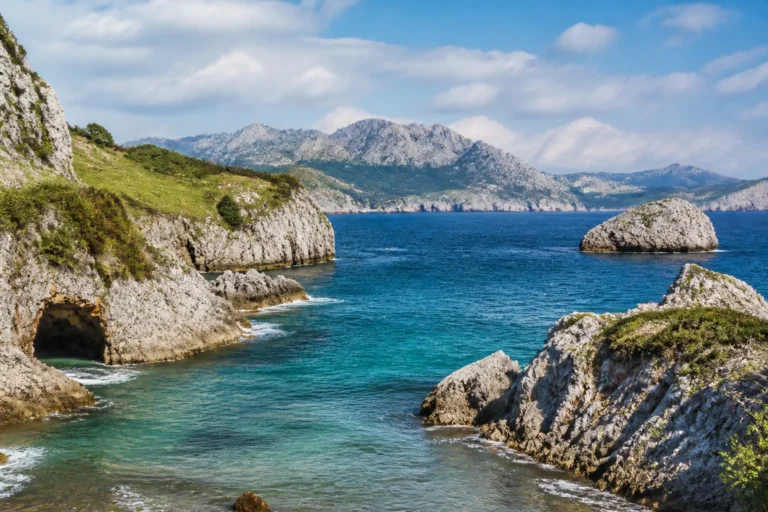 AI illustration
Asturias
Asturias is a region in northern Spain where compact cities, Atlantic beaches and green mountain landscapes make very different…
Explore destination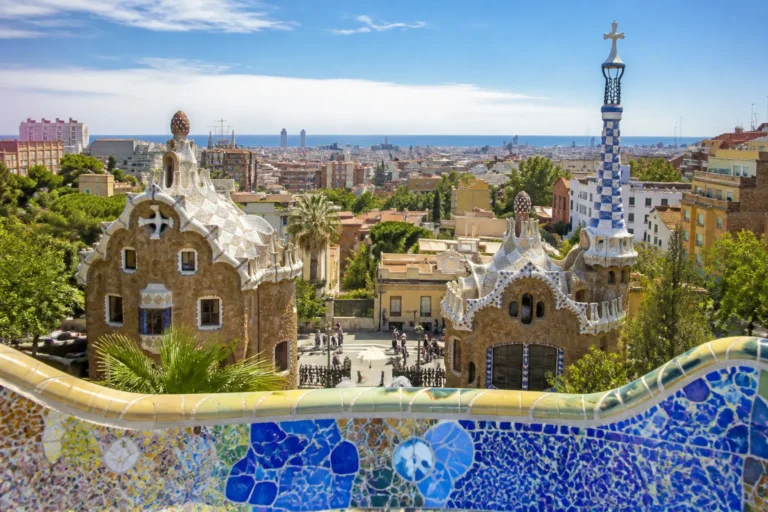 AI illustration
Barcelona
Barcelona mixes a compact city break with beach time, neighbourhood wandering and a strong food-and-culture scene. For European independent…
Explore destination AI illustration
Bilbao
Bilbao is one of northern Spain’s most interesting city breaks: compact enough to explore on foot in parts, but…
Explore destination