
Thailand · Asia
Bangkok Travel Guide: What to See and How to Plan Your Trip
Bangkok is a large, energetic city where ornate temples, markets and street food sit alongside shopping centres and modern rail lines. Its neighbourhoods each have a different pace, and traffic can make short journeys take longer than expected. This guide covers what to see, when to go, where to stay and how to plan your arrival, so you can shape a visit around the experiences that matter most to you.
Find flights to Bangkok ↓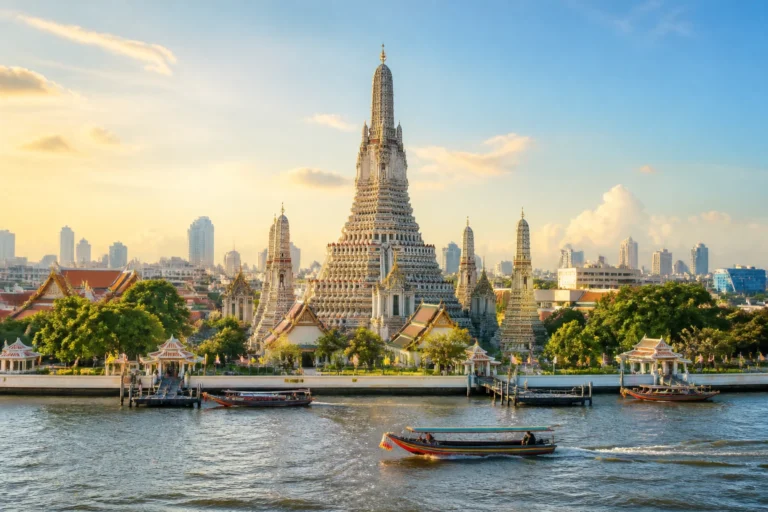 AI illustration
Find flights to Bangkok
Compare flights · EURWhat to expect in Bangkok
Thailand’s capital is a sprawling city shaped by the Chao Phraya River, busy roads and a network of rail lines. Its appeal lies in the contrast between historic temples and palaces, lively markets, contemporary shopping districts and everyday street life. Visitors can spend a morning among riverside landmarks and an evening eating in a neighbourhood restaurant or exploring a night market.
Bangkok suits travellers interested in food, architecture, shopping and urban culture, as well as those using the city as a starting point for a wider trip around Thailand. It can feel hot, crowded and noisy, and getting between areas may take longer than the map suggests. Building in breaks and planning each day around one or two nearby districts makes exploring more comfortable.
- The Grand Palace and Wat Phra Kaew
- Wat Pho and its temple complex
- Chao Phraya riverfront
- Markets, food stalls and neighbourhood restaurants
Things to do in Bangkok
Begin with the historic riverside area. The Grand Palace complex and Wat Phra Kaew are among the city’s best-known sights; nearby Wat Pho is another major temple. Check each site’s visitor information before setting out, as opening arrangements and entry conditions can change. Dress respectfully at religious sites and allow time to walk around rather than treating the area as a quick photo stop.
A river boat journey offers a different view of the city and can be a practical way to reach some riverside stops. For markets and food, choose a district that fits your interests and check which days it is active before travelling. Chinatown is known for its food and busy streets, while modern shopping areas provide a cooler indoor break. A cooking class, museum visit or guided food walk can add context if you have extra time.
- Explore the old-city temples
- See the city from the Chao Phraya
- Try regional Thai dishes and street food
- Visit a market or museum
Best time to visit Bangkok
Many visitors prefer the cooler, generally drier period from around November to February. This is a popular time to explore on foot, although conditions vary and the city can still be warm. March to May is typically hotter, while the wetter months, broadly May to October, can bring heavy showers. Rain does not necessarily last all day, but it can affect walking plans and road traffic.
Consider the balance you want between outdoor sightseeing and flexibility. If travelling during a wetter period, plan indoor alternatives and avoid relying on tight transfers across town. For any season, bring light clothing suitable for heat, sun protection and footwear that is comfortable for walking and easy to remove at temples.
How long to stay in Bangkok
Two full days can cover a first look at the historic centre, a river journey and one food or shopping area, but it leaves little room for delays or a slower pace. Three or four days gives more space to explore separate neighbourhoods, visit a museum or market and take breaks from the heat.
If Bangkok is part of a longer Thailand itinerary, consider whether you want the city to be a short stop or a destination in its own right. Avoid scheduling several distant sights in one day: traffic, queues and the scale of the city can make an ambitious itinerary tiring.
Bangkok airports and getting around
Bangkok is served by Suvarnabhumi Airport (BKK) and Don Mueang International Airport (DMK). Check which airport is shown on your flight details, especially if you have a connecting flight or are arranging onward transport. They are separate airports, so allow generous time if you need to travel between them and check current transfer options before relying on a connection.
Suvarnabhumi has an airport rail link, alongside road-based options such as taxis and buses. Don Mueang also has public transport and road transfer options. Services, routes and operating arrangements can change; consult the relevant airport and transport operators for current information. In the city, the BTS Skytrain and MRT metro are useful for many areas, while river boats serve parts of the waterfront. Taxis and ride-hailing services can help with places not near rail, but journey times by road vary considerably.
- Check your airport code before departure
- Use rail for suitable city journeys
- Allow extra time for road travel
Where to stay in Bangkok
For easy access to modern rail, look at areas around the BTS and MRT networks, including central shopping districts and Sukhumvit. These can suit visitors who want restaurants, shops and transport close by. Check the nearest station and the walking route from accommodation rather than relying only on the neighbourhood name.
The old-city area is convenient for major temples and historic sights, although it has a different feel from the central business and shopping districts. Riverside stays offer access to the water and views, but may be less convenient for some rail journeys. Chinatown can suit food-focused visitors. Choose accommodation around your likely daily plans, and consider whether you prefer a quieter base or a lively evening scene.
Practical tips for planning a Bangkok trip
Bangkok is large, so group activities by area and check journey options before committing to a timed booking. During busy periods or heavy rain, road trips may take longer; keep some flexibility around airport transfers and appointments. For public transport, check current fares, payment methods and service information with the operator rather than assuming one ticket or payment method works across every system.
Carry water, take breaks indoors when needed and keep a little space in your schedule for meals and rest. At temples, follow posted dress and visitor rules. When ordering food, ask about ingredients or spice levels if you have dietary needs, and use clear wording to explain any allergies. Compare flights through FlyGo.si as one part of planning, then confirm airport details and travel arrangements with the relevant providers.
- Plan by neighbourhood to reduce backtracking
- Check current transport and site information
- Leave a buffer for airport journeys
Frequently asked questions about Bangkok
Which airport should I choose for Bangkok?
Bangkok has two main airports: Suvarnabhumi (BKK) and Don Mueang (DMK). The airport depends on your flight itinerary, so check the code on your booking and plan transfers accordingly.
How many days are enough for Bangkok?
Two full days can cover several major sights, but three or four days allow a more relaxed pace and time for different neighbourhoods. Allow extra time if you have onward travel to arrange.
What is the best way to get around Bangkok?
BTS and MRT services are useful for many journeys, while river boats serve parts of the waterfront. Taxis and ride-hailing can cover other routes, but road travel times vary with traffic.
When is the rainy season in Bangkok?
The wetter period is broadly May to October, though timing and rainfall vary. Keep plans flexible and check local conditions during your trip.
Where should a first-time visitor stay in Bangkok?
Central areas near BTS or MRT stations are practical for reaching many parts of the city. The old-city area can be convenient for temples, while the riverside and Chinatown suit different priorities.
Travel information can change. Check official transport operators and attraction websites before booking.
Editorial review: 6 Nov 2026
More destinations to explore
 AI illustration
Antalya
Antalya is one of Turkey’s easiest coastal bases for a city break with sea views, Old Town atmosphere and…
Explore destination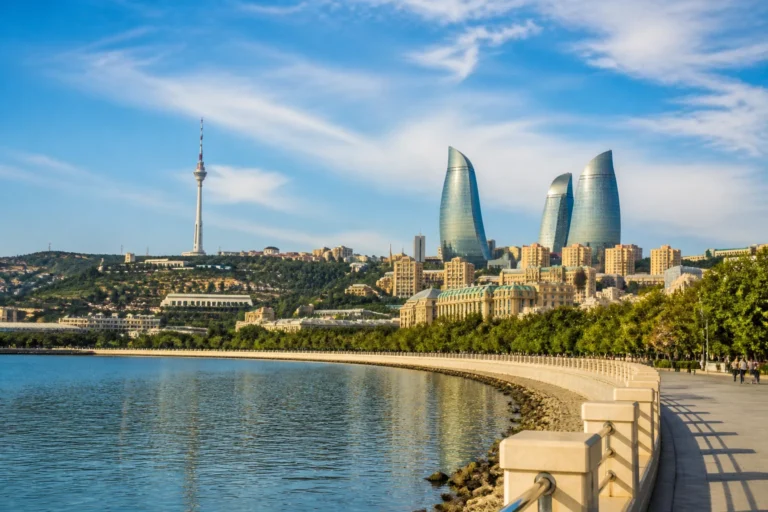 AI illustration
Baku
Baku brings together a compact historic centre, broad Caspian waterfront and striking modern architecture. The Azerbaijani capital is a…
Explore destination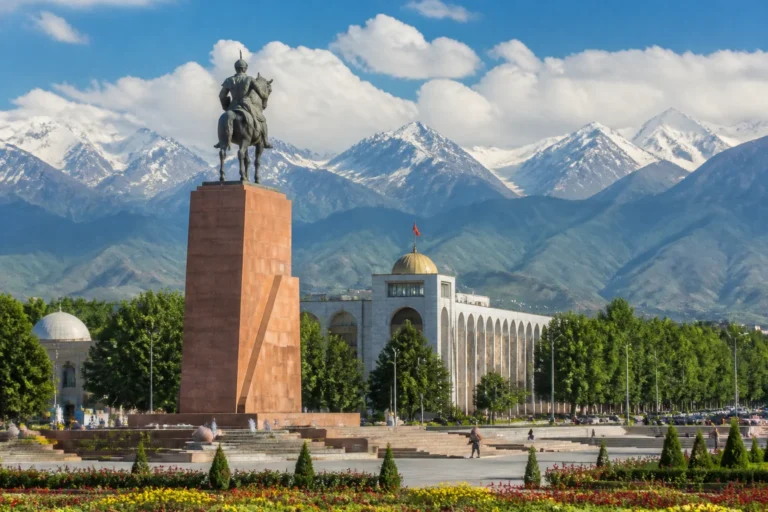 AI illustration
Bishkek
Bishkek, the capital of Kyrgyzstan, is a practical base for exploring the country as well as a city worth…
Explore destination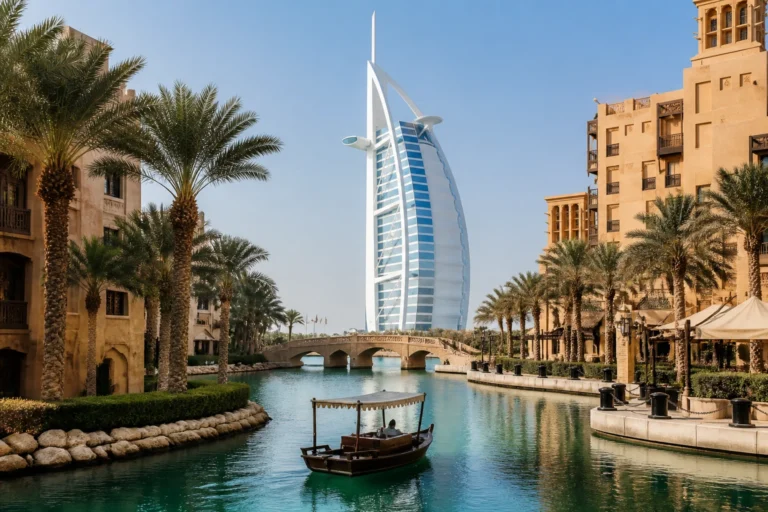 AI illustration
Dubai
Dubai is a fast-moving city of skyline views, neighbourhood contrasts and easy stopover logistics, but it also rewards travellers…
Explore destination