
Georgia · Asia
Tbilisi Travel Guide: Plan Your Visit
Tbilisi, Georgia’s capital, combines a walkable historic centre with hillside viewpoints, neighbourhood cafés and a strong food and wine culture. Its streets bring together wooden balconies, church courtyards and more recent architecture, while the city’s baths and markets offer a sense of everyday life. This guide covers what to see, when to go, how to get around and where to stay, with practical pointers for planning a trip.
Find flights to Tbilisi ↓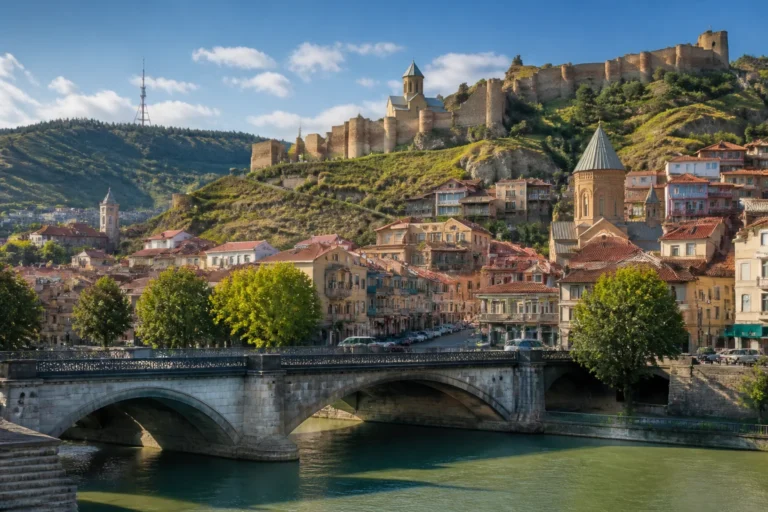 AI illustration
Find flights to Tbilisi
Compare flights · EURWhat to expect in Tbilisi
Tbilisi is a large, layered capital set along the Mtkvari River, with much of its historic centre arranged between the river and surrounding hills. The old lanes and carved wooden balconies are part of its appeal, but the city is not a preserved museum: residential streets, busy roads, modern buildings and small local businesses sit side by side. Expect some steep walks and uneven pavements, especially around the older hillside districts.
Travellers come for the architecture, Georgian food and wine, historic churches, bath culture and the city’s distinctive mix of influences. Tbilisi works well for a city break, but it can also suit a slower visit centred on neighbourhood wandering and long meals. English is used in many visitor-facing businesses, though having an offline map and a few translated place names can be helpful.
- Historic lanes and balconies around the old centre
- Sulfur baths in Abanotubani
- Georgian food, wine and café culture
Things to do in Tbilisi
Start with the old centre, including the streets around Abanotubani and the river. The sulfur baths are a longstanding local tradition; if you plan to use one, check the available facilities, booking arrangements and bathing customs directly with the venue. Nearby, the area around Narikala Fortress offers views over the rooftops. Walking uphill is possible, while the cable car is another option when operating; check current service information before relying on it.
For a different perspective, browse the Dry Bridge market area, where stalls may include antiques, artwork and household objects, or follow Rustaveli Avenue for museums, theatres and imposing civic buildings. Mtatsminda is a popular viewpoint reached by funicular when services are running. Leave time for meals: try local dishes such as khinkali dumplings and khachapuri, and explore the city’s wine bars without assuming every menu or tasting is the same.
- Explore the old centre and Abanotubani
- Visit Narikala for elevated city views
- Browse the Dry Bridge market area
- Take in Rustaveli Avenue and its cultural venues
When to visit Tbilisi
Spring and autumn are often comfortable seasons for exploring on foot, with a good balance between outdoor sightseeing and time in cafés or museums. Conditions vary from year to year, so check a current forecast and pack for changing temperatures, particularly if you expect to spend time on the hills.
Summer can be hot, making early starts and shaded breaks useful; winter is cooler and may bring cold or unsettled days. The city remains active throughout the year, but outdoor plans can feel different by season. If your trip depends on a particular festival, museum visit or market, confirm dates and opening arrangements before travelling.
- Spring and autumn can suit walking-focused itineraries
- Plan shade and breaks during hot summer days
- Check the forecast and event dates before departure
How long to stay in Tbilisi
Two full days can cover a first look at the historic centre, a bath visit, a market or museum and a meal-focused evening. The pace will be brisk, especially if you want to include hillside viewpoints or spend time in more than one neighbourhood.
Three or four days allow for a less hurried visit, with room to explore areas such as Vera or Avlabari as well as the central sights. Add time if you want to build in unstructured café stops, attend performances or make day trips beyond Tbilisi. Check travel times and transport arrangements for any excursions separately rather than assuming they fit easily into a short city break.
- Two days for a compact first visit
- Three or four days for neighbourhoods and a slower pace
Tbilisi Airport and getting around
Tbilisi International Airport, also known as Shota Rustaveli Tbilisi International Airport, is the city’s main passenger airport. For flights, compare options by total journey time and connection details as well as schedule. FlyGo.si lets visitors compare flights; airport and airline information should be checked with the relevant operator before travel.
The airport is connected with the city by road, and travellers may find public transport, taxis or app-based car services among the available options. Services, fares and operating times can change, so consult official transport information or the service provider for current details. In the city, the metro and buses can help cover longer distances, while walking is often the most rewarding way to see the central districts. Hills and uneven pavements can make some routes slower than a map suggests.
- Main airport: Tbilisi International Airport (TBS)
- Check current airport transport with official operators
- Combine public transport with walking in central areas
Where to stay in Tbilisi
The old centre is convenient for first-time visitors who want to walk to historic sights, restaurants and the baths. It is also a varied area: streets can be lively, hilly or quiet depending on the exact location, so check the accommodation’s position and recent practical details before booking.
Sololaki offers historic buildings and easy access to central sights, while Avlabari sits across the river and has its own mix of residential streets and landmarks. Vera can suit travellers looking for cafés and a more neighbourhood feel; Vake is farther from many central attractions, so check transport links if you choose to stay there. For any area, consider stairs, hills, late-night noise and the distance to a metro or bus stop.
- Old centre for close access to historic sights
- Sololaki for central streets and older architecture
- Vera or Vake for a more neighbourhood-focused stay
Practical tips for planning a Tbilisi trip
Tbilisi’s slopes, cobbles and uneven pavements reward comfortable shoes. If mobility is a consideration, check the exact route to accommodation and attractions in advance; a short distance on a map may involve steps or a steep climb. Keep some flexibility in your day for traffic and for services that may have different operating arrangements.
Georgia’s currency is the lari. Card acceptance varies by business, so carrying a modest amount of cash can be useful, while checking your bank’s fees before travelling. Confirm current entry requirements using official government guidance for your nationality, and check opening hours directly with attractions. When comparing flights, review baggage conditions, connection times and the airport shown on the itinerary; these details can differ between tickets.
- Wear shoes suitable for hills and uneven streets
- Check entry requirements through official guidance
- Confirm attraction hours and transport details before setting out
Frequently asked questions about Tbilisi
Which airport serves Tbilisi?
Tbilisi International Airport, also called Shota Rustaveli Tbilisi International Airport, is the city’s main passenger airport. Check your itinerary and current airport transport information before departure.
How many days should I spend in Tbilisi?
Two full days can cover several central sights, while three or four days make it easier to explore neighbourhoods at a slower pace. Add time for excursions beyond the city.
Is Tbilisi easy to explore on foot?
Many central sights are walkable, but the city has steep streets, hills and uneven pavements. Use public transport for longer journeys and allow extra time for uphill routes.
What should I see in Tbilisi’s old centre?
The old centre is known for its lanes and balconies, with Abanotubani’s sulfur baths and the route towards Narikala among the main draws. Check current access and opening details for individual sites.
When is a good season for a walking trip to Tbilisi?
Spring and autumn are often comfortable for sightseeing on foot, though conditions vary. Check the forecast close to your trip and plan for shade in summer or cooler days in winter.
Travel information can change. Check official transport operators and attraction websites before booking.
Editorial review: 6 Nov 2026
More destinations to explore
 AI illustration
Kutaisi
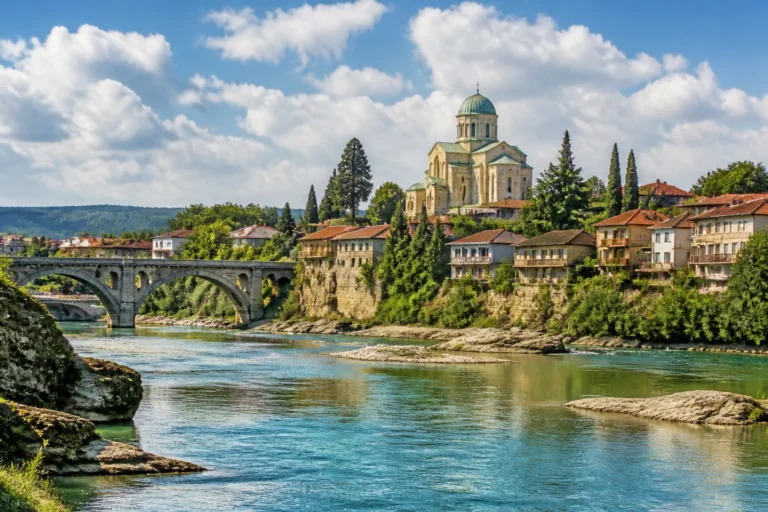
Kutaisi is a historic city in western Georgia, set beside the Rioni River and well placed for exploring the…
Explore destination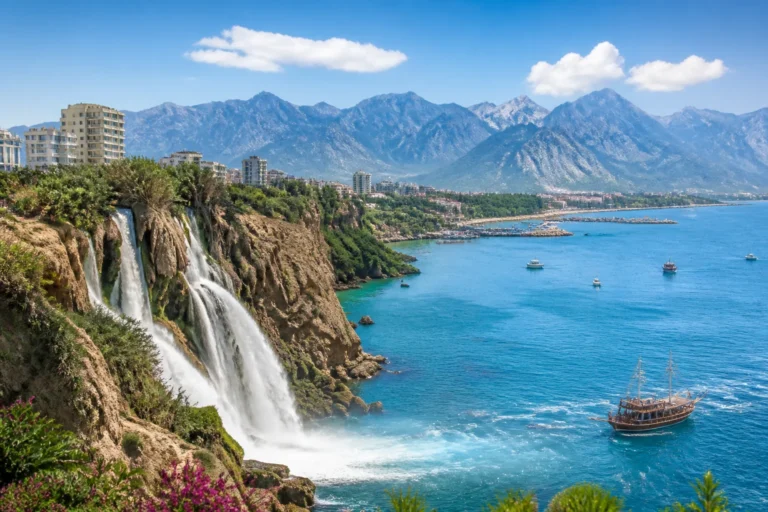 AI illustration
Antalya
Antalya is one of Turkey’s easiest coastal bases for a city break with sea views, Old Town atmosphere and…
Explore destination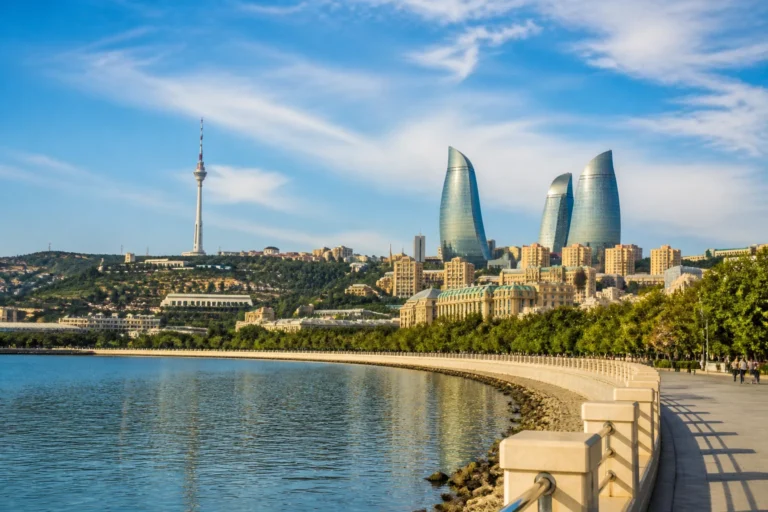 AI illustration
Baku
Baku brings together a compact historic centre, broad Caspian waterfront and striking modern architecture. The Azerbaijani capital is a…
Explore destination AI illustration
Bangkok
Bangkok is a large, energetic city where ornate temples, markets and street food sit alongside shopping centres and modern…
Explore destination