
Nepal · Asia
Kathmandu Travel Guide: Sights, Stays and Practical Tips
Kathmandu is Nepal’s busy, culturally layered capital and a natural starting point for exploring the Kathmandu Valley or travelling onwards into the Himalayas. Its historic squares, Buddhist stupas and Hindu temples sit alongside lively markets and traffic-filled streets. This guide covers what to see, when to go, how to get around and how to plan a stay that balances sightseeing with time to adjust to the city.
Find flights to Kathmandu ↓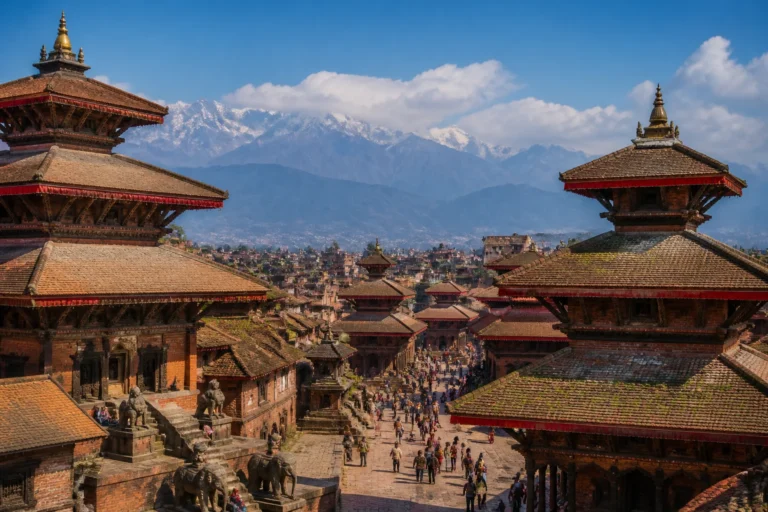 AI illustration
Find flights to Kathmandu
Compare flights · EURWhat to expect in Kathmandu
Kathmandu is a dense, energetic city where religious life and everyday commerce share the same streets. The old centre rewards slow exploration: courtyards, shrines and carved architecture are woven into neighbourhoods that are still lived in, rather than set apart as a museum district. Elsewhere, traffic, construction and the pace of the city can make short distances take longer than they appear on a map.
Many visitors use Kathmandu as a base for seeing the wider valley, whose cultural landmarks include historic squares and major Buddhist and Hindu sites. It also serves as a gateway for journeys elsewhere in Nepal. The city suits travellers interested in history, architecture and food, as well as those who want a few days to organise an onward trip. It is less suited to anyone expecting a quiet, compact city break.
- Historic streets and courtyards
- Important Buddhist and Hindu sites
- A practical starting point for wider Nepal
Things to do in Kathmandu
Begin in Kathmandu Durbar Square, the historic palace complex in the old city. Allow time to explore the surrounding lanes as well as the main square; the area is active and atmospheric, but uneven paving and crowded streets call for comfortable shoes and patience. For a different perspective, visit Swayambhunath, the hilltop Buddhist complex commonly known as the Monkey Temple. Its elevated setting offers views across the city when visibility allows, and the steps are part of the visit.
Boudhanath is a major Buddhist stupa and a place to observe devotional life; visitors should move respectfully around the site and follow local customs. Pashupatinath, on the Bagmati River, is an important Hindu temple complex. Access to specific areas can depend on religious practice, so check local guidance and be considerate around ceremonies. Thamel is useful for browsing shops, arranging onward travel and finding a broad choice of places to eat, though it is not a substitute for exploring the older neighbourhoods.
If time allows, consider a day trip to another settlement in the Kathmandu Valley, such as Patan or Bhaktapur. They have their own historic centres and are not simply extensions of central Kathmandu, so allow time for the journey and check local access arrangements before setting out.
- Explore Kathmandu Durbar Square and its surrounding lanes
- Visit Swayambhunath and Boudhanath
- Approach Pashupatinath with respect for worshippers
- Set aside time for Patan or Bhaktapur
When to visit Kathmandu
Spring and autumn are commonly chosen for visits to Nepal, with autumn particularly popular among travellers combining Kathmandu with mountain journeys. Conditions vary from year to year, and visibility in the city can be affected by haze, so treat seasonal descriptions as a guide rather than a promise of clear skies.
The summer monsoon brings a wetter period, which can affect walking plans and onward travel. Winter is generally a cooler season, especially in the mornings and evenings. Whenever you go, build some flexibility into your itinerary: local festivals can add colour to a visit, but may also change opening arrangements, traffic or crowd levels. Check dates and access information close to travel.
How long to stay in Kathmandu
Two full days can cover a selection of central sights, but a stay of three or four days gives more room for the major religious sites and a day trip to Patan or Bhaktapur. Add time if you prefer unhurried visits, want to explore different neighbourhoods or need a buffer before an onward journey.
If Kathmandu is the start of a trek or other trip outside the valley, avoid planning a tight connection between arrival and departure. Delays, city traffic and the practicalities of organising equipment or permits can all affect the schedule. For high-altitude travel beyond the city, follow appropriate acclimatisation guidance for that itinerary.
Kathmandu airport and getting around
Tribhuvan International Airport (KTM) is Kathmandu’s main airport, on the eastern side of the city. The onward journey depends on traffic and your destination within the valley. Taxis and pre-arranged transfers are common options; ask your accommodation about arranging a pickup and confirm the destination and fare before travelling. For current airport services and transport arrangements, consult the airport or relevant local operators.
Kathmandu’s streets are often congested, so allow more time than a map distance might suggest, especially when travelling to the airport or across the valley. Taxis are useful for longer hops, while walking can work well within compact historic areas, although pavements may be irregular and crowded. Local public transport exists, but routes and boarding points may be difficult for a first-time visitor to navigate; seek current local advice before relying on it.
- Airport: Tribhuvan International Airport (KTM)
- Allow extra time for journeys across the valley
- Confirm transfer details before setting off
Where to stay in Kathmandu
Thamel is a convenient base for first-time visitors who want restaurants, shops and travel services close at hand. It is lively and can be noisy, so check whether a room faces a busy street if quiet matters to you. The area around Kathmandu Durbar Square puts you nearer the old city’s historic lanes, but accommodation and access vary from street to street.
For a calmer setting, consider areas such as Boudha, near the stupa, or Patan if you are happy to stay outside central Kathmandu and travel between districts. Compare the location with your plans rather than choosing by name alone: airport transfers, day trips and evening journeys can take longer when traffic is heavy. Confirm the exact address and transport options with your accommodation.
- Thamel for a lively, convenient base
- The old city for historic surroundings
- Boudha or Patan for a different pace
Practical tips for planning your visit
Dress respectfully when visiting religious sites, and look for signs or ask locally before taking photographs, particularly during worship. Some sites may restrict access or photography in certain areas. Remove footwear where requested and avoid interrupting ceremonies. Carry a small amount of local cash for incidental purchases, while checking what payment methods your accommodation and planned activities accept.
Traffic, dust and uneven walking surfaces can make a day on foot tiring. Bring comfortable shoes and consider carrying water; take breaks rather than packing too many distant sights into one day. Check official Nepal immigration information for entry requirements applicable to your nationality, and confirm current opening times, access rules and festival dates with the relevant site or local authority. If continuing to the mountains, plan that journey separately and check the guidance for your route.
- Respect local customs at religious sites
- Check entry requirements with official sources
- Keep plans flexible around traffic and site access
Frequently asked questions about Kathmandu
Which airport serves Kathmandu?
Tribhuvan International Airport, with the code KTM, is Kathmandu’s main airport. Journey time to your accommodation varies with traffic and its location in the valley.
How many days should I spend in Kathmandu?
Two full days allow time for a selection of central sights. Three or four days make it easier to include major religious sites and a trip to Patan or Bhaktapur without rushing.
Can I visit Boudhanath and Pashupatinath in one day?
It may be possible to visit both in a day, but allow for traffic and time at each site. Check current access arrangements, and be respectful of worshippers and ceremonies.
Is Thamel a good area to stay in Kathmandu?
Thamel is a practical choice for visitors who want restaurants, shops and travel services nearby. It is lively, so travellers seeking a quieter stay may prefer another area and should check the immediate surroundings before booking.
When is the best season to visit Kathmandu?
Spring and autumn are popular periods for travel in Nepal, but conditions and visibility vary. The monsoon is wetter, while winter is cooler; check the outlook and your onward plans close to your trip.
Travel information can change. Check official transport operators and attraction websites before booking.
Editorial review: 23 Oct 2026
More destinations to explore
 AI illustration
Antalya
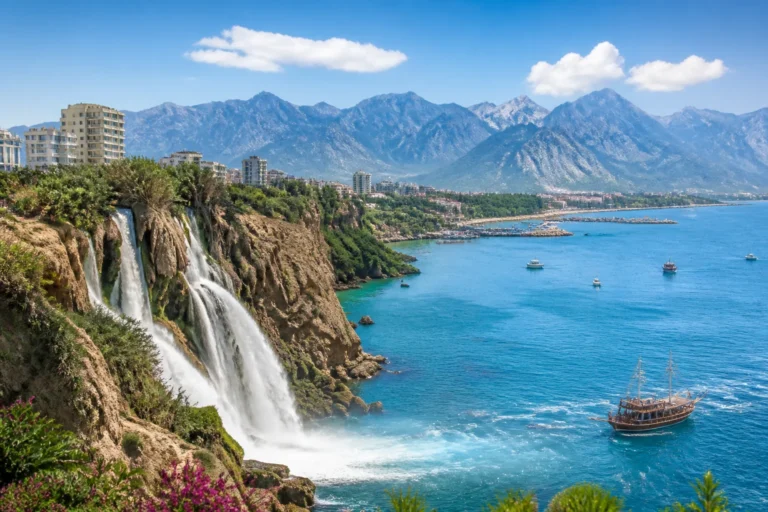
Antalya is one of Turkey’s easiest coastal bases for a city break with sea views, Old Town atmosphere and…
Explore destination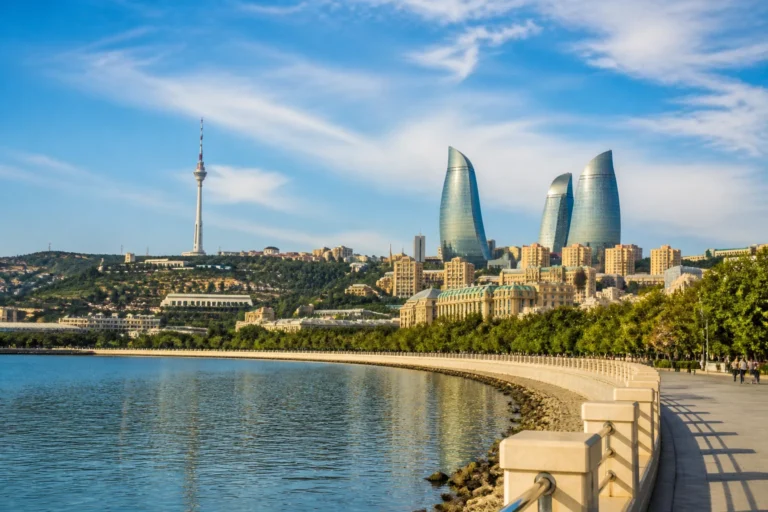 AI illustration
Baku
Baku brings together a compact historic centre, broad Caspian waterfront and striking modern architecture. The Azerbaijani capital is a…
Explore destination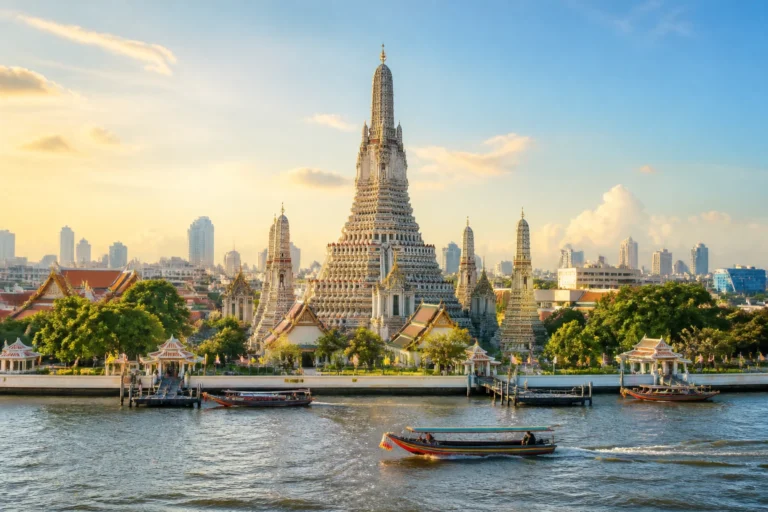 AI illustration
Bangkok
Bangkok is a large, energetic city where ornate temples, markets and street food sit alongside shopping centres and modern…
Explore destination AI illustration
Bishkek
Bishkek, the capital of Kyrgyzstan, is a practical base for exploring the country as well as a city worth…
Explore destination