
Spain · Europe
Las Palmas Travel Guide: Plan a City Break in Gran Canaria
Las Palmas de Gran Canaria combines a working port city with a long urban beach, historic streets and easy access to the rest of Gran Canaria. It can suit a short city break, a longer stay by the sea or a base for exploring the island. This guide covers the main areas, airport connections, local transport and practical details to consider when planning your trip.
Find flights to Las Palmas ↓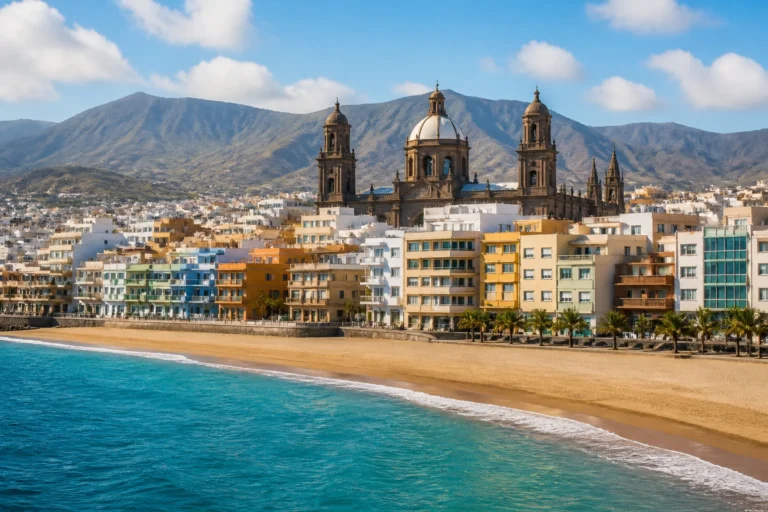 AI illustration
Find flights to Las Palmas
Compare flights · EURWhat to expect in Las Palmas
Las Palmas usually refers to Las Palmas de Gran Canaria, the island’s largest city and capital. It is in the Canary Islands, an autonomous region of Spain off the northwest coast of Africa. The city has a distinctly urban feel: residents commute and shop here, while the waterfront and beach bring visitors into the everyday rhythm of the place.
The north-eastern city is a useful base if you want restaurants, museums and beach time without staying in a resort area. Gran Canaria’s varied landscapes are beyond the city, so plan separate time for island excursions rather than expecting the capital to represent the whole island.
- Las Canteras, a long city beach
- Vegueta’s historic streets and architecture
- Triana’s shops and cafés
- A city base for exploring Gran Canaria
Things to do in Las Palmas
Las Canteras is the city’s best-known beach and a natural focus for swimming, walking and eating along the promenade. Conditions can vary along the shore, so pay attention to local beach information before swimming. The seafront is also a pleasant place to spend an evening, with cafés and restaurants close by.
In the south of the city, explore Vegueta, the old quarter, for historic buildings, small squares and museums. Nearby Triana is a busier commercial area with pedestrian streets, shops and places to stop for a meal. The two districts are close enough to combine on foot, though allow time for a slower look around.
For a different perspective, visit the waterfront around the port or choose a viewpoint over the city. If you have more than a few days, consider a trip inland or to another part of Gran Canaria; travel times depend on the destination and your transport, so avoid packing too many distant stops into one day.
When to visit Las Palmas
Las Palmas is a year-round destination, with a mild climate compared with much of mainland Europe. Winter attracts visitors seeking a break from colder weather, while warmer months can be appealing for beach time. Conditions vary, and the coast may feel breezier than sheltered areas inland, so check a current forecast close to travel.
If your plans depend on a festival or a particular event, check its dates before booking, as calendars can change from year to year. For a quieter-feeling city break, consider travelling outside major holiday periods and local events; popular dates can affect accommodation availability.
- Suitable for a city and beach break in different seasons
- Check event dates and accommodation availability before finalising plans
How long to stay in Las Palmas
Two or three nights can cover the main city districts, a visit to Las Canteras and time to enjoy the food scene. Add another night if you prefer an unhurried pace or want time for a museum and a longer beach stop.
A stay of five days or more makes it easier to use Las Palmas as a base for exploring other parts of Gran Canaria. Island excursions can take much of a day, particularly if you rely on public transport, so allow flexibility rather than scheduling a different distant destination every day.
Gran Canaria Airport and getting around
Gran Canaria Airport (LPA), also known as Gando, serves Las Palmas and the island. It is outside the city to the south-east. Airport buses, taxis and car hire are options for continuing your journey; the most suitable choice depends on your arrival time, luggage and where you are staying. Check current services and journey details with the transport operators before travelling.
City buses serve Las Palmas, while island buses connect the capital with other destinations. Routes, timetables and stops can change, so confirm details with the relevant operators when planning excursions. Taxis can be useful for short journeys or luggage-heavy trips. A hire car offers more flexibility beyond the city, but consider parking and whether you need one for your whole stay.
The central districts and much of the Las Canteras area are walkable, although distances add up and the city has slopes. For trips between neighbourhoods or to places farther afield, combine walking with local buses or taxis.
- Airport: Gran Canaria Airport (LPA)
- Consider airport bus, taxi or car hire
- Check operator information for current routes and timetables
Where to stay in Las Palmas
Choose the Las Canteras area if beach access, promenade cafés and a lively seafront are priorities. It is a practical choice for travellers who want to spend much of their stay in the north of the city, though the atmosphere and convenience vary between streets.
Vegueta and Triana suit visitors who prefer historic surroundings, cultural sights and shopping. They are less directly focused on beach life, so factor in travel time if you expect to visit the shore every day. Staying near the central areas can make it easier to combine the old town with other city activities.
Before choosing accommodation, check its precise location, public transport links and any relevant access details. Las Palmas is spread out, and a property described as central may still be a considerable walk from the beach or the historic quarter.
Practical tips for planning your visit
Las Palmas uses the euro and Spanish is the main language. In visitor-facing businesses, English may be understood, but learning a few Spanish phrases is useful. Spain’s time zone and public holidays can differ from those in your home country, so check arrangements if you are travelling on a specific date.
Pack for both city walking and time by the sea, and bring sun protection even when the day feels mild. If you plan to swim, follow local beach notices and conditions. For island trips, check transport connections in advance and leave room for delays or a change of plan.
FlyGo.si lets travellers compare flights and explore destinations; flight routes and availability can vary by date. Check your travel documents and any entry requirements with official sources before departure, as these depend on your circumstances and may change.
Frequently asked questions about Las Palmas
Is Las Palmas the same as Las Palmas de Gran Canaria?
Las Palmas is commonly used as a short name for Las Palmas de Gran Canaria, the city on Gran Canaria in Spain’s Canary Islands.
Which airport serves Las Palmas?
Gran Canaria Airport, code LPA, serves the city and the island. It is located outside Las Palmas to the south-east.
Can I get from Gran Canaria Airport to Las Palmas by public transport?
Airport buses connect the airport with the city, but routes and timetables can change. Check current details with the operator before setting out.
Where should I stay in Las Palmas for the beach?
The area around Las Canteras is convenient for the beach and seafront. Vegueta and Triana are better suited to visitors prioritising historic streets, shops and cultural sights.
How many days do I need in Las Palmas?
Two or three nights can cover the main city areas and beach. Stay longer if you want to take day trips around Gran Canaria or explore at a slower pace.
Travel information can change. Check official transport operators and attraction websites before booking.
Editorial review: 23 Oct 2026
More destinations to explore
 AI illustration
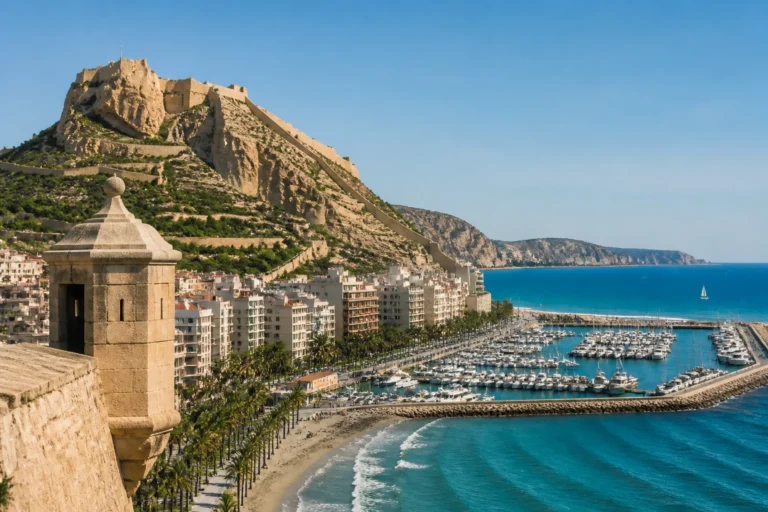
Alicante
Alicante is an easygoing Mediterranean city where a compact old centre, a long waterfront and a busy local food…
Explore destination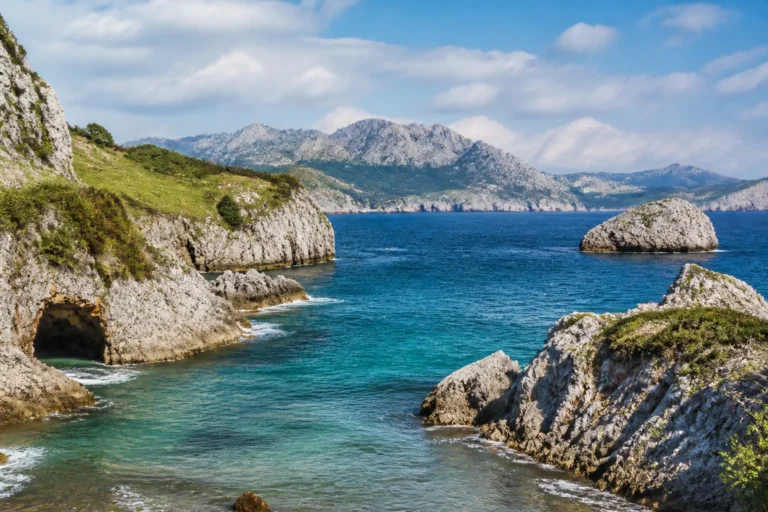 AI illustration
Asturias
Asturias is a region in northern Spain where compact cities, Atlantic beaches and green mountain landscapes make very different…
Explore destination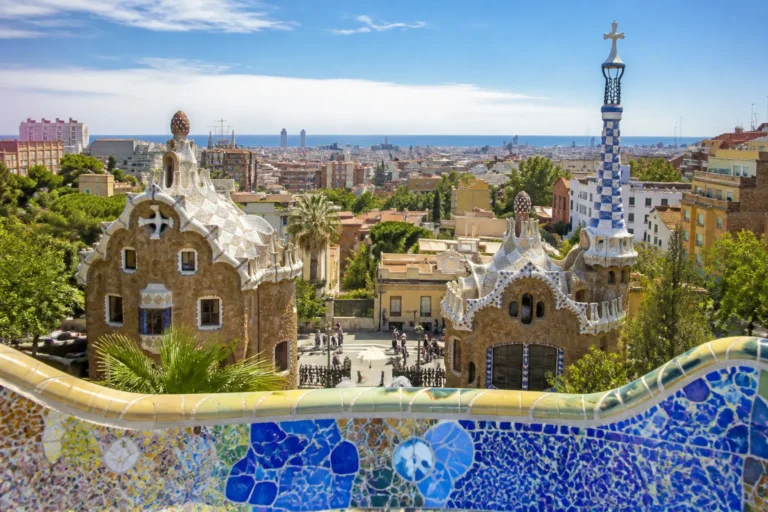 AI illustration
Barcelona
Barcelona mixes a compact city break with beach time, neighbourhood wandering and a strong food-and-culture scene. For European independent…
Explore destination AI illustration
Bilbao
Bilbao is one of northern Spain’s most interesting city breaks: compact enough to explore on foot in parts, but…
Explore destination