
United Kingdom · Europe
Edinburgh Travel Guide: Plan Your Visit
Edinburgh pairs a compact, walkable centre with historic streets, grand Georgian architecture and views towards hills and the Firth of Forth. Its castle, museums and lively cultural calendar make it rewarding for a short city break, while neighbourhoods beyond the centre offer a quieter pace. This guide covers when to go, where to stay and how to plan your arrival at Edinburgh Airport (EDI).
Find flights to Edinburgh ↓ AI illustration
Find flights to Edinburgh
Compare flights · EURWhat to expect in Edinburgh
Edinburgh’s centre is shaped by two distinct areas: the Old Town, with its narrow closes and historic landmarks, and the New Town, known for its Georgian streets and gardens. The two sit close together, but steep slopes and steps mean a route that looks short on a map may take longer on foot. The city’s setting, with Arthur’s Seat and other hills nearby, adds open-air walks to a largely urban visit.
First-time visitors often focus on the Royal Mile, Edinburgh Castle and the museums, then leave time to explore beyond the main sights. Leith has a strong food and waterfront character, while Stockbridge is known for independent shops and a village-like feel. Edinburgh suits travellers interested in history, architecture, museums and walking, though those with limited mobility may want to check gradients and step-free access before choosing accommodation or activities.
- Old Town and the Royal Mile
- Georgian streets of the New Town
- Views and walks around Arthur’s Seat
- Waterfront and dining in Leith
Things to do in Edinburgh
Start with the Old Town’s main route along the Royal Mile, allowing time for side streets and historic closes rather than treating it as a direct walk between attractions. Edinburgh Castle occupies a prominent hilltop position; check its official visitor information for opening arrangements and ticket requirements before setting out. The National Museum of Scotland is another useful stop, particularly for a rainy day or a visit with varied interests.
For a change of pace, walk up Arthur’s Seat or choose a lower route in Holyrood Park, keeping in mind that paths can be uneven and conditions affect the walk. The New Town offers a different architectural perspective, with Princes Street Gardens between the old and new districts. In Leith, visitors can explore the waterfront and plan a meal around its restaurants. Allow time for breaks: the city’s hills, cobbles and frequent stops can make sightseeing more tiring than the distances suggest.
- Explore the Royal Mile and its closes
- Visit Edinburgh Castle and check admission details in advance
- Choose a walk in Holyrood Park
- Set aside time for the National Museum of Scotland
When to visit Edinburgh
Edinburgh works throughout the year, but the feel of a visit changes with the season. Summer brings longer daylight and a busy programme of cultural events; August is especially popular because several major festivals take place across the city. Accommodation and attractions can be in greater demand then, so plan ahead if your dates are fixed. The city can also feel crowded around central venues during large events.
Spring and autumn can suit travellers looking for a city break outside the peak summer period, while winter offers shorter days and a seasonal programme that includes Hogmanay celebrations. Conditions are changeable, so pack layers and a waterproof outer layer rather than relying on a single forecast. If you have specific festival plans, check the event’s official dates and programme, as details vary from year to year.
- August is a major festival period
- Spring and autumn offer alternatives to peak summer
- Winter visits have shorter daylight hours
How long to stay in Edinburgh
Two full days are enough for a focused first visit covering the Old Town, one or two major attractions and a walk through the New Town. Add a third day to explore Leith, visit more museums or take a longer walk in Holyrood Park without rushing between stops.
A longer stay makes sense if you want to attend festival events, explore several neighbourhoods or use Edinburgh as a base for trips elsewhere in Scotland. Keep travel time in mind when planning day trips: distances and connections vary, and the city itself can fill several days at a relaxed pace.
- 2 days for a first look at the central sights
- 3 days for neighbourhoods and a more relaxed pace
- Add time for events or trips beyond the city
Edinburgh Airport and getting around
Edinburgh Airport (EDI) is west of the city centre. Tram and bus services connect the airport with parts of Edinburgh, and taxis are another option. Journey times, fares, service patterns and stops can change, so check current information with the airport and transport operators before travelling. If arriving late or with bulky luggage, compare the available options and confirm how close each one gets to your accommodation.
Central Edinburgh is often easiest to explore on foot, but steep streets and cobbles make comfortable shoes useful. Local buses and trams can help with longer journeys; check routes and payment information with the operators. If you plan to visit places outside the city, compare train, coach and organised tour options based on your destination and schedule rather than assuming a car is necessary.
- Airport code: EDI
- Airport links include tram and bus services
- Check current routes and fares with transport operators
- Walking is practical in the centre, but hills affect journey times
Where to stay in Edinburgh
The Old Town is convenient for historic sights and atmospheric streets, but some accommodation is on steep lanes or in older buildings with stairs. The New Town is a good base for central shopping, gardens and rail connections, with a different architectural setting. Staying in either area makes it easier to get around on foot, though central locations can be busy during major events.
Leith is worth considering for restaurants and a more residential waterfront feel; allow for the journey into the central sights. Stockbridge offers cafés and independent shops, while areas around Haymarket can be useful for rail connections and access to the west of the centre. Check the exact location, hilliness, transport links and accessibility features before booking, rather than choosing by neighbourhood name alone.
- Old Town: close to historic landmarks
- New Town: central streets and gardens
- Leith: waterfront and dining
- Stockbridge: a quieter, neighbourhood feel
Practical tips for planning your trip
Edinburgh is in Scotland, within the United Kingdom, and uses pound sterling. English is widely used. If travelling from outside the UK, check the current entry requirements for your nationality through official government guidance; do not rely on general travel advice for visa or passport rules.
Reserve popular attractions and accommodation early if visiting during a major event period, and check cancellation terms before confirming plans. Wear shoes suitable for slopes and uneven paving, and leave room in your itinerary for pauses between sights. For flight comparisons, FlyGo.si can help you explore options to Edinburgh, but confirm baggage terms, airport details and schedule changes directly with the relevant airline or provider.
- Currency: pound sterling
- Check official entry guidance for your circumstances
- Plan for hills, cobbles and variable conditions
- Confirm travel and attraction details with official operators
Frequently asked questions about Edinburgh
How do I get from Edinburgh Airport to the city centre?
Tram and bus services link Edinburgh Airport with parts of the city, and taxis are also available. Check the airport’s and operators’ current route, fare and service information before you travel.
Is Edinburgh easy to explore on foot?
Much of the central area is walkable, but hills, steps and cobbled streets can make routes slower or difficult for some visitors. Local buses and trams can help with longer journeys; check accessibility details for your route.
How many days should I spend in Edinburgh?
Two full days can cover several central highlights. Three days gives you more time for neighbourhoods such as Leith, museums and a walk in Holyrood Park.
Is August a good time to visit Edinburgh?
August is a lively period with major cultural festivals, but it can also be busy. Check event dates and book accommodation and any must-see attractions ahead of time.
Which area is best to stay in Edinburgh?
The Old Town and New Town are convenient for central sights. Leith and Stockbridge offer a more neighbourhood-focused stay; compare the exact location, transport links, hills and accessibility before choosing.
Travel information can change. Check official transport operators and attraction websites before booking.
Editorial review: 23 Oct 2026
More destinations to explore
 AI illustration
Birmingham
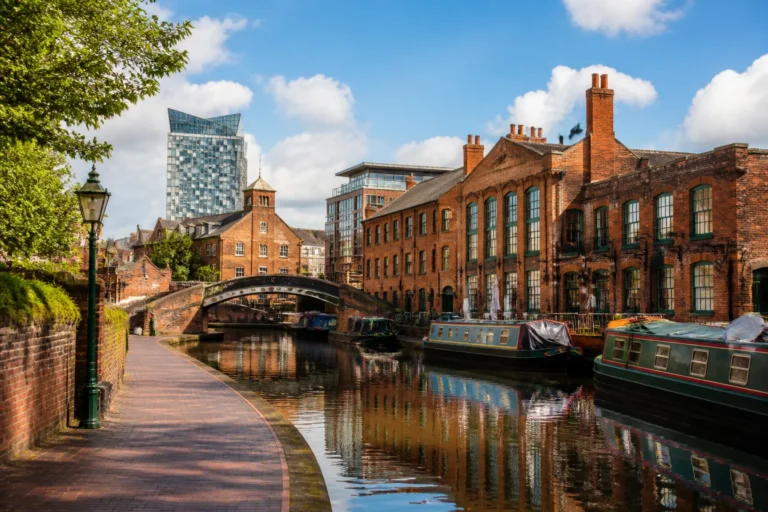
Birmingham combines an industrious past with a lively cultural scene, independent neighbourhoods and a network of canals through the…
Explore destination AI illustration
Bristol
Bristol combines a historic harbour and maritime heritage with independent shops, a lively food scene and a strong creative…
Explore destination AI illustration
Glasgow
Glasgow combines grand Victorian architecture, a lively music scene and a strong cultural offer with a distinctly local feel.…
Explore destination AI illustration
Liverpool
Liverpool combines a compact waterfront, major museums and a strong music heritage with lively neighbourhoods beyond the centre. Visitors…
Explore destination