
Georgia · Asia
Kutaisi Travel Guide: What to See and How to Plan Your Trip
Kutaisi is a historic city in western Georgia, set beside the Rioni River and well placed for exploring the wider Imereti region. Its central sights, traditional markets and nearby monasteries and caves make it useful both as a short city break and as a base for day trips. This guide covers when to go, where to stay, how to reach the centre from Kutaisi International Airport and what to consider when planning your visit.
Find flights to Kutaisi ↓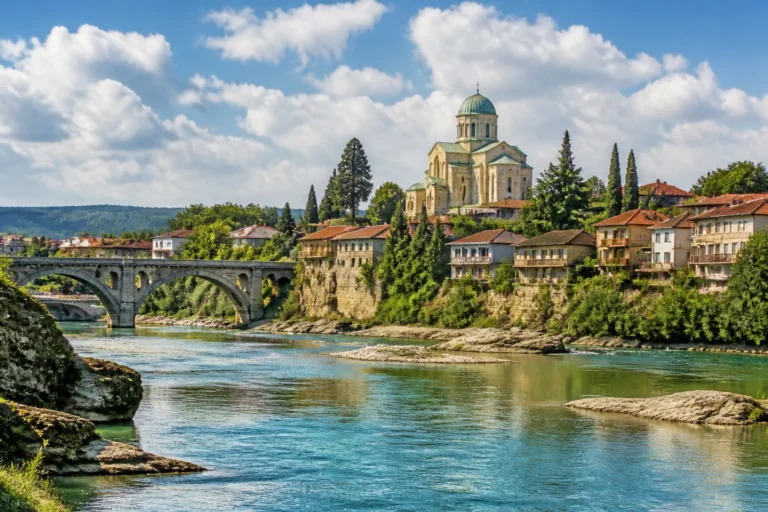 AI illustration
Find flights to Kutaisi
Compare flights · EURAbout Kutaisi
Kutaisi is one of Georgia’s oldest cities and the administrative centre of the Imereti region. It has a lived-in, local character rather than the scale of a major capital: the compact centre is easy to explore on foot, while the river, hillside viewpoints and surrounding countryside give the city a varied setting. Georgian is the main language; visitors may find English understood in some visitor-facing businesses, but it is useful to have accommodation and destination names written down.
Travellers come for the city’s religious and historic landmarks, food and access to western Georgia’s natural attractions. Kutaisi works well for independent visitors who want a slower-paced stop between other parts of the country, or who prefer to make day trips from one base. It is less suited to a trip built around a large number of major museums or nightlife districts.
- Walk through the central streets and across the White Bridge
- Visit Bagrati Cathedral for its prominent hilltop setting
- Explore the Green Bazaar and local food culture
- Use the city as a base for Imereti day trips
Things to do in Kutaisi and nearby
Begin in the centre, where the White Bridge crosses the Rioni River and streets lead towards the Colchis Fountain and the Green Bazaar. The market is a good place to see regional produce and everyday trading; it is a working market, so be considerate when taking photographs. Bagrati Cathedral stands above the city and is an important landmark. Allow time to walk around the surrounding area as well as visit the building.
Gelati Monastery, outside the centre, is one of the best-known historic sites in the region and is listed by UNESCO. Reaching it involves a separate journey, so check local transport arrangements or organise a taxi or guided visit rather than assuming it is a simple walk from town. Nearby, the Tskaltubo area and Prometheus Cave offer a change of pace, with cave visits and former spa-town architecture among the possible interests. Sataplia Nature Reserve is another excursion option, but access and visitor facilities can vary; check official information before setting out.
For a quieter itinerary, spend time in a café, sample Imeretian dishes such as khachapuri, or take a riverside stroll. Day trips are more rewarding when you choose one or two stops rather than trying to combine several dispersed attractions without checking journey times.
Best time to visit Kutaisi
Spring and autumn are often comfortable periods for walking around the city and planning excursions, with seasonal changes adding interest to the surrounding countryside. These shoulder seasons can also suit travellers who would rather avoid the busier summer holiday period. Conditions vary, so check a current forecast and the opening details of individual attractions before travelling.
Summer brings longer days and is a popular time for outdoor visits, but heat can make midday sightseeing less pleasant. Winter is a quieter option for the city itself, though cooler, wetter conditions may affect plans for caves, nature areas and rural transport. If a particular excursion is central to your trip, build in flexibility rather than relying on ideal conditions.
How long to stay in Kutaisi
One full day is enough to see several central sights at an unhurried pace, but it leaves little time for excursions. Two or three nights give you room to explore the city and choose a day trip to Gelati, Prometheus Cave, Tskaltubo or Sataplia. Travellers using Kutaisi as a base for more of Imereti may want to stay longer, especially if they prefer public transport or want to avoid packing several destinations into one day.
If you arrive late or have an early departure from Kutaisi International Airport, consider whether an overnight near the airport or in the city best suits your transfer plans. Allow time for the journey between them and check the details of your onward transport.
Kutaisi International Airport and getting around
Kutaisi International Airport (KUT), also known as David the Builder Kutaisi International Airport, serves the city and the wider region. It is outside the urban centre, so plan a separate transfer rather than assuming you can walk to central accommodation. Depending on current services and your arrival time, options may include an airport bus or shuttle, a taxi, or a pre-arranged transfer. Confirm operators, stops, payment methods and departure times directly with the relevant provider or airport before travelling; services can change.
In Kutaisi, central sights are generally manageable on foot. Taxis can be useful for locations beyond the centre, while local buses may suit travellers comfortable checking routes and stops locally. For Gelati and other out-of-town attractions, compare the time and convenience of public transport, a taxi or a guided excursion. If hiring a car, check parking arrangements and the route before setting off.
- Airport: Kutaisi International Airport (KUT)
- The airport is outside the city centre
- Check transfer options and current service details before arrival
Where to stay in Kutaisi
For a first visit, look for accommodation in or near the central area around the White Bridge, the Colchis Fountain and the market. This makes it easier to reach many city sights on foot and to find cafés, shops and everyday services. Streets on the hillsides can involve slopes or steps, so check the exact location if mobility or luggage is a concern.
Staying closer to the airport may be practical for a late arrival or early departure, but it is less convenient for exploring the centre. Before booking, confirm how you will travel between your accommodation and the airport, whether check-in times suit your arrival, and whether the property can help arrange transport for excursions.
Practical tips for visiting Kutaisi
Georgia’s currency is the lari. Card acceptance and cash needs can differ between businesses, so carry a practical alternative and check payment arrangements for smaller guesthouses, markets and transport. Georgian uses its own alphabet; saving place names in both Georgian and Latin lettering can help when asking for directions or arranging a taxi.
For monasteries and religious buildings, dress respectfully and follow any instructions at the site. Check attraction opening information and transport before making a day-trip plan, particularly outside the main visitor season. If comparing flights to Kutaisi, treat the airport as a gateway to the region and include onward transport and accommodation location in your planning. FlyGo.si is a flight comparison and travel information website, not an airline or ticket issuer.
Frequently asked questions about Kutaisi
How do I get from Kutaisi International Airport to the city?
The airport is outside Kutaisi’s centre. Depending on current services and your arrival time, you may be able to use an airport bus or shuttle, taxi, or pre-arranged transfer. Check current routes, times and payment details with the operator or airport before travelling.
Is Kutaisi a good base for visiting Gelati Monastery?
Yes. Gelati is outside the city and makes a practical excursion from Kutaisi, but you will need to plan the onward journey. Check local transport options or arrange a taxi or guided visit in advance.
How many days should I spend in Kutaisi?
A day can cover several central sights. Two or three nights provide more time for the city and a day trip to a nearby attraction; allow longer if you plan to explore more of Imereti at a relaxed pace.
Can I explore Kutaisi without a car?
The central area is walkable, and taxis or local buses may help with journeys farther afield. Out-of-town attractions need more planning, so check transport options and journey details before relying on public transport.
What is Kutaisi known for?
Kutaisi is known for its historic landmarks, the Rioni River, local markets and its position in western Georgia’s Imereti region. Visitors also use it as a base for nearby monasteries, caves and nature areas.
Travel information can change. Check official transport operators and attraction websites before booking.
Editorial review: 23 Oct 2026
More destinations to explore
 AI illustration
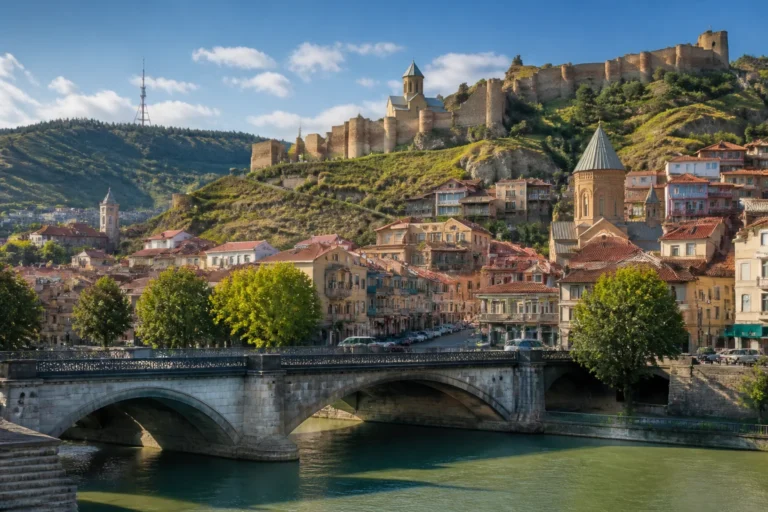
Tbilisi
Tbilisi, Georgia’s capital, combines a walkable historic centre with hillside viewpoints, neighbourhood cafés and a strong food and wine…
Explore destination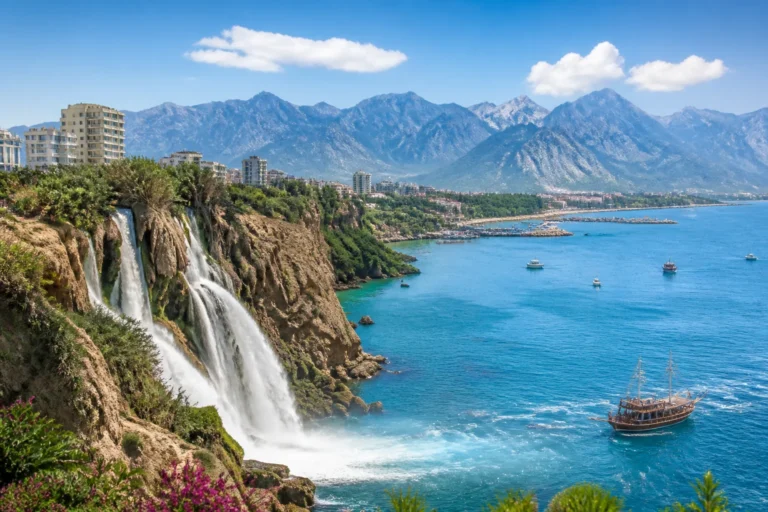 AI illustration
Antalya
Antalya is one of Turkey’s easiest coastal bases for a city break with sea views, Old Town atmosphere and…
Explore destination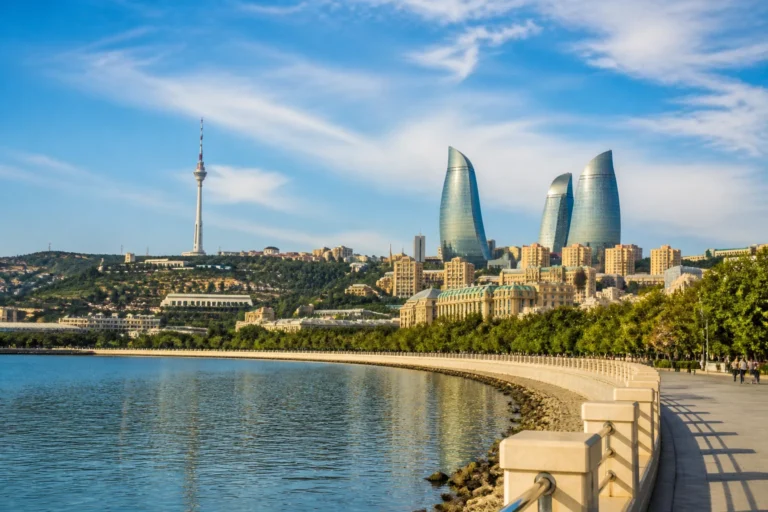 AI illustration
Baku
Baku brings together a compact historic centre, broad Caspian waterfront and striking modern architecture. The Azerbaijani capital is a…
Explore destination AI illustration
Bangkok
Bangkok is a large, energetic city where ornate temples, markets and street food sit alongside shopping centres and modern…
Explore destination