
Switzerland · Europe
Geneva Travel Guide: What to See and How to Plan Your Visit
Geneva pairs a lakeside setting with a compact historic centre and a distinctly international outlook. Visitors come for views across Lake Geneva, museums and galleries, and the city’s role as a centre for diplomacy. It also makes a practical base for exploring parts of western Switzerland and nearby France. This guide covers the main sights, areas to stay and transport options to consider when planning a trip.
Find flights to Geneva ↓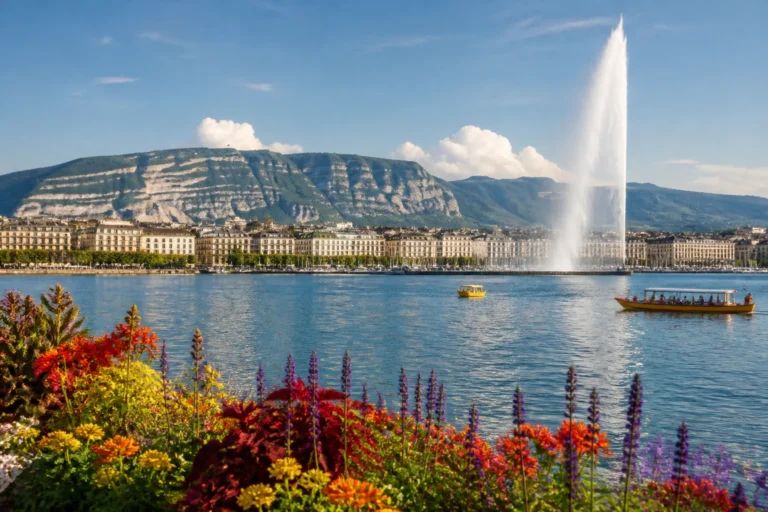 AI illustration
Find flights to Geneva
Compare flights · EURWhat to expect from Geneva
Geneva sits at the western end of Lake Geneva, where the Rhône flows out of the lake. Its setting gives the city a scenic waterfront, while its international organisations, museums and financial institutions shape a more cosmopolitan character. French is the main local language, though visitors will often encounter English in tourist-facing settings.
The historic centre is compact enough to explore on foot, but Geneva is not just a sightseeing stop. It suits travellers who enjoy museums, a measured city pace and time by the water, as well as those combining a short urban stay with excursions into the surrounding region. Switzerland’s costs can make careful planning useful, particularly when choosing accommodation and meals.
- Lake Geneva waterfront and the Jet d’Eau
- Historic lanes around the Old Town
- International organisations and museums
- A base for exploring the Lake Geneva region
Things to do in Geneva
Start around the lakefront, where the Jet d’Eau is a prominent landmark. Walk along the promenades, cross one of the bridges for views back towards the city, or look into boat trips on the lake. Services and visitor access can vary by season, so check current details with the relevant operators before making plans.
In the Old Town, explore the narrow streets around St Pierre Cathedral and Place du Bourg-de-Four. The area is well suited to an unhurried walk, with historic buildings, small squares and museums nearby. For a different perspective on the city, visit the international district, where the United Nations Office at Geneva and other organisations are based; access to buildings or guided visits should be checked in advance.
Allow time for a museum or gallery that matches your interests. Geneva has options covering art, history and international affairs, while Carouge offers a contrasting neighbourhood atmosphere, with cafés and independent shops. For a quieter break, the lakeside parks and botanical garden provide space to pause between visits.
- Walk beside the lake and see the Jet d’Eau
- Explore St Pierre Cathedral and the Old Town
- Look into visits in the international district
- Spend time in Carouge or a city park
When to visit Geneva
Late spring through early autumn is a popular period for enjoying the lakefront, parks and outdoor cafés. Summer brings a lively waterfront and opportunities to spend more time outside, but it can also be a busier time to visit. Book accommodation ahead if your dates coincide with a major event or a particularly busy travel period.
Spring and autumn can suit visitors more interested in museums, city walks and a less summery feel. Winter is a useful option for indoor attractions and seasonal events, though daylight is shorter and outdoor plans are more weather-dependent. Check opening days and event dates for specific attractions before travelling, as these can change.
How long to stay in Geneva
Two full days is a reasonable starting point for the main city sights: one for the lakefront and Old Town, and another for museums or the international district. A long weekend gives you more time to explore neighbourhoods such as Carouge, take a slower pace and make room for a boat trip or another activity if conditions and schedules suit.
Consider staying longer if you want to use Geneva as a base for excursions around the lake or into nearby parts of Switzerland and France. Account for travel time, border-crossing requirements and transport connections when planning day trips; do not assume that every destination is practical as a quick outing.
Geneva Airport and getting around
Geneva Airport (GVA), also known as Geneva Airport or Genève Aéroport, serves the city and is close to its centre. The airport has a railway station with connections towards central Geneva, making rail a convenient option for many arrivals. Local public transport and taxis are other possibilities. Check current routes, schedules, fares and airport arrangements with the relevant transport operators before setting off.
In the city, trams and buses connect many central areas, while walking is often practical around the Old Town, lakefront and central districts. Taxis can be useful with luggage or for journeys less suited to public transport. If you plan to hire a car, consider whether it is necessary for your itinerary: parking and city driving may be less convenient than public transport for a stay focused on Geneva itself.
Some visitors staying in Geneva accommodation may be eligible for a Geneva Transport Card. Conditions and what it covers can change, so ask your accommodation provider or consult the official local transport information rather than assuming it is included.
- GVA is close to the city
- Rail, local public transport and taxis serve airport journeys
- Walking works well for many central sights
- Check current transport information before travel
Where to stay in Geneva
For a first visit, staying near the centre or lakefront makes it easier to reach the Old Town, shopping streets and waterfront on foot. The area around Cornavin railway station is practical for rail connections and onward journeys, although the character of the immediate surroundings can differ from the historic centre.
Eaux-Vives is a useful area to consider for access to the lake and eastern central districts. Pâquis is close to the station and waterfront and has a varied mix of restaurants and accommodation. Carouge has a more neighbourhood-focused feel and can suit travellers who do not mind using public transport to reach some central sights. Compare the location with your planned activities and check the latest accommodation details before booking.
- Central area or lakefront for first-time sightseeing
- Cornavin for rail connections
- Eaux-Vives for the eastern lakefront
- Carouge for a neighbourhood atmosphere
Practical tips for planning a Geneva trip
Switzerland uses the Swiss franc. Card payments are widely used, but check your bank’s foreign transaction terms and keep a suitable payment alternative. Geneva is a relatively expensive destination compared with many European city breaks, so review accommodation and meal choices as part of your overall budget rather than relying on assumptions about daily costs.
French is the main local language; learning a few basic phrases is useful, though English is commonly encountered in international and visitor-facing settings. If you plan to visit a specific museum, institution or attraction, check its official information for opening times, admission arrangements and any advance booking requirements.
Geneva’s location makes cross-border trips tempting, but Switzerland and France have different transport networks and entry requirements may depend on your nationality and itinerary. Check official government guidance for your circumstances. When comparing flights, confirm the airport, baggage terms and journey connections that suit your plans; FlyGo.si is a flight comparison website, not a ticket issuer.
- Use Swiss francs and check your payment provider’s terms
- Check attraction details with official operators
- Review entry requirements for your own itinerary
- Compare flight details and onward transport before booking
Frequently asked questions about Geneva
How do I get from Geneva Airport to the city centre?
The airport has a railway station with trains towards central Geneva. Local public transport and taxis are also options. Check current routes, schedules and fares with the relevant operators before travelling.
Is Geneva easy to explore without a car?
For a trip focused on central Geneva, usually. Many main sights are walkable from central areas, and trams and buses can help with longer journeys. A car may be more useful for an itinerary that includes places outside the city, depending on your plans.
How many days should I spend in Geneva?
Two full days can cover several main city sights at a comfortable pace. Add time for museums, neighbourhoods such as Carouge or excursions around the region.
Which area is best for a first stay in Geneva?
The centre or lakefront is convenient for sightseeing on foot. Staying near Cornavin can help with rail connections, while Eaux-Vives, Pâquis and Carouge offer different neighbourhood settings. Choose based on your itinerary and transport preferences.
What currency should I use in Geneva?
The currency is the Swiss franc. Check your bank’s payment and foreign transaction terms before travelling.
Travel information can change. Check official transport operators and attraction websites before booking.
Editorial review: 23 Oct 2026
More destinations to explore
 AI illustration
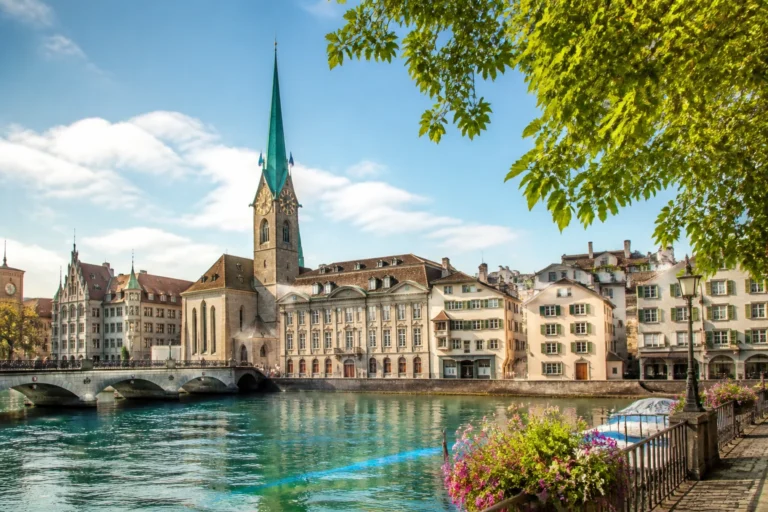
Zurich
Zurich is often seen as Switzerland’s financial hub, but it is also an easy city to enjoy on foot,…
Explore destination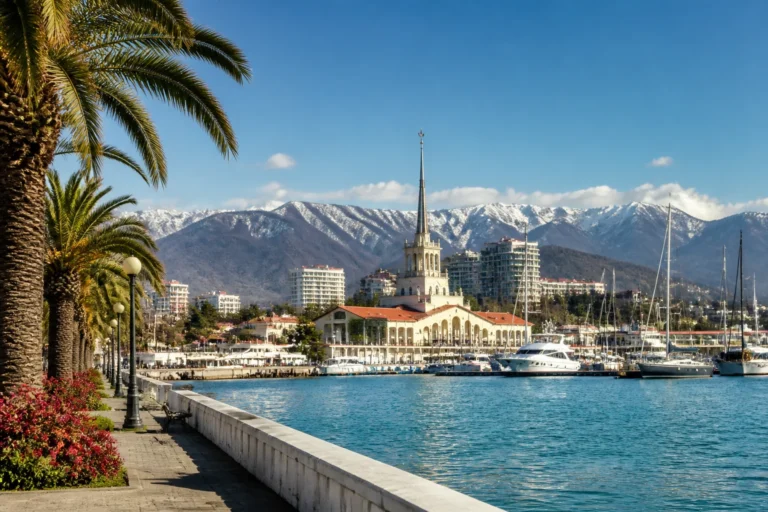 AI illustration
Adler/Sochi
Adler and Sochi stretch along Russia’s Black Sea coast, combining seaside promenades and parks with access to mountain landscapes.…
Explore destination AI illustration
Alghero
Alghero, on the north-west coast of Sardinia, combines a historic centre with easy access to beaches and the coastal…
Explore destination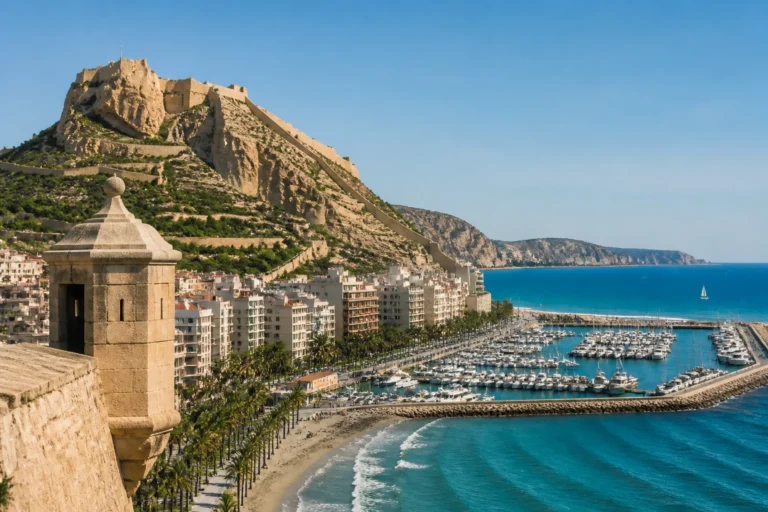 AI illustration
Alicante
Alicante is an easygoing Mediterranean city where a compact old centre, a long waterfront and a busy local food…
Explore destination