
Portugal · Europe
Porto Travel Guide: Sights, Seasons and Practical Tips
Porto pairs a compact historic centre with a working riverfront, tiled churches and Atlantic-facing neighbourhoods. Its steep streets reward a flexible pace: allow time for viewpoints and café stops as well as the headline sights. This guide covers when to go, how long to stay, where to base yourself and how to travel from Porto Airport into the city, so you can plan around your interests rather than rush through a checklist.
Find flights to Porto ↓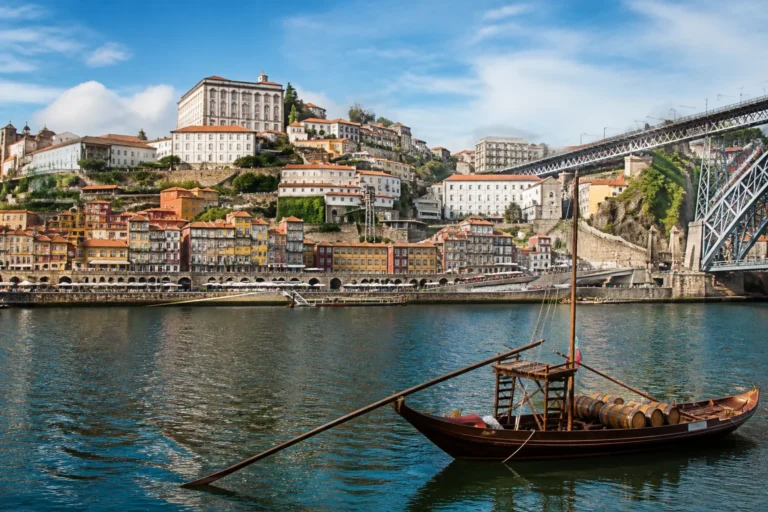 AI illustration
Find flights to Porto
Compare flights · EURAbout Porto
Porto is a northern Portuguese city shaped by the Douro River and its Atlantic coast. The historic centre is known for narrow lanes, churches and ornate tilework, while the riverfront offers a more open setting for a walk or a meal. Porto is also closely associated with port wine; cellars across the river in Vila Nova de Gaia are a popular addition to a city stay.
The city suits travellers interested in architecture, food, wine and urban walks. Its central sights are relatively close together, but the hills and cobbled streets can make journeys slower than a map suggests. Plan routes with a little extra time, particularly if you have limited mobility or are travelling with a pushchair.
- Historic streets and riverfront views
- Tilework at São Bento station and churches around the centre
- Port wine cellars across the river in Vila Nova de Gaia
Things to do in Porto
Start in the historic centre, where Ribeira’s lanes lead towards the Douro and the Dom Luís I Bridge. Walking across the bridge gives a different perspective on the river and the city’s layered rooftops. Nearby, São Bento station is worth a pause for its decorative azulejo panels; check access arrangements if you plan to visit as a specific activity rather than pass through.
In Baixa, consider the Clérigos area, the cathedral and the bookshops and cafés around the central streets. Some popular indoor attractions may require advance planning or timed entry, so check their official information before setting out. For a change of pace, head towards Foz do Douro, where the river meets the Atlantic, or visit a port cellar in Gaia and allow time for a tasting if that interests you.
- Walk along the Ribeira waterfront
- Cross the Dom Luís I Bridge
- See the azulejos at São Bento station
- Explore Foz do Douro or a port cellar
Best time to visit Porto
Spring and early autumn can be good choices for combining sightseeing with time outdoors. Conditions vary, but these shoulder seasons often offer a balance between milder temperatures and the busy summer period. Summer is generally warmer and can bring more visitors, so popular sights and accommodation may need more advance planning.
Winter is usually a quieter time to explore, but rain is more likely and daylight is shorter. Porto’s Atlantic setting means conditions can change, so pack a light waterproof layer whatever the season and check a current forecast shortly before departure. If your dates are fixed, choose activities that can be rearranged between indoor and outdoor options.
How long to stay in Porto
Two full days can cover the historic centre, a riverside walk and a visit to a cellar, though you will need to prioritise. Three days gives more breathing space for neighbourhoods beyond the core, a slower meal schedule and a trip to Foz do Douro. Add another day if you want to explore at an unhurried pace or include a longer excursion beyond the city.
When comparing flight options, consider arrival and departure times as well as the number of nights. A late arrival or early departure can reduce the time available for sightseeing, and Porto’s hills make it useful to avoid packing too many distant stops into one day.
- Two days for central highlights
- Three days for a more relaxed city visit
- Allow extra time for excursions or a slower pace
Porto Airport and getting around
Porto is served by Francisco Sá Carneiro Airport (OPO), northwest of the city centre. The Metro do Porto has a connection between the airport and central areas; journey times and service details depend on your destination and current operations. Taxis and app-based car services may also be available. Consult the airport and official transport operators for current routes, service hours, ticketing and any planned changes.
Within Porto, walking is practical for many central sights, but steep slopes and uneven paving can make it tiring. The metro, buses and other local services can help with longer journeys; check which stop is most convenient and confirm ticket rules with the operator. If you are heading to Gaia or Foz, allow for the time needed to reach the relevant transport link rather than assuming the whole trip is walkable.
- Airport: Francisco Sá Carneiro (OPO)
- Metro connection between the airport and the city
- Check official operators for current transport and ticket details
Where to stay in Porto
Ribeira puts you close to the river and historic lanes, but its slopes, steps and busy streets may not suit everyone. Baixa and the surrounding central districts are practical bases for reaching many sights on foot and finding places to eat. Choose accommodation based on the nearest transport stop as well as the distance shown on a map.
Cedofeita offers a more residential feel while remaining within reach of the centre, and Boavista can suit travellers who prefer a less tourist-focused base or need to be near its larger avenues and venues. Compare the route from your accommodation to the airport and main attractions, and check whether your room faces a lively street if quiet evenings matter to you.
- Ribeira for riverfront atmosphere
- Baixa for central access
- Cedofeita or Boavista for a different pace
Practical tips for planning a Porto trip
Wear comfortable shoes with reliable grip: polished cobbles, steps and steep streets are part of getting around the centre. Build in time for uphill walks and avoid planning a tight connection immediately after a long cross-city journey. If accessibility is important, check individual attractions and accommodation directly, as conditions can vary from one street or building to another.
Porto’s food scene ranges from casual cafés to restaurants that benefit from advance planning, especially at popular times. Keep some flexibility in your itinerary, and check opening days, entry requirements and booking arrangements with each venue. Travellers from outside Portugal should confirm passport, entry and health requirements through appropriate official sources before departure, as rules can depend on nationality and change over time.
- Allow extra time for hills and uneven pavements
- Check attraction entry and opening information before visiting
- Confirm travel requirements through official sources
Frequently asked questions about Porto
How do I get from Porto Airport to the city centre?
The Metro do Porto connects the airport with central areas, and taxis or app-based car services may also be options. Check official airport and transport information for current routes, service hours and ticket rules.
Is Porto easy to explore on foot?
Many central sights are within walking distance, but the city is hilly and some streets have cobbles or steps. Walking works well for shorter routes; use public transport for longer journeys or to avoid steep climbs.
How many days should I spend in Porto?
Two full days are enough for a focused visit to central highlights. Three days allows more time for neighbourhoods, Foz do Douro or a cellar visit, while a longer stay suits a slower pace or an excursion.
Which area is best for a first stay in Porto?
Baixa and the central districts are convenient for reaching many sights, while Ribeira offers a riverfront setting. Consider hills, street noise and your preferred transport links when choosing accommodation.
When is a good time to visit Porto?
Spring and early autumn can be appealing for sightseeing and outdoor walks. Summer is warmer and often busier; winter can be quieter but wetter. Check a current forecast and attraction information for your dates.
Travel information can change. Check official transport operators and attraction websites before booking.
Editorial review: 23 Oct 2026
More destinations to explore
 AI illustration
Faro
Faro is more than the gateway to Portugal’s Algarve. Its compact historic centre, working marina and easy access to…
Explore destination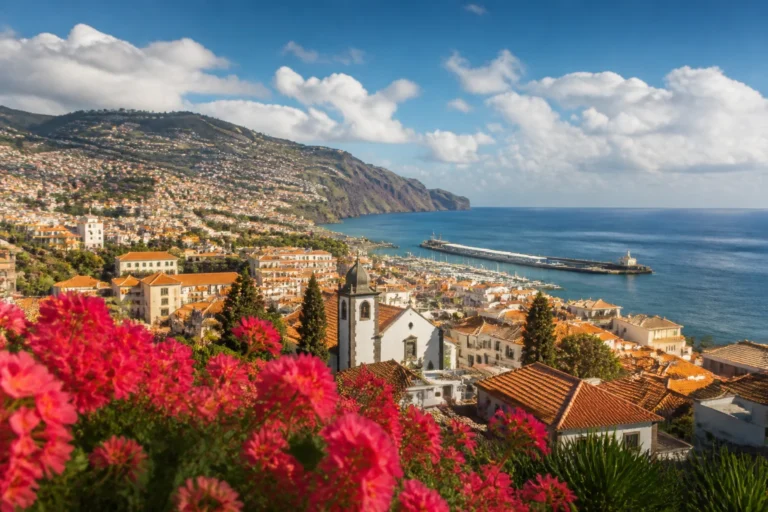 AI illustration
Funchal
Funchal is the main city of Madeira and a strong base for travellers who want a mix of Atlantic…
Explore destination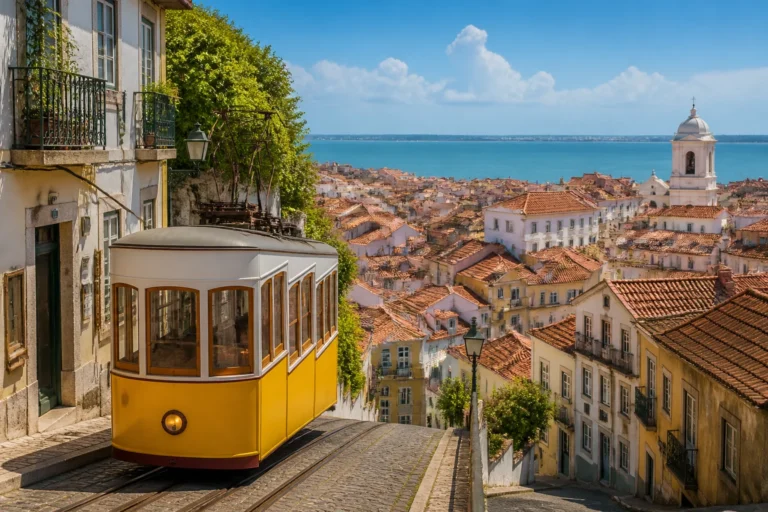 AI illustration
Lisbon
Lisbon combines a compact historic centre with riverside districts, steep streets and neighbourhoods that each have a distinct feel.…
Explore destination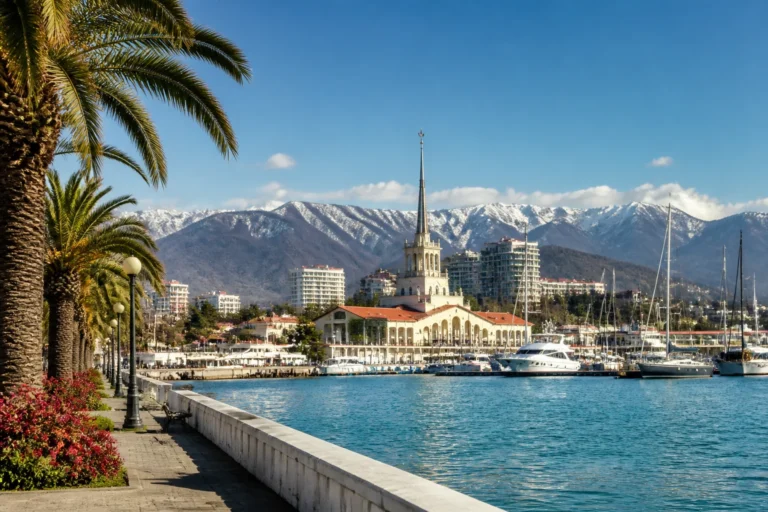 AI illustration
Adler/Sochi
Adler and Sochi stretch along Russia’s Black Sea coast, combining seaside promenades and parks with access to mountain landscapes.…
Explore destination