
Portugal · Europe
Funchal Travel Guide: What to Know Before You Go
Funchal is the main city of Madeira and a strong base for travellers who want a mix of Atlantic scenery, historic streets, garden-filled hills and easy access to food, wine and cable cars. It works well for independent visitors who prefer a city that is compact but not dull, with day trips, coastal walks and plenty of viewpoints. This guide focuses on how to plan a practical stay without relying on a car.
Find flights to Funchal ↓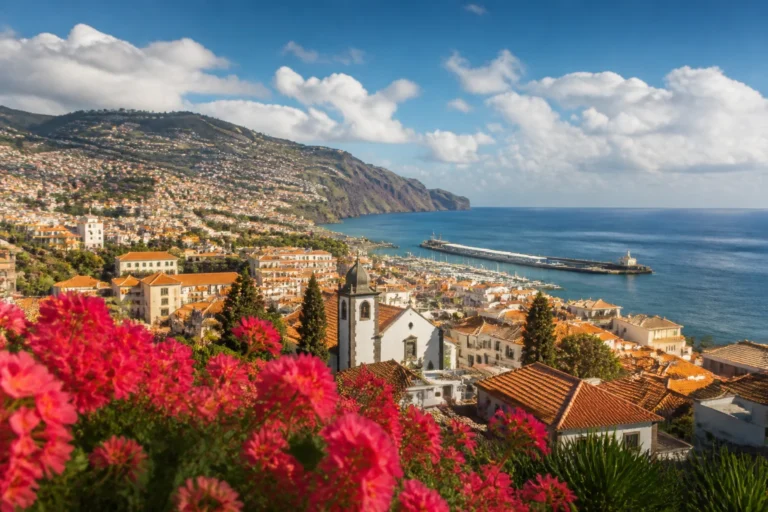 AI illustration
Find flights to Funchal
Compare flights · EURAbout Funchal
Funchal is the largest city on Madeira, Portugal’s island in the Atlantic, and it combines a working-port atmosphere with resort-style ease. The centre is walkable, with markets, churches, tiled streets and waterfront promenades, while the surrounding hills quickly turn green and steep. That contrast is part of the appeal: you can move from a historic square to a mountain viewpoint in a short time.
It is a good destination for travellers who like city breaks with outdoor options. Funchal suits slow sightseeing, food-focused travel, garden visits and short excursions, but it also rewards people who want to use local buses, cable cars and taxis rather than hiring a car. English is widely understood in tourist-facing places, though a few words of Portuguese are always appreciated.
- Compact historic centre
- Easy access to gardens, viewpoints and sea views
- Good base for both urban and nature-focused itineraries
Things to Do in Funchal
Start in the old town and along the waterfront to get a feel for the city. The painted doors of Rua de Santa Maria, the market area around Mercado dos Lavradores and the harbourfront give you a sense of daily life as well as tourism. From there, the cathedral, municipal squares and hillside streets offer enough architecture and atmosphere to fill a relaxed morning.
Funchal is especially known for gardens and viewpoints. The cable car up to Monte is one of the classic ways to see the city from above, and the upper gardens and churches there make a worthwhile half-day. Botanical and tropical gardens are another strong option if you like planted landscapes and quieter corners. If you prefer walking, the promenade and nearby coastal paths provide easy scenic time without needing a major hike.
Food and drink are also central to the experience. Madeira wine tasting, local seafood, fruit markets and small neighbourhood restaurants are part of the city’s rhythm. For a more active day, use Funchal as a base for levada walks, mountain lookouts or boat trips, but choose routes and operators that match your fitness and experience level.
- Old town streets and Mercado dos Lavradores
- Cable car and Monte viewpoint area
- Gardens, promenades and coastal walks
- Madeira wine and local food experiences
Best Time to Visit Funchal
Funchal is a year-round destination, but the feel of the trip changes with the season. Spring is popular for gardens and mild outdoor exploring, while autumn can be pleasant for sightseeing and walking. Summer brings the liveliest atmosphere and the most activity around the waterfront, though it can also feel busier in the centre and on popular viewpoints.
Winter is often a sensible choice for travellers who want a gentler escape from colder northern European weather, but it is still worth packing layers because conditions can shift between sun, wind and cloud, especially on higher ground. Madeira’s microclimates mean the city, the hills and the mountains may feel quite different on the same day. If your plans include walking, keep flexibility in mind and check local conditions with operators before setting out.
- Good all year, depending on your priorities
- Spring and autumn suit sightseeing and gardens
- Higher areas can feel very different from the city centre
How Long to Stay in Funchal
Two to three nights is enough for a first impression of Funchal itself: the old town, harbour, a market visit, one garden, and a viewpoint or cable-car trip. That length works if you are combining the city with another Madeira stop or if you simply want a relaxed urban base without a packed schedule.
Four to five nights gives you more breathing room and is a better fit if you want day trips, a levada walk, a boat outing and time to linger in cafés and gardens. If your trip is mainly about hiking, nature or exploring the island more widely, Funchal can still work as a base, but it is worth deciding whether you want city convenience or a more rural setting before booking accommodation.
- 2–3 nights for a first visit
- 4–5 nights for a slower pace and day trips
- Longer stays suit visitors who want both city life and island excursions
Airports and Transport
Funchal is served by Madeira’s main airport, so most international travellers arrive on the island before transferring to the city. From the airport, onward travel is usually straightforward by airport bus, taxi or pre-booked transfer, depending on your arrival time and luggage. Because road access into the city involves hills and tunnels, it is sensible to allow extra time and to check the most suitable option for your schedule with the official transport provider or your accommodation.
Within Funchal, walking works well in the centre, but many neighbourhoods are steep. Public buses connect parts of the city and other towns on the island, though timetables and stop locations matter if you are planning to rely on them. Taxis and ride-hailing may be useful for hillier journeys or late returns, while the cable car is more of a sightseeing link than a general transport solution. If you plan day trips beyond the city, compare buses, tours and self-drive options carefully because Madeira’s roads can be demanding.
- Airport transfers are usually simple but should be checked in advance
- The city centre is walkable, but hills are common
- Public buses, taxis and cable cars each have different uses
Where to Stay in Funchal
The best area depends on whether you want convenience, views or a quieter feel. Staying in the centre or near the old town puts you close to restaurants, the waterfront and main sightseeing spots, which is ideal if you prefer to walk most places. This is usually the most practical choice for a short stay.
If you want a more scenic setting, look at hillside areas above the centre, where many hotels and guesthouses have wider views and a calmer atmosphere. These locations can be appealing, but access may involve steep walks, steps or transport planning. For a resort-style stay, the western side of the city is often chosen for larger hotels, sea views and easier access to promenade walks. Whichever area you choose, check how you will get back uphill at night if your accommodation is away from the flat centre.
- Centre and old town for walkability
- Hillside stays for views and a quieter atmosphere
- West-side hotels for a more resort-like feel
Practical Tips for Funchal
Pack for changeable conditions. Even in good weather, sun, wind and cooler evenings can all happen in the same day, especially if you go uphill. Comfortable shoes are important because the city includes slopes, cobbles and stairs. A light layer and a small day bag make sightseeing easier.
If you plan to use levada walks, boat trips or mountain transport, build in some flexibility. Weather, access and operating conditions can affect outings, so it is better to avoid overloading one day with too many timed bookings. For food and shopping, local rhythm is generally relaxed, but it still helps to make reservations for popular restaurants and to keep an eye on opening days, especially outside the main season.
Funchal is easy to enjoy at a slower pace. Leave time for viewpoints, cafés and unscheduled wandering, because some of the city’s best moments come from simply moving between the centre, the harbour and the hillside streets.
- Bring comfortable shoes for hills and cobbles
- Plan for changing conditions between coast and higher ground
- Leave room in your itinerary for slow exploring
Frequently asked questions about Funchal
Is Funchal a good base for exploring Madeira?
Yes. Funchal is a practical base because it has the widest choice of accommodation, dining and transport links on the island, while still giving access to day trips, walks and scenic viewpoints. It is especially convenient if you want city amenities without losing easy access to nature.
Do you need a car in Funchal?
Not necessarily. You can see a lot of Funchal on foot and use buses, taxis or tours for selected trips. A car becomes more useful if you want maximum flexibility for exploring beyond the city, but it is not essential for a short stay focused on Funchal itself.
What is Funchal known for?
Funchal is known for its hillside setting, gardens, cable car views, Madeira wine, old-town streets and relaxed Atlantic atmosphere. It also appeals to visitors who want a city break with easy access to walking routes and scenic day trips.
How many days do you need in Funchal?
Two to three days is enough for the main sights and the city atmosphere. Four to five days is better if you want to include gardens, a levada walk, a boat trip or an extra day for exploring nearby areas at a slower pace.
Is Funchal walkable?
The centre is quite walkable, but many streets rise steeply away from the waterfront. Good shoes help, and some visitors prefer to mix walking with buses or taxis for uphill sections. It is a manageable city, but not a flat one.
When is the best time to visit Funchal?
That depends on what you want. Spring and autumn are often appealing for a balanced mix of pleasant conditions and outdoor time, while summer is livelier and winter can suit travellers looking for a milder Atlantic escape. Because Madeira has microclimates, conditions can vary by altitude.
Travel information can change. Check official transport operators and attraction websites before booking.
Editorial review: 19 Oct 2026
More destinations to explore
 AI illustration
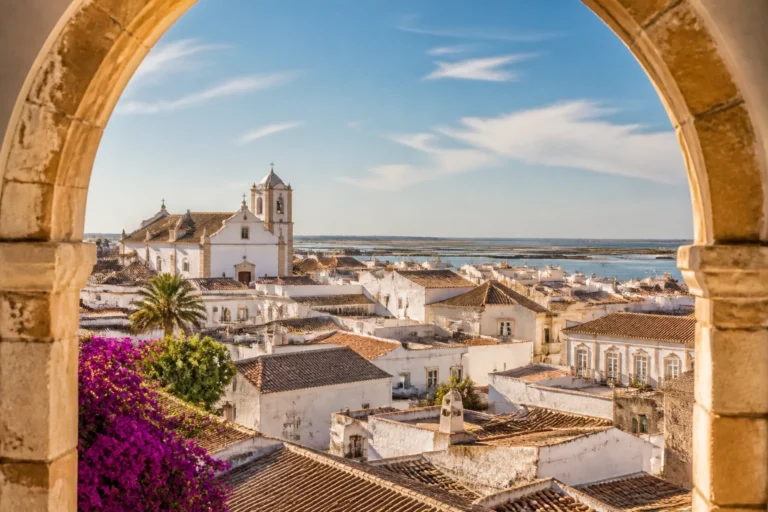
Faro
Faro is more than the gateway to Portugal’s Algarve. Its compact historic centre, working marina and easy access to…
Explore destination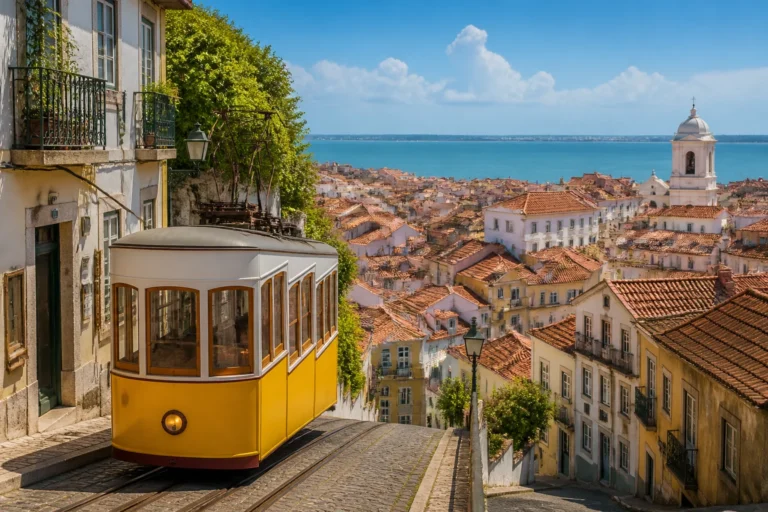 AI illustration
Lisbon
Lisbon combines a compact historic centre with riverside districts, steep streets and neighbourhoods that each have a distinct feel.…
Explore destination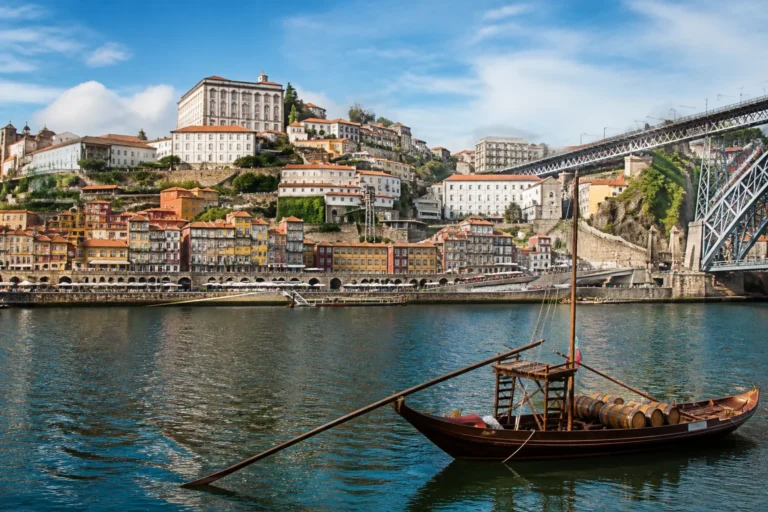 AI illustration
Porto
Porto pairs a compact historic centre with a working riverfront, tiled churches and Atlantic-facing neighbourhoods. Its steep streets reward…
Explore destination AI illustration
Adler/Sochi
Adler and Sochi stretch along Russia’s Black Sea coast, combining seaside promenades and parks with access to mountain landscapes.…
Explore destination