
Poland · Europe
Krakow city guide for European travellers
Krakow is one of Poland’s most rewarding city breaks: compact enough for an easy weekend, but layered with history, cafés, museums, and a strong local food scene. Its medieval core, riverside walks, and neighbouring districts each show a different side of the city, from grand squares to more reflective places of memory. This guide focuses on how to plan a practical trip to Krakow without wasting time on guesswork.
Find flights to Krakow ↓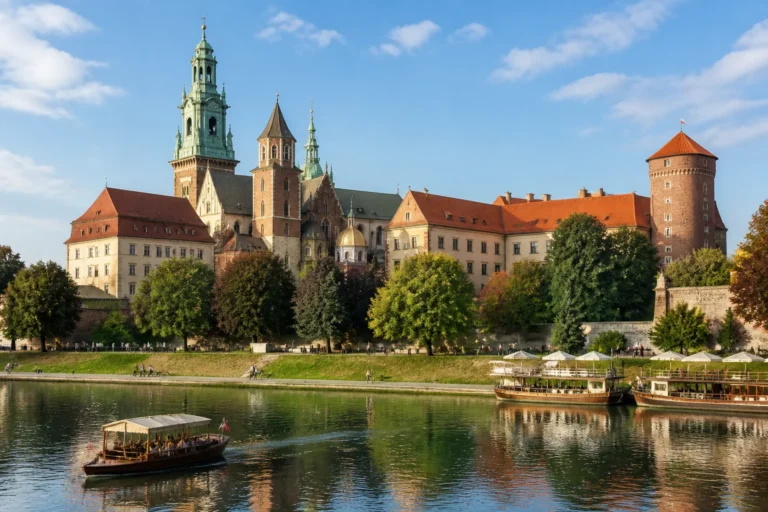 AI illustration
Find flights to Krakow
Compare flights · EURAbout Krakow
Krakow is the former royal capital of Poland and one of the country’s most visited cities, but it still feels manageable for independent travellers. The historic centre is walkable, and many of the main sights sit within an easy radius of the Old Town, Wawel Hill, and the Kazimierz district. That makes it a strong destination for a short break if you like exploring on foot and lingering in squares, churches, museums, and side streets.
The city’s appeal is not only architectural. Krakow has a lively everyday rhythm shaped by students, locals, and visitors, so you can move from major landmarks to small bakeries, wine bars, milk bars, and bookshops without needing a rigid itinerary. It is also a useful base for day trips in southern Poland, though even a stay focused entirely on the city can feel full and varied.
- Historic core that is easy to navigate
- Strong mix of culture, food, and everyday city life
- Good choice for a weekend or longer city break
Things to do in Krakow
Start with the Old Town, where the Main Market Square is the obvious orientation point. From there, you can explore St. Mary’s Basilica, Cloth Hall, and the surrounding lanes at a slower pace rather than trying to rush between landmarks. Wawel Hill is another essential stop, especially if you want to understand Krakow’s royal history and enjoy river views at the same time.
Kazimierz, the historic Jewish quarter, is worth more than a quick photo stop. It has synagogues, small museums, courtyards, and a relaxed restaurant scene that becomes particularly appealing in the evening. If you have time, cross the river to Podgórze for a less polished but interesting look at the city, including memorial sites that add important context to Krakow’s wartime history.
Beyond the headline sights, build in time for museums, café hopping, and simple walks. A stroll along the Vistula riverfront can be a good reset after crowded central streets, and a slower afternoon in one neighbourhood often gives a better feel for the city than trying to tick off too many attractions.
- Old Town and Main Market Square
- Wawel Hill and the riverside
- Kazimierz for atmosphere, history, and dining
- Podgórze for a quieter, more reflective visit
Best time to visit Krakow
Krakow works well in most seasons, but the experience changes noticeably through the year. Spring and early autumn are often the most comfortable times for walking, with milder weather and a good balance between city activity and manageable crowds. These periods are especially suitable if you want to spend long hours outdoors in the centre and on the riverfront.
Summer brings long daylight hours and a busy atmosphere, which can be ideal if you like a lively city feel, but it also means more visitors in the most popular areas. Winter can be appealing too, especially if you enjoy atmospheric streets, cafés, and museums, though you should expect shorter days and dress for cold weather. If you are sensitive to crowd levels, aim for the shoulder seasons and avoid planning everything around a single weekend peak.
- Spring and early autumn suit most travellers
- Summer is lively but busier
- Winter is atmospheric if you prefer indoor sightseeing
How long to stay in Krakow
Two full days is enough for a first impression of Krakow if you keep your plans focused on the Old Town, Wawel, and Kazimierz. That length works well for travellers who want a compact city break and do not mind moving at a brisk pace. You will still need to choose carefully, though, because Krakow rewards slower wandering as much as sightseeing.
Three days is usually the sweet spot. It gives you time for the major highlights, one museum or memorial visit, and a more relaxed meal or evening in Kazimierz. If you like history, architecture, or local food, four days lets you spread the city out more naturally and add a day trip or a deeper look at a district beyond the centre.
- 2 days for a focused first visit
- 3 days for a balanced city break
- 4 days if you want museums and a slower pace
Airports and transport in Krakow
Krakow is served by John Paul II Kraków-Balice Airport, which is the main air gateway for the city. From there, travellers usually continue by airport rail link, shuttle bus, taxi, or ride-hailing, depending on time, luggage, and budget. For current terminals, train frequency, and onward connections, check the airport and official transport operators before you travel.
In the city itself, the centre is very walkable, and many visitors rely on their feet for most sightseeing. Trams are the most useful public transport option for moving between neighbourhoods such as the Old Town, Kazimierz, Podgórze, and outer districts. If you are staying outside the centre or arriving late, a taxi or app-based ride can be more practical than learning the full network on the spot, but it is still wise to use licensed services and confirm the route before departure.
- Airport rail and bus links are practical options
- Walking covers much of the historic centre
- Trams are useful for longer cross-city journeys
Where to stay in Krakow
If it is your first visit, the Old Town is the simplest base. You will be close to the main sights, transport, and plenty of dining options, although the area can feel busiest in peak periods. For travellers who want atmosphere as well as convenience, Kazimierz is a strong alternative, with more evening life and a slightly more local feel.
Podgórze suits visitors who prefer a calmer setting and do not mind relying a bit more on trams or walking. It can work well for longer stays or return trips. If you are arriving by train or planning multiple day trips, staying near the main station area can also be convenient, but it usually trades some charm for practicality. The best choice depends on whether you want classic views, nightlife, or a quieter base.
- Old Town for first-time visitors
- Kazimierz for dining and atmosphere
- Podgórze for a calmer stay
- Station area for transport convenience
Practical tips for Krakow
Krakow is straightforward to visit, but a little planning improves the trip. Comfortable walking shoes matter because cobblestones and long sightseeing days are part of the experience. It also helps to book popular museums or guided visits in advance when possible, especially if your dates are fixed. In religious sites and memorial places, dress and behave respectfully, and allow extra time for entry procedures where needed.
For food, mix one or two sit-down meals with simpler local options so you can sample different sides of the city. Cashless payment is widely used in many places, but it is still sensible to carry some cash for smaller purchases or backup situations. Finally, treat transport and opening details as things to confirm close to departure rather than assuming they will remain unchanged. That is especially useful for airport connections, museum hours, and holiday periods.
- Wear comfortable shoes for cobblestones and walking
- Check opening times and transport details before travel
- Choose respectful clothing for churches and memorial sites
Frequently asked questions about Krakow
Is Krakow easy to explore without a car?
Yes. The historic centre is very walkable, and trams cover most longer cross-city journeys. A car is usually unnecessary unless you are planning trips beyond the city.
Which area is best for a first stay in Krakow?
The Old Town is the simplest base for a first visit because many major sights are nearby. Kazimierz is a good alternative if you want more evening atmosphere and dining options.
Can I visit Krakow in a weekend?
Yes, a weekend works well for Krakow if you focus on the main sights and keep your route compact. Two days is enough for an introduction, though three days feels less rushed.
What is Krakow known for besides the Old Town?
Krakow is also known for Wawel Hill, Kazimierz, its museum scene, and important memorial and historical sites in and around the city. The food and café culture are part of the appeal too.
Is public transport useful in Krakow?
Yes. Trams are especially useful for moving between neighbourhoods and reaching places beyond the immediate centre. Check current ticketing and route information with the local operators when you travel.
Travel information can change. Check official transport operators and attraction websites before booking.
Editorial review: 23 Oct 2026
More destinations to explore
 AI illustration
Gdansk
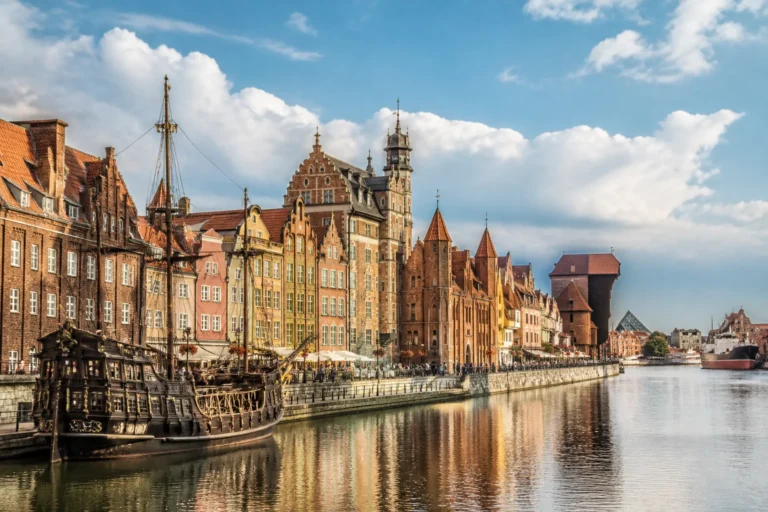
Gdansk pairs a richly layered history with a walkable waterfront and easy access to the Baltic coast. Its reconstructed…
Explore destination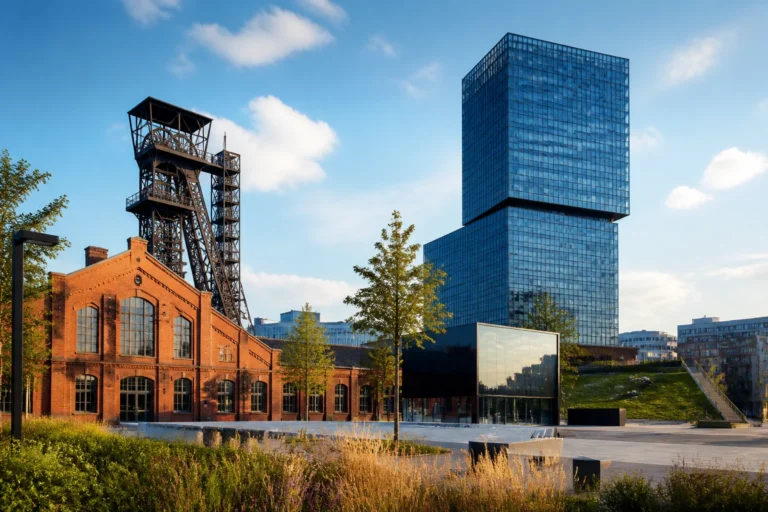 AI illustration
Katowice
Katowice is a practical base for exploring Poland’s Silesian region, as well as a city with its own distinctive…
Explore destination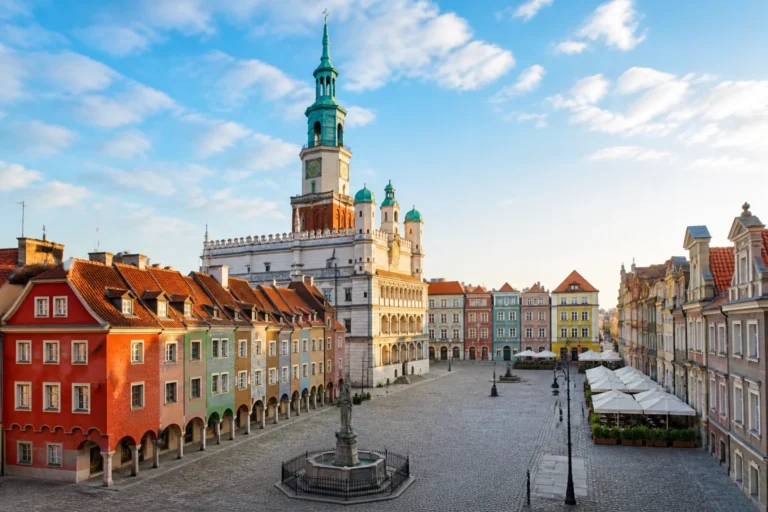 AI illustration
Poznan
Poznań is a western Polish city with a compact historic centre, a lively food scene and plenty of room…
Explore destination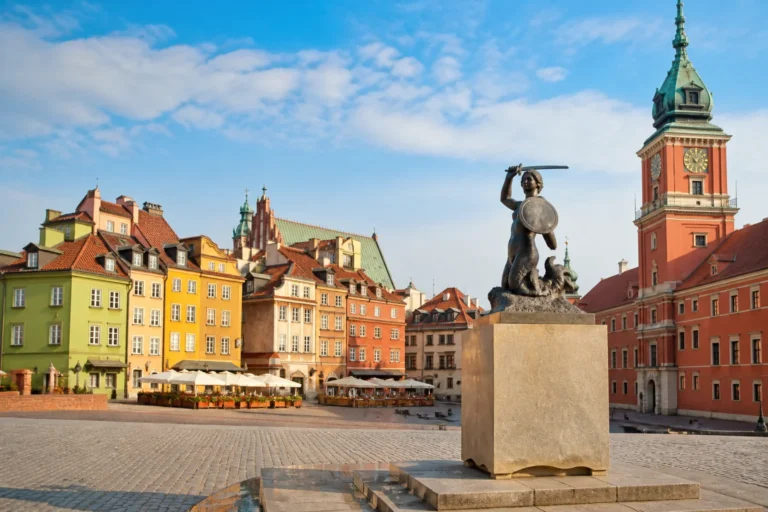 AI illustration
Warsaw
Warsaw combines a carefully reconstructed Old Town with modern museums, leafy parks and neighbourhoods that feel quite different from…
Explore destination