
Italy · Europe
Parma travel guide: what to see, do and know
Parma is one of northern Italy’s most rewarding smaller cities: elegant without feeling polished to the point of blandness, compact enough for a short break, and rich in food, art and historic streets. It works well for travellers who want a city that feels lived-in rather than overrun, with enough museums, churches and markets to fill a few days. This guide focuses on practical ways to enjoy Parma at an easy pace.
Find flights to Parma ↓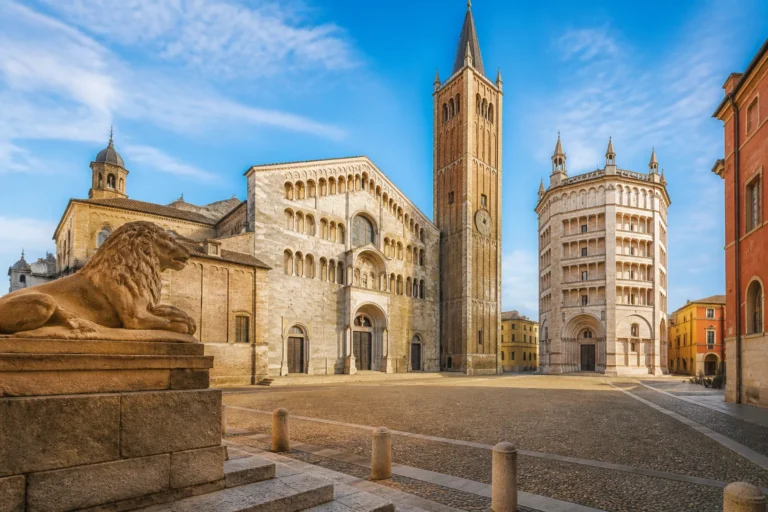 AI illustration
Find flights to Parma
Compare flights · EURAbout Parma
Parma sits in Emilia-Romagna, a region strongly associated with good food, but the city’s appeal goes beyond its culinary reputation. Its centre is walkable, with attractive piazzas, arcaded streets and a calm atmosphere that makes it easy to explore on foot. The city feels more relaxed than larger Italian destinations, which is part of its charm.
It is a good destination for travellers who like a mix of culture and everyday Italian city life. You can move between Romanesque churches, a grand opera tradition, quiet museums and neighbourhood cafés without needing a complicated itinerary. Parma also suits visitors who prefer to stay somewhere convenient for day trips across Emilia-Romagna.
Highlights for first-time visitors often include the cathedral complex, the Baptistery, the theatre and the local food culture tied to Parmigiano Reggiano and Prosciutto di Parma. Even if you are not planning a gourmet trip, these products are part of the city’s identity and show up naturally in markets, trattorias and shops.
- Compact historic centre
- Strong food and art heritage
- Good base for Emilia-Romagna day trips
Things to do in Parma
Start in the historic centre around Piazza Duomo and Piazza Garibaldi. Parma’s cathedral area is one of the city’s most memorable corners, and nearby streets make a good introduction to its pace and architecture. The Baptistery is especially worth considering if you enjoy medieval art and distinctive Italian religious buildings.
Art and performance lovers should look at the Teatro Regio and the city’s museum options. Parma has a cultured side that feels tied to music, painting and public heritage rather than big-ticket tourism. If your timing works, a concert or opera performance can add a strong local flavour to the trip, but even without a show the theatre district is pleasant to wander.
Food is a major reason to come. Explore the covered markets, browse delicatessens and try dishes that reflect the region rather than a generic tourist menu. A simple lunch of tortelli, an aperitivo in the centre or a tasting of local cheeses and cured meats can be as memorable as a museum visit. If you want a slower day, take time to stroll through parks and along the calmer residential streets outside the most visited core.
- Visit the cathedral area and Baptistery
- See a performance or tour the Teatro Regio area
- Sample regional dishes and local specialities
- Leave time for a relaxed walk through the centre
Best time to visit Parma
Parma can be visited year-round, but spring and early autumn are often the most comfortable times for sightseeing and walking. In those seasons, the city’s streets, squares and outdoor cafés are especially enjoyable, and moving between attractions feels easy. They are also good times for combining Parma with nearby places in Emilia-Romagna.
Summer can be lively but warmer, so plan for slower afternoons and a more flexible schedule. Winter is usually quieter and can work well if you care more about museums, restaurants and a less crowded atmosphere than outdoor wandering. If you are interested in local events or seasonal food experiences, it is worth checking official city or venue calendars before you book.
If you prefer a trip that feels unhurried, avoid building too much into a single day. Parma rewards visitors who stop for coffee, lunch and an evening stroll rather than trying to rush through the sights. That is true in all seasons, but especially when temperatures are higher or daylight hours are shorter.
- Spring and early autumn are the easiest seasons for walking
- Summer calls for a slower pace and more shade breaks
- Winter suits museum visits and quieter city stays
How long to stay in Parma
A one-night stop can work if you are passing through northern Italy, but two full days is a better minimum for most travellers. That gives you enough time to see the key historic sites, enjoy a proper meal and still experience the centre without rushing. If you only have one full day, focus on the cathedral area, one or two cultural stops and a good dinner.
Three days is ideal if you want to add markets, slower neighbourhood walks and a little flexibility for a performance, a shopping stop or a relaxed café culture day. It also leaves room for a half-day excursion or simply for repeating parts of the centre at different times, which can be rewarding in a city with a more local feel.
Parma also works as a base for travellers who want to explore Emilia-Romagna by train or road. If that is your plan, staying longer makes sense because the city is pleasant in itself and convenient for day trips.
- 1 day: a quick overview
- 2 days: the best balance for most visitors
- 3 days: better for food, culture and a slower pace
Airports and transport
Parma is served by Parma Airport, but many travellers also consider larger nearby airports depending on their route plans and onward connections. Because schedules and route availability can change, it is best to compare options carefully and check the most direct transfer that fits your itinerary. For current flight choices, use official airline and airport information rather than relying on assumptions.
From the airport or station area, local transport into the city is straightforward, with taxi and public transport options usually being the most practical for visitors. Within the centre, Parma is very walkable, and that is often the easiest way to move between sights. If you are staying farther out, buses and taxis can help, but it is sensible to confirm routes and ticketing details locally.
If you plan to visit nearby towns or other cities in Emilia-Romagna, rail connections are often a useful option. Trains can be a comfortable choice for independent travellers who want to avoid driving in city centres. As always, check current timetables and service patterns before departure.
- Compare Parma Airport with nearby larger airports
- Walk the centre whenever possible
- Use trains for regional day trips where practical
Where to stay in Parma
For a first visit, staying in or near the historic centre is usually the most convenient choice. You will be close to the main squares, food spots and cultural sights, and you can return to your hotel easily between outings. This area is also best if you want to explore on foot and keep logistics simple.
If you prefer a quieter stay, look just beyond the busiest central streets, where you may still have easy access to the centre without being right in the middle of it. This can be a good compromise for travellers who want calmer evenings. Business travellers may also find hotel options near transport links practical, especially if they are arriving late or leaving early.
Families and longer-stay visitors may prefer accommodations with a little more space or easier parking, though parking in central areas should always be checked carefully in advance. In Parma, location matters more than chasing a long list of amenities because the city is compact and much of the appeal comes from being able to walk out and explore.
- Historic centre for first-time visitors
- Just outside the centre for quieter evenings
- Near transport links if you are arriving or departing by train or road
Practical tips for Parma
Parma is best enjoyed at a comfortable pace, so leave room in your itinerary for coffee stops, lunch and simply sitting in a square. Many of the city’s pleasures are tied to everyday routines rather than headline attractions. That also means you do not need a rigid schedule to make the most of it.
A few basic Italian phrases are useful, especially in smaller cafés, bakeries and shops. Carrying some cash can also be handy, though card payments are common in many places. If you are visiting churches or religious sites, dress modestly and allow for quiet behaviour inside.
If food is a priority, plan ahead for restaurant opening patterns, which can differ from what some travellers expect. Booking ahead may help for popular dinners or special occasions, but for many meals the more useful strategy is simply to avoid peak rush times. Finally, check transport and opening hours directly with official operators, since these details can change.
- Travel slowly and leave time for meals
- Use a few Italian phrases in shops and cafés
- Check opening hours and transport details locally
Frequently asked questions about Parma
Is Parma worth visiting for a short trip?
Yes. Parma is compact, attractive and easy to explore without feeling rushed, so it works well for a short city break, especially if you enjoy food, art and a calmer atmosphere.
What is Parma best known for?
Parma is known for its food traditions, especially Parmigiano Reggiano and Prosciutto di Parma, as well as its cathedral, Baptistery, theatre culture and elegant historic centre.
Can you visit Parma without a car?
Yes. The centre is walkable, and local transport can help with longer transfers. A car is more useful if you plan to explore beyond the city, but it is not necessary for a city stay.
How many days do you need in Parma?
Two days is a good starting point for most visitors. That gives you time for the main sights, a relaxed meal or two and a proper feel for the city.
Is Parma a good base for day trips?
It can be, especially if you want to explore Emilia-Romagna by train or road. Parma itself is pleasant enough to justify staying there, while also being practical for nearby destinations.
Travel information can change. Check official transport operators and attraction websites before booking.
Editorial review: 23 Oct 2026
More destinations to explore
 AI illustration
Alghero
Alghero, on the north-west coast of Sardinia, combines a historic centre with easy access to beaches and the coastal…
Explore destination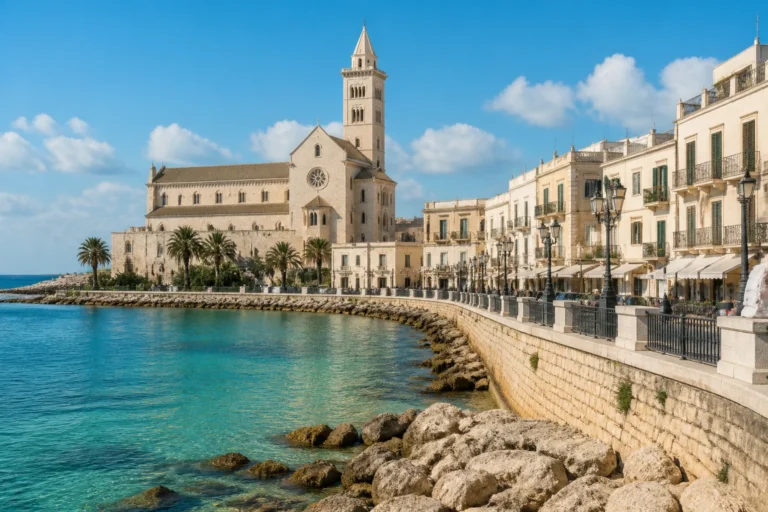 AI illustration
Bari
Bari is a practical, characterful gateway to Puglia, combining a walkable old town, a lively waterfront and an easy…
Explore destination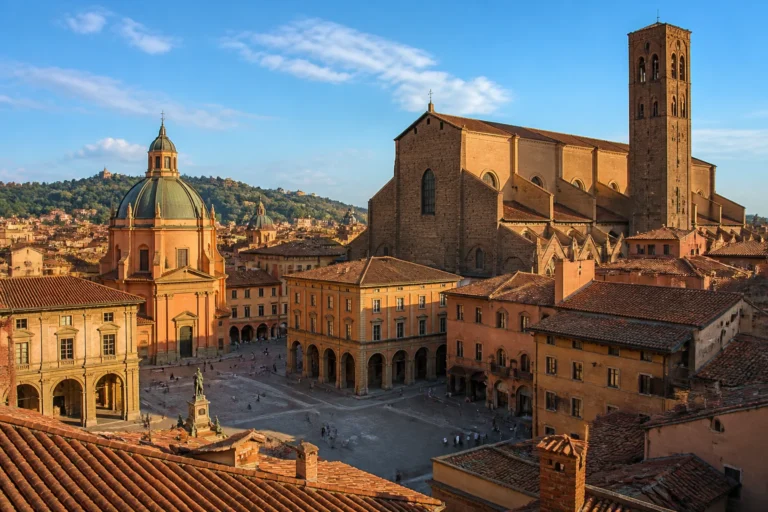 AI illustration
Bologna
Bologna is one of Italy’s most rewarding city breaks: compact enough to explore on foot, lively without feeling overwhelming,…
Explore destination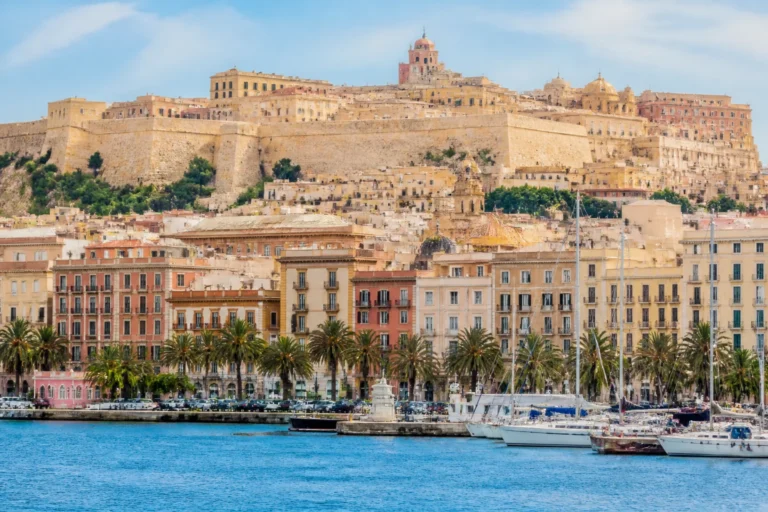 AI illustration
Cagliari
Cagliari is Sardinia’s lively capital, where a compact historic centre, long city beaches and easy access to turquoise coastline…
Explore destination