
Spain · Europe
Valencia Travel Guide for European Travellers
Valencia is an easygoing Spanish city where a historic centre, wide beaches and contemporary architecture sit close together, making it a strong choice for a short break or a longer city stay. It rewards travellers who like wandering on foot, eating well and mixing culture with time by the sea. This guide focuses on practical ways to plan a visit, move around and decide what to prioritise once you arrive.
Find flights to Valencia ↓ AI illustration
Find flights to Valencia
Compare flights · EURAbout Valencia
Valencia is Spain’s third-largest city, set on the Mediterranean coast and shaped by a long trading history, a strong food culture and a relaxed urban rhythm. The centre combines narrow streets, plazas and Gothic landmarks, while the waterfront and former riverbed create open spaces that feel very different from the old town. That contrast is part of the city’s appeal.
For independent travellers, Valencia is manageable without being small. You can spend a morning in the old quarter, an afternoon in the City of Arts and Sciences or on the beach, and still have time for a proper dinner later. It also works well as a stop between Barcelona and southern Spain, or as a destination in its own right.
- Historic centre plus modern architecture
- City beaches within easy reach
- Strong local food culture, especially rice dishes
Things to do in Valencia
Start in the historic centre, where the cathedral area, market streets and quieter squares give you a feel for the city’s older layers. The Central Market and nearby streets are especially useful if you want to sample local produce, buy picnic supplies or simply watch daily life unfold. Walking here is one of the best ways to understand Valencia’s scale and pace.
The City of Arts and Sciences is the city’s most recognisable modern complex, and even travellers who are not usually drawn to architecture often include it in their plans. For a different kind of escape, head to the Turia gardens, the long green corridor created in the former riverbed, which is ideal for walking, cycling or resting between sightseeing stops. If you want sea air, the beach districts offer an easy contrast to the centre, with wide promenades and a more laid-back atmosphere.
Food should be part of the itinerary, not an afterthought. Try local rice dishes in a restaurant that specialises in them, rather than expecting every menu to be the same. Valencia is also a good city for simple pleasures: a café stop on a sunny terrace, an evening walk through lit-up squares, or time in a neighbourhood that feels lived-in rather than over-curated.
- Walk the old town and market streets
- Visit the City of Arts and Sciences
- Spend time in the Turia gardens
- Combine the city with an afternoon at the beach
Best time to visit Valencia
Valencia is attractive for much of the year, but the most comfortable periods for many visitors are spring and autumn, when outdoor exploring is usually easier and the city feels lively without being at its most intense. These seasons suit travellers who want to walk a lot, eat outdoors and split time between sightseeing and the coast.
Summer brings longer days and a strong beach focus, but heat can make midday walking less comfortable, so plan for early starts, shade breaks and a slower pace. Winter is generally milder than in much of northern Europe and can still work well for a city break, especially if you prefer museums, cafés and uncrowded streets. If you are interested in local festivals, check official calendars well in advance, because accommodation demand and street activity can change significantly.
- Spring and autumn are often easiest for active sightseeing
- Summer is best for a beach-led trip
- Winter can suit slower city breaks and museum visits
How long to stay in Valencia
A weekend is enough to cover the main sights if you plan carefully: the historic centre, one major modern landmark, a market stop and some time by the sea. That pace works well for travellers using Valencia as a short city break, especially if you are happy to focus on highlights rather than trying to see everything.
Three to four days is a better fit if you want a fuller picture of the city. It gives you room for neighbourhood wandering, a relaxed meal around the rice tradition, a longer visit to the Turia gardens or beaches, and perhaps a museum or two without feeling rushed. Longer stays also make sense if you want Valencia to be more than a checklist destination and use it as a base for slower travel in eastern Spain.
- 2 days for the main highlights
- 3–4 days for a balanced first visit
- Longer stays work well for slow travel and beach time
Airports and transport
Valencia is served by Valencia Airport (VLC), which is close enough to the city for a straightforward arrival. From the airport, travellers usually have a choice of public transport, taxi or pre-booked transfer options, depending on luggage, arrival time and where they are staying. As always, check current operator and airport information before you travel, since services and timetables can change.
Within the city, public transport, walking and cycling are the most useful options for most visitors. The centre is compact enough for many journeys on foot, while the Turia gardens and coastal areas are well suited to bikes. Trams and buses can help with longer cross-city trips or reaching beach districts and outer neighbourhoods. If you plan to rely on public transport, it is worth understanding the network before arrival so you can move around efficiently without needing a car.
- Valencia Airport (VLC) is the main airport
- Walking works well in the centre
- Cycling is practical along the Turia corridor
- Public transport helps with longer cross-city trips
Where to stay in Valencia
If it is your first visit, staying near the historic centre is often the easiest choice. You will be close to major sights, food options and the kind of evening atmosphere that makes city breaks feel complete. This area is especially convenient if you want to explore on foot and do not mind a little more bustle.
The Eixample area is a good middle ground for travellers who want a smarter residential feel with good dining and easy access to the centre. It can suit couples and independent travellers who prefer streets with more local life and less constant tourist activity. If beach time matters most, the coastal districts are the obvious option, though they can feel quieter outside the main season. Families or longer-stay visitors may also appreciate areas near the Turia gardens for space and easy movement around the city.
Where you stay should reflect how you want to experience Valencia: old-town atmosphere, central convenience, beach access or a more local neighbourhood feel. The city is not difficult to navigate, but location still shapes the trip, especially if you plan evening walks and frequent restaurant stops.
- Historic centre for first-time visitors
- Eixample for dining and a residential feel
- Beach districts for sea-focused stays
- Turia-side locations for space and easy walking
Practical tips for Valencia
Valencia is a good city for unhurried travel, but a few habits make the visit smoother. Book popular restaurants and major attractions ahead if your dates are fixed, especially during festivals or peak holiday periods. In warm months, try to do more walking early or later in the day and leave midday for indoor visits, long lunches or a break at your accommodation.
A mix of cash and card is usually sensible, though cards are widely accepted in many places. Comfortable shoes matter because the city invites a lot of walking, and beach days are easier if you have a light day bag and water with you. If you are visiting for the first time, aim for a balance of old town, modern architecture, local food and coastal time rather than trying to do everything in one stretch. Valencia rewards travellers who leave space in the itinerary.
- Reserve popular restaurants and timed-entry sights in advance when possible
- Plan outdoor sightseeing around the heat in warmer months
- Comfortable walking shoes are worth packing
- Leave time for both the city and the coast
Frequently asked questions about Valencia
Is Valencia a good city for a short break?
Yes. Valencia works well for a short break because the main sights are relatively easy to combine, and you can mix culture, food and beach time without spending much of the trip in transit.
Do I need a car in Valencia?
Most visitors do not need a car for a city stay. Walking, public transport and cycling cover many of the main areas, while a car is more useful only if you plan day trips beyond the city.
Which part of Valencia is best for first-time visitors?
The historic centre is usually the simplest choice for a first visit because it puts you near the main landmarks, restaurants and evening atmosphere. It is especially convenient if you want to explore on foot.
Can you visit the beach and the city in the same trip?
Absolutely. One of Valencia’s strengths is that the centre, the gardens and the coast can all fit into a single stay, so you do not have to choose between a city break and a beach trip.
What food is Valencia known for?
Valencia is strongly associated with rice dishes, especially those prepared in local styles, as well as market produce, seafood and simple Mediterranean cooking. It is worth seeking out restaurants that specialise in the region’s rice tradition.
Travel information can change. Check official transport operators and attraction websites before booking.
Editorial review: 23 Oct 2026
More destinations to explore
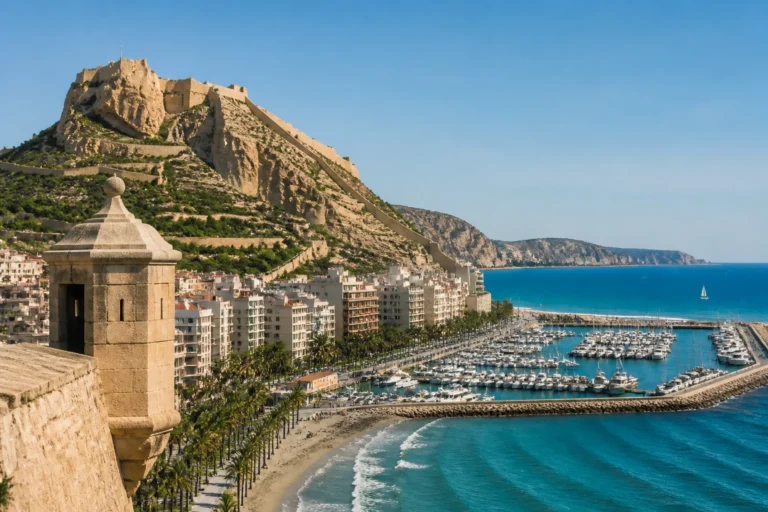 AI illustration
Alicante
Alicante is an easygoing Mediterranean city where a compact old centre, a long waterfront and a busy local food…
Explore destination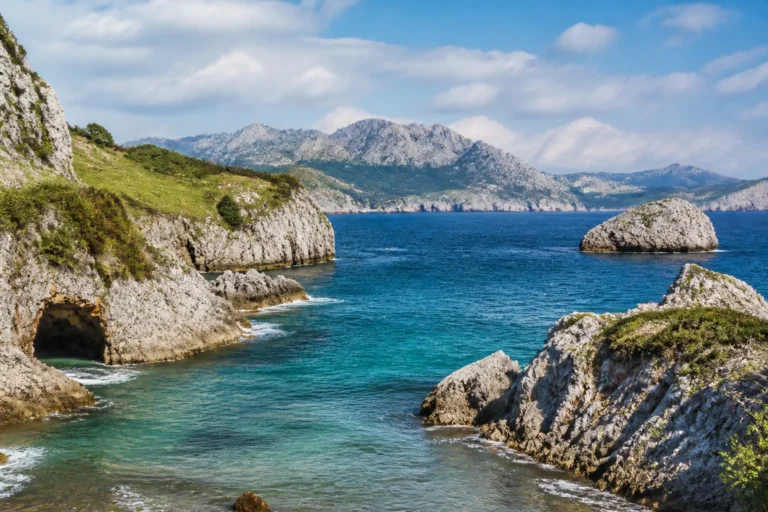 AI illustration
Asturias
Asturias is a region in northern Spain where compact cities, Atlantic beaches and green mountain landscapes make very different…
Explore destination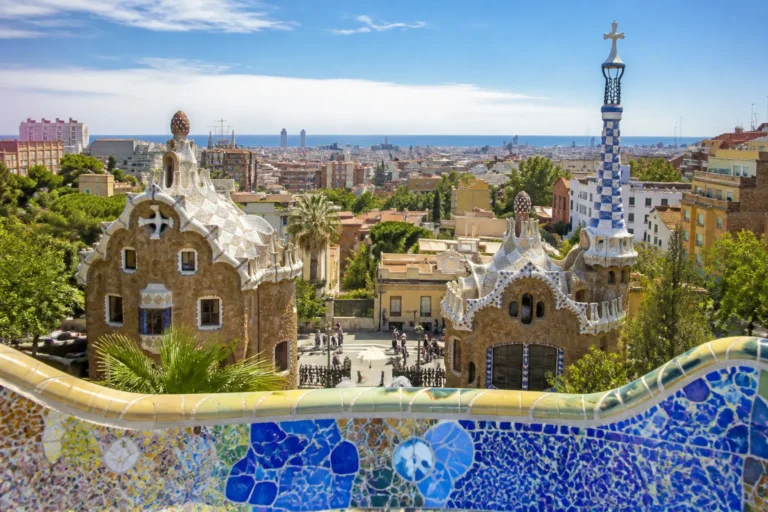 AI illustration
Barcelona
Barcelona mixes a compact city break with beach time, neighbourhood wandering and a strong food-and-culture scene. For European independent…
Explore destination AI illustration
Bilbao
Bilbao is one of northern Spain’s most interesting city breaks: compact enough to explore on foot in parts, but…
Explore destination