
Spain · Europe
Bilbao Travel Guide for European City Breaks
Bilbao is one of northern Spain’s most interesting city breaks: compact enough to explore on foot in parts, but large enough to keep you busy with architecture, food, museums and a strong local identity. It suits travellers who like urban destinations with a relaxed pace, excellent dining and easy access to the Basque coast and countryside. This guide covers the essentials for planning a flexible, independent trip.
Find flights to Bilbao ↓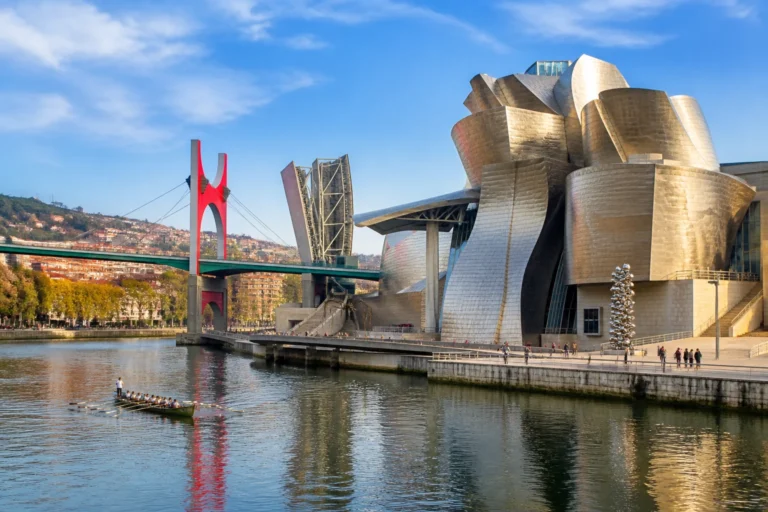 AI illustration
Find flights to Bilbao
Compare flights · EURAbout Bilbao
Bilbao, in northern Spain’s Basque Country, has transformed from an industrial port city into one of Europe’s most appealing urban destinations. That change is visible in its riverside architecture, regenerated waterfront and lively centre, but the city has not lost its working character or local traditions. For visitors, that means a place that feels authentic rather than polished for tourism.
The city works well as a short break because many of its main sights are relatively close together, yet it also rewards slower travel. You can move from contemporary landmarks to old streets, then finish the day in pintxos bars or by the river. Bilbao is also a practical base for day trips to the coast, nearby towns and green landscapes in the Basque region.
- Strong food culture and pintxos bars
- Mix of old town, modern architecture and riverfront walks
- Good base for regional day trips
Things to do in Bilbao
Start with the Guggenheim Museum, Bilbao’s best-known landmark and a major reason many visitors come. Even if you do not go inside, the building and its surroundings are worth time for the riverside setting, outdoor sculptures and the contrast between the museum and the older city around it. Nearby, the Nervión riverfront is pleasant for a walk and gives a useful overview of how the city has changed.
Bilbao’s Casco Viejo, or Old Town, is the place to wander without a fixed plan. Its narrow streets, traditional shops and bars are good for sampling pintxos, a Basque-style small-plates culture that is central to local social life. The nearby covered market and the river crossing points also help you get a feel for everyday Bilbao rather than just the headline sights.
For a wider view of the city, look for higher viewpoints, public parks and the funicular railway if it is operating during your trip. Bilbao is also well suited to combining urban time with the coast: beaches and seaside towns are within reach for a half-day or full-day outing, depending on your pace and transport choice.
- Guggenheim Museum and riverside architecture
- Casco Viejo for walking and pintxos
- Parks, viewpoints and coastal side trips
Best time to visit Bilbao
Bilbao has a climate that is milder than many parts of inland Spain, but it is also more prone to rain, especially outside the summer months. Spring and early autumn are often the most comfortable times for a city break, with conditions that suit walking, sightseeing and outdoor meals when the weather cooperates. These seasons can also feel less busy than peak holiday periods.
Summer brings longer days and a livelier atmosphere, which can be useful if you want to combine museums, riverside walks and time at the beach. Winter is usually quieter and can work well for travellers who prefer fewer crowds and do not mind changeable weather. Whatever the season, it is wise to build some flexibility into your plans so you can swap outdoor time and indoor visits as needed.
- Spring and early autumn suit walking and sightseeing
- Summer is good for long days and coastal outings
- Rain is possible in most seasons, so plan flexibly
How long to stay in Bilbao
A weekend is enough for the main city highlights if you are focused: the Guggenheim, the Old Town, the riverfront and a few good meals can all fit into two full days. This is a solid option for travellers who want a cultural city break with minimal logistics and no need to rush between districts.
Three to four days is better if you want to explore at a more relaxed pace or add a side trip. That gives you room for neighbourhood wandering, a museum or two, time for pintxos crawls, and perhaps an excursion to the coast or another nearby Basque town. If your trip is mainly about food and atmosphere, the extra time is especially worthwhile.
- 2 days for the core city highlights
- 3–4 days for a slower pace and a day trip
- Longer stays suit food-focused travellers
Airports and transport in Bilbao
Bilbao is served by Bilbao Airport, which is the main air gateway for the city and surrounding area. From the airport, travellers usually rely on local bus services, taxis or pre-arranged transfers depending on luggage, time of arrival and final destination. For current routes, timings and airport access, check the official airport and transport operator information before travelling.
Within the city, Bilbao is fairly manageable without a car. Walking works well in central areas, while metro, tram, buses and regional rail can help you cover longer distances or reach neighbourhoods outside the historic core. If you plan day trips beyond the city, compare public transport with train or coach options in advance, as services and frequencies vary by destination.
- Bilbao Airport is the main arrival point
- Central areas are walkable
- Metro, tram and buses help with cross-city trips
Where to stay in Bilbao
For a first visit, the city centre and areas close to the river are usually the most convenient because they make sightseeing and dining easier. Staying near the Old Town works well if you want atmosphere, evening life and easy access to pintxos bars, though some streets can be livelier at night. Around the Guggenheim and riverfront, you may find a good balance between modern surroundings and easy transport links.
If you prefer a quieter base, look at residential districts with good metro or tram access rather than the busiest nightlife zones. Bilbao is not a huge city, so location is often about choosing the right character for your trip: historic and social, modern and practical, or calmer and local. Booking earlier is sensible during major events and busy holiday periods.
- Old Town for atmosphere and food
- Riverfront and Guggenheim area for convenience
- Choose based on noise level and transport links
Practical tips for visiting Bilbao
Pintxos culture works a little differently from a sit-down meal. In many bars, you order small plates at the counter, pay as you go or settle up at the end, and move on to another place for variety. It is a social way to eat, so a relaxed attitude helps. In busy spots, standing room is normal, and trying a few bars is often part of the experience.
Basque and Spanish are both present in everyday life, so you may see place names and signage in both languages. Simple greetings are appreciated, and a few basic Spanish phrases can help, though many hospitality staff will be used to visitors. As with any city break, keep an eye on your belongings in crowded areas and check opening hours for museums, markets and transport before you go out, especially on Sundays or public holidays.
- Try pintxos in more than one bar
- Expect bilingual Basque and Spanish signage
- Check opening hours in advance, especially on holidays
Frequently asked questions about Bilbao
Is Bilbao good for a short city break?
Yes. Bilbao works well for a weekend or a few days because the main sights are fairly compact, the food scene is a highlight, and it is easy to mix museums, old streets and riverside walks without a complicated itinerary.
Do I need a car in Bilbao?
Usually not for the city itself. Central Bilbao is manageable on foot, and public transport can cover most other needs. A car is more useful if you plan to explore beyond the city and want to visit several places in the wider region on your own schedule.
What is Bilbao known for?
Bilbao is best known for the Guggenheim Museum, its Basque food culture, and its successful urban regeneration around the river. It is also known for having a distinct local identity and a strong connection to the surrounding Basque region.
Where should first-time visitors stay in Bilbao?
First-time visitors usually do well in the city centre, the Old Town or near the river and Guggenheim area. These locations make it easier to explore on foot and give you quick access to restaurants, transport and major sights.
Can I combine Bilbao with a beach trip?
Yes. Bilbao is close enough to the coast for a day trip or half-day outing, depending on where you go and how you travel. If beaches are important to your trip, check transport options in advance and choose a destination that fits your schedule.
When is Bilbao at its most pleasant for walking?
Spring and early autumn are often the most comfortable for walking around the city. Summer can also work well, especially for longer daylight hours, but Bilbao can have changeable weather, so it helps to keep your plans flexible.
Travel information can change. Check official transport operators and attraction websites before booking.
Editorial review: 19 Oct 2026
More destinations to explore
 AI illustration
Alicante
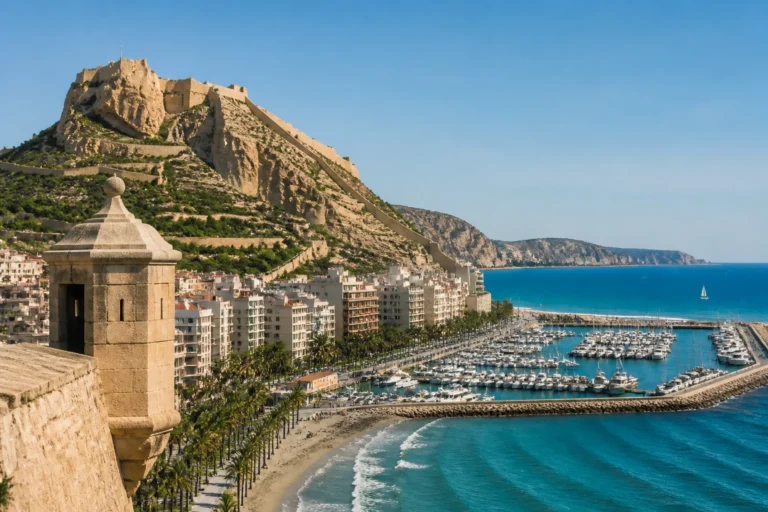
Alicante is an easygoing Mediterranean city where a compact old centre, a long waterfront and a busy local food…
Explore destination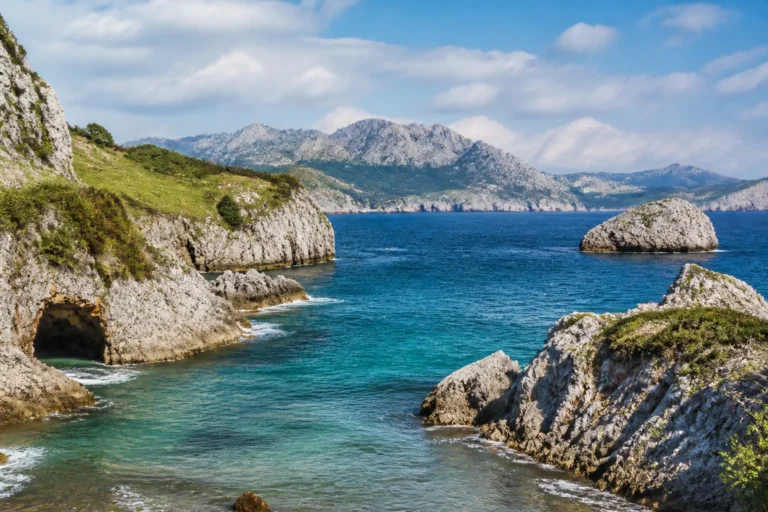 AI illustration
Asturias
Asturias is a region in northern Spain where compact cities, Atlantic beaches and green mountain landscapes make very different…
Explore destination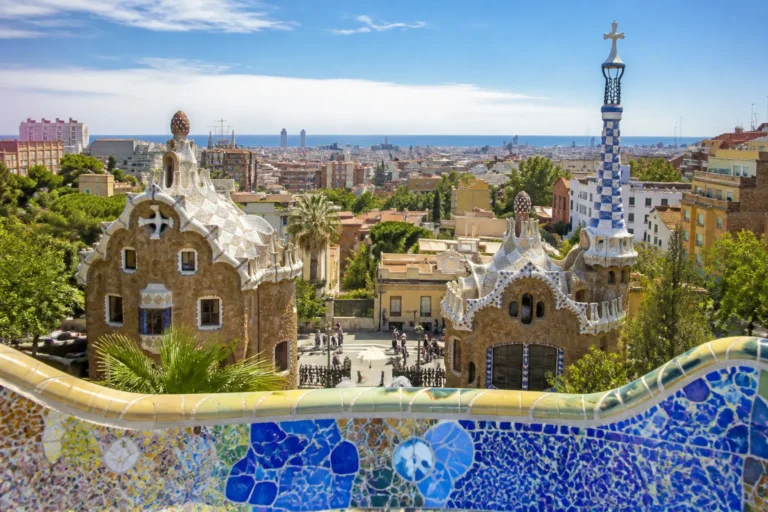 AI illustration
Barcelona
Barcelona mixes a compact city break with beach time, neighbourhood wandering and a strong food-and-culture scene. For European independent…
Explore destination AI illustration
Ibiza
Ibiza, in Spain’s Balearic Islands, combines a historic port city with beaches, rural villages and a well-known nightlife scene.…
Explore destination