
Italy · Europe
Florence Travel Guide for Independent Travellers
Florence is one of Europe’s most rewarding city breaks for travellers who want art, history and walkable streets in one compact destination. Beyond the headline sights, it works well as a base for slow exploring: Renaissance churches, artisan workshops, river views and easy day trips all fit into a stay here. This guide focuses on practical planning for independent visitors using Florence as a trip destination rather than a checklist.
Find flights to Florence ↓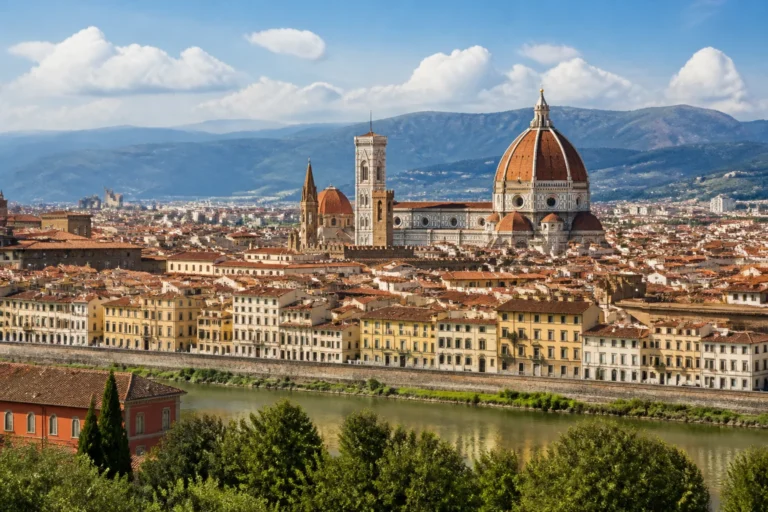 AI illustration
Find flights to Florence
Compare flights · EURAbout Florence
Florence is the capital of Tuscany and one of Italy’s most important cultural cities. It is compact enough to explore on foot, yet dense with museums, churches, squares and viewpoints that reward slow wandering. For many visitors, the appeal is not only the famous art collections but also the atmosphere of the old centre, where everyday life still unfolds around historic buildings and neighbourhood markets.
The city can feel busy in the main central zones, especially around the Duomo and Ponte Vecchio, but it becomes calmer as soon as you move a few streets away. That makes Florence a good fit for travellers who enjoy mixing major sights with neighbourhood cafés, local shops and unhurried evenings. If you like visiting places where the cultural highlights are close together and the logistics are simple, Florence is an easy city to plan independently.
- Historic centre that is very walkable
- Strong mix of art, architecture and food
- Good base for nearby Tuscan excursions
Things to Do in Florence
The classic Florence experience starts with the Duomo complex, where the cathedral, baptistery and bell tower create one of Europe’s most recognisable cityscapes. From there, many visitors continue to the Uffizi and Accademia, which are among the most important museums for Renaissance art. If you prefer a slower pace, Florence also rewards simple wandering: crossing the Arno, browsing artisan streets and pausing in smaller churches or courtyards can be just as memorable as the headline attractions.
For views, head toward the hills or higher terraces around the historic centre, especially at sunset when the rooftops and river catch the light. The Oltrarno side of the river is a good area for workshops, smaller trattorias and a more lived-in feel than the busiest central streets. Day trips from Florence are also popular, but even within the city you can fill several days with monuments, food markets, gardens and relaxed neighbourhood exploring.
Highlights may include a museum-heavy day, a riverside walk, and time in the Oltrarno rather than trying to see everything at once.
- Duomo area and cathedral complex
- Uffizi and Accademia for major art collections
- Oltrarno for workshops and a less touristy mood
- River walks and hilltop viewpoints
Best Time to Visit Florence
Florence can be visited year-round, but the experience changes noticeably by season. Spring and autumn are usually the most comfortable times for walking and sightseeing, with pleasant temperatures and a better balance between daylight and crowd levels than the peak summer period. These shoulder seasons are often the easiest for travellers who want to spend long days outdoors without rushing from one indoor stop to another.
Summer can be intense in the centre, especially around major landmarks where shade is limited and queues can be long. Winter is quieter and can work well for museum-focused trips, though shorter days mean you may want to plan your outdoor time more carefully. If your priority is photography, terrace views and lingering in cafés, choose a period when you can comfortably stay out for much of the day.
- Spring and autumn are the most comfortable seasons
- Summer is busiest around major sights
- Winter suits museum-led city breaks
How Long to Stay in Florence
A short break of two to three days is enough to cover the main historic sights, a couple of major museums and some time for wandering. This is a good length if Florence is part of a longer Italy itinerary or if you want a focused city trip. You can see the essentials without feeling too rushed, especially if you book the most in-demand attractions in advance through the official channels.
Four to five days gives you a more balanced visit. That extra time lets you explore beyond the central monuments, spend time in the Oltrarno, fit in a garden or river walk and take one slower half-day outside the core centre. If you are interested in art, architecture or food, a longer stay usually feels more satisfying than trying to compress Florence into a single packed weekend.
- 2–3 days for the main highlights
- 4–5 days for a more relaxed pace
- Longer stays suit art lovers and day-trippers
Airports and Transport
Florence is served by Florence Airport, also known as Peretola, which is the most convenient option for reaching the city. Depending on your route, some travellers also consider nearby airports in Tuscany or northern Italy and then continue by train, but the best choice depends on overall itinerary, transfer time and availability. For current flight options, airport connections and transport services, check official operators rather than relying on assumptions.
Within the city, walking is often the simplest way to get around the historic centre. Public transport can be useful for reaching areas outside the core, and taxis or rides should be arranged through legitimate providers. If you are planning to arrive by rail, Florence’s main stations make it straightforward to continue on foot, by bus or by local transfer. For trips beyond the city, trains are usually the most practical option for independent travellers.
When you compare transport, think in terms of convenience rather than distance alone: Florence is compact, but some streets in the centre can be crowded or restricted, so luggage planning matters.
- Florence Airport is the most direct air gateway
- Historic centre is best explored on foot
- Trains are practical for wider Tuscany trips
Where to Stay in Florence
The historic centre is the most convenient place to stay if you want to be within walking distance of the main monuments, museums and restaurants. This area is ideal for first-time visitors, though it can be busy and accommodation may book up early in peak periods. Staying central can save transport time, especially if you are only in Florence for a short break.
The Oltrarno is a strong option for a more local feel while still keeping the centre close by. It suits travellers who like smaller streets, artisan workshops and evenings that feel less dominated by sightseeing traffic. Areas just outside the immediate core can also work well if you want better value or a quieter base, provided you are comfortable using walking, tram or bus connections to reach the sights.
As a general rule, choose your neighbourhood according to your priorities: maximum convenience near the centre, a more residential atmosphere in Oltrarno, or a quieter outer area if you are happy to commute a little each day.
- Historic centre for first-time visitors
- Oltrarno for a local, creative atmosphere
- Outer districts can suit quieter stays
Practical Tips for Florence
Florence rewards travellers who book ahead for the most popular museums and who leave room in the day for simple wandering. If your schedule is tight, avoid trying to combine too many major sights in one block of time. A better approach is to group attractions by area and then build in pauses for coffee, lunch or a quieter side street. That makes the city feel less crowded and more enjoyable.
Comfortable shoes matter because the centre’s streets, pavements and bridges are best handled on foot. If you are visiting churches or museums, dress modestly enough to cover shoulders and knees where required. It is also sensible to carry a little flexibility in your plans, because queue times, opening arrangements and access rules can change; always confirm details with official sites before you go.
Florence is a city where pacing matters. The most memorable visits often come from balancing the major Renaissance highlights with time spent simply observing daily life, rather than chasing every landmark in a hurry.
- Book major museums in advance through official channels
- Use walking as your main mode in the centre
- Plan for queues and check opening details before visiting
Frequently asked questions about Florence
Is Florence easy to visit without a car?
Yes. Florence is one of the easier Italian cities to manage without a car, especially if you stay near the historic centre or close to a rail connection. Walking covers most of the main sights, and other transport can be used selectively.
What is Florence best known for?
Florence is best known for Renaissance art, architecture and museums, but it is also valued for its compact historic centre, river views and neighbourhood atmosphere. Many travellers combine the major sights with time in smaller streets and local districts.
How many days do I need in Florence?
Two to three days is enough for the core highlights, while four to five days gives you more breathing room for museums, neighbourhood walks and a slower pace. If you plan day trips, allow extra time.
Should I stay in the historic centre or outside it?
If it is your first visit, the historic centre is the most convenient option. If you prefer a calmer or more local feel, the Oltrarno or a nearby district can work well, as long as you are happy to walk or use local transport.
Can Florence be used as a base for Tuscany day trips?
Yes, Florence is a practical base for exploring parts of Tuscany, especially if you rely on trains or organised transport. For longer or more rural excursions, check schedules and connections carefully before you plan your route.
Travel information can change. Check official transport operators and attraction websites before booking.
Editorial review: 19 Oct 2026
More destinations to explore
 AI illustration
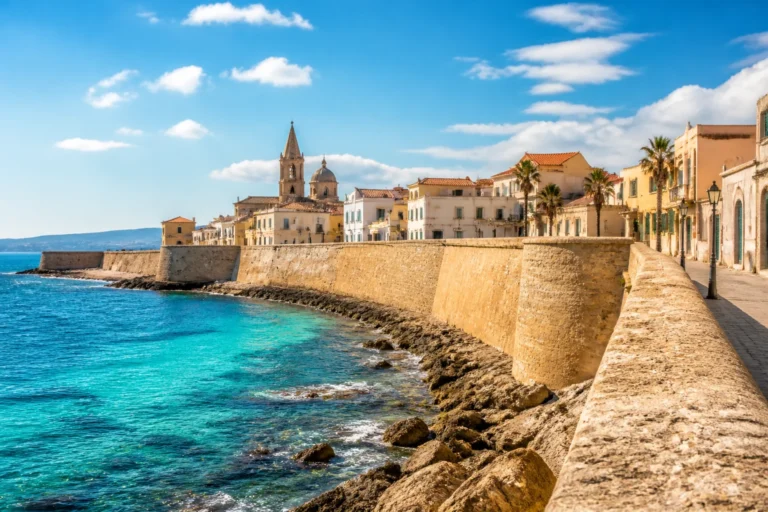
Alghero
Alghero, on the north-west coast of Sardinia, combines a historic centre with easy access to beaches and the coastal…
Explore destination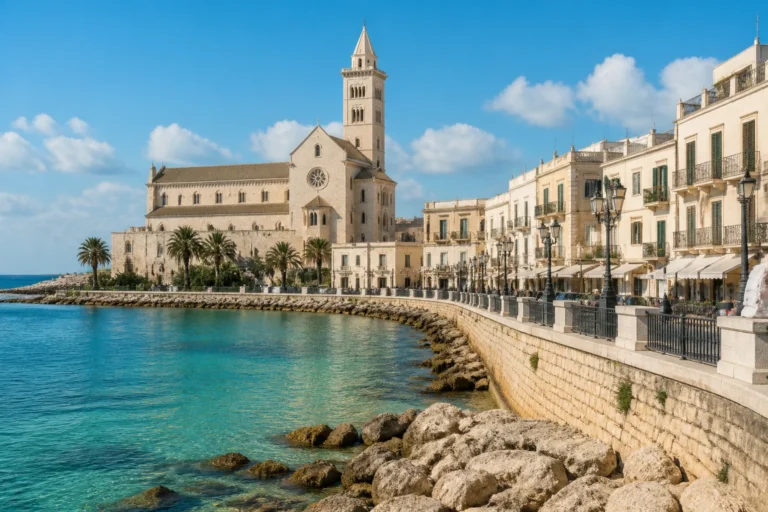 AI illustration
Bari
Bari is a practical, characterful gateway to Puglia, combining a walkable old town, a lively waterfront and an easy…
Explore destination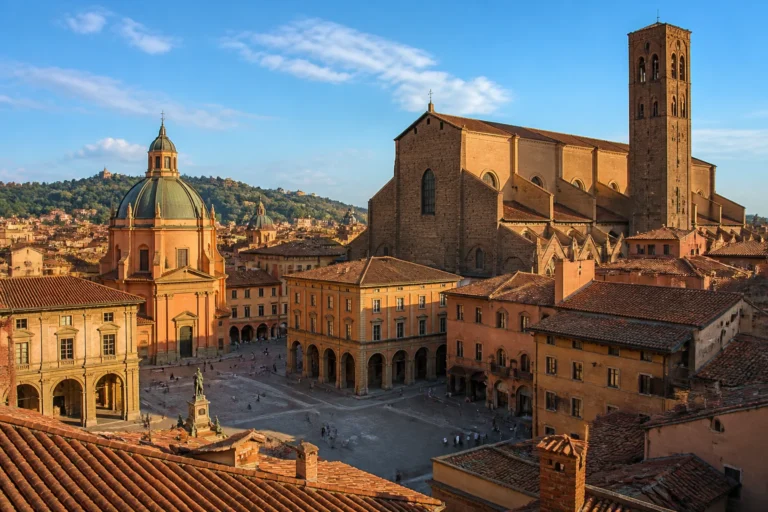 AI illustration
Bologna
Bologna is one of Italy’s most rewarding city breaks: compact enough to explore on foot, lively without feeling overwhelming,…
Explore destination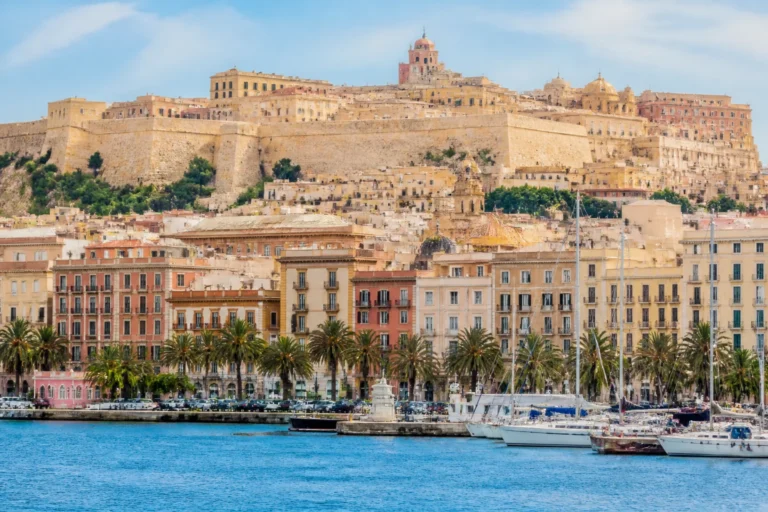 AI illustration
Cagliari
Cagliari is Sardinia’s lively capital, where a compact historic centre, long city beaches and easy access to turquoise coastline…
Explore destination