
Italy · Europe
Palermo Travel Guide for Independent Travellers
Palermo is a city of layered history, busy markets, grand churches and a coastline that reminds you Sicily is never far away. For independent travellers, it works well as a place to wander between Arab-Norman landmarks, street food stalls and neighbourhoods with a strong local character. This guide focuses on practical ways to plan a short city break or a longer stop in Palermo, Italy, without rushing the experience.
Find flights to Palermo ↓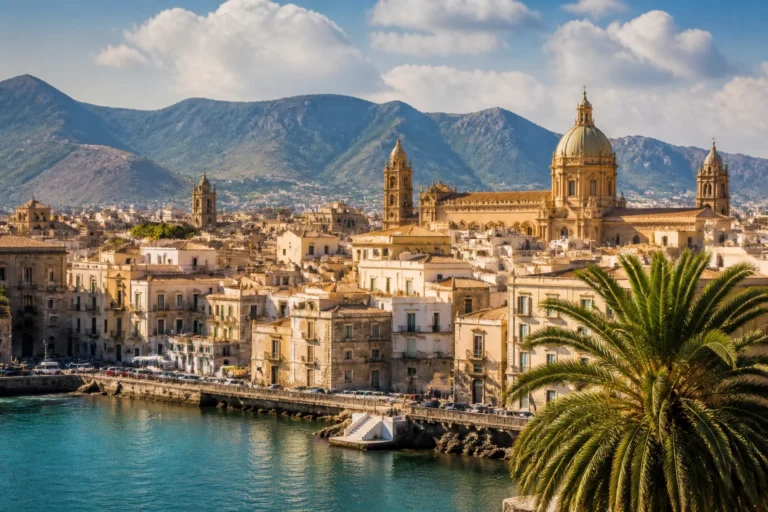 AI illustration
Find flights to Palermo
Compare flights · EURAbout Palermo
Palermo, the capital of Sicily, is a city where different eras sit side by side. You can move from ornate Baroque facades to street markets, from major churches to small backstreets that still feel residential. Its appeal is not only in monuments but in the atmosphere: noisy, textured, and easy to explore on foot in the central districts.
For European independent travellers, Palermo is especially rewarding if you like cities that do not feel polished all the way through. It is best approached with curiosity and patience. Give yourself time for pauses in cafés, slow lunches, and aimless walks rather than trying to tick off every landmark in one day.
- Best experienced at an unhurried pace
- Strong mix of architecture, markets and food culture
- Central areas are walkable, but the city rewards planning around heat and traffic
Things to Do in Palermo
Start with the historic centre, where some of Palermo’s most important sights are close together. The Cathedral, Palazzo dei Normanni and the nearby churches show the city’s mix of Norman, Arab and later influences. Even if you are not focused on monuments, this area gives a good first impression of Palermo’s scale and style.
The street markets are part of the city’s character. Ballarò, Capo and Vucciria each have their own rhythm, from produce and household goods to street food and evening activity. They are useful places to understand everyday Palermo, but they are also busy urban spaces, so keep belongings secure and move at your own pace.
If you want a change from dense streets, head toward the seafront or use the city as a base for nearby outings. A walk in the Mondello area or time in a public garden can break up sightseeing, while day trips to coastal or hill towns around Sicily are possible if you have more time and are comfortable with regional transport planning.
- Explore the Arab-Norman heritage in the centre
- Visit at least one historic market
- Balance sightseeing with time near the coast or in quieter neighbourhoods
Best Time to Visit Palermo
Palermo can be visited year-round, but the most comfortable periods for many travellers are spring and autumn, when walking around the city is generally easier than in the hotter months. These seasons are often a practical choice if you want to spend a lot of time outdoors, especially in the historic centre where shade can be limited.
Summer brings longer evenings and a lively atmosphere, but it can also feel intense in the middle of the day. Winter is quieter and still viable for museums, churches and food-focused travel, though some days may be cool or changeable. If you are planning around festivals or religious events, check local calendars in advance because they can affect accommodation and transport demand.
- Spring and autumn are usually the most comfortable for walking
- Summer suits travellers who do not mind heat and busier streets
- Winter can work well for a quieter city break
How Long to Stay in Palermo
A short stay of two to three days is enough for a first impression of Palermo’s main sights, markets and food culture. That gives you time to see the historic centre without turning the trip into a checklist. If you are connecting Palermo with other parts of Sicily, this length can still work well as an introductory stop.
Four to five days is better if you want to combine city wandering with one or two slower experiences, such as a beach afternoon, a museum visit, or a relaxed meal in different neighbourhoods. Travellers who enjoy architecture, local markets and food-led travel may find that a longer stay becomes more rewarding because the city’s pace encourages repetition and discovery.
If Palermo is part of a wider Sicily trip, think about whether you want it at the start or end. Beginning here can help you ease into the island, while ending here gives you an urban base before your departure.
- 2–3 days for a first city break
- 4–5 days for a slower, more rounded visit
- Useful as a base or gateway for a broader Sicily itinerary
Airports and Transport
Palermo is served by Palermo Airport (PMO), which is the main air gateway for the city and surrounding area. From the airport, travellers typically continue into the city by bus, taxi or pre-arranged transfer, depending on luggage, arrival time and preferred level of convenience. For current services and timings, check the official airport and transport operator information before you travel.
In the city itself, walking is often the simplest way to cover the historic centre, but traffic can be heavy and pavements are not always uniform. Public transport and taxis can help with longer hops, especially if you are staying outside the centre or planning beach-time at Mondello. If you intend to use regional trains or buses for day trips, build in extra time and confirm departures locally, as schedules can change.
If you are arriving late or leaving early, it is worth choosing accommodation with straightforward access to the centre or to the airport connection you plan to use. Palermo is manageable without a car in the core districts, and many visitors will find driving more stressful than useful within the city.
- PMO is the main airport for Palermo
- Walking works well in the centre, but traffic can slow other journeys
- Check official operators for up-to-date airport and regional transport details
Where to Stay in Palermo
For a first visit, staying in or near the historic centre is the most practical choice. You will be closer to major sights, markets, restaurants and evening activity, and you can do more on foot. This is especially useful if you have a short trip and want to avoid relying on transport after dark.
If you prefer a slightly calmer atmosphere, consider neighbourhoods just outside the busiest tourist zone, where you may still have good access to the centre but with a more residential feel. Travellers looking for easy beach access may prefer areas closer to Mondello, especially if the trip is as much about downtime as sightseeing.
When choosing accommodation, think about noise, walkability and late-night arrivals rather than only the map distance. In Palermo, two streets apart can feel noticeably different in pace and atmosphere, so it helps to read recent reviews and check whether your base is practical for your plans.
- Historic centre suits first-time visitors
- Outer central neighbourhoods can offer a calmer stay
- Choose location based on walking access and arrival logistics
Practical Tips for Palermo
Palermo is a city where simple preparation makes a difference. Bring comfortable shoes for uneven pavements and plenty of walking, and plan for sun and heat if you are visiting in warmer months. In busy markets and on crowded streets, keep your phone and wallet secure and avoid carrying more than you need.
Food is one of the pleasures of visiting Palermo, so leave room in your schedule for unplanned stops. Street food, pastries and casual cafés are a good way to experience the city without overcomplicating meals. If you have dietary needs, it is still wise to learn a few useful Italian phrases or carry them on your phone.
Finally, keep expectations flexible. Palermo is not a city that always runs on a perfectly tidy timetable, and that is part of the experience. Trains, buses and local opening hours may require a bit of patience, so avoid overpacking each day and build in buffers where possible.
- Wear shoes suitable for walking on uneven surfaces
- Use common-sense precautions in busy areas
- Keep your itinerary flexible and avoid over-scheduling
Frequently asked questions about Palermo
Is Palermo easy to explore without a car?
Yes, especially if you stay in or near the historic centre. Walking covers many of the main sights, and taxis or public transport can help with longer distances. A car is usually more of a burden than a help in central Palermo.
What is Palermo best known for?
Palermo is known for its layered architecture, historic markets, and strong food culture. The city’s Arab-Norman heritage is one of its defining features, along with its busy street life and coastal setting.
How many days do you need in Palermo?
Two to three days is enough for a first overview, while four to five days gives you more room to enjoy the city at a slower pace and add a beach visit or day trip.
Which part of Palermo should first-time visitors stay in?
The historic centre is usually the most practical base for a first trip because it puts major sights, markets and restaurants within easy reach. If you want a quieter stay, look just outside the busiest streets.
Can Palermo work as part of a wider Sicily trip?
Yes. Palermo is a useful starting or ending point for a Sicily itinerary because it has a major airport and plenty of city content on its own. It also works well as a base before moving on to other parts of the island.
What should travellers be careful about in Palermo?
As in any busy city, stay aware of your belongings in crowded places, especially markets and busy streets. It also helps to plan around heat, traffic and transport timings so the trip feels smoother.
Travel information can change. Check official transport operators and attraction websites before booking.
Editorial review: 23 Oct 2026
More destinations to explore
 AI illustration
Alghero
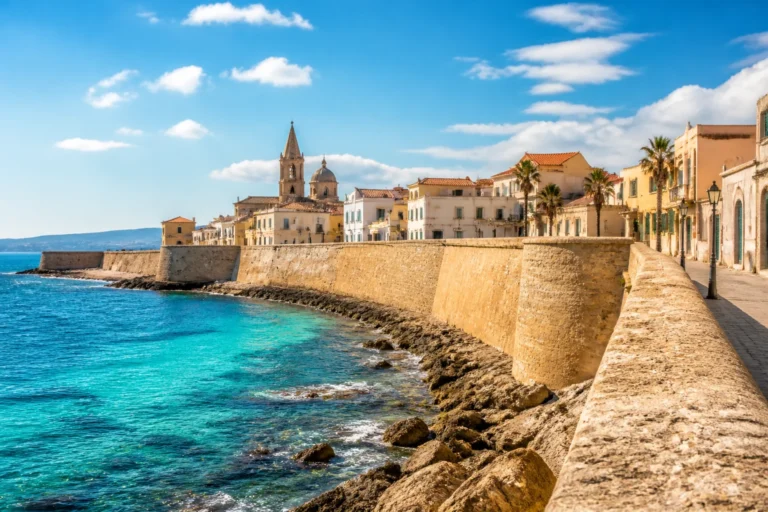
Alghero, on the north-west coast of Sardinia, combines a historic centre with easy access to beaches and the coastal…
Explore destination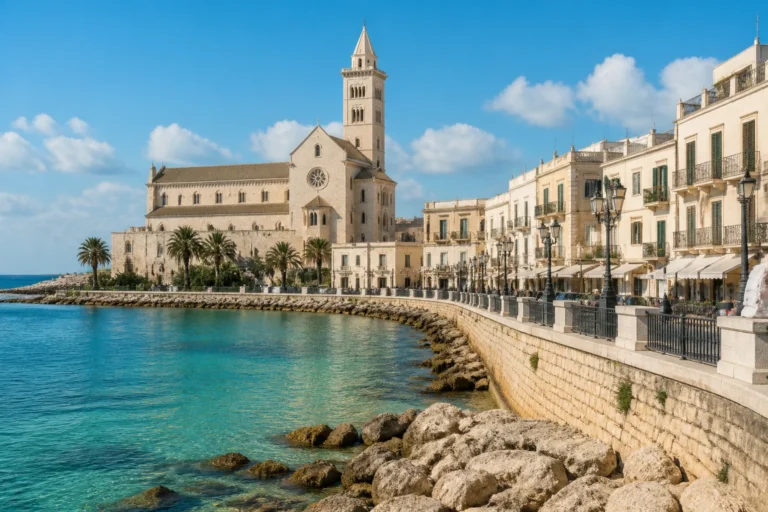 AI illustration
Bari
Bari is a practical, characterful gateway to Puglia, combining a walkable old town, a lively waterfront and an easy…
Explore destination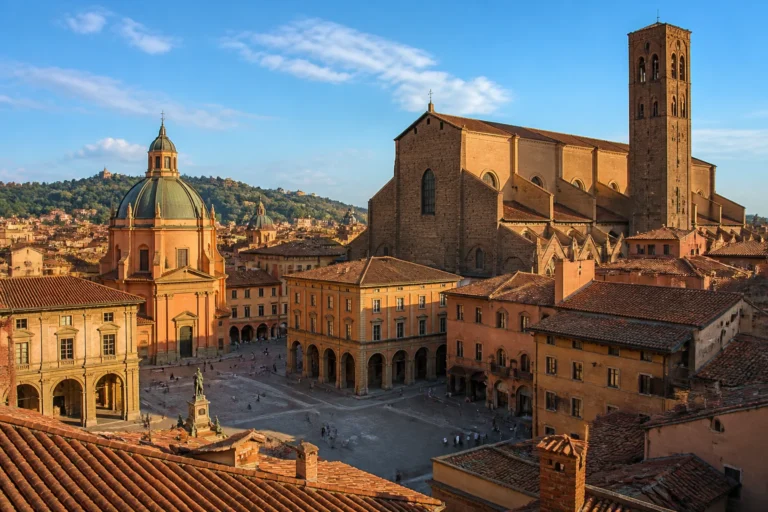 AI illustration
Bologna
Bologna is one of Italy’s most rewarding city breaks: compact enough to explore on foot, lively without feeling overwhelming,…
Explore destination AI illustration
Cagliari
Cagliari is Sardinia’s lively capital, where a compact historic centre, long city beaches and easy access to turquoise coastline…
Explore destination