
Italy · Europe
Catania City Guide for European Travellers
Catania is one of Sicily’s most characterful cities: busy, sunlit, a little rough around the edges, and full of contrasts between lava-stone streets, baroque squares and sea views. It works well as both a city break and a base for exploring eastern Sicily, especially if you like food markets, easy day trips and a more lived-in atmosphere than a polished resort town. This guide focuses on how to make the most of Catania as an independent traveller.
Find flights to Catania ↓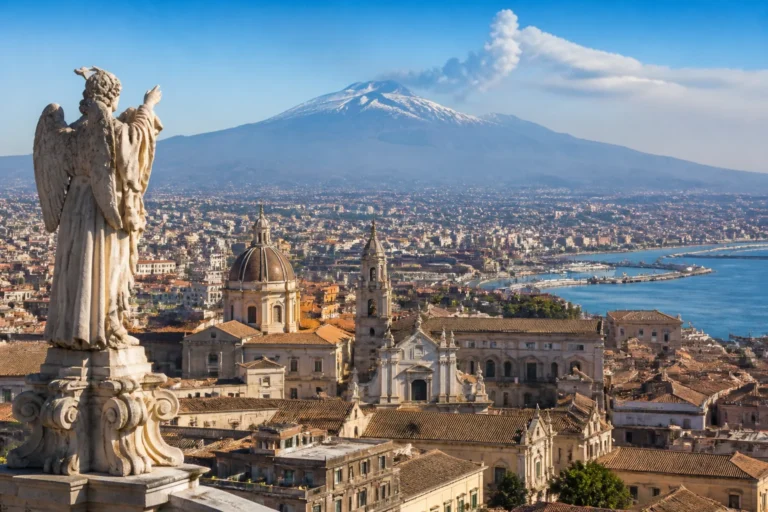 AI illustration
Find flights to Catania
Compare flights · EURAbout Catania
Catania sits on Sicily’s eastern coast, between the Ionian Sea and Mount Etna, and much of its identity comes from that setting. Black lava stone appears in churches, palaces and pavements, a reminder that the city has been rebuilt more than once after earthquakes and eruptions. The result is a compact centre with a strong sense of place, where grand baroque architecture meets daily street life.
For visitors, Catania is less about ticking off famous landmarks and more about atmosphere: fish markets, cafe culture, narrow streets, and long evenings outdoors. It can feel chaotic in places, so it suits travellers who are comfortable exploring on foot, staying alert to traffic and enjoying a city that reveals itself gradually.
- Lava-stone architecture and baroque squares
- Strong local food culture and markets
- Good base for eastern Sicily day trips
Things to do in Catania
The historic centre is the best place to start. Piazza del Duomo is the city’s symbolic heart, with the cathedral, the elephant fountain and elegant surrounding buildings. From there, wander along Via Etnea, Catania’s main artery, for a feel of everyday city life, shops, cafes and views toward Etna on a clear day. If you enjoy markets, the fish market area is especially memorable for its noise, colour and pace.
Catania also rewards travellers who like a mix of culture and simple wandering. The Roman theatre and other archaeological remains give a glimpse of the older city beneath the baroque streets. Several churches and palaces are worth stepping into if they are open, but the real pleasure often comes from moving between them, stopping for a granita, and following the rhythm of the neighbourhoods rather than rushing between sights.
If you have time, consider a day trip toward Mount Etna or nearby coastal towns. The volcano is the major natural draw of the region, while nearby places such as Acitrezza or Taormina offer a different mood, from fishing villages to more scenic, visitor-oriented stops. Depending on your interests, you can make Catania either the main event or the practical hub for wider exploration.
- Piazza del Duomo and the elephant fountain
- Via Etnea and the historic centre
- Catania fish market
- Roman remains and baroque churches
- Day trips to Mount Etna or the coast
Best time to visit Catania
Catania is a year-round destination, but many travellers prefer the shoulder seasons when the weather is generally milder and the streets feel easier to navigate. Spring is appealing for city walks and excursions inland, while early autumn often works well for combining sightseeing with time by the sea. Summer brings the liveliest atmosphere, but also more heat and a busier feel in popular areas.
Winter can be a good option if your focus is culture, food and lower-key sightseeing, though some beach-oriented experiences are naturally less relevant. If you are planning to climb or visit Etna, check current conditions through official local operators before you go, since weather and access can change quickly at higher altitude.
- Spring and early autumn suit sightseeing
- Summer is liveliest but hottest and busiest
- Check Etna access and conditions separately
How long to stay in Catania
One full day is enough for a quick overview of the centre, but it feels rushed. Two to three days is a more comfortable stay for most independent travellers: one day for the historic core and markets, one for a Mount Etna or coastal excursion, and an extra half-day for slower wandering, museums or food stops.
If you are using Catania as a base for eastern Sicily, stay longer. Four to five nights gives you room to visit nearby towns without constantly repacking, and it is especially useful if you want a trip that balances urban energy with day trips. The city can be intense in short bursts, so pacing helps.
A longer stay also makes practical sense if you are travelling by public transport and want flexibility. Being based in Catania can reduce the pressure of moving frequently between destinations, especially if your route includes the airport, the coast and inland excursions.
- 1 day: quick city overview
- 2–3 days: ideal for most visitors
- 4–5 nights: good for a wider Sicily base
Airports and transport in Catania
Catania is served by Catania–Fontanarossa Airport, the main airport for the city and a common arrival point for eastern Sicily. From there, onward travel may involve buses, taxis or other local connections depending on where you are staying. For the most up-to-date arrangements, check the airport and local transport operator websites before you travel.
Within the city, walking is often the best way to experience the historic centre, but traffic can be busy and pavements are not always perfectly smooth. Public buses and regional rail links can help with trips beyond the centre, though schedules and coverage vary, so it is wise to plan conservatively and allow extra time. If you are hiring a car for Sicily, remember that urban driving and parking can be more demanding than you expect.
For day trips, do not assume every attraction is equally easy to reach by public transport. Mount Etna, for example, may require a combination of bus, transfer or organised excursion depending on your exact destination and the season. If transport logistics matter to your trip, build in a buffer rather than trying to fit multiple transfers tightly together.
- Catania–Fontanarossa Airport is the main gateway
- Walk the centre where possible
- Check bus, rail and Etna transport details locally
Where to stay in Catania
For first-time visitors, the historic centre is the most convenient area. Staying near Piazza del Duomo, Via Etnea or the surrounding streets puts you close to major sights, restaurants and evening life. This is the best choice if you want to explore mostly on foot and enjoy the city atmosphere after day-trippers leave.
If you prefer a slightly calmer base, look for accommodation just outside the busiest core, where you may still be within walking distance but with easier access and a less crowded feel. Travellers arriving late or leaving early may also value a location with straightforward transport connections rather than the most scenic address.
Beach access changes the mood completely, but it is worth checking carefully whether a seaside area suits your plans. Some visitors enjoy mixing a city stay with time on the coast, yet for a short trip the centre is usually the more practical option.
- Historic centre for first-time visits
- Just outside the core for a quieter base
- Choose transport convenience if arriving late
Practical tips for visiting Catania
Catania is best approached with a flexible mindset. Streets can be busy, surfaces uneven and signage inconsistent, so good shoes and patience help. Keep an eye on your surroundings in crowded places, especially markets and transport hubs, and carry only what you need for the day. That is standard city advice rather than a reason to avoid exploring; it simply makes the visit smoother.
Food is a major part of the experience. Sicily’s sweet and savoury snacks, seafood dishes and simple cafe culture are easy to enjoy without planning every meal in advance. If you want to eat well, look for places that seem popular with locals and be prepared for meal times that may feel later than in some northern European cities.
Language is not usually a major barrier in tourist-facing places, but a few Italian phrases go a long way. It also helps to confirm opening hours directly with venues, because local schedules can be more variable than visitors expect, especially outside the peak season or around holidays.
- Wear comfortable shoes for uneven streets
- Expect lively traffic and a busy urban rhythm
- Check opening hours directly before visiting sights
Frequently asked questions about Catania
Is Catania a good base for visiting Mount Etna?
Yes. Catania is one of the most practical bases for Etna excursions because it has good regional connections and a wide choice of tours and transfers. The exact route and access depend on where on the volcano you want to go, so check current arrangements with official operators.
Can you visit Catania without a car?
Yes, especially if you are staying in or near the historic centre. Walking covers a lot of the city, and buses or trains can help with some day trips. A car is more useful if you plan to explore several places in eastern Sicily, but it is not essential for a short city stay.
What kind of traveller will enjoy Catania most?
Catania suits travellers who like cities with strong local character rather than polished, purely tourist-focused centres. It is a good match for people interested in food, markets, architecture and day trips, and for those comfortable with a lively, sometimes imperfect urban environment.
How many nights do I need in Catania?
Two to three nights is a sensible amount for most visitors. That gives you time to see the centre, enjoy the food scene and fit in at least one excursion. If Catania is your base for eastern Sicily, staying longer can make the trip much less rushed.
Is Catania better for a city break or as a base?
It can work well as both. For a short break, focus on the historic centre, markets and food. For a longer trip, Catania is especially useful as a base for Mount Etna and nearby coastal or historic towns, provided your transport plans are realistic.
Travel information can change. Check official transport operators and attraction websites before booking.
Editorial review: 19 Oct 2026
More destinations to explore
 AI illustration
Alghero
Alghero, on the north-west coast of Sardinia, combines a historic centre with easy access to beaches and the coastal…
Explore destination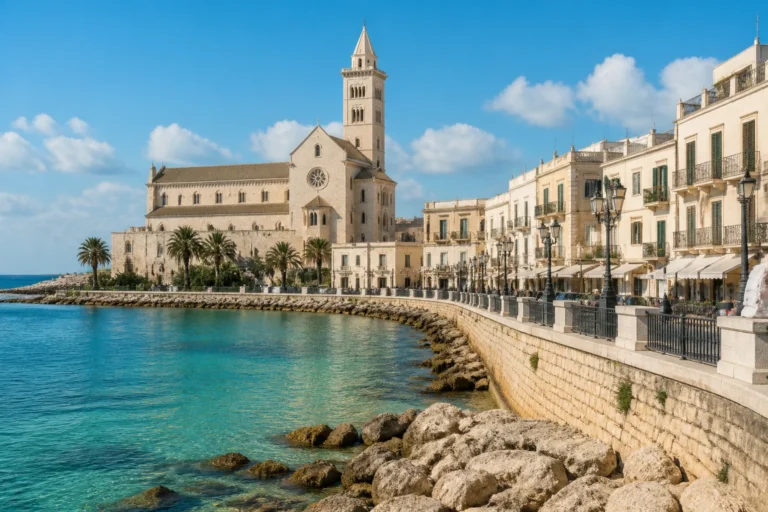 AI illustration
Bari
Bari is a practical, characterful gateway to Puglia, combining a walkable old town, a lively waterfront and an easy…
Explore destination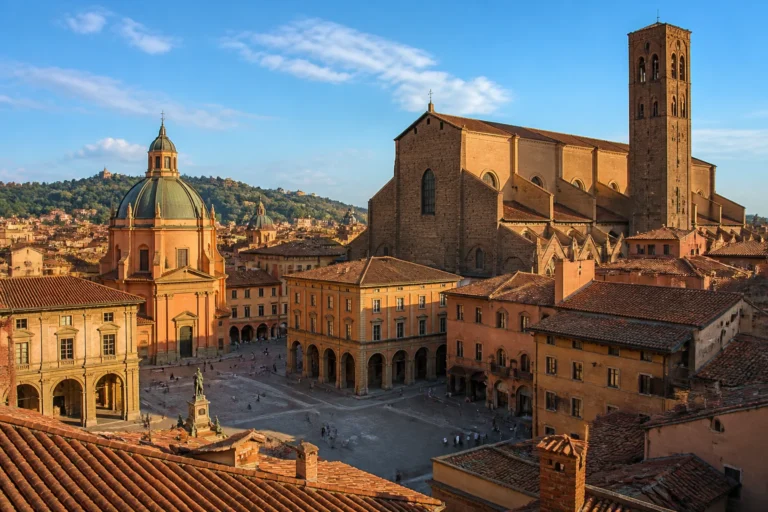 AI illustration
Bologna
Bologna is one of Italy’s most rewarding city breaks: compact enough to explore on foot, lively without feeling overwhelming,…
Explore destination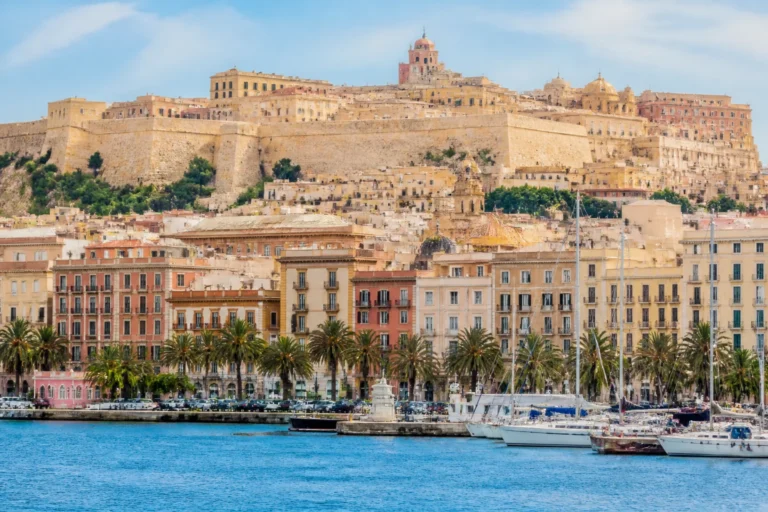 AI illustration
Cagliari
Cagliari is Sardinia’s lively capital, where a compact historic centre, long city beaches and easy access to turquoise coastline…
Explore destination