
Spain · Europe
Palma Travel Guide for European Visitors
Palma is an easygoing Mediterranean city where a compact historic centre, seafront promenades and neighbourhood cafés make short breaks feel relaxed rather than rushed. It works well for independent travellers who want culture, beaches and good food without complicated logistics. This guide covers what to see, when to go, how long to stay and the most practical ways to move around Palma and plan your trip from Europe.
Find flights to Palma ↓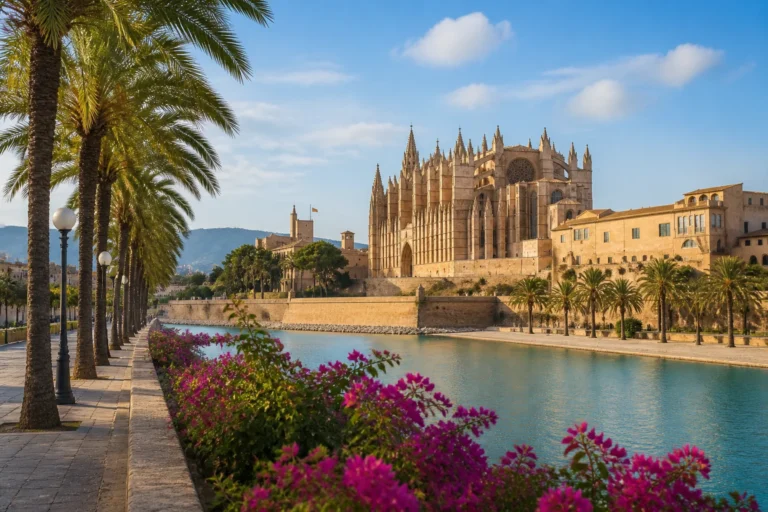 AI illustration
Find flights to Palma
Compare flights · EURH2: About Palma
Palma blends a historic old town with a working-city feel, so you get more than just a resort atmosphere. Narrow streets, shaded squares, markets and waterfront walks sit alongside modern shops, cafés and museums, which makes the city easy to explore at your own pace.
For many visitors, Palma is appealing because it suits different styles of trip. You can spend a slow weekend around the centre, use it as a base for beach time and coastal excursions, or combine sightseeing with long lunches and relaxed evenings. The city is compact enough for independent travellers, but varied enough to keep a few days interesting.
- Historic centre with walkable streets and squares
- Promenade and waterfront areas for relaxed evenings
- Good mix of culture, cafés and beach access
H2: Things to do in Palma
Start with the old town, where the main pleasure is simply wandering. Look for the cathedral area, the surrounding lanes and the smaller streets where shops, courtyards and cafés create a slower rhythm. Palma rewards unhurried walking, especially in the morning or late afternoon when the centre feels less busy.
If you want museums, local markets or architecture, build in a few indoor stops and then balance them with time by the water. The city’s seafront is ideal for a walk or bike ride, and the marina area gives a different perspective from the historic core. Food is also part of the experience here: try a casual lunch, then save time for an evening drink or dessert in a neighbourhood square.
Travellers with extra time can use Palma as a base for day trips, but even without leaving the city you can fill a couple of days comfortably. The best approach is to mix one or two sights with café time, a waterfront stroll and a relaxed meal rather than trying to overpack the itinerary.
- Walk the old town streets and squares
- Spend time along the seafront and marina
- Allow time for markets, cafés and a slow meal
H2: Best time to visit Palma
Palma is most comfortable in the milder parts of the year, when sightseeing and walking are easier and outdoor terraces are pleasant. Spring and autumn are often the most balanced options for independent travellers who want a lively city without the hottest weather or peak-season pressure.
Summer brings the fullest holiday atmosphere and the longest evenings, but it can also feel busier and warmer in the centre. Winter is quieter and can suit travellers who prefer a calmer city break, though some beach-focused plans will be less appealing. If your priority is walking, café culture and sightseeing, choose a period when you can comfortably spend time outdoors during the day.
Rather than focusing only on beach conditions, think about what kind of trip you want. Palma works well for a short cultural break in cooler months and for a more social, open-air stay when the weather encourages long evenings outside.
- Spring and autumn are often the easiest for sightseeing
- Summer is livelier but typically busier and warmer
- Winter suits a calmer city break
H2: How long to stay in Palma
A weekend can give you a good first impression of Palma, especially if you want the old town, waterfront and a few meals out without rushing. Two full days are enough for a compact city break with time to walk, eat well and see the main neighbourhoods.
If you have three to four days, the trip becomes more relaxed. That gives you space for a slower pace, a museum or two, a beach stop and perhaps one day outside the central streets. Longer stays make sense if you like spreading activities out and using Palma as a base rather than treating it as a checklist destination.
Independent travellers often enjoy Palma most when they leave some empty time in the plan. The city is at its best when you can pause for coffee, detour into a side street and keep the schedule flexible.
- 2 days for a solid city break
- 3–4 days for a slower, more balanced trip
- Leave room for cafés, wandering and flexible plans
H2: Airports and transport in Palma
Palma is served by its main airport, and most visitors will reach the city by taxi, airport bus or prearranged transfer. For current timings and routes, check the official airport and local transport operators before you travel, as services can vary by season and day of the week. If you are flying in from Europe, Palma usually works well for short breaks because the transfer into town is straightforward.
Once in the city, walking is often the easiest way to get around the centre. Distances are manageable, and many of the places visitors want to see are best enjoyed on foot. Public buses can be useful for reaching areas outside the core, while taxis are a practical option if you are arriving late or moving with luggage. If you plan to explore beyond the centre, build in extra time for connections rather than relying on tight schedules.
For independent travellers, the simplest approach is to stay somewhere walkable and use a mix of walking and occasional transport rather than trying to drive everywhere. That usually makes Palma feel easier and more enjoyable.
- Airport transfer is usually simple by bus, taxi or transfer
- Walking is the best way to see the centre
- Check official transport information for current routes and times
H2: Where to stay in Palma
Choose your base according to the kind of trip you want. The old town is the best fit if you want sightseeing, restaurants and atmospheric streets on the doorstep. Staying here suits first-time visitors who want to walk everywhere and spend evenings close to the main historic areas.
If you prefer water views and a more open feel, look at areas nearer the seafront or marina. These can work well for travellers who want a balance between city life and a slightly more relaxed setting. For longer stays, some visitors prefer neighbourhoods just outside the busiest core, where prices and noise may feel more manageable, though you may need to use buses or taxis more often.
For a short break, convenience is usually worth more than choosing the cheapest-looking area. A well-located stay in Palma can save time and make the city easier to enjoy on foot.
- Old town for first-time visitors and sightseeing
- Seafront or marina areas for a more open atmosphere
- Outside the centre for longer stays and a quieter feel
H2: Practical tips for Palma
Plan for walking shoes and heat-aware sightseeing. Even if Palma is compact, a lot of the pleasure comes from moving between streets, squares and the waterfront, so comfort matters. If you are visiting in warmer months, break the day into shorter outings and use café stops or indoor visits to avoid feeling hurried.
Book flexible plans where possible. Palma is a destination where a simple outline often works better than a tightly packed schedule, especially if you want time for spontaneous stops, meals or a beach break. It also helps to check opening hours and transport details directly with official sources before you go, since seasonal changes can affect what is practical on any given day.
If you are travelling independently, think of Palma as a place where small choices matter: staying central, arriving with light luggage and leaving space in your itinerary can make the trip much smoother.
- Wear comfortable shoes for walking the centre
- Keep plans flexible rather than over-scheduling
- Check official opening hours and transport details before departure
Frequently asked questions about Palma
Is Palma good for a short city break?
Yes. Palma works very well for a weekend or a few days because the centre is walkable and the main sights, cafés and waterfront areas are easy to combine without a lot of planning.
Do I need a car in Palma?
Not for a stay in the centre. Walking is usually the easiest option, and public transport or taxis can help for longer distances. A car only makes more sense if you plan to spend significant time outside the city.
Which area is best for first-time visitors to Palma?
The old town is usually the best choice for first-time visitors because it puts you close to the main sights, restaurants and atmospheric streets, so you can explore mostly on foot.
How many days should I spend in Palma?
Two days are enough for a basic introduction, while three or four days give you a more relaxed pace and time for a beach stop or an extra neighbourhood walk.
When is Palma most pleasant for sightseeing?
Spring and autumn are often the easiest times for walking and exploring outdoors, while summer is busier and warmer. Winter can suit travellers who prefer a quieter city atmosphere.
Is Palma easy to reach from the airport?
Yes, the transfer into the city is usually straightforward by bus, taxi or transfer. For the latest options and times, check the official airport and transport providers before travelling.
Travel information can change. Check official transport operators and attraction websites before booking.
Editorial review: 23 Oct 2026
More destinations to explore
 AI illustration
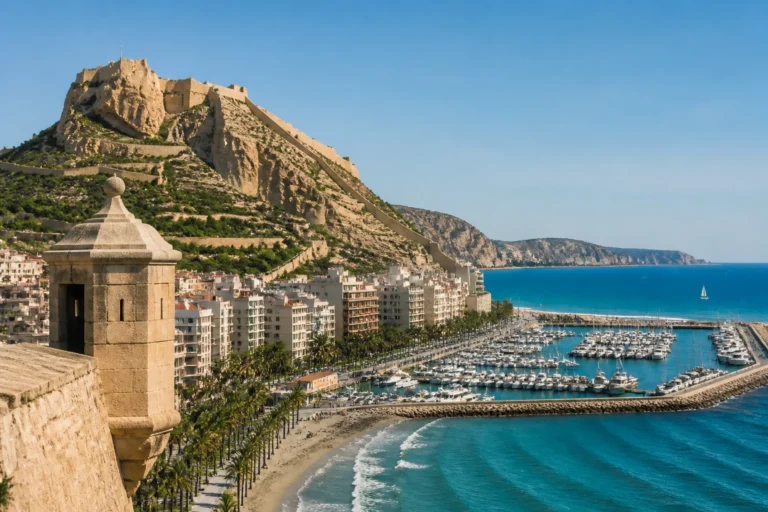
Alicante
Alicante is an easygoing Mediterranean city where a compact old centre, a long waterfront and a busy local food…
Explore destination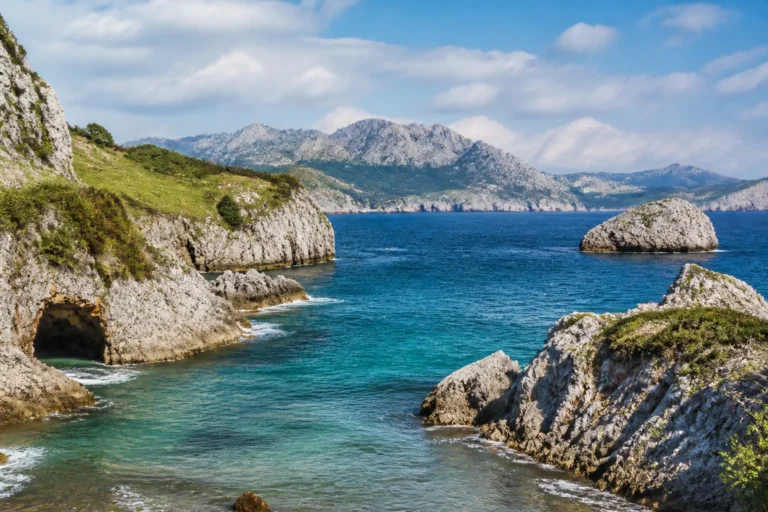 AI illustration
Asturias
Asturias is a region in northern Spain where compact cities, Atlantic beaches and green mountain landscapes make very different…
Explore destination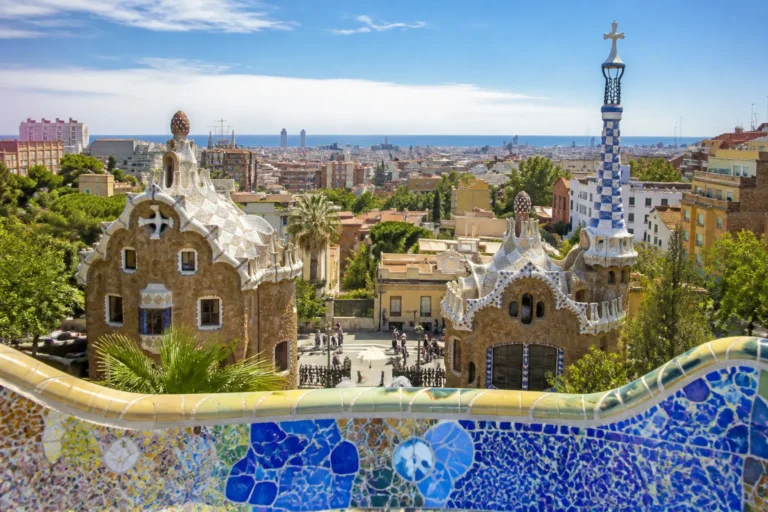 AI illustration
Barcelona
Barcelona mixes a compact city break with beach time, neighbourhood wandering and a strong food-and-culture scene. For European independent…
Explore destination AI illustration
Bilbao
Bilbao is one of northern Spain’s most interesting city breaks: compact enough to explore on foot in parts, but…
Explore destination