
Colombia · South America
Bogota Travel Guide for Independent Travellers
Bogota is a high-altitude capital with a strong cultural scene, layered neighbourhoods, and easy access to museums, markets, and mountain views. For independent travellers, it works well as both a city break and a gateway to Colombia. This guide focuses on how to make the most of your time in Bogota, from getting around to choosing the right area to stay in.
Find flights to Bogota ↓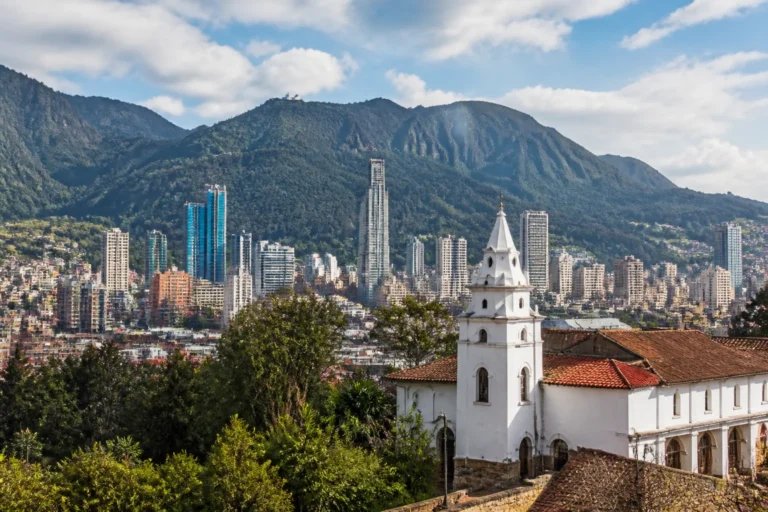 AI illustration
Find flights to Bogota
Compare flights · EURAbout Bogota
Bogota sits high in the Andes and feels more like a collection of distinct districts than a single city. Historic streets, modern business areas, student quarters, and residential neighbourhoods each have a different pace, so where you stay has a real impact on the trip. The city is known for museums, street art, cafés, and a serious food scene, but also for its traffic and wide distances, which make planning important.
For many visitors, Bogota is less about ticking off one landmark and more about getting a feel for local life. The historic centre, La Candelaria, draws first-time visitors, while areas such as Chapinero and Zona G offer more dining and nightlife options. Travellers who like museums, architecture, and urban walking will find plenty to do, but it is wise to keep expectations practical: the city rewards curiosity and flexibility more than rushed sightseeing.
- High-altitude capital with distinct neighbourhoods
- Strong museum, food, and street art scene
- Best explored with realistic timing and transport plans
Things to Do in Bogota
Start with La Candelaria for a sense of the city’s history. Its colonial-era streets, plazas, and cultural institutions make it the best place for a first walk, especially earlier in the day. Nearby museums and public buildings add context to the city’s political and artistic past, and the area is also one of the easiest for casual sightseeing without a car.
Monserrate is one of Bogota’s signature viewpoints and a useful way to understand the city’s scale. Many visitors combine it with a walk through central districts or a museum visit. For a more contemporary side of Bogota, head to Chapinero and nearby neighbourhoods for cafés, galleries, bars, and restaurants that reflect the city’s younger, more creative energy.
If you enjoy urban culture, make time for street art, markets, and local food rather than only the headline sights. Bogota works well for slower travel: a museum in the morning, a neighbourhood lunch, an afternoon in a park or café, and an evening in a livelier district. That rhythm fits the city better than trying to squeeze too much into one day.
- Explore La Candelaria for history and architecture
- Visit Monserrate for city views
- Spend time in Chapinero for food and nightlife
- Leave room for museums, markets, and street art
Best Time to Visit Bogota
Bogota can be visited year-round, but the experience changes more with rainfall and city rhythms than with dramatic temperature swings. Many travellers prefer periods that feel drier and clearer for walking and sightseeing, though conditions can still vary from one day to the next. Because the city sits at altitude, layering is useful throughout the year.
When choosing dates, consider local holidays, school breaks, and major events, as these can affect hotel demand and transport patterns. If your plans include many outdoor walks or viewpoints, aim for a stretch with a lower chance of rain. If you are mainly planning museums, dining, and neighbourhood time, Bogota remains workable in less settled weather too.
For independent travellers, the practical answer is to visit when your wider Colombia itinerary makes sense, then build Bogota around flexible days. That reduces stress if weather shifts or if you want to rearrange a walking day for a museum day.
- Year-round destination with changing conditions
- Altitude means cool layers are useful at any time
- Check holidays and events before finalising dates
How Long to Stay in Bogota
A short stay of two to three full days is enough for a first impression: one day for La Candelaria and museums, one for Monserrate and another neighbourhood, and perhaps a half-day for markets or food. This is a sensible length if Bogota is part of a longer Colombia trip and you mainly want the essentials.
With four to five days, the city opens up more comfortably. You can move at a slower pace, spend longer in Chapinero or other districts, and add time for cafés, galleries, and relaxed meals. This also gives you more flexibility if you want to avoid rushing between sights or if you prefer to keep one day open for weather changes.
If you are especially interested in urban culture, food, or museums, staying longer can make sense. Bogota is not only a stopover city; it rewards travellers who settle in and explore neighbourhood by neighbourhood.
- 2–3 days for a first visit
- 4–5 days for a more relaxed pace
- Longer stays suit food, art, and neighbourhood exploration
Airports and Transport in Bogota
Bogota is served by El Dorado International Airport, which is the city’s main air gateway and the usual arrival point for international travellers. From there, transport into the city is typically by taxi, app-based ride, shuttle, or other official ground options. Because road conditions and journey times can vary, it is sensible to allow extra time on arrival and departure days.
Within the city, transport planning matters. Bogota is large, and moving between neighbourhoods can take longer than first-time visitors expect. Taxis and ride-hailing services are commonly used for point-to-point trips, while public transport options exist for longer corridors. If you prefer independent sightseeing, grouping activities by area is usually more efficient than crossing the city repeatedly.
Walking is useful in specific districts, especially in the historic centre and around some dining areas, but it is not always the best solution for long distances. For current transport details, routes, and any service changes, check official operators and airport information before you go.
- Main airport: El Dorado International Airport
- Allow extra time for city transfers
- Plan by neighbourhood to reduce long cross-city rides
Where to Stay in Bogota
La Candelaria is the obvious choice for first-time visitors who want history, museums, and easy access to central sights. Staying here can work well if your priority is sightseeing and you do not mind a more characterful, sometimes quieter evening atmosphere. It is especially practical for a shorter stay focused on the old centre.
Chapinero suits travellers who want a broader mix of restaurants, cafés, and nightlife, along with more everyday city life. It is a good base if you plan to explore Bogota beyond the main tourist area and want easy access to food options after a day out. Zona G and nearby dining-focused areas may appeal to travellers who care more about restaurants than sightseeing on foot.
If comfort and convenience matter most, many independent travellers choose neighbourhoods that balance access, dining, and transport links rather than aiming to stay near every attraction. In Bogota, a well-chosen base can save a lot of time.
- La Candelaria for history and first-time visits
- Chapinero for dining and a more local urban feel
- Choose a base that reduces cross-city travel
Practical Tips for Bogota
Bogota’s altitude can affect some visitors, so take the first day at a gentler pace and stay hydrated. Even if you feel fine, a slower start helps you enjoy the city more comfortably. Layers are useful because the temperature can feel different across the day and between sheltered and exposed areas.
For daily planning, cluster sights by area and avoid overcommitting to too many cross-city moves. Traffic can be a bigger factor than distance on a map. Keep an eye on opening days for museums and attractions, and use official sources for current transport, event, and access information. Basic Spanish is helpful in many situations, especially outside the most touristed areas.
As in any large city, use normal urban precautions, keep valuables secure, and be aware of your surroundings, especially at night or in unfamiliar places. A little planning goes a long way in Bogota, and travellers who move thoughtfully usually find the city very rewarding.
- Take the altitude seriously on day one
- Group sights by neighbourhood
- Check official sources for transport and opening details
- Use standard city safety awareness
Frequently asked questions about Bogota
Is Bogota worth visiting for a short city break?
Yes, especially if you enjoy museums, neighbourhood culture, and urban food scenes. A short stay can cover the historic centre, a viewpoint, and one or two livelier districts without feeling rushed.
What is Bogota best known for?
Bogota is known for its museums, colonial centre, street art, mountain views, and diverse neighbourhoods. It is also an important starting point for wider travel in Colombia.
Which area is best for first-time visitors to stay in?
La Candelaria is best for history and easy sightseeing, while Chapinero is a stronger choice if you want more dining and nightlife. The best area depends on whether you prefer culture or convenience.
How do most travellers get from the airport into the city?
Most visitors use taxis, ride-hailing services, shuttles, or other official ground transport from El Dorado International Airport. It is best to check current airport guidance before arrival.
Do I need a car in Bogota?
Usually not for a short stay focused on central neighbourhoods. Many travellers rely on taxis, ride-hailing, and walking within districts, then plan activities by area to avoid long cross-city journeys.
Is Bogota easy to explore on foot?
Some areas are very walkable, especially around La Candelaria and selected dining districts, but the city is large and distances add up quickly. For many routes, combining walking with other transport is more practical.
Travel information can change. Check official transport operators and attraction websites before booking.
Editorial review: 19 Oct 2026
More destinations to explore
 AI illustration
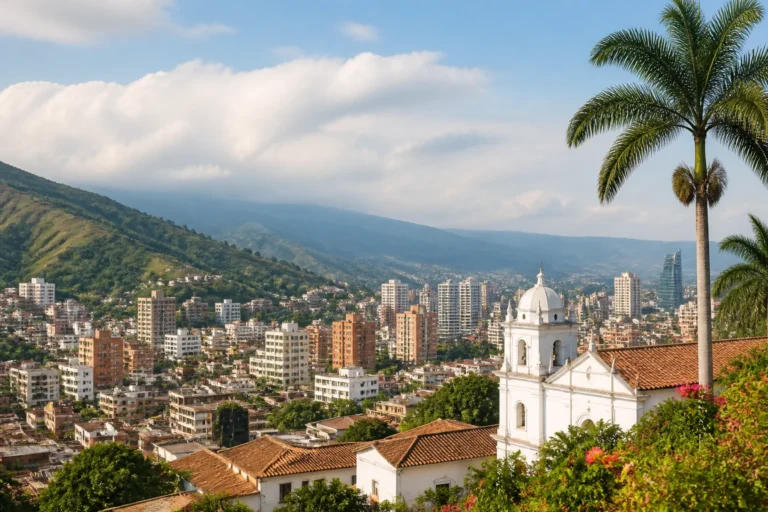
Cali
Cali, Colombia’s third-largest city, is a lively destination with a strong identity, from salsa clubs and neighbourhood bars to…
Explore destination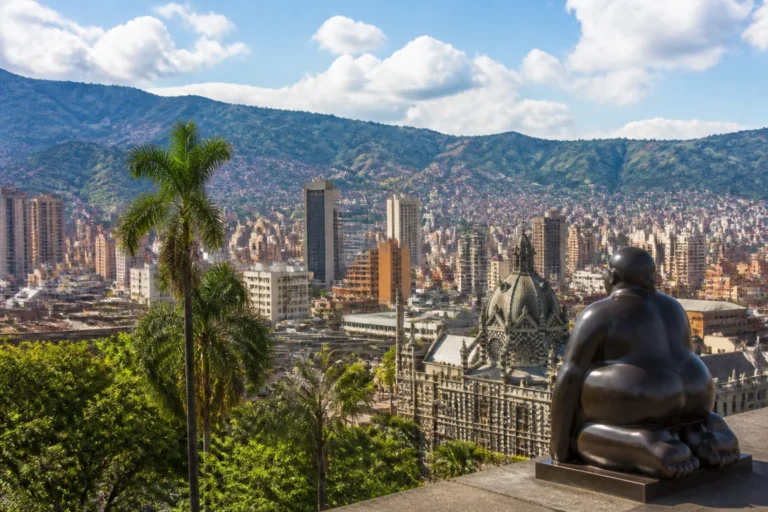 AI illustration
Medellin
Medellin is one of Colombia’s most appealing city breaks for travellers who like a mix of culture, neighbourhood life,…
Explore destination