
Italy · Europe
Venice Travel Guide for Independent Travellers
Venice rewards slow travel: it is a city of canals, bridges, small squares and neighbourhoods that feel more lived-in than the postcard image suggests. For independent travellers, the key is to balance the famous sights with time for quieter areas, simple vaporetto rides and unhurried walks. This guide focuses on practical ways to experience Venice well, whether you are planning a short city break or a longer stay.
Find flights to Venice ↓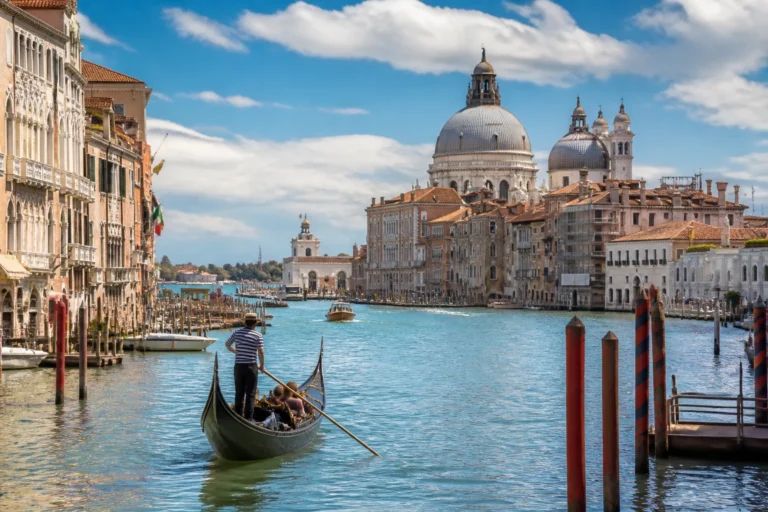 AI illustration
Find flights to Venice
Compare flights · EURAbout Venice
Venice is unlike most European cities: cars are largely replaced by boats and footpaths, and the historic centre is spread across islands linked by bridges. That makes it compact in some ways and surprisingly time-consuming in others, especially when you are learning how to move between districts. The city is best approached as a place to explore slowly rather than tick off in a rush.
Most first-time visitors focus on San Marco, Rialto and the Grand Canal, but Venice becomes far richer when you spend time in districts such as Cannaregio, Dorsoduro and Castello. These areas often feel calmer, with local cafes, everyday shops and more space to pause between major sights.
- The historic centre is pedestrian-friendly but not always quick to cross.
- Neighbourhoods matter in Venice: choosing the right base shapes your trip.
- Expect walking, bridges and water transport to be part of almost every day.
Things to Do in Venice
Start with the classic highlights if it is your first visit: St Mark’s Square, St Mark’s Basilica, the Doge’s Palace and the Rialto area. Even if you do not go inside every landmark, the surrounding streets and canal views give a strong sense of the city’s history and scale. Early mornings and later evenings are especially rewarding for quieter walks.
Beyond the headline sights, Venice is best experienced through neighbourhood wandering. Dorsoduro is good for galleries and a more relaxed atmosphere, Cannaregio for canal-side walks and small bacari, and Castello for a less polished but often more local feel. A vaporetto ride along the Grand Canal is also a worthwhile experience in itself, especially if you want a practical way to see the city from the water.
If you have time, consider a half-day or full-day excursion to nearby lagoon islands such as Murano or Burano, depending on your interests. Murano is associated with glassmaking, while Burano is known for colourful houses and a more leisurely island feel. These trips work best when you allow generous time for transport and wandering, rather than trying to combine too many stops.
- St Mark’s Square and the surrounding monuments
- A vaporetto ride on the Grand Canal
- Neighbourhood walks in Cannaregio or Dorsoduro
- Island visits to Murano or Burano
Best Time to Visit Venice
Venice can be visited year-round, but the experience changes noticeably with the season. Spring and early autumn are often the most comfortable times for walking and sightseeing, with a good balance between daylight, temperature and atmosphere. These periods can still be busy, so booking major travel elements early is sensible.
Summer brings longer days and a lively feel, but also heavier crowds and more heat on narrow streets and water buses. Winter is quieter and can be atmospheric, especially in misty conditions, though you should expect shorter days and occasional disruptions from acqua alta, the seasonal high-water phenomenon. If that is a concern, check official local information close to travel dates rather than relying on old advice.
- Spring and early autumn suit first-time visitors well.
- Summer is lively but often the busiest period.
- Winter can be memorable, but conditions may vary more.
How Long to Stay in Venice
A first trip to Venice works well with two to three full days. That usually gives enough time for the main historic sights, a vaporetto journey, a slower neighbourhood walk and one island excursion if you plan efficiently. If you are short on time, one overnight stay can still be worthwhile because Venice feels very different after day-trippers leave.
For travellers who enjoy museums, churches, photography or relaxed wandering, four or five days makes the city feel far less rushed. It also leaves room for unplanned detours, which matter here: getting pleasantly lost is part of the experience, as long as you do not mind walking extra bridges and taking occasional wrong turns.
- 2–3 days for a balanced first visit
- 1 overnight stay is better than a rushed day trip
- 4–5 days suits slower travellers and repeat visitors
Airports and Transport
Venice is served by Venice Marco Polo Airport, with onward connections into the city by public transport, boat services and taxis where available. Travellers should check the current official options before arriving, because transfer patterns and ticketing can change. Some visitors also arrive via nearby rail hubs and continue into Venice by train, which can be a straightforward choice if you are combining cities in northern Italy.
Inside Venice, walking is often the most direct way to get around, but the vaporetto network is important for longer crossings and canal travel. Private water taxis exist, though they are a premium option and not necessary for most itineraries. If you are carrying heavy luggage, keep in mind that bridges, stairs and narrow lanes can make simple-looking transfers more tiring than expected.
- Plan airport transfers in advance and check official operators.
- Walking is the main way to explore the historic centre.
- Vaporettos are useful for longer hops and Grand Canal travel.
Where to Stay in Venice
San Marco is the most central area and convenient for major sights, but it can also be the busiest and least atmospheric at peak times. It suits visitors who want to be close to the iconic landmarks and do not mind a more intense visitor environment. For many independent travellers, it is worth comparing it with nearby districts before booking.
Cannaregio is a strong choice if you want a more local feel, better chances of a quieter evening and relatively easy access to the station. Dorsoduro works well for travellers who like galleries, canal views and a more spacious feel. Castello can be a good compromise if you want to be near the centre without staying directly in the busiest zones. If you are arriving late or leaving early, proximity to transport links can matter more than being near a famous square.
- San Marco for landmark access
- Cannaregio for a more residential atmosphere
- Dorsoduro for culture and slower evenings
- Castello for a central but less crowded base
Practical Tips for Venice
Pack comfortable shoes and expect more walking than the map suggests; bridges and detours are part of the city’s layout. A light bag is easier to manage than wheeled luggage on stairs and uneven pavements. If you plan to visit churches or religious sites, modest clothing is sensible. Some attractions and transport services can be crowded, so advance planning helps even when you prefer to keep the trip flexible.
Venice is at its best when you leave room for simple routines: a coffee at a bar, a slow lunch, a vaporetto ride and a few aimless turns down side streets. Keep an eye on local information for transport updates, high-water alerts and opening details for individual museums or churches. For anything time-sensitive, official sources are the safest reference point.
- Use light luggage if possible.
- Build in time for getting lost pleasantly.
- Check official operators for transport and opening details.
Frequently asked questions about Venice
Is Venice better as a day trip or an overnight stay?
An overnight stay is usually better if your schedule allows it. Day-trippers see the highlights, but staying overnight lets you enjoy the city before and after the busiest hours and makes the atmosphere feel much more special.
Which Venice neighbourhood is best for first-time visitors?
San Marco is the most convenient for major landmarks, but Cannaregio or Dorsoduro can be better choices if you want a calmer stay with easier access to everyday Venice. The best option depends on whether you prioritise sightseeing or atmosphere.
Do I need a vaporetto pass in Venice?
It depends on how much you plan to use the water buses. If you will make several longer trips, a pass can be worth comparing with single tickets, but travellers should check the current official fare structure before deciding.
Can I walk everywhere in Venice?
Many places in the historic centre are walkable, and walking is often the best way to explore. That said, the city is larger than it looks, and a vaporetto can save time on some routes or help when you are tired.
Is Venice good for travellers who prefer quieter places?
Yes, if you stay away from the busiest squares for part of the day and choose a less central neighbourhood. Early mornings, evenings and the outer districts often feel much calmer than the main tourist corridors.
Should I visit the lagoon islands on the same trip?
If you have at least two or three days, one island excursion is a sensible addition. Murano and Burano each offer a different atmosphere, but it is best not to overload the day with too many stops.
Travel information can change. Check official transport operators and attraction websites before booking.
Editorial review: 23 Oct 2026
More destinations to explore
 AI illustration
Alghero
Alghero, on the north-west coast of Sardinia, combines a historic centre with easy access to beaches and the coastal…
Explore destination AI illustration
Bari
Bari is a practical, characterful gateway to Puglia, combining a walkable old town, a lively waterfront and an easy…
Explore destination AI illustration
Bologna
Bologna is one of Italy’s most rewarding city breaks: compact enough to explore on foot, lively without feeling overwhelming,…
Explore destination AI illustration
Cagliari
Cagliari is Sardinia’s lively capital, where a compact historic centre, long city beaches and easy access to turquoise coastline…
Explore destination