
Italy · Europe
Milan travel guide: what to see, do and know
Milan is Italy’s fast-moving fashion and business capital, but it is also a city of grand architecture, excellent museums and neighbourhoods with a more local rhythm than many first-time visitors expect. It works well for a short city break, a stop on a longer northern Italy trip, or a base for day trips by train. This guide focuses on the practical essentials for independent travellers planning a smooth visit to Milan.
Find flights to Milan ↓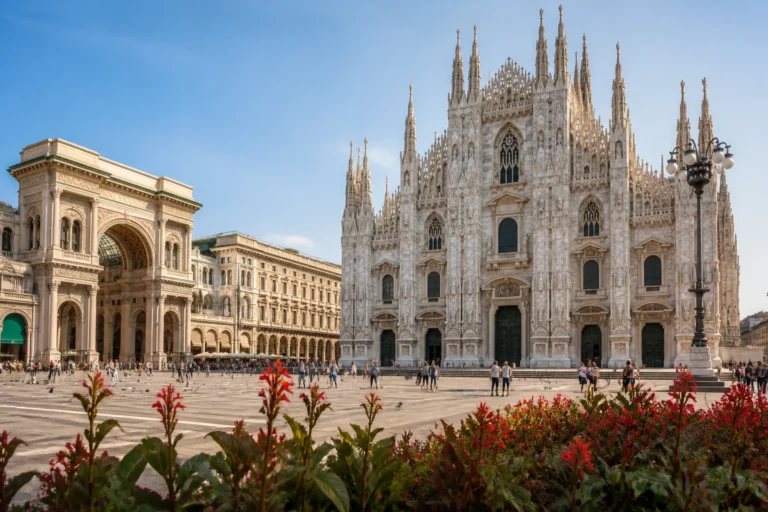 AI illustration
Find flights to Milan
Compare flights · EURAbout Milan
Milan is one of Italy’s most influential cities, known for design, finance, football, fashion and a compact historic centre that is easy to explore on foot or by public transport. Its skyline mixes medieval landmarks, elegant 19th-century streets and contemporary development, which gives the city a distinct feel compared with Italy’s more overtly historic destinations.
For visitors, Milan is best approached as a city of layers. The Duomo and the area around it are the most famous sights, but many travellers enjoy Milan most when they combine the headline attractions with café stops, aperitivo evenings, gallery visits and relaxed walks through neighbourhoods such as Brera, Navigli and Porta Nuova.
- Compact centre with strong public transport
- Good base for day trips in Lombardy
- Mix of classic sights and modern city life
Things to do in Milan
The Duomo di Milano is the obvious starting point, both for the cathedral itself and for the square around it. Nearby, Galleria Vittorio Emanuele II is worth a pause for its architecture even if you are not shopping. A short walk away, Teatro alla Scala and the surrounding streets give a sense of the city’s cultural weight.
Art and history lovers usually head to Santa Maria delle Grazie to see Leonardo da Vinci’s The Last Supper, but tickets and time slots can be limited, so this is one to plan well in advance through official channels. Other worthwhile stops include the Pinacoteca di Brera, Castello Sforzesco and the Museo del Novecento if you want a mix of old masters, civic history and modern art.
For a different side of the city, spend time in the Navigli district in the late afternoon or evening, when the canalside streets fill with bars and restaurants. Brera is more elegant and gallery-focused, while Porta Nuova and CityLife show Milan’s contemporary side. Football fans may also want to check whether a match or stadium tour fits their dates, but it is sensible to confirm access and schedules directly with official sources.
- See the Duomo and Galleria Vittorio Emanuele II
- Book ahead for The Last Supper
- Explore Brera, Navigli and Porta Nuova
- Leave time for aperitivo culture
Best time to visit Milan
Milan can be visited year-round, but many travellers find spring and autumn the most comfortable times for walking and sightseeing. These seasons are often pleasant for outdoor cafés, canal-side strolls and longer museum visits without the intensity of midsummer heat.
Summer can feel busy and warm, especially in the city centre, while winter brings a more subdued atmosphere with shorter days and a good excuse to focus on galleries, shopping streets and indoor attractions. If you are visiting for events such as fashion, design or trade fairs, expect the city to be busier than usual and allow extra time for transport and accommodation searches.
- Spring and autumn suit sightseeing well
- Summer can be lively and warm
- Winter is good for indoor culture and shopping
How long to stay in Milan
A first visit to Milan usually works best with at least two full days. That gives you enough time for the Duomo area, one or two major museums or churches, and an evening in a neighbourhood such as Navigli or Brera. If you enjoy art, architecture or shopping, a third day makes the trip feel less rushed.
Three to four days is a comfortable length if you want to go beyond the centre and perhaps add a slower-paced neighbourhood, a stadium visit or a day trip by train. Milan also works well as part of a broader northern Italy itinerary, especially if you are connecting with Lake Como, Bergamo, Turin or other nearby destinations.
- 2 days for the essentials
- 3–4 days for a more relaxed visit
- Good base for onward train travel
Airports and transport in Milan
Milan is served by multiple airports, so travellers should check carefully which one suits their route. From the airports, transfers to the city can usually be made by train, shuttle bus, taxi or ride-hailing where permitted, but the most practical option depends on your arrival point and accommodation. As schedules and services can change, it is best to confirm transfer details with the airport and transport operators before you travel.
Within the city, Milan has a useful metro network, trams and buses, and these are often the easiest way to move between districts. The historic centre is walkable, but distances add up quickly if you are trying to cover several landmarks in one day. Trains are also central to getting around the wider region, and Milan’s main rail hubs make day trips straightforward for independent travellers.
- Check which Milan airport your flight uses
- Use metro, tram and bus for city travel
- Trains are useful for regional day trips
Where to stay in Milan
If it is your first time in Milan, staying near the Duomo or in the surrounding centro storico keeps you close to the main sights and many transport links. This is the most convenient choice for a short stay, though it can be busier and more expensive than outer districts. Brera is another strong option if you want a central location with a more refined, residential feel.
Travellers who want nightlife and restaurants may prefer Navigli, especially if they plan to stay out in the evening and do not mind a slightly less polished setting. Porta Venezia can be useful for transport and a more local atmosphere, while Porta Nuova suits visitors who like modern architecture and business-style hotels. If you are arriving late or leaving early, staying near a main station or a direct metro line can save time.
Think about the pace you want rather than just the map pin. Milan is not a city where every area feels the same, and choosing a neighbourhood that matches your plans can make a short stay much smoother.
- Centro storico for classic sightseeing
- Brera for an elegant central base
- Navigli for evening dining and bars
- Near a station for simple arrivals and departures
Practical tips for visiting Milan
Reserve popular sights in advance where possible, especially if your trip centres on The Last Supper or peak-season accommodation. For churches and museums, check entry rules before you go, as opening hours, dress expectations and access arrangements can vary. It also helps to build some flexibility into your schedule because Milan’s appeal often lies in moving between planned visits and spontaneous stops for coffee, shopping or aperitivo.
Milan is a city where style matters, but practical comfort matters more. Good walking shoes are useful, especially if you plan to cover the centre on foot. Keep an eye on your belongings in crowded places as you would in any major European city, and use official transport information for the latest route details. If you are planning onward trips, the rail network can be a very efficient way to extend your stay beyond the city.
For travellers who like a city break with strong design, culture and food scenes, Milan rewards a mix of structure and flexibility. Leave room in your itinerary for slower moments, not just the famous landmarks.
- Book key sights ahead when possible
- Check opening hours and access rules before visiting
- Use comfortable shoes for walking
- Combine sightseeing with time for cafés and neighbourhoods
Frequently asked questions about Milan
Is Milan worth visiting for a short city break?
Yes. Milan works well for a short break because many of the main sights are close together, and it has enough museums, neighbourhoods and dining options to fill two or three days without feeling repetitive.
What is Milan best known for?
Milan is best known for the Duomo, fashion, design, finance and its role as a cultural and business centre. Many visitors also come for opera, art, shopping and the city’s lively evening aperitivo scene.
Can you walk around Milan easily?
You can walk around the historic centre easily, but Milan is large enough that public transport is useful for moving between districts. A mix of walking and metro travel is usually the most efficient approach.
Which area is best for first-time visitors to stay in?
The area around the Duomo is the most convenient for a first visit because it puts you close to the main landmarks and transport links. Brera is a good alternative if you want a central neighbourhood with a calmer feel.
Is Milan a good base for day trips?
Yes. Milan is well placed for regional train trips and can work as a base for destinations in Lombardy and beyond. It is worth checking journey times and connections in advance so you can plan a realistic day out.
Do I need to book attractions in Milan in advance?
For some of the most popular sights, especially The Last Supper, advance booking is strongly advisable. For other museums and landmarks, it depends on the season and your schedule, so checking official ticket information before you go is the safest approach.
Travel information can change. Check official transport operators and attraction websites before booking.
Editorial review: 23 Oct 2026
More destinations to explore
 AI illustration
Alghero
Alghero, on the north-west coast of Sardinia, combines a historic centre with easy access to beaches and the coastal…
Explore destination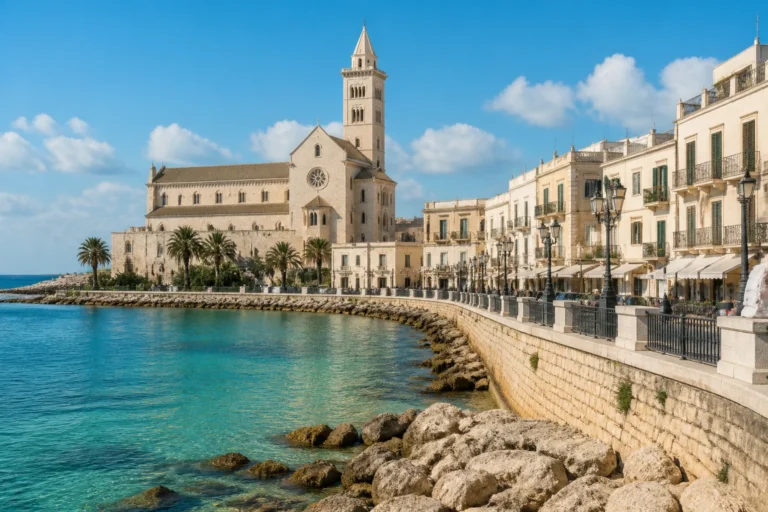 AI illustration
Bari
Bari is a practical, characterful gateway to Puglia, combining a walkable old town, a lively waterfront and an easy…
Explore destination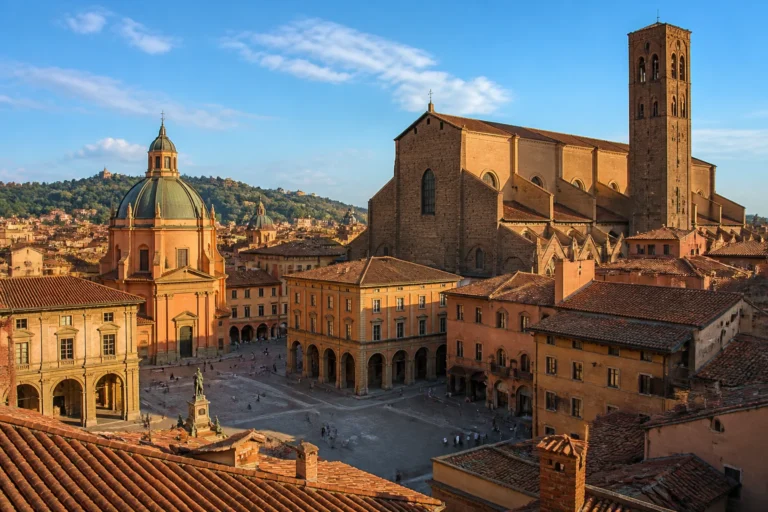 AI illustration
Bologna
Bologna is one of Italy’s most rewarding city breaks: compact enough to explore on foot, lively without feeling overwhelming,…
Explore destination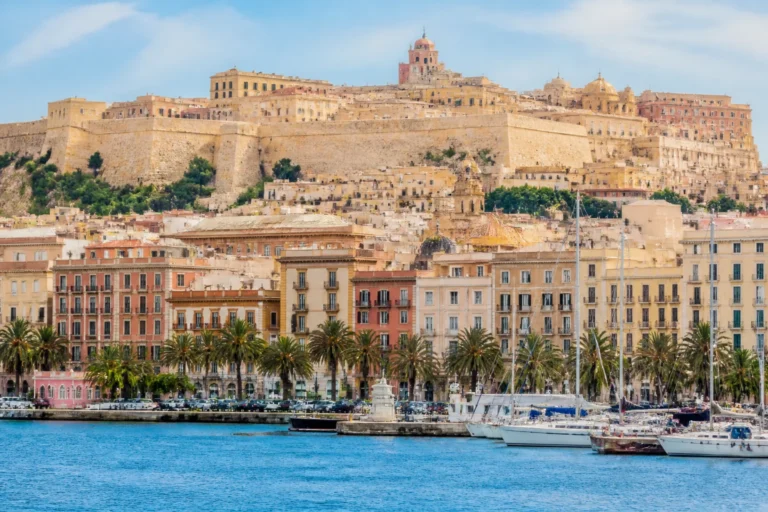 AI illustration
Cagliari
Cagliari is Sardinia’s lively capital, where a compact historic centre, long city beaches and easy access to turquoise coastline…
Explore destination