
Spain · Europe
Madrid travel guide for independent visitors
Madrid rewards travelers who like cities with strong museums, long lunches, lively neighborhoods, and easy day-to-day logistics. Spain’s capital is compact enough to explore on foot in the center, yet large enough to keep you busy for several days. This guide focuses on practical ways to enjoy Madrid as an independent European traveler, from choosing the right area to stay in to planning transport and timing your visit well.
Find flights to Madrid ↓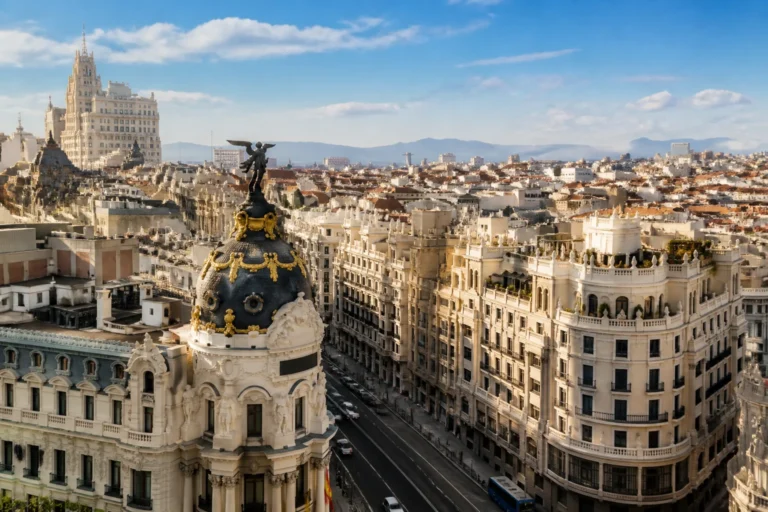 AI illustration
Find flights to Madrid
Compare flights · EURAbout Madrid
Madrid is a broad, energetic capital with a classic city break feel and a strong everyday rhythm. Its center mixes grand squares, historic streets, museums, parks, and late-opening restaurants, while outer neighborhoods offer a more local pace. The city is especially appealing for travelers who enjoy architecture, art, café culture, football, and wandering without needing a rigid itinerary.
Unlike some capitals that revolve around one landmark, Madrid is best experienced as a collection of neighborhoods. The historic center around Sol, La Latina, and Austrias is convenient for first-time visitors, while areas such as Malasaña, Chueca, Salamanca, and Chamberí each bring a different character. That makes Madrid flexible: you can come for culture, food, nightlife, shopping, or simply a relaxed urban stay.
- Large capital with a walkable historic core
- Strong museum and gallery scene
- Good base for nightlife, food, and day trips
Things to do in Madrid
Start with the Prado, Reina Sofía, and Thyssen-Bornemisza if you want the city’s museum highlights. Even if you are not planning an art-focused trip, these collections help explain Madrid’s place in European culture. Balance indoor time with a stroll through Retiro Park, where paths, gardens, and boating areas offer an easy break from the city streets.
For atmosphere, spend time in Plaza Mayor, Puerta del Sol, and the lanes between them, then wander into La Latina or Austrias for narrower streets and tapas bars. Madrid also works well for low-effort exploring: browsing bookshops, pausing in cafés, visiting food markets, and walking between plazas can fill a day naturally. If football matters to you, the stadium and club culture are a major part of the city’s identity.
For a more local feel, explore Malasaña for independent shops and bars, Chueca for a lively central neighborhood, and Chamberí for a calmer residential side of Madrid. If you want skyline views, rooftop terraces and viewpoints around the center can give you a broader sense of the city without much planning.
- Visit the Prado, Reina Sofía, and Thyssen-Bornemisza
- Walk through Retiro Park and the historic center
- Explore Malasaña, Chueca, La Latina, or Chamberí
Best time to visit Madrid
Madrid can be enjoyed year-round, but spring and autumn are usually the most comfortable periods for city walking and outdoor meals. In those seasons, temperatures are often more pleasant and the parks, squares, and terraces feel especially inviting. These months also suit travelers who want to combine sightseeing with long lunches and evening walks.
Summer can feel intense in Madrid, especially in the middle of the day, so plan more indoor time and slower pacing if you visit then. Winters are generally a practical option for museum visits, shopping, and café culture, with fewer crowds than the busiest holiday periods. If you prefer a calmer city break, look at shoulder-season dates rather than peak travel weekends.
Whenever you go, check local opening hours and holiday schedules before building a tight plan. Madrid’s rhythm can change noticeably on public holidays, during festivals, and around major sporting events.
- Spring and autumn are the most comfortable seasons
- Summer favors early starts and indoor breaks
- Check opening hours around holidays and events
How long to stay in Madrid
Two full days are enough for a quick overview of Madrid’s main sights, but three to four days usually works better if you want to enjoy the city at a less rushed pace. That gives you time for major museums, a neighborhood walk or two, and a proper meal plan rather than just moving from landmark to landmark.
If you have five days or more, Madrid becomes a very good base for exploring further. You can add a slower neighborhood day, extra time for shopping or football, or a day trip to nearby places that are easy to reach by rail or coach. Longer stays also suit travelers who like to balance sightseeing with cafés, parks, and evenings out.
For first-time visitors, a useful formula is one museum day, one historic-center day, one neighborhood-and-food day, and one flexible day for a park, shopping, or a side trip.
- 2 days for a fast overview
- 3–4 days for a balanced city break
- 5+ days for slower travel or day trips
Airports and transport in Madrid
Madrid is served by Madrid-Barajas Airport, the city’s main international gateway. From there, travelers can usually reach the center by metro, commuter rail, airport shuttle, taxi, or rideshare-style services depending on current operations. For the most reliable journey planning, check the airport and public transport operator information before you travel, especially if you arrive late or with heavy luggage.
Within the city, Madrid has a strong public transport network and a central area that is workable on foot. The metro is often the fastest way to cover longer distances, while buses help fill gaps and can be useful for cross-town trips. Taxis are widely available, but in the historic center many visitors find it simplest to walk between nearby sights and use public transport for longer hops.
If you plan to stay outside the core tourist zones, make sure your accommodation is close to a metro station or an easy bus link. That makes evenings and airport transfers much simpler, especially if you are not using a car.
- Main airport: Madrid-Barajas Airport
- Good metro and bus network for city travel
- Central districts are often easiest on foot
Where to stay in Madrid
Sol and the immediate center are the most convenient choice for first-time visitors who want to walk to major sights and have simple transport connections. The trade-off is busier streets and a more tourist-focused atmosphere, so it suits travelers who prioritize location above all else. La Latina and Austrias are also central, with a historic feel and plenty of dining options close by.
Malasaña and Chueca are good if you want a more energetic neighborhood stay with cafés, bars, and independent shops nearby. Malasaña can feel youthful and casual, while Chueca is especially well placed for central access and an active evening scene. Salamanca offers a more polished, residential base with shopping streets and wider avenues, while Chamberí works well if you prefer a quieter neighborhood with good transport.
If you are in Madrid mainly for museums and sightseeing, choose a central area and avoid overthinking the exact postcode. What matters most is easy access to a metro stop and a place you are happy to return to after a long day out.
- Sol for maximum convenience
- La Latina and Austrias for old-center atmosphere
- Malasaña, Chueca, Salamanca, or Chamberí for different neighborhood styles
Practical tips for Madrid
Madrid is a city where pacing matters. Many restaurants open later than some visitors expect, and the most enjoyable days often include a long lunch, a rest, and a later evening out. Try to leave room in your itinerary for unplanned detours, because the city’s charm often comes from neighborhoods, squares, and cafés rather than from ticking off a long list of sights.
If you are visiting museums, consider grouping them by area so you are not crossing the city repeatedly. Booking ahead can be useful for popular collections or timed-entry experiences, but always check the official venue information for the latest rules. The same applies to trains, airport transfers, and football matches, where demand and procedures can change.
Basic Spanish will help in everyday situations, even if many people in central Madrid can manage simple English. Keep an eye on your belongings in busy places, particularly around major squares and transport hubs, and use common urban caution as you would in any large capital.
- Plan around a slower dining rhythm
- Group sights by neighborhood when possible
- Check official venue and transport information in advance
Frequently asked questions about Madrid
Is Madrid easy to visit without a car?
Yes. Madrid is one of the easier major European capitals to explore without driving, especially if you stay central. The metro, buses, taxis, and walkable neighborhoods make car-free travel straightforward for most visitors.
Which area is best for first-time visitors to Madrid?
Sol is the simplest base for first-time visitors because it is central and well connected. La Latina, Austrias, and parts of Malasaña or Chueca can also work well if you want a bit more neighborhood character.
How many museums should I plan for in Madrid?
For most travelers, one or two major museums are enough for a short stay. Madrid has several excellent collections, but the city is more enjoyable when you leave time for parks, walks, and food stops as well.
Can Madrid work as a long weekend destination?
Yes. A long weekend is a good amount of time for Madrid if you focus on a few major sights, one or two neighborhoods, and relaxed meals. If you want to include a day trip, a slightly longer stay is better.
Is Madrid a good base for day trips?
Yes, Madrid can work well as a base for nearby excursions, especially if you are happy using rail or coach services. Check current timetables and book through official operators if you are planning a day outside the city.
What should I prioritize if I only have one day in Madrid?
Focus on the historic center, one major museum, and a walk in Retiro Park or a similar green space. That combination gives you a balanced first impression without trying to do too much.
Travel information can change. Check official transport operators and attraction websites before booking.
Editorial review: 23 Oct 2026
More destinations to explore
 AI illustration
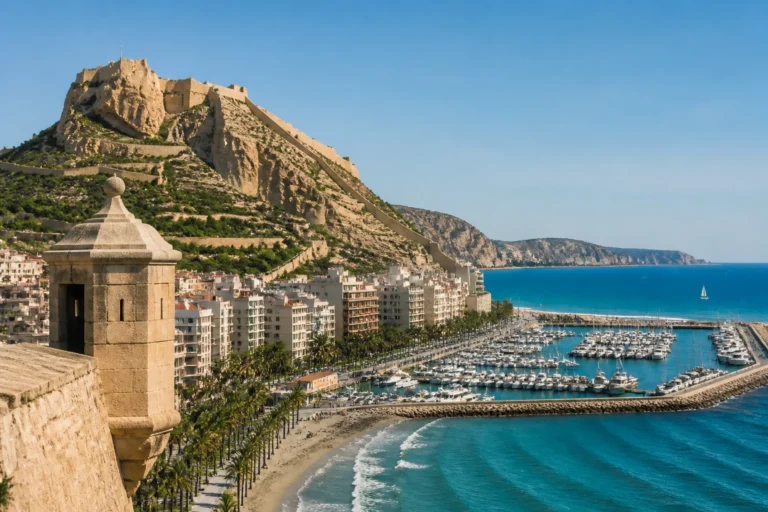
Alicante
Alicante is an easygoing Mediterranean city where a compact old centre, a long waterfront and a busy local food…
Explore destination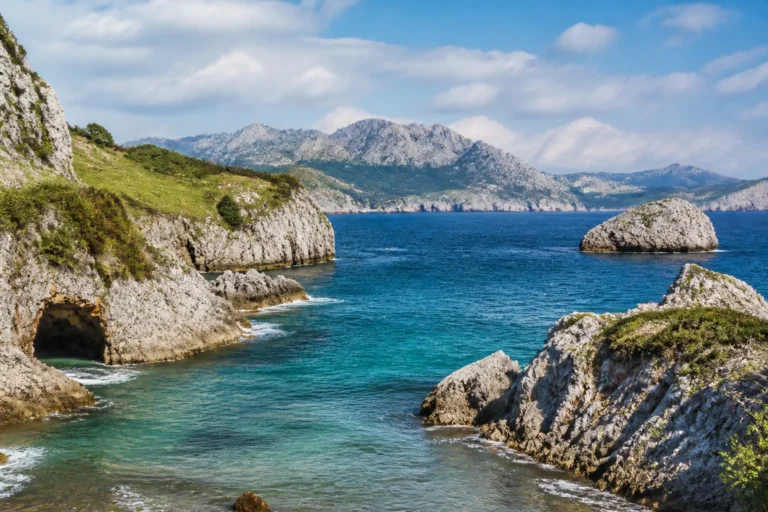 AI illustration
Asturias
Asturias is a region in northern Spain where compact cities, Atlantic beaches and green mountain landscapes make very different…
Explore destination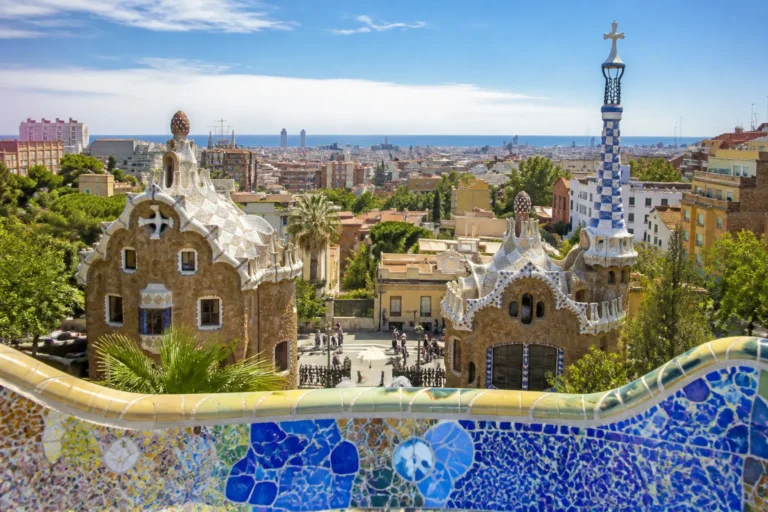 AI illustration
Barcelona
Barcelona mixes a compact city break with beach time, neighbourhood wandering and a strong food-and-culture scene. For European independent…
Explore destination AI illustration
Bilbao
Bilbao is one of northern Spain’s most interesting city breaks: compact enough to explore on foot in parts, but…
Explore destination