
Turkey · Asia
Istanbul Travel Guide for European Independent Travellers
Istanbul is one of Europe’s easiest long-haul city breaks to plan and one of the most rewarding to explore on your own. Straddling the Bosphorus and blending Byzantine, Ottoman and modern Turkish layers, it offers a dense mix of landmarks, neighbourhood life, ferries, bazaars and food. This guide focuses on practical ways to see the city at a sensible pace, with tips for first-timers and repeat visitors alike.
Find flights to Istanbul ↓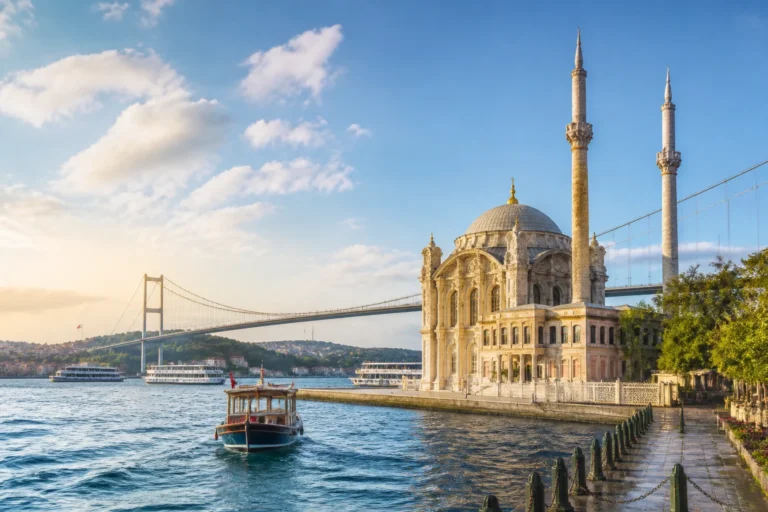 AI illustration
Find flights to Istanbul
Compare flights · EURAbout Istanbul
Istanbul is not just a stopover city; it is a destination that rewards slower travel. The main sights around Sultanahmet show the city’s imperial past, but the real character of Istanbul appears in the ferry crossings, hillside streets, market districts and neighbourhood cafés on both the European and Asian sides. For independent travellers, that variety is the appeal: you can shape the trip around history, food, waterfront views or simply wandering between districts.
Because the city is spread out and often busy, it helps to think in clusters rather than trying to “see everything.” Many visitors divide their time between the historic core, the Beyoğlu area around Istiklal and Galata, and one or two neighbourhoods beyond the centre. That approach makes Istanbul feel more manageable and gives you a better sense of daily life rather than only the headline monuments.
- Historic monuments and lively neighbourhoods coexist within one city.
- Ferries are part of the experience, not just a transport link.
- A few well-chosen districts are better than overpacking the itinerary.
Things to Do in Istanbul
Start with the classic landmarks if it is your first visit: Hagia Sophia, the Blue Mosque, Topkapı Palace and the Basilica Cistern form a natural sightseeing circuit in Sultanahmet. Even if you are not trying to tick off every major monument, this area gives useful context for the city’s layered history. After that, head uphill or across the water for a different rhythm: Galata and Karaköy for cafés and contemporary energy, or Üsküdar and Kadıköy for a more local-feeling side of the Bosphorus.
A Bosphorus ferry ride is one of the most memorable low-effort activities in Istanbul. It gives you a sense of the city’s size and geography without needing a full-day excursion. Markets are another strong draw, especially the Grand Bazaar and Spice Bazaar, though the pleasure is often in the atmosphere rather than shopping itself. If you enjoy museums, look for collections that match your interests rather than trying to visit too many in one day; Istanbul works best when sightseeing is balanced with time to sit, eat and watch the city move around you.
- See the major monuments in Sultanahmet early in the day.
- Use ferries to connect districts and enjoy Bosphorus views.
- Explore both sides of the city for a fuller picture of Istanbul.
Best Time to Visit Istanbul
Istanbul can be visited year-round, but spring and autumn are usually the most comfortable periods for walking-intensive sightseeing. These seasons tend to suit visitors who want to move between mosques, markets and neighbourhoods without the strongest summer heat. Winter can be atmospheric, with fewer crowds at some indoor attractions, though short days and changeable weather may affect how much time you want to spend outdoors.
If you are planning a trip around religious or public holidays, check ahead for any altered opening arrangements and transport changes. That is especially useful if your itinerary is built around specific museums, ferry journeys or market days. For many travellers, the best time is less about one perfect month and more about matching the trip to the kind of Istanbul they want: lively and social, or calmer and more museum-focused.
- Spring and autumn are often the most comfortable seasons for walking.
- Winter can work well for indoor-heavy itineraries.
- Check opening patterns around holidays before building your schedule.
How Long to Stay in Istanbul
Three full days is a reasonable minimum if you want to see the main historic sights, take at least one ferry ride and spend time in a second neighbourhood beyond Sultanahmet. That gives you enough flexibility to avoid rushing through the city’s biggest landmarks. With four or five days, the trip feels more relaxed and you can add one slower day for the Asian side, a museum, a long lunch or a riverside neighbourhood.
If you stay longer, Istanbul becomes even better value in terms of depth rather than distance covered. Extra time allows for unhurried wandering, repeat visits to places you liked and simple pleasures such as rooftop views, tea stops and evening walks. For many travellers, that slower pace is what turns Istanbul from an impressive sightseeing stop into a city break with personality.
- Three days covers the essentials without excessive rushing.
- Four to five days allows for neighbourhood depth and downtime.
- Longer stays suit travellers who prefer slower, more local exploration.
Airports and Transport in Istanbul
Istanbul is served by major airports, and your arrival point may shape how you plan your first transfer. The city is large, so it is worth checking your accommodation’s location before deciding whether to rely on airport transfers, taxis, or public transport. For current airport connections and rules, use the official airport and operator information rather than assuming one transfer option fits every arrival.
Within the city, public transport is useful but not always intuitive on a first day. Trams, metros, buses and ferries can all play a part, and the best mix depends on where you are staying. For independent travellers, the easiest strategy is often to combine public transport for longer cross-city movements with walking for neighbourhood exploration. Taxis and ride-hailing can be practical for late arrivals or luggage-heavy trips, but traffic can be slow, so leave extra time for journeys.
- Check your airport transfer options based on your exact arrival point.
- Public transport is often the most practical way to cross the city.
- Ferries are both transport and sightseeing in one.
Where to Stay in Istanbul
Sultanahmet is the most convenient base if your priority is the classic historical Istanbul: major monuments are close together, and you can do a lot on foot. The trade-off is that it can feel quieter in the evening and less varied for dining and nightlife. Beyoğlu, including areas around Taksim, Galata and Cihangir, is often a better fit if you want cafés, bars, shops and a more contemporary city feel, while still being within reach of the old town.
Karaköy works well for travellers who want a central location with good transport links and a lively waterfront atmosphere. Kadıköy on the Asian side suits people who prefer neighbourhood life and an easier-going rhythm, especially if they do not mind crossing the water to reach the main sights. Wherever you stay, think about proximity to a tram, metro or ferry rather than relying only on map distance.
- Sultanahmet is best for first-time sightseeing convenience.
- Beyoğlu offers more dining, nightlife and urban energy.
- Karaköy and Kadıköy are strong choices for transport and neighbourhood feel.
Practical Tips for Visiting Istanbul
Plan your days around a few compact areas rather than hopping constantly across the city. Istanbul is much more enjoyable when you leave time for breaks, since the combination of hills, crowds and transport links can make overambitious schedules tiring. Comfortable walking shoes matter, as does being prepared to use stairs, bridges and uneven pavements in some districts.
When visiting religious sites, dress respectfully and check entry expectations on arrival. For bazaars and busy shopping streets, keep your belongings secure and stay aware of your surroundings. It is also sensible to carry a backup payment method and a little flexibility in your schedule, since queues and transport delays are common in a city of this size. Finally, remember that Istanbul changes noticeably by neighbourhood; part of the fun is noticing those shifts rather than trying to reduce the city to a single checklist.
- Build the itinerary around clusters to reduce transit time.
- Wear shoes suitable for hills, stairs and long walking days.
- Respect dress codes and site rules at religious locations.
Frequently asked questions about Istanbul
Is Istanbul walkable for a city break?
Yes, but only in a neighbourhood-by-neighbourhood way. Many central sights are walkable within one district, yet the city is too large to cover comfortably on foot alone. Combining walking with ferries, trams or the metro makes the experience much easier.
Which side of Istanbul should I stay on?
It depends on your priorities. The European side is usually better for first-time visitors focused on historic sights, while the Asian side offers a more residential atmosphere. Many travellers choose the European side for convenience and visit the Asian side on a day trip.
Do I need to book major sights in advance?
For some attractions and in busy periods, booking ahead can save time, but requirements can change. Check the official sites or operators before you go, especially if you want to avoid long queues at the most popular landmarks.
Are ferries useful for sightseeing as well as transport?
Very much so. Ferry journeys give you good views of the Bosphorus and help you understand the city’s geography. They are also a practical way to move between neighbourhoods without relying entirely on road traffic.
How many days do I need in Istanbul for a first visit?
A first visit usually works best with at least three full days. That gives you time for the main monuments, one ferry trip and a second area such as Galata, Karaköy or Kadıköy without feeling rushed.
What kind of traveller suits Istanbul best?
Istanbul suits travellers who enjoy history, street life, food and busy urban energy. It is especially good for independent visitors who like mixing landmarks with neighbourhood exploration and do not mind a city that asks for a bit of planning.
Travel information can change. Check official transport operators and attraction websites before booking.
Editorial review: 23 Oct 2026
More destinations to explore
 AI illustration
Antalya
Antalya is one of Turkey’s easiest coastal bases for a city break with sea views, Old Town atmosphere and…
Explore destination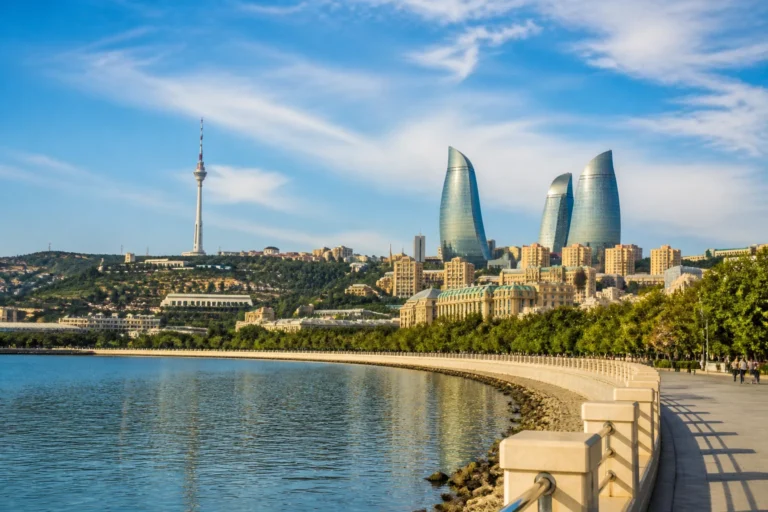 AI illustration
Baku
Baku brings together a compact historic centre, broad Caspian waterfront and striking modern architecture. The Azerbaijani capital is a…
Explore destination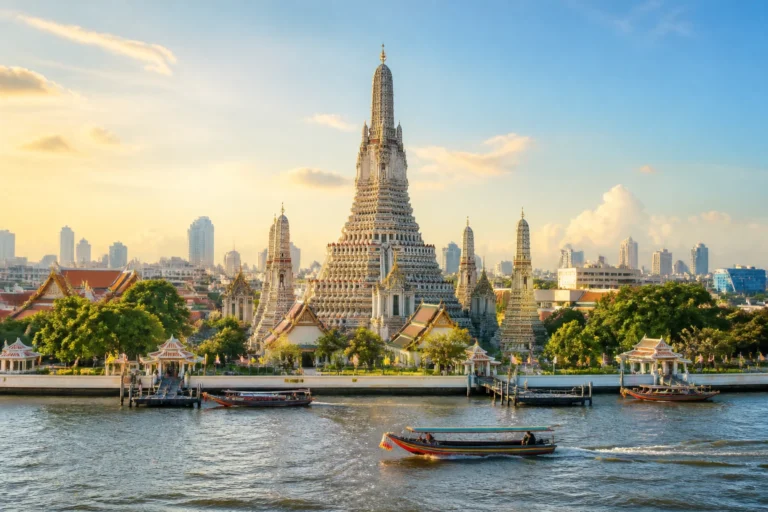 AI illustration
Bangkok
Bangkok is a large, energetic city where ornate temples, markets and street food sit alongside shopping centres and modern…
Explore destination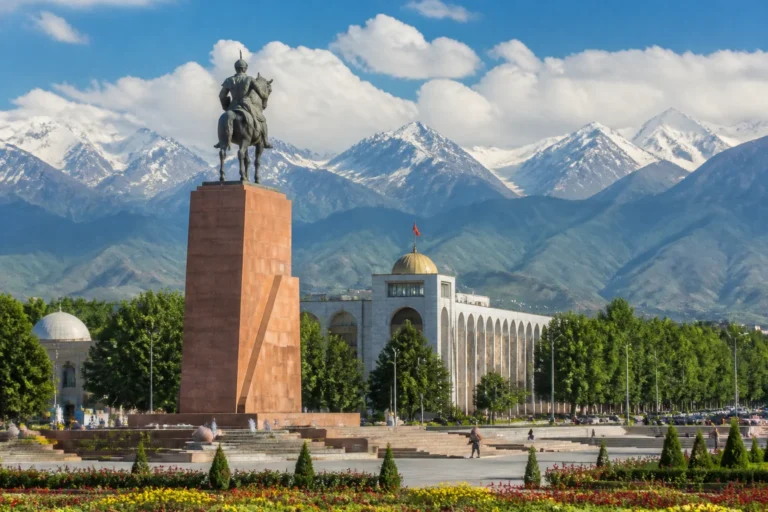 AI illustration
Bishkek
Bishkek, the capital of Kyrgyzstan, is a practical base for exploring the country as well as a city worth…
Explore destination