
Italy · Europe
Rome Travel Guide for Independent Travellers
Rome rewards slow travel: ancient monuments sit beside everyday neighbourhood life, and the city is best explored by mixing major sights with simple routines like long walks, coffee stops and unhurried meals. This guide is written for independent travellers who want a practical overview of what to see, when to go, how to get around and where to base themselves without overplanning every hour.
Find flights to Rome ↓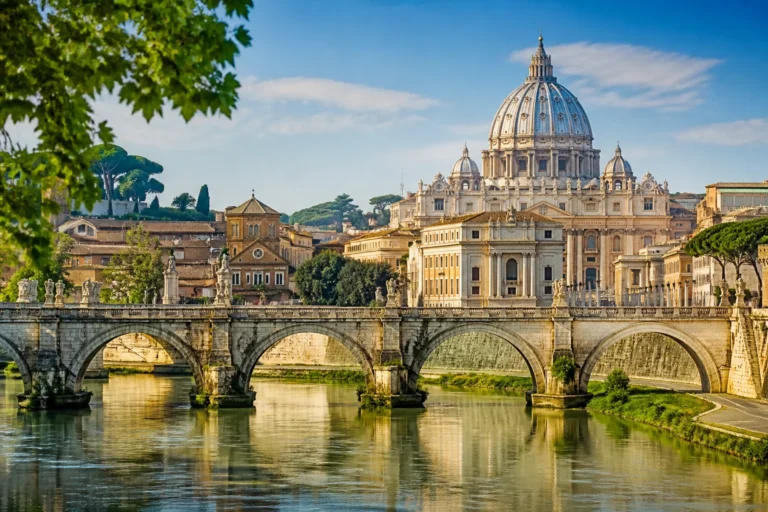 AI illustration
Find flights to Rome
Compare flights · EURH2: About Rome
Rome is one of Europe’s most layered cities, where imperial ruins, Renaissance churches, busy piazzas and neighbourhood trattorias all sit within the same urban fabric. For visitors, that means the city is less about ticking off isolated landmarks and more about understanding how history, daily life and tourism overlap.
The centre is walkable in parts, but distances can be deceptive because many of the places people want to see are spread across different districts. You will usually get more from Rome if you choose a few priorities each day rather than trying to cover everything at once. The city also repays curiosity beyond the headline sights: smaller streets, local markets and less-famous churches often provide the clearest sense of place.
- Ancient, Renaissance and modern Rome all sit side by side
- Best enjoyed at a slower pace rather than as a checklist trip
- Neighbourhood atmosphere matters as much as major monuments
H2: Things to do in Rome
The Colosseum and Roman Forum are the obvious starting points for many first-time visitors, but they work best when paired with time to absorb the wider archaeological landscape around them. Nearby Capitoline Hill, the Victor Emmanuel II monument and the streets leading toward the historic centre help make sense of how the city evolved over centuries.
For a different side of Rome, spend time in Trastevere, Monti or the Jewish Ghetto, where everyday life, small squares and local food spots create a more neighbourhood-focused experience. Major churches such as St Peter’s Basilica, the Basilica of Santa Maria Maggiore and the Pantheon area also offer a strong sense of the city’s artistic depth, even for travellers who are not specifically chasing museums.
If you want to balance famous sights with something calmer, add a park, viewpoint or riverside walk. The Borghese Gardens, the Janiculum area and the Tiber’s bridges give you a break from the crowds and a useful reminder that Rome is still a lived-in capital, not just an open-air museum.
- Explore the Colosseum area and the Roman Forum together
- Use Trastevere or Monti for a more local-feeling evening
- Include at least one park, viewpoint or relaxed stroll
H2: Best time to visit Rome
Rome can be visited year-round, but the most comfortable times are usually spring and autumn, when temperatures are often more suitable for walking and long sightseeing days. These shoulder seasons are especially appealing if you want to spend much of your trip outdoors, queue less aggressively for sights and enjoy restaurant terraces without peak summer pressure.
Summer brings longer daylight and a lively atmosphere, but it can also mean heat, busy pavements and fuller attractions. Winter is quieter and can be rewarding for travellers who prefer museums, churches and a slower rhythm, though shorter days may change how much you comfortably fit into each day. As always, consider school holidays, major religious events and local public holidays when deciding your dates.
- Spring and autumn usually suit sightseeing best
- Summer is lively but can feel crowded and hot
- Winter can work well for a calmer city break
H2: How long to stay in Rome
A first visit to Rome is usually more satisfying with at least three full days, and many travellers will prefer four or five if they want a mix of headline landmarks, neighbourhood time and a slower pace. Two days can cover the essentials, but it often feels rushed, especially once you factor in walking distances, queues and meal breaks.
If you have longer, use the extra time to split the city into themes: ancient Rome, the historic centre, Vatican-side sights, and a more relaxed day for gardens, markets or less-visited districts. Rome also works well as part of a wider Italy itinerary because its transport connections make it easy to combine with other major cities.
- 3 days suits a focused first visit
- 4–5 days allows a more relaxed pace
- Extra time lets you explore beyond the main postcard sights
H2: Airports and transport in Rome
Rome is served by major airports, and travellers should check which one their route uses and how it connects to the city. From the airports, rail links, shuttle buses, taxis and other ground transport options may be available, but it is worth confirming the most suitable option with the official operator or airport website before you travel. If you arrive late or with bulky luggage, factor in that not every option will suit every arrival.
Within the city, Rome’s metro, buses, trams and commuter rail can help with longer hops, but many central areas are still easiest on foot. That said, transport journeys can be slower than they look on a map, particularly at busy times. For independent travellers, the best approach is often to combine public transport with walking rather than relying on either alone.
- Check which airport your flight uses and how it links to the centre
- Public transport is useful, but walking is often simplest in central Rome
- Allow extra time for cross-city journeys and busy periods
H2: Where to stay in Rome
If it is your first trip, staying near the historic centre can reduce transit time and make it easier to visit major sights early or late in the day. This is especially useful if you want to return to your room between visits or make the most of evenings without a long ride back. The trade-off is that these areas can be busy and accommodation may be in higher demand.
Trastevere is a strong choice for travellers who want atmosphere, restaurants and a more social evening feel, while Monti works well for people who want to be close to central attractions without being right in the thick of the busiest streets. Prati is often convenient for Vatican visits and can feel a little more residential, which some visitors prefer after long sightseeing days. Pick the area that matches your routine rather than chasing a single “best” district.
- Historic centre suits first-time visitors who want convenience
- Trastevere is good for atmosphere and evenings out
- Prati can work well for a quieter, more residential base
H2: Practical tips for Rome
Book popular attractions in advance when possible, especially if your trip is short or fixed around a weekend. Even when reservations are not strictly required, they can save time and reduce uncertainty. Wear comfortable shoes, because cobblestones and uneven pavements are part of the experience in many central areas.
Keep a flexible daily plan. In Rome, simple things like a long lunch, a church you did not expect to enjoy, or a scenic detour can easily reshape the day. It also helps to carry water, be mindful of pickpockets in crowded places and check opening times directly with the official venue or operator before making a special journey. For food, look beyond the busiest squares if you want a more relaxed meal.
Finally, remember that Rome is a city where the journey between sights is part of the visit. Some of the best moments come from walking between destinations, watching local life unfold and allowing the city to reveal itself gradually rather than forcing it into a rigid schedule.
- Reserve key sights in advance when you can
- Use comfortable shoes and build in buffer time
- Check opening details directly with official sources
Frequently asked questions about Rome
Is Rome easy to visit without a car?
Yes. Most independent travellers will find that a mix of walking and public transport is enough for a Rome city break. Central areas are best explored on foot, while metro, buses and other services can help with longer distances.
Which area is best for a first stay in Rome?
For a first trip, the historic centre is the most convenient base if your budget and accommodation options allow it. If you want more evening atmosphere, Trastevere is popular, while Prati can be useful for Vatican-side plans.
How many days do you need in Rome?
Three full days is a practical minimum for a first visit, especially if you want to see both ancient and central Rome without rushing. Four or five days gives you more breathing space and time for neighbourhood exploration.
When should I book major attractions in Rome?
As early as practical, especially for a short trip or if you are travelling during busy periods. Availability and rules can change, so check official sites and venue guidance before you go.
Can I do Rome as a weekend trip?
Yes, but a weekend works best if you focus on a limited number of sights. Choose one or two major attractions, leave room for walks and meals, and avoid trying to cover the whole city at once.
Travel information can change. Check official transport operators and attraction websites before booking.
Editorial review: 23 Oct 2026
More destinations to explore
 AI illustration
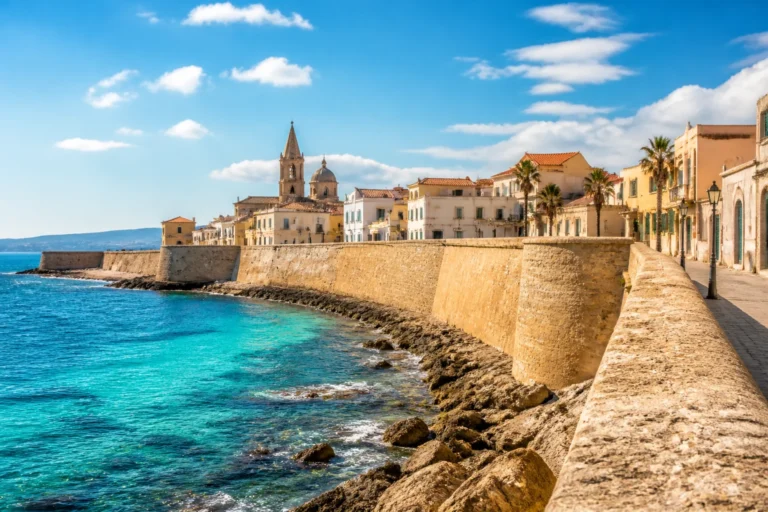
Alghero
Alghero, on the north-west coast of Sardinia, combines a historic centre with easy access to beaches and the coastal…
Explore destination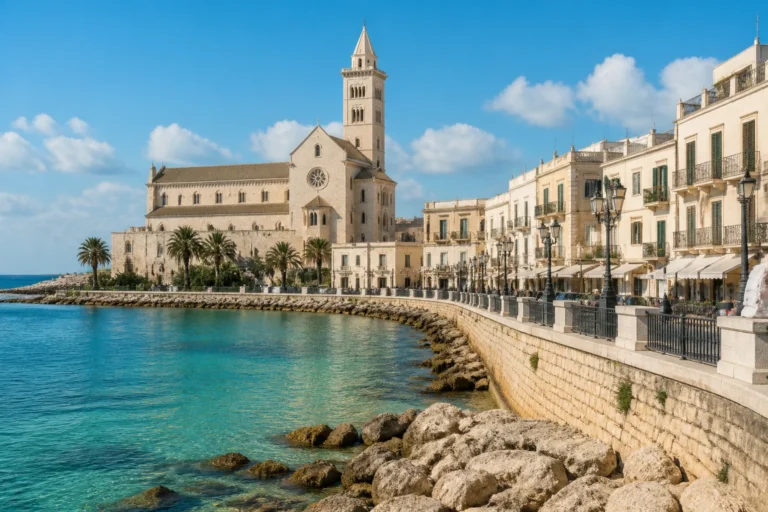 AI illustration
Bari
Bari is a practical, characterful gateway to Puglia, combining a walkable old town, a lively waterfront and an easy…
Explore destination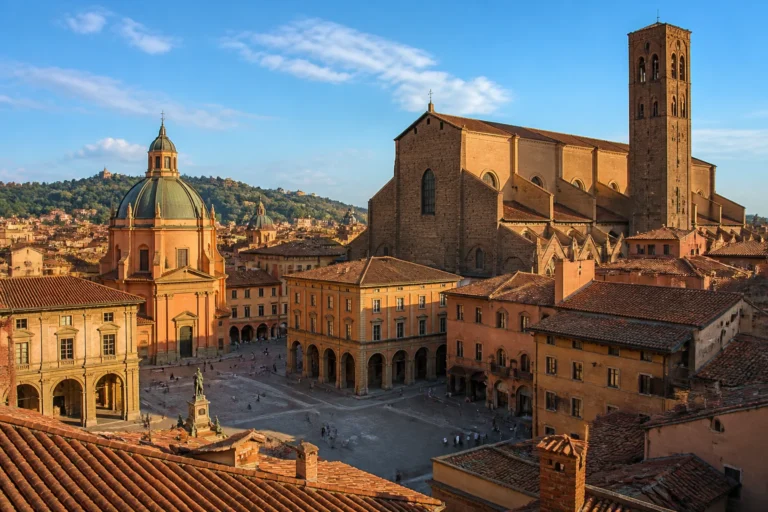 AI illustration
Bologna
Bologna is one of Italy’s most rewarding city breaks: compact enough to explore on foot, lively without feeling overwhelming,…
Explore destination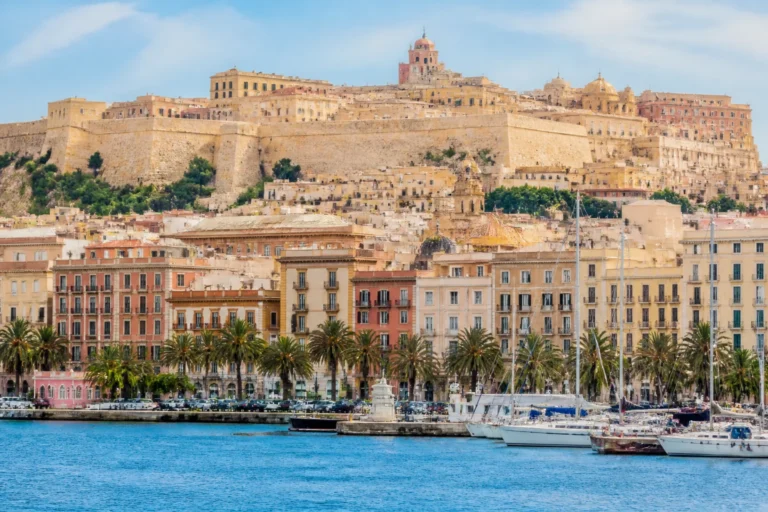 AI illustration
Cagliari
Cagliari is Sardinia’s lively capital, where a compact historic centre, long city beaches and easy access to turquoise coastline…
Explore destination