
Bulgaria · Europe
Sofia Travel Guide for European Independent Travellers
Sofia is a practical and pleasantly low-key city break for travellers who like a mix of history, green spaces and everyday urban life. Bulgaria’s capital has Roman ruins, Ottoman-era mosques, Orthodox churches and a strong café culture, all set against the dramatic backdrop of Vitosha Mountain. It is an easy city to explore independently, with a compact centre, public transport and straightforward day-trip options.
Find flights to Sofia ↓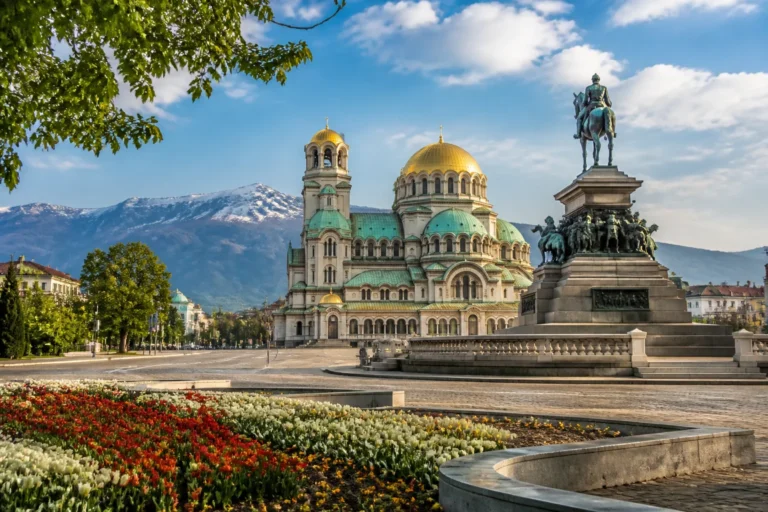 AI illustration
Find flights to Sofia
Compare flights · EURAbout Sofia
Sofia is one of Europe’s oldest capitals, but it feels more lived-in than grand. That is part of its appeal: you can move from ancient remains to Soviet-era squares, then into neighbourhood cafés or leafy parks without needing much planning. The city centre is compact enough for walking, yet large enough to keep you interested for a few days.
For many visitors, Sofia works well as an introduction to Bulgaria. It is affordable by European capital standards, has a mix of architecture rather than a single postcard look, and offers a relaxed pace that suits independent travellers. The city also makes a good base for combining urban time with mountain air, especially if you want a day out near Vitosha.
- Roman, Ottoman, socialist and modern layers in one centre
- Walkable core with easy public transport connections
- Good base for short city breaks and day trips
Things to Do in Sofia
Start in the city centre around Alexander Nevsky Cathedral, then walk outward through the historical core to see how the city’s architecture changes block by block. Nearby, you can spot remains from ancient Serdica, browse the pedestrian streets around Vitosha Boulevard, and pause in one of the many parks or squares that break up the urban grid.
Sofia rewards slow exploring rather than rushing between headline sights. Visit churches and museums if you want context, but leave time for simple neighbourhood wandering, coffee stops and people-watching. If you are interested in local life, markets and casual eateries are often as revealing as the major monuments.
If you have extra time, consider a short trip toward Vitosha Mountain for hiking, views or a change of pace. In winter and shoulder seasons, conditions can vary quickly, so plan any mountain outing with local advice and transport details from official operators.
- Alexander Nevsky Cathedral and nearby historic centre
- Ancient Serdica ruins and layers of old and new Sofia
- Vitosha Boulevard for cafés, shops and city atmosphere
- Parks, markets and easy urban wandering
- Possible half-day or full-day trip toward Vitosha Mountain
Best Time to Visit Sofia
Sofia is often most comfortable in late spring and early autumn, when temperatures are generally pleasant for walking and outdoor time. These periods usually suit travellers who want to combine sightseeing with cafés, parks and possible mountain excursions without the intensity of midsummer heat.
Summer can be busy and warm, but it is still manageable if you plan sightseeing for earlier or later in the day. Winter brings a different atmosphere, especially if you like colder-weather city breaks or want access to mountain activities nearby, though you should be prepared for shorter daylight and variable conditions.
If your main goal is sightseeing on foot, the shoulder seasons are a sensible compromise. If you prefer a livelier city feel, any period can work, as Sofia is a year-round capital with indoor museums, restaurants and transport that keep the city functional in most weather.
- Late spring and early autumn are the most comfortable for walking
- Summer suits longer days and outdoor café culture
- Winter works for a quieter city break and mountain access
How Long to Stay in Sofia
Two full days are enough to see the essentials without feeling rushed: the main centre, a couple of key churches or museums, and time to enjoy cafés and public spaces. This works well if Sofia is part of a wider Bulgaria itinerary or a longer European trip.
With three days, the city becomes more rewarding. You can spend one day on major sights, one day exploring at a slower pace, and one day for a park visit, neighbourhood wandering or a trip toward Vitosha. That extra time makes Sofia feel less like a checklist and more like a place you have actually lived in for a moment.
If you are planning a broader stay in Bulgaria, Sofia can also serve as a practical first or last stop because it is easy to navigate and has the widest range of connections in the country.
- 2 days for the main landmarks and centre
- 3 days for a slower, more balanced visit
- Extra time helps if you want a mountain excursion
Airports and Transport
Sofia Airport is the city’s main air gateway and is the most practical arrival point for international travellers. From there, you can usually reach the centre by public transport, taxi or pre-arranged transfer, depending on your preference and luggage. For current routes and terminal details, check the airport and official transport operator information before you travel.
Within the city, the metro is often the simplest way to cover longer distances, while trams and buses fill in the network. Walking is still one of the best ways to see the centre, especially around the major historic sights. If you use taxis, choose licensed services and confirm the fare approach in advance where possible.
If you plan to head to Vitosha Mountain or nearby towns, do not assume the same transport pattern applies as in central Sofia. Check seasonal services, road access and departure points directly with official providers, especially if your trip involves hiking, winter conditions or weekend travel.
- Sofia Airport is the main arrival point
- Metro is useful for longer city journeys
- The historic centre is best explored on foot
- Check official operators for mountain or suburban transport
Where to Stay in Sofia
For first-time visitors, staying near the centre is the most convenient option. Areas around the historic core, major boulevards and the main pedestrian streets make it easier to walk to sights, restaurants and transport links without depending on taxis.
If you prefer a more local feel, look for neighbourhoods slightly beyond the immediate centre but still well connected by metro or tram. These can offer a calmer atmosphere and a better sense of everyday Sofia, while keeping sightseeing practical. Business travellers may prefer locations with straightforward airport or station access.
When choosing accommodation, think about your priorities rather than expecting one perfect district. Sofia is compact enough that a good transport connection can matter more than being directly beside one landmark.
- Central areas are best for a short first visit
- Well-connected neighbourhoods can offer a quieter stay
- Transport access matters as much as proximity to sights
Practical Tips for Sofia
A little planning goes a long way in Sofia, especially if you want to make the most of a short stay. Learn a few place names in Bulgarian script if you rely on maps, and keep an offline map handy in case mobile signal is patchy in older buildings or underground transport areas.
If you are using public transport, check how tickets or passes work before boarding, as systems can change and validation rules matter. For taxis, it is sensible to use reputable companies or app-based options where available. As in any capital, keep an eye on your belongings in crowded places and around transport hubs.
Sofia is a good city for travellers who enjoy flexibility: you can fill your days with churches, museums, food and mountain views, or keep things loose and simply wander. The key is to treat the city as a layered place rather than a list of must-sees. That approach usually leads to a better trip.
- Keep an offline map for easier navigation
- Check local ticketing rules before using public transport
- Use licensed taxis or reputable ride options
- Leave room for slow wandering and café stops
Frequently asked questions about Sofia
Is Sofia easy to visit for a short city break?
Yes. Sofia is compact enough for a short break, especially if you stay near the centre. You can cover the main sights, enjoy cafés and still have time for relaxed walking without needing a strict itinerary.
Can I explore Sofia mainly on foot?
You can explore much of the central area on foot, which is one of the best ways to see the city. For longer distances, the metro and other public transport help you move around more efficiently.
Is Sofia a good base for visiting Vitosha Mountain?
Yes, it can be a practical base for a mountain outing, but transport and conditions vary by season. Check current access details and official transport information if you plan to go beyond the city centre.
Which area is best for first-time visitors to stay in?
A central location is usually best for first-time visitors because it keeps major sights, dining and transport within easy reach. If you prefer quieter surroundings, choose a nearby district with a strong metro or tram connection.
How many days do I need in Sofia?
Two days are enough for the basics, but three days lets you see the city at a more comfortable pace. If you want a day trip or time in the mountain area, add another day.
What type of traveller suits Sofia best?
Sofia suits independent travellers who enjoy cities with history, café culture and a less polished, more everyday feel. It is especially good for people who like exploring on foot and do not mind a mix of old and new architecture.
Travel information can change. Check official transport operators and attraction websites before booking.
Editorial review: 23 Oct 2026
More destinations to explore
 AI illustration
Adler/Sochi
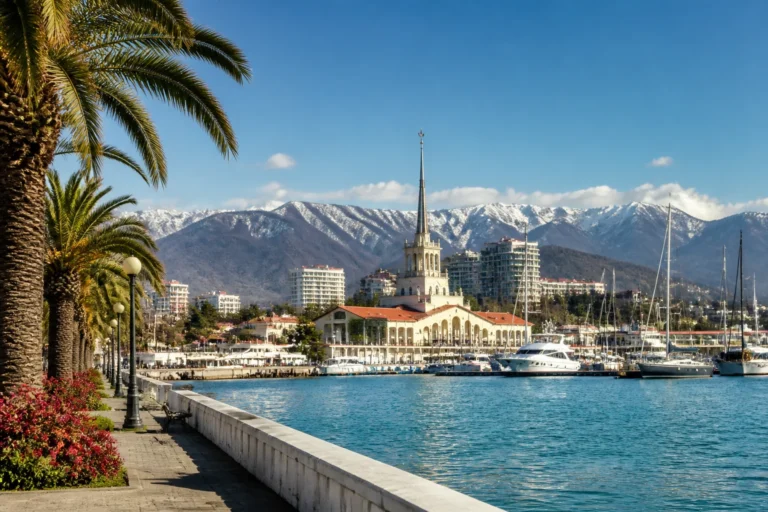
Adler and Sochi stretch along Russia’s Black Sea coast, combining seaside promenades and parks with access to mountain landscapes.…
Explore destination AI illustration
Alghero
Alghero, on the north-west coast of Sardinia, combines a historic centre with easy access to beaches and the coastal…
Explore destination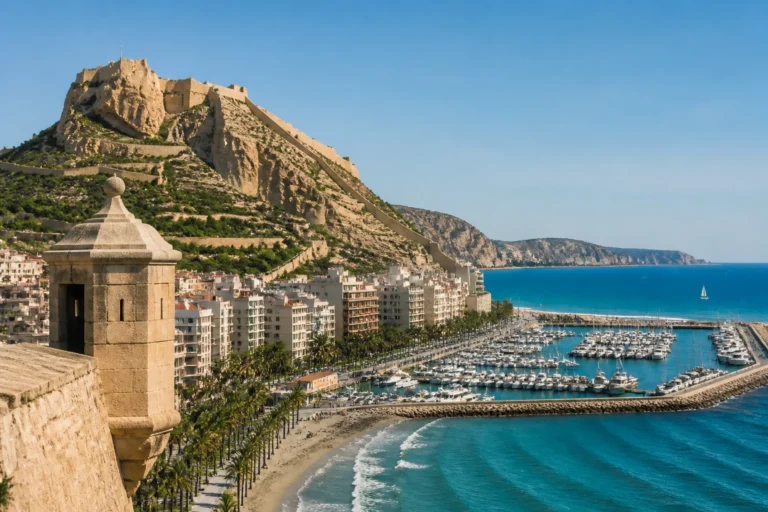 AI illustration
Alicante
Alicante is an easygoing Mediterranean city where a compact old centre, a long waterfront and a busy local food…
Explore destination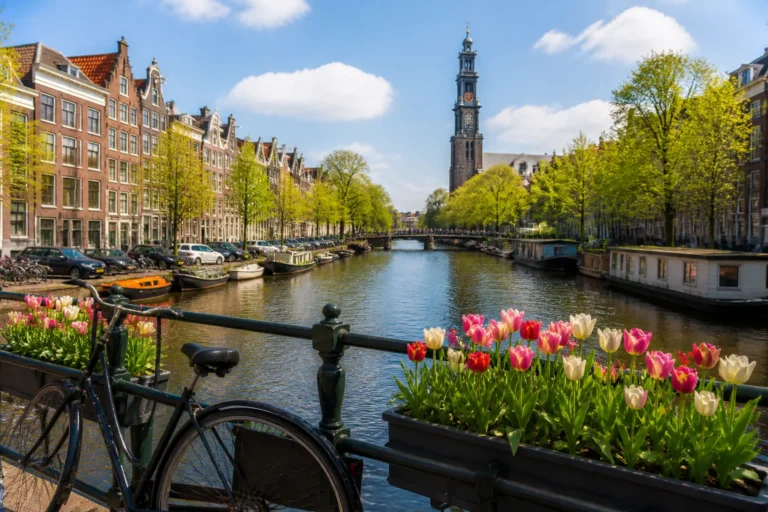 AI illustration
Amsterdam
Amsterdam combines a compact historic centre with a broad mix of museums, neighbourhood cafés and quieter residential streets. Its…
Explore destination