
Czechia · Europe
Prague travel guide for independent travellers
Prague is one of Europe’s most rewarding city breaks for travellers who like walkable neighbourhoods, layered history and an easy pace between sights. Its compact centre makes it simple to explore on foot, while trams, metro and trains help you reach outer districts and day-trip gateways. This guide focuses on how to plan a practical visit, where to stay and how to make the most of the city without rushing.
Find flights to Prague ↓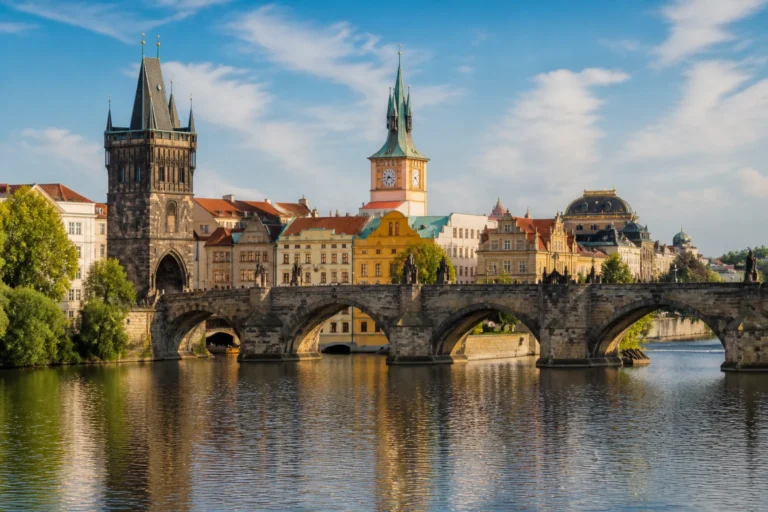 AI illustration
Find flights to Prague
Compare flights · EURAbout Prague
Prague combines medieval streets, Gothic spires, Baroque facades and a strong café-and-pub culture that still feels local outside the busiest centre. The Old Town, Lesser Town and castle area are the headline sights, but the city becomes more interesting when you add quieter riverfront walks, residential districts and smaller museums. For many visitors, the appeal is the balance between major landmarks and day-to-day city life.
Because the centre is compact, Prague suits travellers who prefer to explore by foot with occasional tram or metro rides. You can cross the river several times in one day, stop for a long lunch, and still fit in a museum or viewpoint without needing an organised tour. That makes it a strong destination for independent travellers who like flexible itineraries.
- Compact centre with major sights close together
- Good mix of history, architecture and neighbourhood life
- Easy to combine walking with public transport
Things to do in Prague
Start with the classic core: Old Town Square, Charles Bridge and Prague Castle. These places are popular for good reason, but they are best enjoyed with a bit of patience and some early or late-day timing if you want fewer crowds. Around them, you will find narrow lanes, church interiors, courtyards and viewpoints that reward slow wandering more than ticking boxes.
Beyond the headline sights, Prague is excellent for river walks, neighbourhood cafés, art spaces and scenic tram rides. Vyšehrad offers a calmer historical setting above the river, while areas such as Vinohrady and Karlín show a more everyday side of the city. If you enjoy beer culture, choose a traditional pub or modern taproom based on atmosphere rather than novelty, and pair it with Czech food that goes beyond the obvious tourist menu.
- Walk the Old Town, Charles Bridge and castle district
- Add Vyšehrad or riverfront routes for a quieter perspective
- Explore neighbourhoods like Vinohrady and Karlín for local atmosphere
Best time to visit Prague
Prague works year-round, but spring and early autumn are often the most comfortable times for sightseeing because temperatures are usually milder and outdoor walking is more pleasant. These shoulder periods can also feel less intense than the peak summer months, when the central areas are busiest and shade can be limited on long walking routes.
Winter can be appealing if you want a quieter city break with festive atmosphere, especially around seasonal markets and illuminated streets. Just be prepared for shorter daylight hours and plan indoor stops such as museums, churches or cafés to break up the day. In midsummer, book popular activities and accommodation earlier if you want a central base.
- Spring and early autumn are strong options for walking
- Winter suits travellers who enjoy festive city atmospheres
- Summer brings the busiest conditions in the historic centre
How long to stay in Prague
A first visit usually deserves at least two full days, which gives you time for the main centre, the castle area and one or two additional neighbourhoods. Three days is better if you want to include museums, a relaxed lunch scene and less hurried walking along the river or through hilltop parks.
If you stay longer, Prague becomes a good base for a broader Czechia trip or for slower exploration of districts beyond the tourist core. Extra time can also be used for day trips by rail or coach, but even within the city there is enough variety to fill four days without repetition if you like architecture, galleries and cafés.
- 2 days for the main highlights
- 3 days for a more relaxed pace
- 4 days or more if you want neighbourhood time and day trips
Airports and transport in Prague
Prague is served by Václav Havel Airport, which is the main international gateway. From there, travellers usually continue into the city by airport bus connections, public transport links, taxi or ride-hailing, depending on their luggage, arrival time and final destination. Because transport patterns can change, it is worth checking the official airport and city transport information before you travel.
Within the city, Prague’s public transport network is the easiest way to cover longer distances. Trams are especially useful for scenic cross-town journeys, while the metro is practical for quick hops between major districts. The historic centre is walkable, but cobbled streets, hills and bridge crossings mean that a mixed approach is often more comfortable than trying to do everything on foot.
- Use Václav Havel Airport as the main international entry point
- Combine walking with trams and metro for flexibility
- Check official transport operators for current routes and ticket details
Where to stay in Prague
The best area depends on whether you want atmosphere, convenience or a quieter base. Old Town is the most central choice, with easy access to sights, but it can be busy and less local in feel. Lesser Town works well if you want historic surroundings near the castle and river, while New Town offers a good balance of access and a broader mix of hotels, restaurants and transport links.
For a slightly more everyday experience, consider districts just outside the core such as Vinohrady or Karlín. These areas can feel calmer at night and often have better café and dining options for longer stays. Whatever you choose, look at tram and metro access as well as the map distance, because a short walk on paper can still involve a hill or bridge crossing.
- Old Town for maximum centrality
- Lesser Town for historic atmosphere near the castle
- Vinohrady or Karlín for a more local feel
Practical tips for Prague
Prague is very manageable for independent travellers, but a few habits make the trip smoother. Wear comfortable shoes for cobbles and inclines, keep some flexibility in your schedule for busy sight lines, and remember that the most photographed streets are not always the best places to eat. A short walk away from the main squares often gives you better value and a more relaxed meal.
If you plan to use public transport often, learn the basic ticketing system before arriving and keep an eye on validation rules where relevant. In busy areas, stay aware of pickpocket risks as you would in any major city, especially around transport hubs and crowded landmarks. Finally, keep payments and identification organised, and check official opening hours and reservation rules for the specific places you want to visit.
- Wear shoes suitable for cobbles and hills
- Eat a few streets away from the busiest squares
- Check official opening hours and transport rules before you go
Frequently asked questions about Prague
Is Prague easy to explore without a car?
Yes. The historic centre is very walkable, and trams plus the metro make it easy to cover longer distances or reach neighbourhoods outside the core.
Which Prague area is best for first-time visitors?
Old Town is the most central, but Lesser Town and New Town can be better choices if you want easier access, a quieter feel or a broader range of places to eat.
How many days do I need in Prague?
Two full days cover the main highlights, while three days gives you a more balanced visit with time for neighbourhoods, cafés and slower sightseeing.
What is the best way to get from Prague Airport into the city?
Travel options usually include airport bus connections, public transport links, taxi or ride-hailing. The best choice depends on your arrival time, luggage and final destination, so check current official guidance.
Is Prague suitable for a winter city break?
Yes. Winter can suit travellers who like a festive atmosphere and indoor sightseeing, though daylight is shorter and it helps to plan cafés, museums and transport more carefully.
Can Prague be used as a base for day trips?
Yes, especially if you stay several nights. Prague works well as a base for rail or coach day trips, but you should still leave enough time to enjoy the city itself.
Travel information can change. Check official transport operators and attraction websites before booking.
Editorial review: 23 Oct 2026
More destinations to explore
 AI illustration
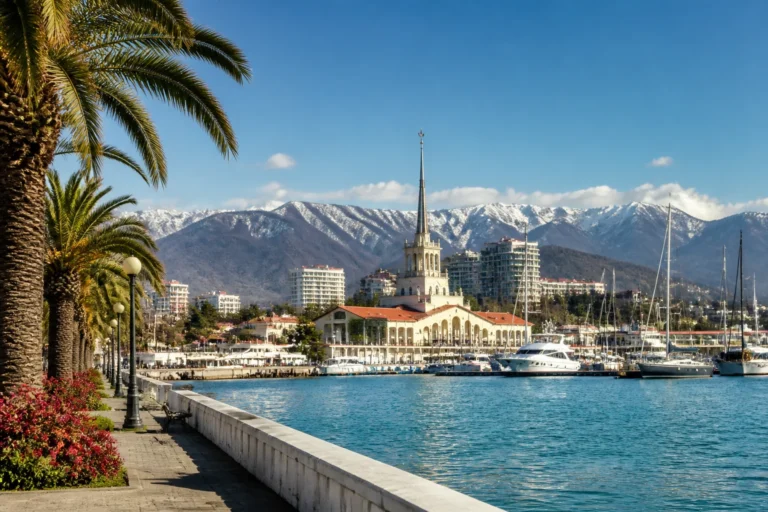
Adler/Sochi
Adler and Sochi stretch along Russia’s Black Sea coast, combining seaside promenades and parks with access to mountain landscapes.…
Explore destination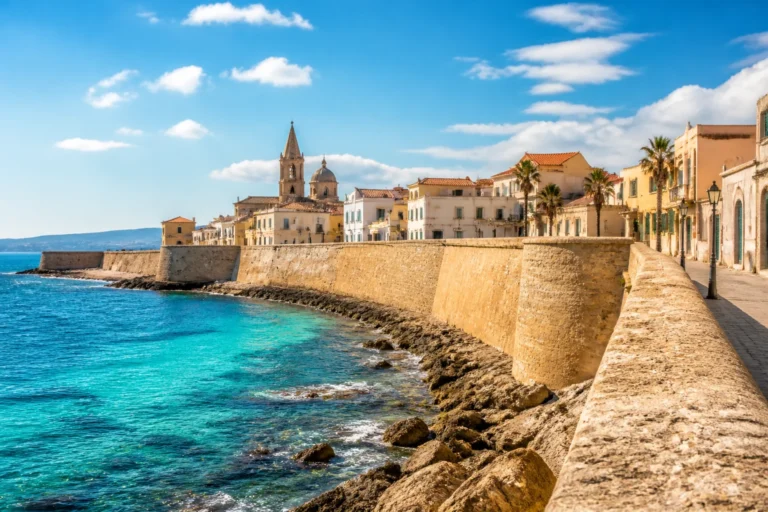 AI illustration
Alghero
Alghero, on the north-west coast of Sardinia, combines a historic centre with easy access to beaches and the coastal…
Explore destination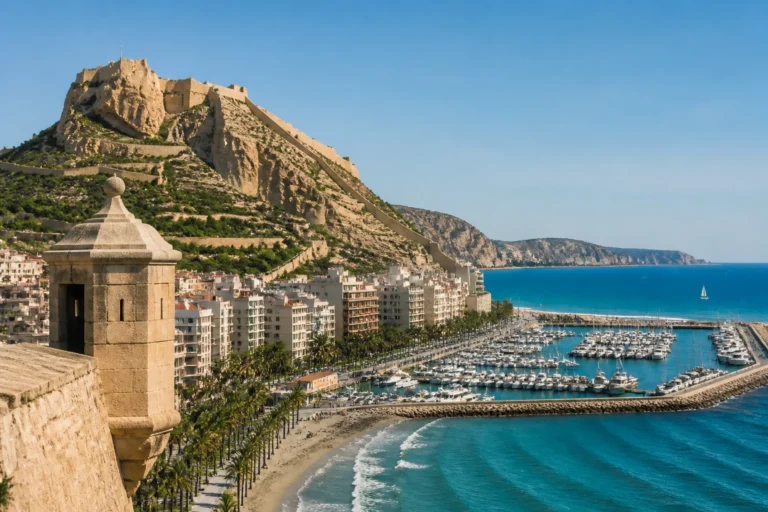 AI illustration
Alicante
Alicante is an easygoing Mediterranean city where a compact old centre, a long waterfront and a busy local food…
Explore destination AI illustration
Amsterdam
Amsterdam combines a compact historic centre with a broad mix of museums, neighbourhood cafés and quieter residential streets. Its…
Explore destination