
Norway · Europe
Oslo Travel Guide: What to See and How to Plan Your Trip
Oslo combines a compact city centre with waterfront promenades, major museums and easy access to green spaces. Its neighbourhoods have distinct characters, from central shopping streets to the cafés and independent shops of Grünerløkka. This guide covers what to see, when to go, where to stay and how to plan transport, so you can shape an Oslo visit around museums, outdoor time or a mix of both.
Find flights to Oslo ↓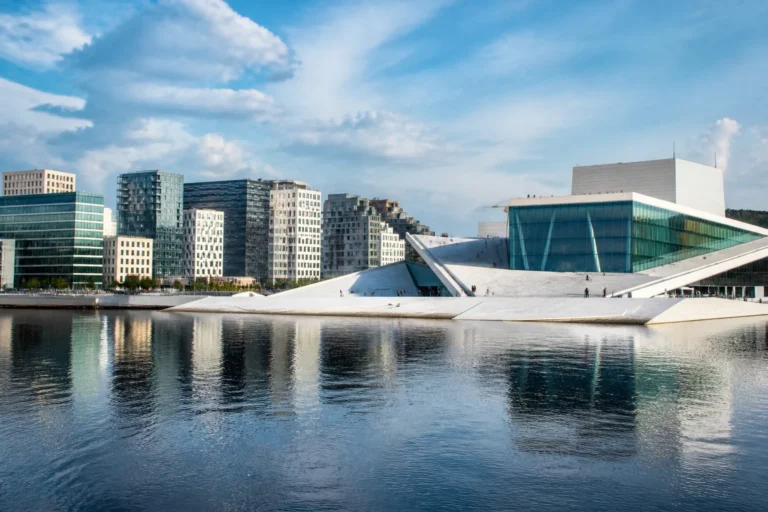 AI illustration
Find flights to Oslo
Compare flights · EURWhat to expect in Oslo
Norway’s capital is a good fit for travellers who want city culture alongside time outdoors. The centre sits beside the Oslofjord, and the waterfront, parks and forested hills are all part of the city’s appeal. Oslo is relatively easy to explore by public transport, though its spread-out attractions mean it is worth planning journeys rather than expecting to see everything on foot.
Central sights include the Opera House, whose sloping roof is designed for visitors to walk on, and the medieval Akershus Fortress. Museums range from the Munch Museum to the National Museum, while Vigeland Sculpture Park offers a substantial outdoor collection. Check current opening arrangements before building a day around a particular museum or attraction.
- Walk along the central waterfront
- Visit the Munch Museum or National Museum
- See the sculptures in Vigeland Park
- Explore Akershus Fortress
Things to do in Oslo
Start in the centre with the Opera House, the harbour area and Akershus Fortress, then choose one or two museums rather than trying to fit them all into a single day. For a change of pace, Grünerløkka has cafés, independent shops and a more informal feel. The exact mix of shops and venues changes, so use it as an area to explore rather than a fixed itinerary.
Bygdøy is known for its museums and can make a rewarding half-day or longer outing; check transport options and opening times in advance. For a view over the city, consider the Holmenkollen area. In warmer months, waterfront walks and boat trips on the fjord can add time outdoors, but check current routes and operating information with the relevant transport or tour operator.
- Walk the Opera House roof and harbour
- Explore Grünerløkka
- Allow time for Bygdøy’s museums
- Visit the Holmenkollen area
When to visit Oslo
Summer is appealing for long daylight hours, outdoor dining and time by the fjord. It is also a popular period for visitors, so book accommodation ahead if your dates are fixed. Longer days make it easier to combine museums with walks or excursions, although individual attractions may have seasonal opening hours.
Winter brings short days and a different atmosphere, with cultural attractions providing indoor options. Spring and autumn can suit travellers who prefer to plan around museums, neighbourhoods and city walks. Conditions vary by season, so pack for changeable weather and check local information close to departure rather than relying on assumptions about a particular week.
How long to stay in Oslo
Two full days can cover the central waterfront, one or two major museums and a neighbourhood such as Grünerløkka. Allow extra time if you prefer slower visits or want to include Akershus Fortress and Vigeland Sculpture Park without rushing.
Three or four days give more room for Bygdøy, Holmenkollen or a fjord outing, as well as flexibility if opening times or weather affect plans. Oslo can also work as a short city break, but travellers hoping to combine several museums with outdoor excursions should avoid scheduling every day too tightly.
- Two days for central highlights
- Three to four days for a more relaxed visit and excursions
Oslo Airport and getting around
Oslo Airport Gardermoen (OSL) is the main airport serving the city. Rail services connect the airport with central Oslo; options include the airport express train and other train services. Journey times, fares, platforms and timetables can change, so compare current details with the relevant operators before travelling. Airport buses and taxis may also be available, with journey time dependent on traffic.
Within Oslo, the public transport network includes metro, tram, bus and some boat services. Check routes and ticket conditions with the local transport operator, particularly if travelling to Bygdøy or planning to use ferries. The centre is walkable in parts, but public transport is useful for longer distances and hillier areas. If you plan to hire a car, consider whether you need one for a city-focused visit.
- Use current operator information to compare airport rail options
- Plan local journeys using the public transport network
- Allow for traffic when considering road transfers
Where to stay in Oslo
Stay in or near Sentrum for convenient access to the central station, waterfront and many major sights. It is a practical base for a short visit, especially if you expect to travel by train or want to keep evening journeys simple.
Grünerløkka suits visitors looking for cafés and a lively neighbourhood setting, while Frogner offers a more residential base with access to parks and the western side of the centre. Aker Brygge and Tjuvholmen put you close to the harbour, but compare accommodation locations with your planned activities and transport links. Check cancellation terms and the exact location before booking.
- Sentrum for central access
- Grünerløkka for cafés and independent shops
- Frogner for a quieter, residential feel
- Aker Brygge or Tjuvholmen for the waterfront
Practical tips for planning an Oslo trip
Choose museums and indoor attractions in advance, and check their official websites for opening times, ticket arrangements and any closure days. If you are travelling in a busy period, reserving accommodation early can give you more choice. Oslo’s calendar and transport services can vary, so verify event and journey details near your travel dates.
Norwegian is the official language, and English is widely used in visitor-facing settings, but learning a few basic Norwegian phrases is a considerate touch. Norway uses the Norwegian krone. Check your bank’s payment and foreign-currency terms before departure, and consult official Norwegian sources for entry requirements relevant to your nationality. FlyGo.si is a flight comparison website; travellers should confirm booking details with the airline or travel provider they choose.
- Check attraction opening times directly before visiting
- Confirm transport and event details close to departure
- Check entry requirements using official sources
Frequently asked questions about Oslo
Which airport should I use for Oslo?
Oslo Airport Gardermoen, code OSL, is the main airport serving the city. Compare current rail, bus and taxi options before travelling, as journey details and operating arrangements can change.
How many days do I need in Oslo?
Two full days can cover central sights and a museum or two. Three or four days allow more time for Bygdøy, Holmenkollen or an outing on the fjord, depending on your interests and the season.
Is Oslo easy to explore without a car?
For a city-focused visit, public transport and walking can cover many central areas and attractions. Check the local transport network for trips farther from the centre, and consider whether any planned excursions require separate arrangements.
What is a good area to stay in Oslo?
Sentrum is convenient for central sights and transport. Grünerløkka offers cafés and independent shops, while Frogner is more residential. Choose based on your itinerary and check the location against public transport links.
When is a good time to visit Oslo?
Summer offers long daylight hours for outdoor activities, while winter can suit a trip focused on indoor culture. Spring and autumn are alternatives for a city break; check seasonal opening times and prepare for variable conditions.
Travel information can change. Check official transport operators and attraction websites before booking.
Editorial review: 23 Oct 2026
More destinations to explore
 AI illustration
Adler/Sochi
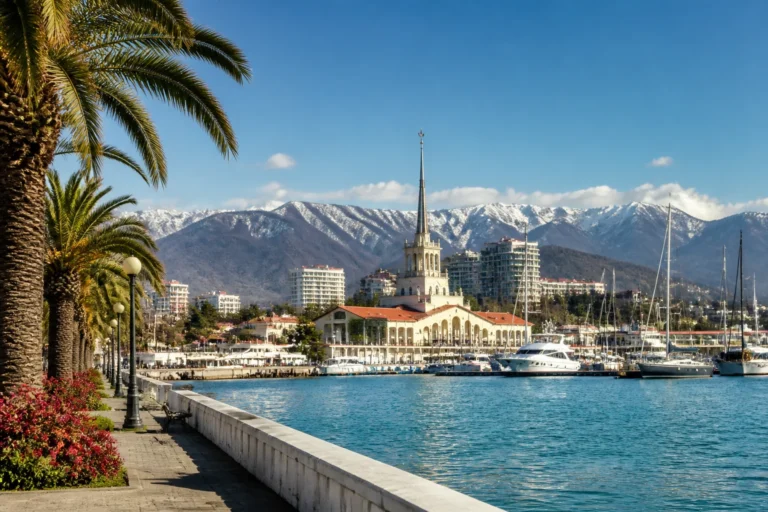
Adler and Sochi stretch along Russia’s Black Sea coast, combining seaside promenades and parks with access to mountain landscapes.…
Explore destination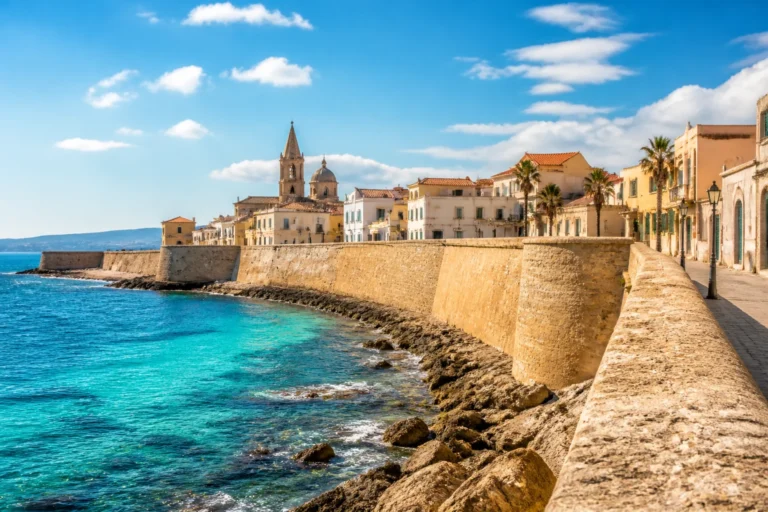 AI illustration
Alghero
Alghero, on the north-west coast of Sardinia, combines a historic centre with easy access to beaches and the coastal…
Explore destination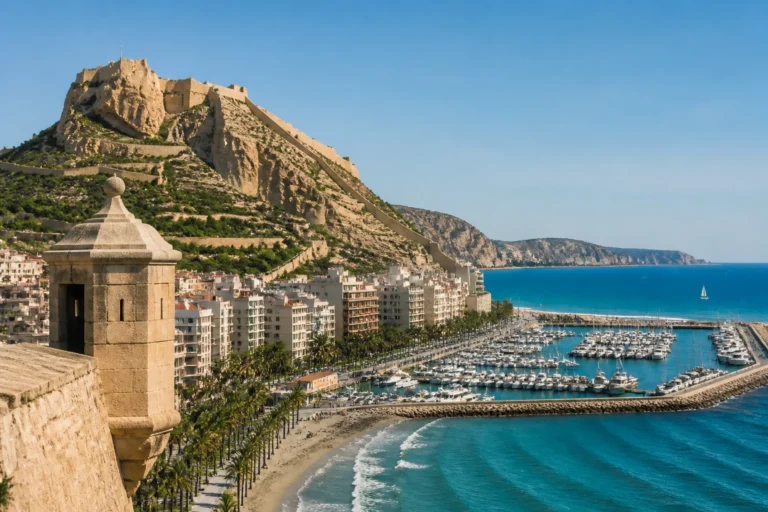 AI illustration
Alicante
Alicante is an easygoing Mediterranean city where a compact old centre, a long waterfront and a busy local food…
Explore destination AI illustration
Amsterdam
Amsterdam combines a compact historic centre with a broad mix of museums, neighbourhood cafés and quieter residential streets. Its…
Explore destination