
Russia · Europe
Moscow Travel Guide for Independent Travellers
Moscow is a vast capital where imperial landmarks, Soviet-era architecture, contemporary culture and everyday city life sit side by side. For independent travellers, it rewards planning: distances are large, transit is part of the experience, and neighbourhood choice matters. This guide focuses on practical ways to see the city, move around confidently and choose the right base for a short or longer stay.
Find flights to Moscow ↓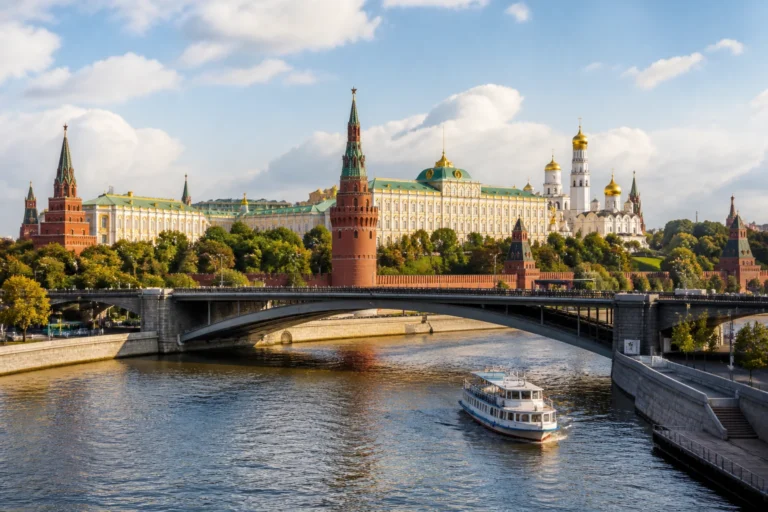 AI illustration
Find flights to Moscow
Compare flights · EURAbout Moscow
Moscow is not a city to approach casually on foot alone; it is a layered metropolis with a strong sense of scale. The historic centre holds many of the sights first-time visitors expect, but much of the city’s character comes from the spaces between them: broad avenues, river embankments, parks, metro stations and residential districts that feel distinct from one another. If you enjoy cities where history, politics, design and daily life are all visible at street level, Moscow can be highly rewarding.
For independent travellers, a useful mindset is to treat Moscow as a collection of areas rather than a single compact centre. That makes it easier to plan by theme: Red Square and the Kremlin area, cultural institutions around the central boulevards, riverside walks, park districts and neighbourhoods with cafés, galleries and nightlife. English may be limited in some settings, so simple preparation, offline maps and a flexible itinerary help a lot.
- Large-scale city with many neighbourhoods
- Good fit for travellers who like museums, architecture and urban walks
- Plan journeys carefully because distances are substantial
Things to Do in Moscow
Start with the city’s most recognisable landmarks, then give yourself time to wander beyond them. Red Square and the surrounding historic core remain essential for orientation, while the Kremlin area, nearby cathedrals and central streets show the city’s political and symbolic heart. The metro is also worth treating as an attraction in itself: many stations are striking examples of architecture and decoration, and they double as a practical way to cross long distances quickly.
Beyond the headline sights, Moscow has strong options for museums, theatre, riverfront strolls and park time. Depending on your interests, you could focus on Russian art, military history, literature, design or the city’s modern redevelopment zones. Moscow’s parks and public spaces are especially useful for breaking up dense sightseeing, and neighbourhood cafés or markets can be a good way to experience the city more casually after a major monument-heavy morning.
If you are staying several days, mix indoor and outdoor activities. A good Moscow trip often combines one or two landmark-heavy days with slower half-days for neighbourhood wandering, shopping streets, or a long metro ride to a park, museum complex or waterfront area.
- Explore the historic core around Red Square and nearby streets
- Ride the metro for both transport and station architecture
- Balance major sights with parks, museums and neighbourhood walks
- Leave time for theatre, galleries or riverfront views
Best Time to Visit Moscow
The best time to visit Moscow depends on how you like to travel. Warmer months are generally easier for long walks, park visits and riverbank time, while colder periods can be atmospheric and suited to museums, cafés and indoor culture. Shoulder seasons often offer a balance between manageable temperatures and a more comfortable sightseeing rhythm, though conditions can change quickly.
Winter can be memorable if you are prepared for short daylight hours and proper clothing, but it also means putting more emphasis on transit between indoor sights. In summer, the city feels livelier and more open-air focused, though popular areas can be busy. Rather than chasing a single ideal month, think about the kind of itinerary you want: outdoor-heavy, museum-heavy, or a mix of both.
- Choose season based on how much walking you want to do
- Shoulder periods can suit mixed sightseeing plans
- Winter favours indoor attractions and metro travel
How Long to Stay in Moscow
A first visit to Moscow usually benefits from at least three full days if you want to see the main central sights without rushing. That gives you time for the historic core, a major museum or two, a metro-focused movement around the city and some flexible time for neighbourhoods or food stops. If you only have one or two days, concentrate on the centre and accept that you will be leaving much unexplored.
Four to five days is a better pace for travellers who like museums, architecture and slower urban exploring. With that amount of time, you can build in a park visit, a more relaxed evening out and the option to revisit an area in a different light. Longer stays make sense if you want to explore beyond the usual first-time circuit or use Moscow as a base for a broader trip.
- 3 days covers the essentials at a practical pace
- 4–5 days suits museums, parks and slower exploring
- Short stays should focus on the central core
Airports and Transport in Moscow
Moscow is served by multiple airports, so your arrival point may affect how long it takes to reach your accommodation. Because airport options and ground connections can change, it is best to check your airline’s terminal details and the official airport or rail operator websites before departure. If you are arriving from elsewhere in Europe, allow extra time for transfers and any formalities that may apply to your itinerary.
Within the city, the metro is usually the backbone of independent travel. It is extensive, widely used and generally the most efficient way to cover distance, especially when moving between central sights and outer districts. Taxis and ride-hailing services can be useful for late arrivals, heavy luggage or direct trips, but traffic can be significant, so build in margin. Walking works well for shorter central stretches, yet Moscow’s scale means many routes are better combined with public transport.
- Check your exact airport and terminal before travel
- Use the metro as the main city transport option
- Allow extra time for traffic and airport transfers
- Combine walking with transit for central sightseeing
Where to Stay in Moscow
For first-time visitors, staying relatively central usually makes the trip simpler. Being near the historic core, major metro lines or a well-connected inner district reduces transport friction and helps you make the most of shorter visits. This is especially helpful if you plan to do a lot of sightseeing on foot between transit rides. The right base can save considerable time, even if your preferred area is a little less obvious than the main tourist zone.
Travellers who prioritise dining, nightlife or a quieter residential feel may prefer neighbourhoods a bit away from the main monuments, as long as the metro connection is strong. Business travellers often value quick access to transport hubs, while culture-focused visitors may prefer areas with easy links to theatres, galleries and museums. In any case, check how close your chosen stay is to a metro station, not just to a landmark on the map.
- Central locations are simplest for short trips
- Metro access matters more than a famous street name
- Choose by trip style: sightseeing, nightlife, or quieter stays
Practical Tips for Moscow
Keep your itinerary realistic. Moscow is a city where it is easy to underestimate time between sights, especially if you try to combine several major locations in one day. Fewer places, visited properly, is usually better than trying to tick off too much. An offline map and a backup plan for transport are useful if you need to switch from walking to metro or taxi at short notice.
It is also worth being prepared for language differences. In central tourist areas you may find some English, but it is still sensible to have names and addresses written clearly, especially for transport or hotel check-in. For payment, documents and entry requirements, travellers should verify the latest official guidance before departure, since rules and practical arrangements can change. As always, check opening hours and ticketing conditions with the venue directly when planning museums or major sights.
- Use offline maps and written addresses
- Plan fewer stops per day because distances are large
- Verify entry, payment and venue details with official sources
- Check opening hours directly before building your itinerary
Frequently asked questions about Moscow
Is Moscow easy to visit as an independent traveller?
Yes, if you plan with the city’s scale in mind. The metro helps a lot, but it is wise to group sights by area and not expect to cover everything on foot.
What is the best area to stay in for a first trip to Moscow?
A central area with good metro access is usually the most practical choice. It shortens daily transfers and makes it easier to return to your hotel between visits.
Do I need the metro in Moscow?
You can manage without it in a very small central area, but for most travellers it is the easiest way to move across the city efficiently and avoid long surface journeys.
How many days do I need in Moscow?
Three days is a sensible minimum for a first visit, while four to five days gives you a calmer pace and more time for museums, parks and neighbourhood exploring.
Is English widely spoken in Moscow?
You may find English in hotels, some restaurants and major visitor spots, but not everywhere. Having addresses written down and using translation tools can make travel easier.
Travel information can change. Check official transport operators and attraction websites before booking.
Editorial review: 23 Oct 2026
More destinations to explore
 AI illustration
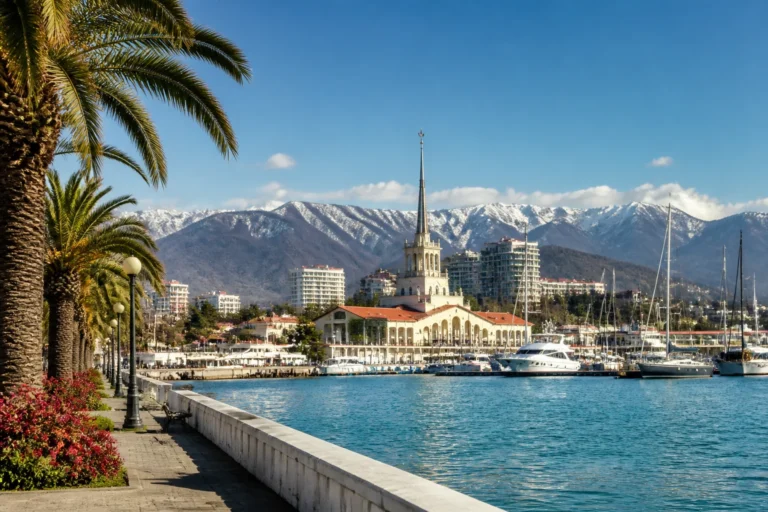
Adler/Sochi
Adler and Sochi stretch along Russia’s Black Sea coast, combining seaside promenades and parks with access to mountain landscapes.…
Explore destination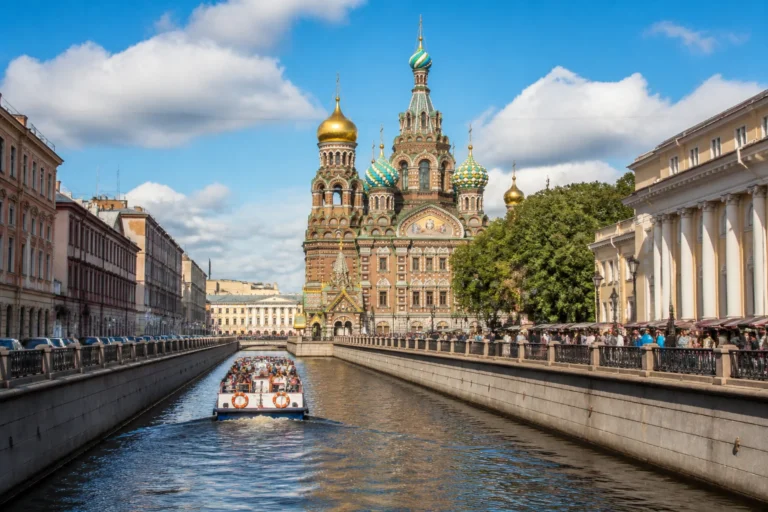 AI illustration
Saint Petersburg
Saint Petersburg rewards travellers with grand imperial architecture, wide waterways, major museums and a city centre that feels made…
Explore destination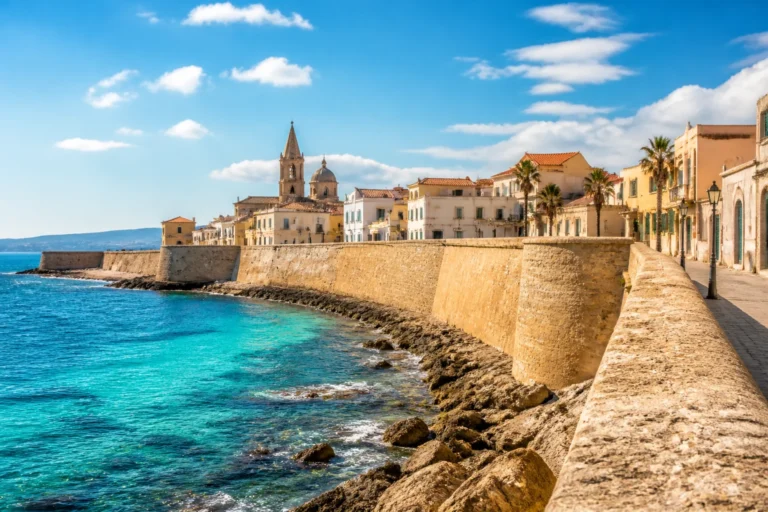 AI illustration
Alghero
Alghero, on the north-west coast of Sardinia, combines a historic centre with easy access to beaches and the coastal…
Explore destination AI illustration
Alicante
Alicante is an easygoing Mediterranean city where a compact old centre, a long waterfront and a busy local food…
Explore destination