
Ireland · Europe
Dublin travel guide for independent travellers
Dublin is a compact capital with a strong literary legacy, a busy live-music scene, and easy access to the Irish coast and countryside. It suits travellers who like walkable city breaks with plenty of pubs, museums, and neighbourhood character rather than grand monuments. This guide covers how to shape a practical visit, where to stay, and how to get around without relying on a package trip.
Find flights to Dublin ↓ AI illustration
Find flights to Dublin
Compare flights · EURAbout Dublin
Dublin sits on Ireland’s east coast and feels more intimate than many European capitals, with a centre that is easy to navigate on foot and a river that helps orient you. Many visitors come for the pubs and nightlife, but the city also rewards slower exploration: Georgian squares, bookshops, cafés, museums, and neighbourhood streets that show everyday Dublin life.
The city mixes historic and modern layers in a way that is approachable rather than monumental. You can spend a morning in a museum, an afternoon walking along the Liffey or through leafy residential streets, and an evening listening to traditional or contemporary music. For independent travellers, Dublin works well as a short break or as the starting point for a wider Ireland itinerary.
- Compact centre with good walking connections
- Strong music, pub, and literary culture
- Useful base for day trips and onward travel
Things to do in Dublin
Start with a walk through the centre to get a feel for the city’s layout. Trinity College, the area around Grafton Street, St Stephen’s Green, and the streets south of the river are a natural first circuit. The Georgian areas are especially good for architecture, while the north side offers a slightly rougher-edged, more local atmosphere in places.
Museums and historic sites are a major part of Dublin’s appeal. Depending on your interests, you might focus on Irish history, literature, decorative arts, or social history rather than trying to see everything. Temple Bar is the best-known nightlife district, but it is worth balancing that with quieter pubs and live-music venues elsewhere in the city. If you want fresh air, the coast is never far away, and a walk in Howth or along the seaside at Dún Laoghaire makes a good contrast to the centre.
- Walk the city centre and Georgian streets
- Visit museums that match your interests
- Try live music in a pub or small venue
- Add a coastal walk if you have an extra day
Best time to visit Dublin
Dublin can be visited year-round, but the experience changes with the season. Spring and early autumn are often the most comfortable times for a city break, with moderate crowds and a good balance between daylight and manageable temperatures. Summer brings longer evenings and a livelier street atmosphere, though it is also the busiest period for accommodation and attractions.
Winter is quieter and can suit travellers who prefer museums, cosy pubs, and a slower pace, but you should expect shorter days and a greater chance of unsettled weather. Whatever the season, packing layers is sensible because Dublin’s weather can change quickly and a dry morning does not guarantee a dry afternoon.
- Spring and early autumn suit most city-break travellers
- Summer offers longer days and more outdoor energy
- Winter is quieter for indoor-focused trips
How long to stay in Dublin
A weekend is enough to see the main centre, a few major sights, and one or two neighbourhoods at a relaxed pace. If you enjoy museums, browsing shops, and evenings out, two to three full days will feel more comfortable than rushing through in a day and a half.
Staying longer makes sense if you want to use Dublin as a base for coastal or regional excursions. Four to five days gives you time for the city itself plus a side trip, without turning the visit into a checklist. Independent travellers who prefer walking, cafés, and unstructured time may find that Dublin works best when there is space in the itinerary rather than constant movement.
- 2 days for the essentials
- 3 days for a fuller city break
- 4–5 days if you want a day trip or coastal excursion
Airports and transport in Dublin
Dublin is served by Dublin Airport, the city’s main international gateway. From there, the easiest choice into town is usually public transport or an official airport transfer option, depending on where you are staying and how much luggage you have. Because routes and services can change, check the current operator information before you travel.
In the city, walking is often the simplest way to get around the central areas. Dublin also has buses, commuter rail, and tram services, which can be useful for reaching outer neighbourhoods or the suburbs. Taxis and app-based rides can help late at night or when you are travelling with luggage, but for most daytime sightseeing the centre is manageable without them. If you plan to explore beyond the city, day trips by rail or coach may be possible depending on your destination, so it is worth comparing options in advance.
- Dublin Airport is the main arrival point
- The centre is walkable for most sightseeing
- Public transport helps with outer districts and suburbs
- Check official operator details for current routes and timetables
Where to stay in Dublin
For a first visit, staying close to the city centre or just south of the river keeps you near major sights, dining, and transport. This is the easiest choice if you want to do a lot on foot and have a short stay. It can be busier and more expensive than outlying areas, but the convenience is hard to beat.
If you prefer a more local feel, consider neighbourhoods slightly beyond the main tourist core where you can still reach the centre easily by public transport or on foot. These areas can offer calmer evenings and more neighbourhood cafés, while still keeping you close to the city’s main attractions. Business travellers may prefer the districts around transport hubs, where access and early departures are simpler.
For longer stays, an apartment or aparthotel can be practical if you want more space and flexibility. Whatever you choose, think about whether you want nightlife on the doorstep or a quieter base with easier sleep.
- City-centre locations suit first-time visitors
- South of the river is convenient for walking and sightseeing
- Outer neighbourhoods can feel calmer and more local
- Apartments work well for longer stays
Practical tips for Dublin
Book ahead if your trip overlaps with major events, holiday periods, or busy weekends, especially if you want a central room. Dublin is straightforward to explore, but popular areas can fill up quickly. If you are sensitive to noise, check whether your accommodation is on a lively street or close to late-night venues.
Pubs are central to Dublin life, but the city offers plenty beyond drinking culture, so it is worth mixing classic attractions with parks, food markets, and neighbourhood walks. Museums and churches may have different opening patterns, so plan your day loosely and keep some flexibility. If you are relying on public transport, allow a little extra time for connections, particularly in the evening or when service changes are in place.
Weather can be changeable even within a single day, so waterproof layers and comfortable walking shoes are more useful than trying to pack for one fixed forecast. Finally, carry a payment method accepted widely in Ireland, but keep some flexibility in case smaller venues prefer one method over another.
- Book early for central stays during busy periods
- Mix pub time with museums and outdoor walks
- Bring layers and waterproofs
- Allow extra time for transport connections
Frequently asked questions about Dublin
Is Dublin easy to explore without a car?
Yes. The central areas are walkable, and buses, trams, and rail services can help for longer cross-city journeys or trips to the suburbs. A car is usually more of a burden than a benefit for a short city stay.
What is Dublin best known for?
Dublin is known for its pub culture, literary heritage, live music, and compact historic centre. It is also a useful base for exploring Ireland’s east coast and nearby seaside towns.
How many days do you need in Dublin?
Two or three full days is a comfortable amount for most travellers. That gives you time for the main sights, a neighbourhood walk, and an evening out without rushing.
Which area is best for a first-time stay?
The city centre or the area just south of the river is usually the most convenient for first-time visitors. These locations make it easy to walk to major sights, restaurants, and transport links.
Can Dublin work as a base for day trips?
Yes, depending on your plans. Dublin can work well for coastal walks, nearby towns, and other day excursions, but the best option depends on transport connections and how much time you want to spend outside the city.
When should I visit Dublin for the most comfortable city break?
Spring and early autumn are often comfortable choices because they tend to balance lighter crowds with pleasant conditions for walking. Summer is livelier, while winter is quieter and more indoor-focused.
Travel information can change. Check official transport operators and attraction websites before booking.
Editorial review: 19 Oct 2026
More destinations to explore
 AI illustration
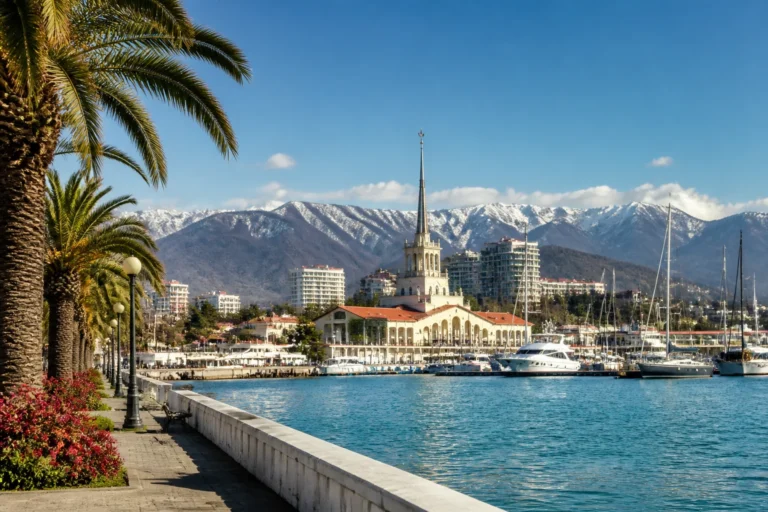
Adler/Sochi
Adler and Sochi stretch along Russia’s Black Sea coast, combining seaside promenades and parks with access to mountain landscapes.…
Explore destination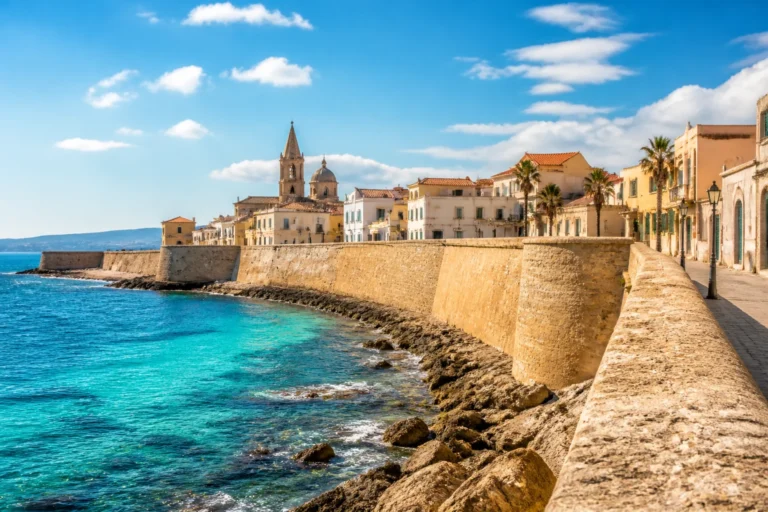 AI illustration
Alghero
Alghero, on the north-west coast of Sardinia, combines a historic centre with easy access to beaches and the coastal…
Explore destination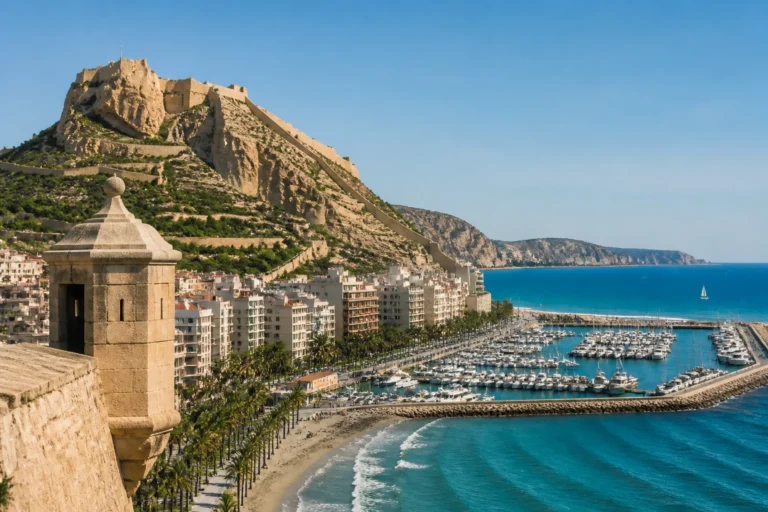 AI illustration
Alicante
Alicante is an easygoing Mediterranean city where a compact old centre, a long waterfront and a busy local food…
Explore destination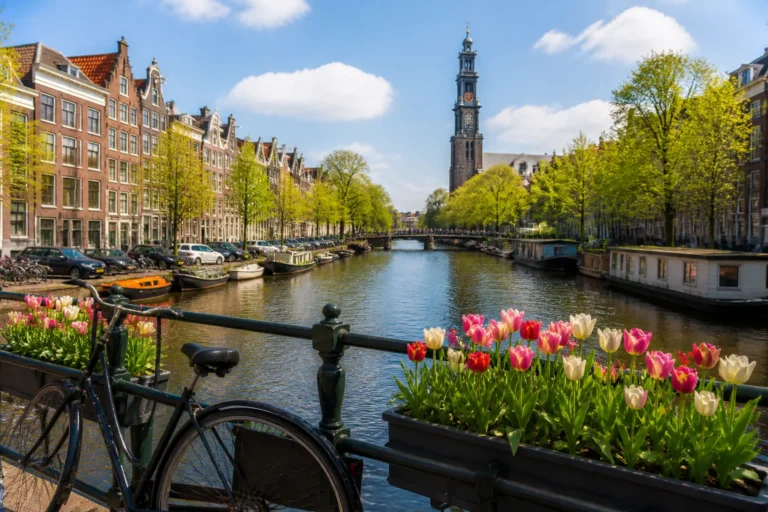 AI illustration
Amsterdam
Amsterdam combines a compact historic centre with a broad mix of museums, neighbourhood cafés and quieter residential streets. Its…
Explore destination