
Latvia · Europe
Riga City Guide: What to See and How to Plan Your Visit
Riga combines a compact medieval Old Town with grand boulevards, striking Art Nouveau architecture and neighbourhoods across the Daugava River. It works well for a short city break, while its markets, museums and cafés give you reasons to slow down. This guide covers when to go, where to stay and how to get from Riga Airport into the city, so you can plan a visit around your interests and travel dates.
Find flights to Riga ↓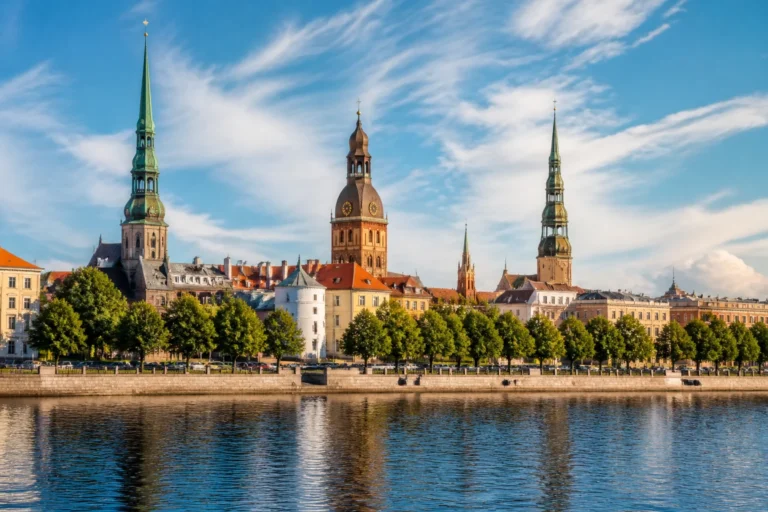 AI illustration
Find flights to Riga
Compare flights · EURWhat to expect in Riga
Riga is Latvia’s capital and largest city, set on the Daugava River near the Baltic coast. Its historic centre is compact enough to explore on foot, but the city is more than its cobbled lanes: nearby districts offer ornate apartment buildings, parks, cafés and everyday local life. The contrast between the medieval Old Town and the later city centre is one of Riga’s defining features.
The city suits travellers who enjoy architecture, museums and food as much as a relaxed urban break. You can spend a day among central landmarks, then use another to explore a market, visit a museum or cross the river to Āgenskalns. Riga’s historic centre is a UNESCO World Heritage Site, and its Art Nouveau buildings are a major reason to look beyond the Old Town.
- Explore the Old Town and its historic squares
- Look for Art Nouveau architecture in the central districts
- Visit Riga Central Market
- Walk along the Daugava and through central parks
Things to do in Riga
Start in the Old Town, where sights such as Riga Cathedral, the House of the Black Heads and St Peter’s Church sit among narrow streets and open squares. Allow time to wander rather than treating the area as a checklist: courtyards, small shops and cafés are part of its appeal. Nearby, the Freedom Monument and the city’s parks provide a change of pace from the historic lanes.
For a different architectural period, walk through the Centrs district and look for Art Nouveau façades, especially around Alberta iela and Elizabetes iela. Riga Central Market is another worthwhile stop, with food stalls and produce offering a glimpse of daily life. If you have time to cross the Daugava, Āgenskalns has a more residential feel and its own market area. Museum choices range from Latvian history and art to the city’s architecture; check opening arrangements before making one a fixed part of your day.
- See the Old Town’s landmark churches and historic buildings
- Walk the Art Nouveau streets around Alberta iela
- Browse food stalls at Riga Central Market
- Cross the river to explore Āgenskalns
Best time to visit Riga
Late spring through early autumn is a comfortable period for combining outdoor sightseeing with time in cafés and parks. The warmer months bring longer daylight, which is useful if you want to explore on foot or fit several neighbourhoods into a day. Weather can still change, so pack a light waterproof layer rather than relying on a warm-season forecast.
Winter brings shorter days and colder conditions, which can make long outdoor walks less appealing, but museums, restaurants and the historic centre remain options throughout the year. Spring and autumn can be quieter alternatives, though conditions are changeable. Choose dates based on the balance you want between daylight, outdoor time and indoor attractions, and check local event calendars if a festival or performance is part of your plans.
How long to stay in Riga
Two full days are enough for a first visit focused on the Old Town, central landmarks and the Art Nouveau district. With three days, you can take a slower pace, spend longer in museums and markets, and explore across the river without squeezing everything into one itinerary.
A short weekend suits travellers looking for architecture, food and a manageable city centre. Add time if you prefer unhurried museum visits or want to plan an excursion beyond the city; check travel times and transport details before committing to a day trip.
Riga Airport and getting around
Riga International Airport (RIX) is the main airport serving the city, west of the centre. Public buses connect the airport with central Riga, while taxis and app-based car services may be alternatives depending on your arrival time and needs. For current routes, stops, tickets and service changes, consult the airport and Rīgas satiksme, Riga’s public transport operator. Confirm any taxi fare or pick-up arrangements directly with the provider before travelling.
In the city, central sights are often easiest to reach on foot. Trams, buses and trolleybuses can help with longer journeys, including trips beyond the Old Town; check the operator’s current ticketing information before boarding. If you plan to hire a car, consider whether you will leave the centre, as parking and one-way streets can make a car unnecessary for a city-focused stay.
- Riga International Airport uses the code RIX
- Check official operator information for current airport bus services and tickets
- Walk between many central sights; use public transport for longer trips
Where to stay in Riga
The Old Town is convenient for historic sights, restaurants and evening walks, although its busiest streets can be lively. Staying in Centrs puts you near the Art Nouveau architecture, parks and a wider choice of cafés, while still keeping the Old Town within walking distance for many visitors. Compare the exact location of a property with the sights you plan to visit rather than relying on neighbourhood names alone.
Āgenskalns, across the river, offers a more residential base and suits travellers who do not mind using public transport or walking farther to reach the Old Town. When choosing accommodation, check the distance to a suitable stop, late-night transport options and any building access details. If arriving late or leaving early, consider airport transfer time as well as the room rate.
- Old Town for immediate access to historic sights
- Centrs for Art Nouveau streets, parks and central convenience
- Āgenskalns for a more residential setting across the river
Practical tips for planning a Riga trip
Wear comfortable shoes: Old Town streets can be uneven, and a sightseeing day may involve more walking than the map suggests. Bring layers in any season, as conditions can vary, and leave some flexibility in your plans if you want to spend time in museums or cafés. For popular attractions, check current opening hours and access details before you set out.
Latvia uses the euro. Keep a payment card and a little flexibility in how you pay, as arrangements can differ between businesses. Latvian is the official language; you may encounter English in visitor-facing settings, but learning a few basic Latvian greetings is a considerate gesture. If you are comparing flights to Riga, use FlyGo.si to explore available options, then confirm schedules and travel conditions with the relevant airline or airport.
Frequently asked questions about Riga
Is Riga easy to explore without a car?
Yes for a city-centred visit. The Old Town and nearby central districts are walkable, and public transport can help with longer journeys. Check current routes and ticket information with Rīgas satiksme.
How do I get from Riga Airport to the city centre?
Public buses connect the airport with central Riga, and taxi or app-based car services may also be options. Routes, stops and operating details can change, so check the airport and transport operator information for your travel date.
Is two days enough for Riga?
Two full days can cover the Old Town, central landmarks and the Art Nouveau district. A third day gives you more time for museums, markets and neighbourhoods such as Āgenskalns.
Which area is best to stay in for a first visit to Riga?
The Old Town is handy for historic sights, while Centrs offers central access to Art Nouveau architecture, parks and cafés. Āgenskalns is a more residential option across the river.
When is a good time to visit Riga?
Late spring to early autumn generally offers longer daylight for outdoor exploring. Winter has shorter days and colder conditions, so consider how much time you want to spend outside when choosing dates.
Travel information can change. Check official transport operators and attraction websites before booking.
Editorial review: 6 Nov 2026
More destinations to explore
 AI illustration
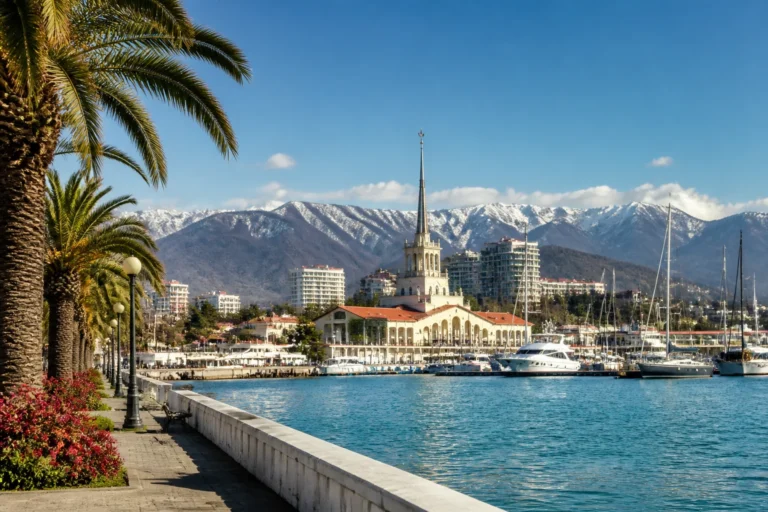
Adler/Sochi
Adler and Sochi stretch along Russia’s Black Sea coast, combining seaside promenades and parks with access to mountain landscapes.…
Explore destination AI illustration
Alghero
Alghero, on the north-west coast of Sardinia, combines a historic centre with easy access to beaches and the coastal…
Explore destination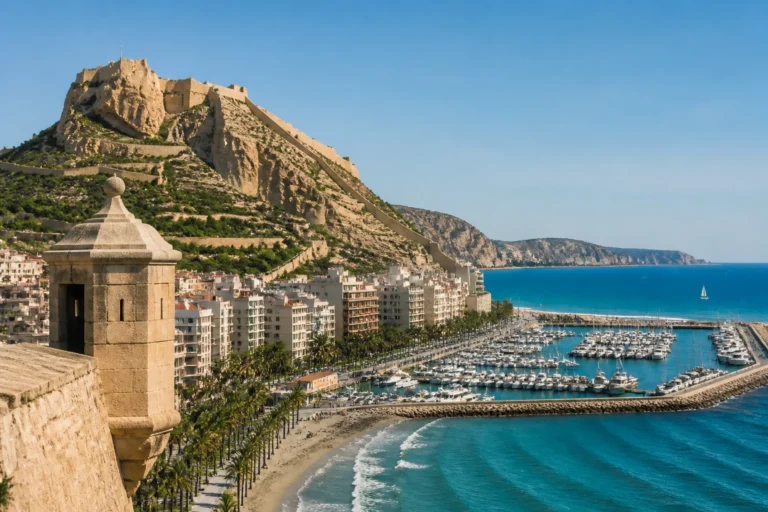 AI illustration
Alicante
Alicante is an easygoing Mediterranean city where a compact old centre, a long waterfront and a busy local food…
Explore destination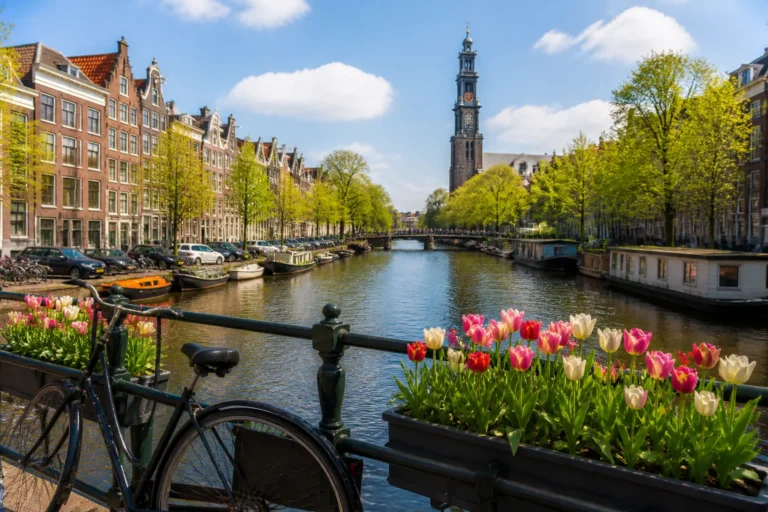 AI illustration
Amsterdam
Amsterdam combines a compact historic centre with a broad mix of museums, neighbourhood cafés and quieter residential streets. Its…
Explore destination