
Croatia · Europe
Split Travel Guide: Plan Your Visit to Croatia’s Adriatic City
Split combines a lively Adriatic waterfront with a historic centre built around the remains of Diocletian’s Palace. Its ferry port also makes it a practical base for exploring nearby islands, while beaches and the wooded paths of Marjan offer a change of pace from the old town. Use this guide to plan your stay, compare flight options to Split Airport (SPU) and get around once you arrive.
Find flights to Split ↓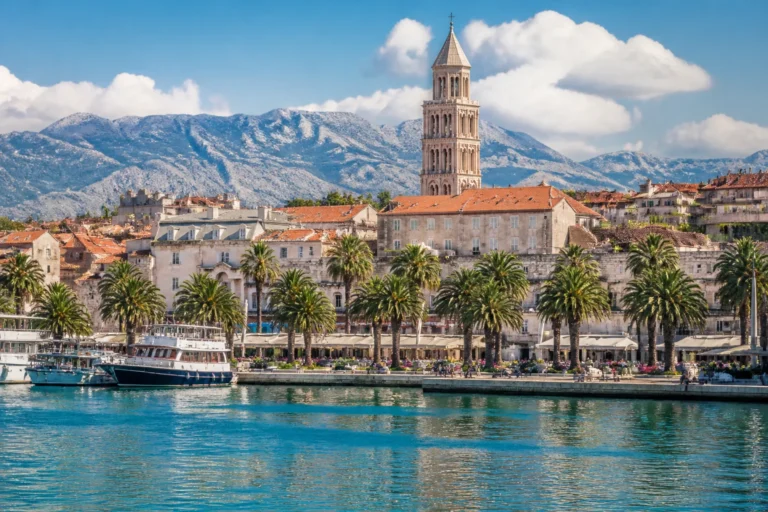 AI illustration
Find flights to Split
Compare flights · EURWhat to expect in Split
Split is Croatia’s second-largest city and an important port on the Adriatic coast. Its best-known landmark is Diocletian’s Palace, a late Roman complex whose walls, lanes and courtyards form part of the working city centre rather than a separate museum site. Cafés, shops, homes and historic sights sit close together, with the Riva promenade opening onto the harbour.
The city suits travellers who want history, coastal scenery and convenient onward connections in one trip. The centre is compact enough to explore on foot, but summer crowds, stone paving and steps can make busy areas tiring. Split can be a destination in its own right or a starting point for ferries and excursions to nearby islands; check current services before building an itinerary around them.
- Explore the lanes and courtyards of Diocletian’s Palace
- Walk the Riva waterfront
- Take a break from the centre on Marjan hill
- Use Split as a base for coastal and island trips
Things to do in Split
Begin in the historic centre, where the Peristyle, palace gates and narrow streets give a sense of how the ancient complex has been adapted over time. The Cathedral of Saint Domnius and its bell tower are prominent landmarks; access arrangements and opening details can change, so check locally if you plan to go inside. A walk along the Riva is an easy way to connect the old town with the harbour and see the city’s everyday waterfront life.
For greenery and wider coastal views, head towards Marjan, the wooded peninsula west of the centre. Its paths and viewpoints make a welcome contrast with the busy lanes, though the route you choose should suit your fitness and the conditions on the day. Split also has urban swimming spots, including Bačvice beach; expect popular areas to be busy in peak summer. If you have extra time, look into a boat trip or ferry journey, but confirm departure points and timetables with the relevant operator.
When to visit Split
Late spring and early autumn are often appealing for combining sightseeing with time outdoors: the main attractions remain accessible, and the city may feel less crowded than in the height of summer. Conditions vary from year to year, so pack for the forecast rather than relying on seasonal expectations.
Summer brings the strongest demand for accommodation and popular waterfront spots, as well as a busy events and ferry season. If you visit then, reserve a place to stay well ahead where possible and plan major sightseeing for earlier or later in the day. The quieter winter period can suit visitors chiefly interested in the historic centre, but some island services and visitor facilities may operate differently; check current arrangements before travelling.
How long to stay in Split
Two full days give most visitors time to explore Diocletian’s Palace, walk the Riva and spend part of a day on Marjan or at the coast. A shorter stop can cover the central sights, but may feel rushed if you arrive late or leave early.
Allow three to five days if you want to add a beach day or an island visit without changing accommodation. Island trips depend on transport schedules and conditions, so leave some flexibility rather than planning a tight same-day connection. For a slower trip focused on swimming, walking and nearby towns, stay longer and use Split as a base.
Split Airport and getting around
Split Airport (SPU) is near Kaštela, west of the city, roughly 20 kilometres from central Split by road. The journey time varies with traffic. Options for reaching town include airport buses, local public transport, taxis and pre-arranged transfers. Services, stops and timetables can change, so check information from the airport and transport operators before setting off.
The historic centre is best explored on foot, although uneven stone paving and steps are common. For longer journeys within the city, local buses serve a range of areas; consult the operator for routes and current service information. Split’s bus and ferry terminals are close to the centre, while rail connections are more limited than road and ferry options. If hiring a car, consider whether you need one in the city itself: parking near the old town can be restricted, and many central streets are pedestrianised.
- Airport code: SPU
- Check current airport and local transport information before travel
- Walking is practical for much of the historic centre
Where to stay in Split
Staying in or near the old town puts historic sights, restaurants and the waterfront within easy walking distance. It is a convenient choice for a short visit, but central streets can be lively, and older buildings may have stairs or limited lift access. Check the exact location and access details before booking if you have heavy luggage or mobility needs.
Bačvice is worth considering if you want to be near the beach and within walking distance of the centre and port. Areas farther from the historic core can offer a quieter residential feel, but check the walking distance and bus links rather than relying on the neighbourhood name alone. In summer, compare accommodation locations carefully and book early if you need specific facilities.
Practical tips for visiting Split
Wear comfortable shoes with a good grip for polished stone and uneven paving. A reusable water bottle, sun protection and a light layer for evenings can be useful, with what you need depending on the season and forecast. The local currency is the euro. Card acceptance varies between businesses, so carrying a small amount of cash can be helpful.
The palace is part of the city’s everyday street network, so treat homes and businesses as you would anywhere else and keep noise down late at night. If you plan island travel, check ferry details directly with the operator and leave room for changes to your plans. Travellers arriving by air can compare flight options to SPU through FlyGo.si; confirm baggage, connection and airport details with the relevant airline or provider before booking.
Frequently asked questions about Split
Is Split a good base for visiting Croatian islands?
Yes. Split is a major ferry port with connections to nearby islands, but routes and schedules vary by destination and season. Check the relevant operator’s current timetable before choosing where to stay or planning a day trip.
Can you explore Split without a car?
Yes. The historic centre and waterfront are walkable, and local buses can help with longer journeys around the city. A car is more useful for exploring areas beyond Split, but consider parking and traffic before hiring one.
How do you get from Split Airport to the city?
Airport buses, public transport, taxis and pre-arranged transfers are among the options. Travel time depends on traffic, and services can change, so check current details with the airport and transport operators.
Is Split suitable for a short city break?
Yes. Two full days can cover the old town, the Riva and time on Marjan or by the coast. Add days if you want to visit an island or explore at a slower pace.
Where should first-time visitors stay in Split?
The old town is convenient for historic sights and the waterfront. Bačvice may suit visitors who also want to be near the beach. Compare the exact address, noise level, stairs and transport links before booking.
Travel information can change. Check official transport operators and attraction websites before booking.
Editorial review: 23 Oct 2026
More destinations to explore
 AI illustration
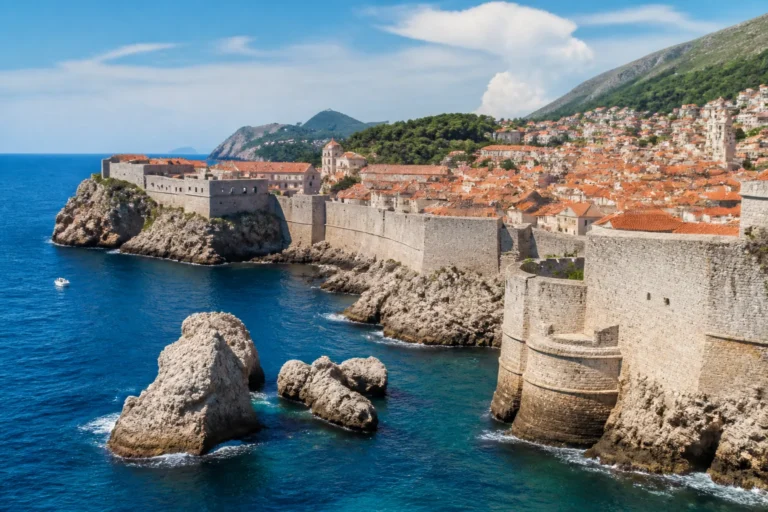
Dubrovnik
Dubrovnik is one of the Adriatic’s most distinctive city breaks, with limestone streets, sea views and a compact old…
Explore destination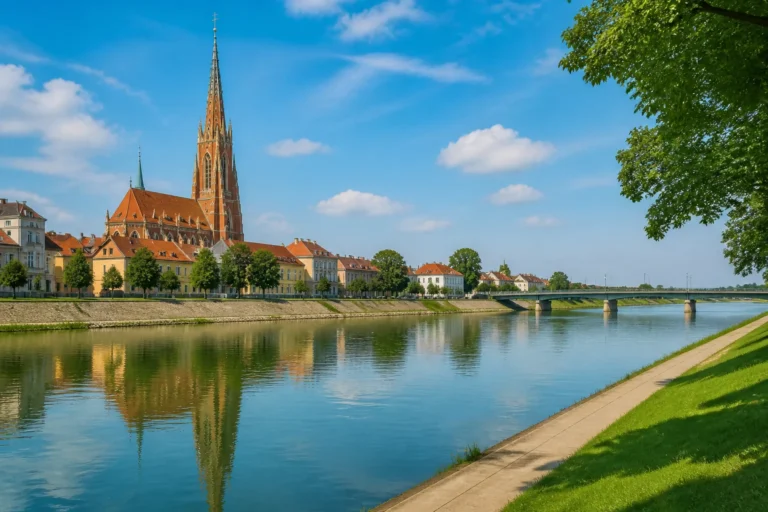 AI illustration
Osijek
Osijek offers a quieter city break in eastern Croatia, with a walkable centre, riverside paths and the Baroque streets…
Explore destination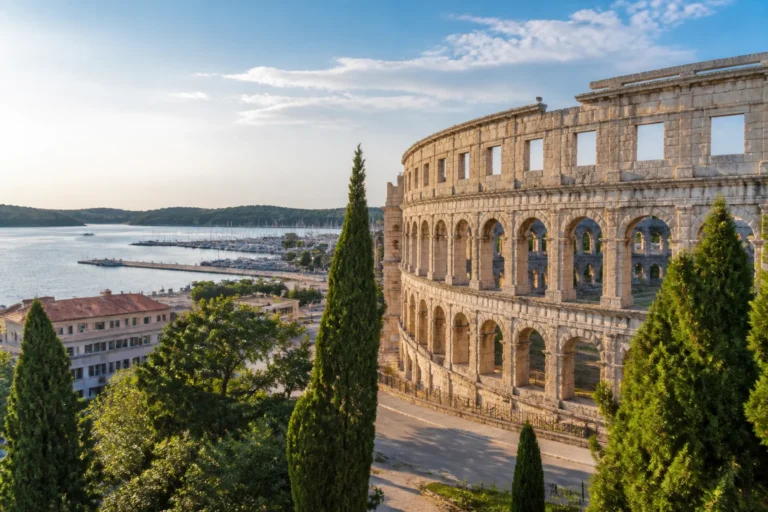 AI illustration
Pula
Pula is one of Croatia’s most interesting coastal cities: compact, walkable, and full of Roman heritage, but also practical…
Explore destination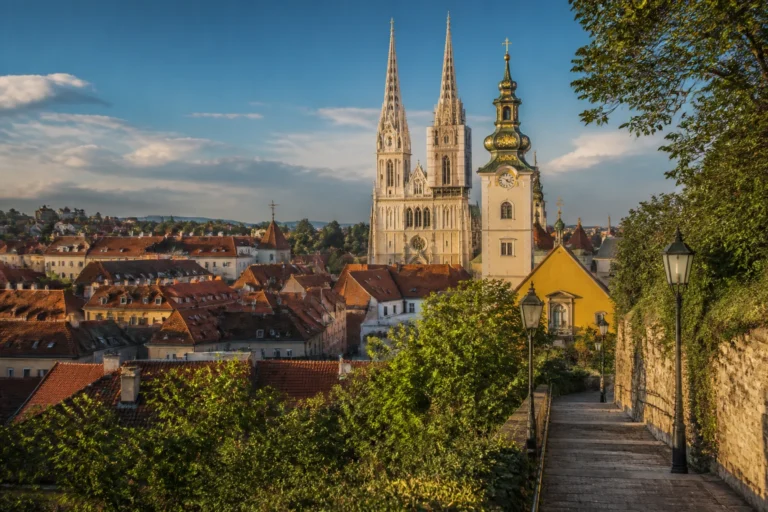 AI illustration
Zagreb
Zagreb is Croatia’s compact capital, combining a walkable historic centre, lively cafés, museums, markets and a growing food scene.…
Explore destination