
Croatia · Europe
Dubrovnik travel guide for independent travellers
Dubrovnik is one of the Adriatic’s most distinctive city breaks, with limestone streets, sea views and a compact old town that is easy to explore on foot. It works well for travellers who want culture, coastal scenery and a straightforward base for day trips, but it can feel busy in peak season. This guide focuses on how to plan a practical visit, move around, and make the most of the city without rushing.
Find flights to Dubrovnik ↓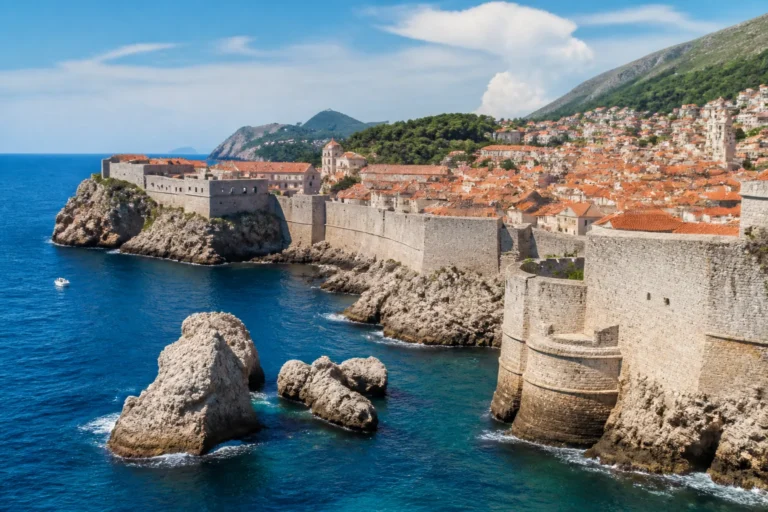 AI illustration
Find flights to Dubrovnik
Compare flights · EURAbout Dubrovnik
Dubrovnik sits on Croatia’s southern Adriatic coast and is best known for its walled old town, baroque churches, polished stone streets and strong maritime character. The historic core is compact, but the city beyond the walls spreads along the coast and hills, so your experience can vary a lot depending on where you stay. For many visitors, the appeal is the mix of heritage, sea access and easy short excursions rather than a classic resort atmosphere.
Although the old town is the main draw, Dubrovnik also rewards slower travel. You can combine sightseeing with swimming, waterfront walks, cable car views and island-hopping, or use the city as a base for nearby coastal villages and boat trips. It is especially suited to travellers who like exploring on foot and do not mind planning around crowds in the busiest months.
- Walled historic centre with a very walkable layout
- Coastal setting with easy access to beaches and boat trips
- Good base for short stays and island excursions
Things to do in Dubrovnik
Start with the old town, where the main pleasure is wandering rather than ticking off landmarks. Walk the Stradun, look into side streets, and spend time at the city walls if you want the classic panoramic views over rooftops and the Adriatic. Several churches, museums and palaces sit close together, so it is easy to build a relaxed half-day around the historic core.
For a broader view of the city, consider the cable car to Mount Srđ if it is operating during your visit, or climb to viewpoints above the old town for a different perspective. Dubrovnik also works well for sea-focused plans: Lokrum island is a popular short outing, and beaches such as Banje or more local-feeling coves outside the centre can break up a sightseeing day. If you have more time, day trips to nearby islands or the Konavle area can add variety without requiring long transfers.
- Walk the city walls and the old town streets
- Take in the views from above the historic centre
- Add a beach, island or boat trip to balance the visit
Best time to visit Dubrovnik
Dubrovnik is most enjoyable when the weather is comfortable and the city is not at its most crowded. Spring and early autumn are often the sweet spots for many independent travellers because sightseeing feels easier and the coast is still appealing for outdoor time. Summer brings the liveliest atmosphere, but it can also mean stronger heat, more visitors and more competition for accommodation and popular sights.
If you are sensitive to crowds, think carefully about timing around major cruise arrivals and school holiday periods. Winter is quieter and can suit travellers who care more about atmosphere than swimming, although some seasonal services may be reduced. Because Dubrovnik is compact, even a short visit can work well outside peak season, provided you plan transport and opening hours conservatively.
- Spring and early autumn usually suit relaxed sightseeing
- Summer is busiest, especially in the old town
- Winter can be calmer but with fewer seasonal options
How long to stay in Dubrovnik
A short city break of two to three days is enough to see the old town, walk part of the walls, enjoy the waterfront and add one coastal excursion. That duration works well if you want a focused first visit and plan to keep moving around Croatia or the Balkans. It also gives you enough time to explore at a slower pace instead of treating Dubrovnik as a quick stopover.
Stay four to five days if you want a more rounded experience. That allows for a beach day, an island outing, one or two museums or churches, and time outside the busiest hours in the old town. Longer stays make sense if you are using Dubrovnik as a base for coastal day trips, but for many travellers the city is strongest as a compact destination paired with another place on the itinerary.
- 2–3 days for the main historic sights
- 4–5 days for a slower pace and day trips
- Longer stays suit beach and island-focused itineraries
Airports and transport in Dubrovnik
Dubrovnik is served by Dubrovnik Airport, which is the main arrival point for most international visitors. From the airport, travellers usually continue by airport bus, taxi or pre-arranged transfer into the city. Services and timings can change seasonally, so check official operators and your accommodation before you travel, especially if you are arriving late or in the quieter months.
Within Dubrovnik, the old town is best explored on foot, but buses are useful for reaching neighbourhoods, beaches and viewpoints outside the centre. If you are arriving by road, remember that the city’s terrain includes hills and stairs, so distances can feel longer than they look on a map. Ferries and boat services connect Dubrovnik with nearby islands and some coastal destinations, but travellers should confirm routes and departures directly with operators before planning around them.
- Dubrovnik Airport is the main gateway
- Old town sightseeing is mostly on foot
- Use buses, ferries or transfers for longer city and coastal hops
Where to stay in Dubrovnik
Stay inside or very near the old town if your priority is atmosphere and easy access to sights, especially on a short trip. This area is the most convenient for early starts and evening walks, but it can also be the busiest and least practical if you arrive with lots of luggage, because cars cannot enter the historic centre. Look carefully at how close a property is to your drop-off point and whether stairs are involved.
Lapad and other coastal neighbourhoods are often better for travellers who want a quieter base, more space and easier access to beaches or seafront promenades. These areas can work well for longer stays or summer travel, while still keeping the old town within reach by bus or taxi. If you want a balance, consider somewhere just outside the centre so you can move in and out of the historic core without sleeping in the busiest streets.
- Old town for maximum convenience and atmosphere
- Lapad for a quieter, more residential feel
- Outside-centre stays can be easier for luggage and parking
Practical tips for Dubrovnik
Book popular accommodation and any must-do activities well ahead for peak dates, because Dubrovnik’s small historic core fills quickly. If you want the old town at its most enjoyable, go early in the morning or later in the day, when day-trippers and cruise crowds are less concentrated. Comfortable walking shoes matter more here than in many other city breaks, because the streets are smooth, steep in places and often full of steps.
Carry a flexible plan for heat, wind or crowds, and make time for water breaks and shaded stops. For museums, churches and transport, check current opening details with the official venue or operator rather than relying on older information. If you are combining Dubrovnik with the wider region, allow extra time for border, road or ferry connections and avoid overpacking your itinerary.
Before you go, think about how you will carry luggage and whether your accommodation is realistic for a pedestrian historic centre. Dubrovnik is rewarding when you slow down, keep movement simple and leave space for unplanned views, meals and swims.
- Visit the old town early or late in the day
- Use light luggage and good walking shoes
- Confirm opening hours and transport directly with operators
Frequently asked questions about Dubrovnik
Is Dubrovnik a good destination for a short city break?
Yes. Dubrovnik works very well for two or three days if you want a compact historic centre, sea views and a few flexible sightseeing options. It is easy to cover the main highlights on foot.
Do I need to stay in the old town to enjoy Dubrovnik?
No. Staying in the old town is convenient, but areas such as Lapad can be better if you want a quieter base, more space or easier access to the coast. You can still reach the centre by bus or taxi.
Can I explore Dubrovnik without a car?
Yes. The old town is pedestrian-friendly and buses cover many routes outside the centre. For nearby islands or coastal trips, look at official ferry or boat services rather than relying on assumptions about schedules.
What is Dubrovnik best known for?
It is best known for its medieval city walls, limestone streets, baroque buildings and Adriatic setting. Many travellers also come for swimming, island trips and the atmosphere of the old town.
When is Dubrovnik least crowded?
It is usually calmer in the shoulder seasons and in winter, though winter can mean reduced seasonal services. If you want a better balance of weather and visitor numbers, spring and early autumn are often a practical choice.
Is Dubrovnik suitable for travellers who like active sightseeing?
Yes, but be ready for stairs, uneven surfaces and hillier terrain than the old town map suggests. Good footwear and a steady pace make the city much easier to enjoy.
Travel information can change. Check official transport operators and attraction websites before booking.
Editorial review: 19 Oct 2026
More destinations to explore
 AI illustration
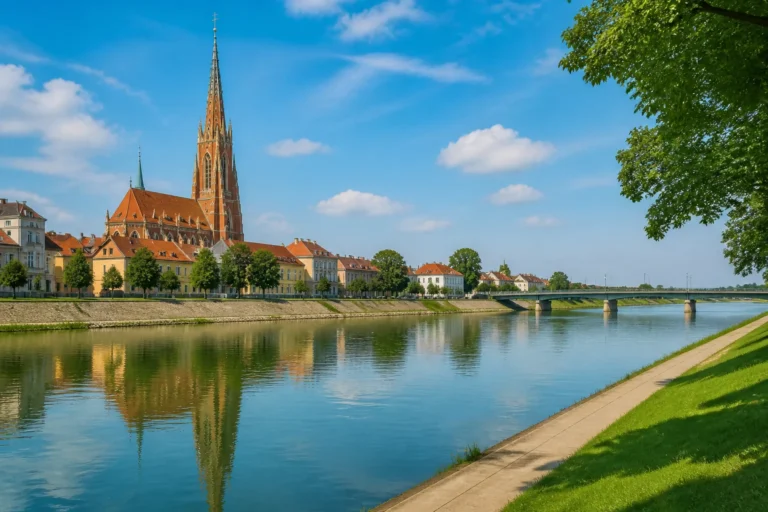
Osijek
Osijek offers a quieter city break in eastern Croatia, with a walkable centre, riverside paths and the Baroque streets…
Explore destination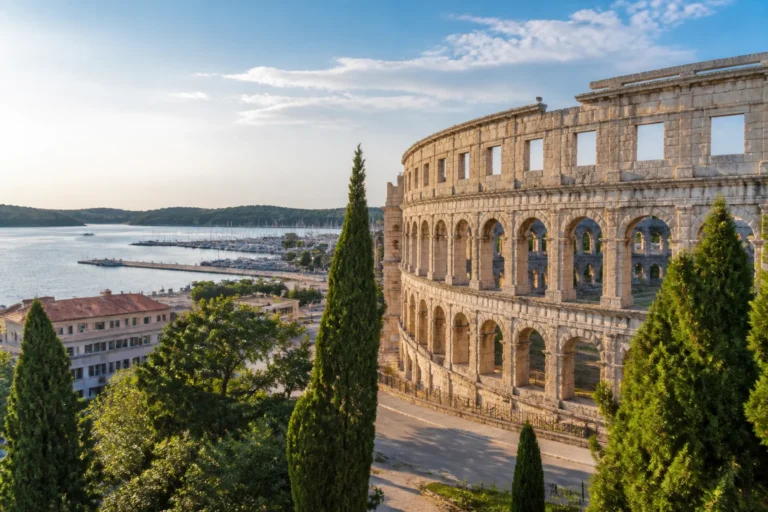 AI illustration
Pula
Pula is one of Croatia’s most interesting coastal cities: compact, walkable, and full of Roman heritage, but also practical…
Explore destination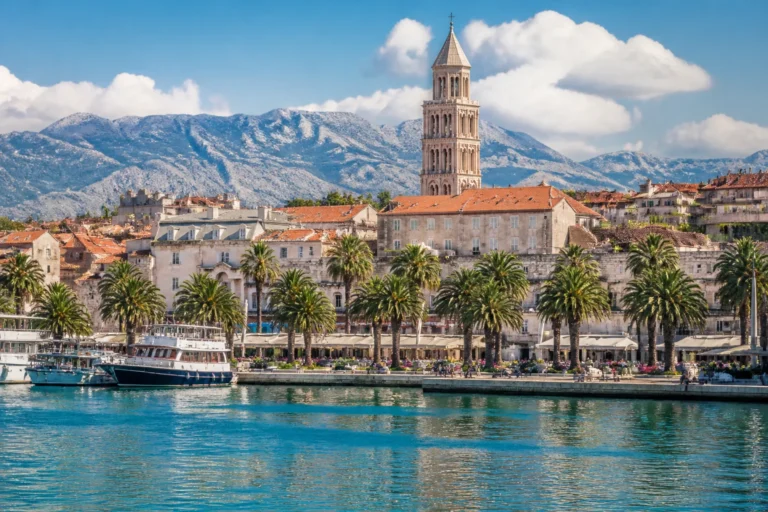 AI illustration
Split
Split combines a lively Adriatic waterfront with a historic centre built around the remains of Diocletian’s Palace. Its ferry…
Explore destination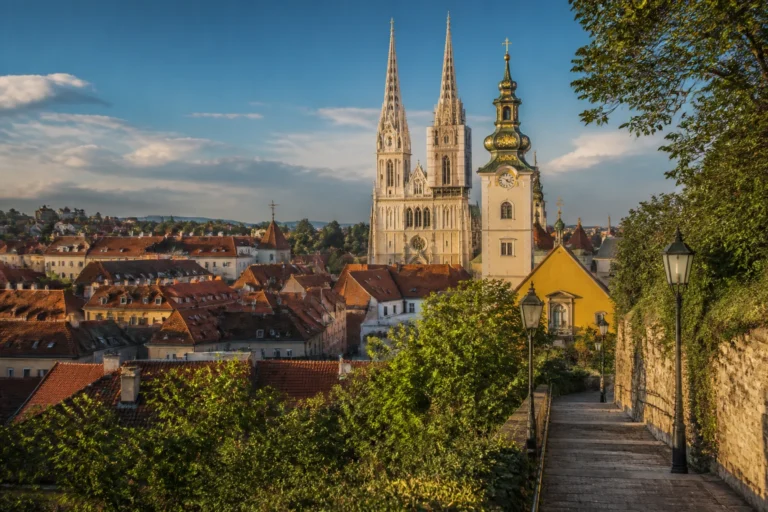 AI illustration
Zagreb
Zagreb is Croatia’s compact capital, combining a walkable historic centre, lively cafés, museums, markets and a growing food scene.…
Explore destination